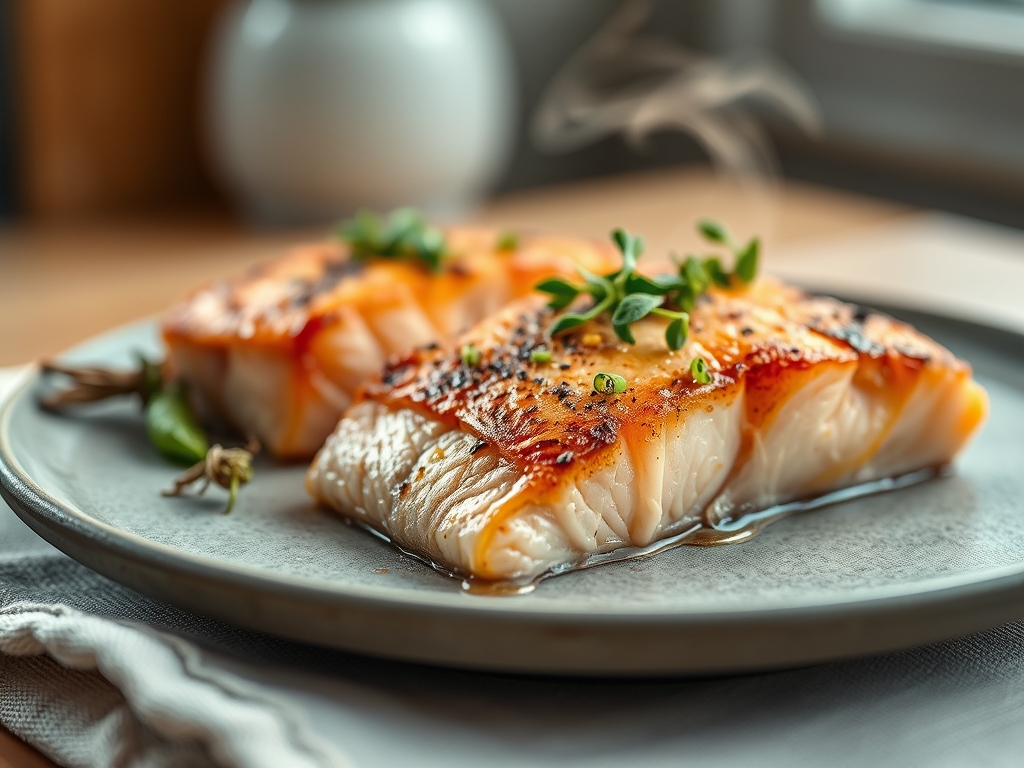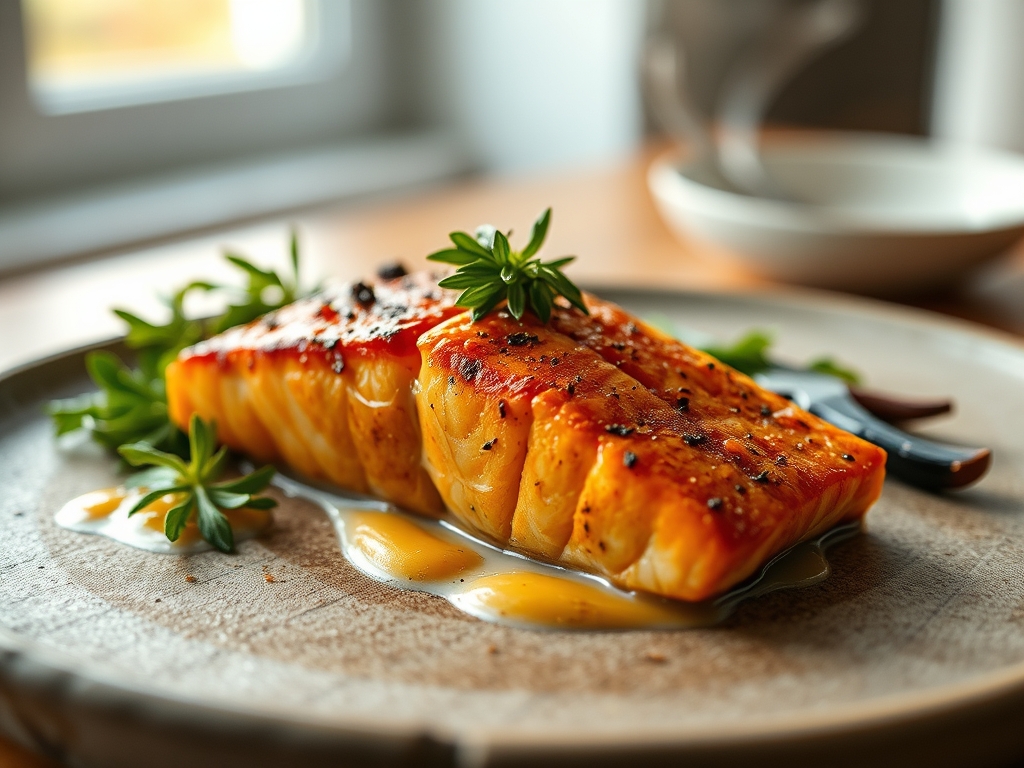
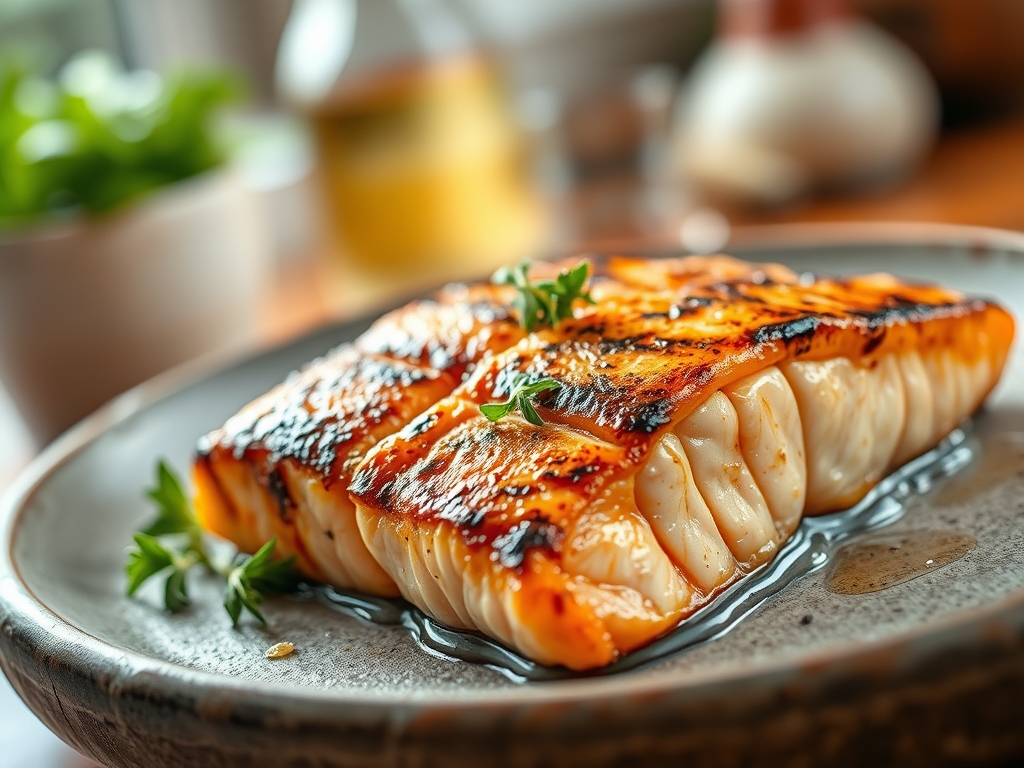
Picture the scene: the sun is dipping below the horizon, the air is thick with the scent of charcoal, and you are holding a glass of crisp Sauvignon Blanc. You are about to master the art of the perfect fillet. Finding amazing grilled salmon recipes is easy; however, executing them with the precision of a Michelin star chef requires understanding the molecular dance between heat and protein. We are not just cooking dinner; we are engineering a sensory experience. Most home cooks fear the grill because salmon is temperamental. It can go from succulent to sawdust in a matter of seconds. By the time we are finished, you will understand how to manipulate surface moisture and internal temperature to achieve that glass-like skin and butter-soft interior every single time. We are diving deep into the chemistry of the sea, transforming a simple piece of fish into a culinary masterpiece that will make your guests wonder if you secretly attended Le Cordon Bleu over the weekend.
The Gathers:
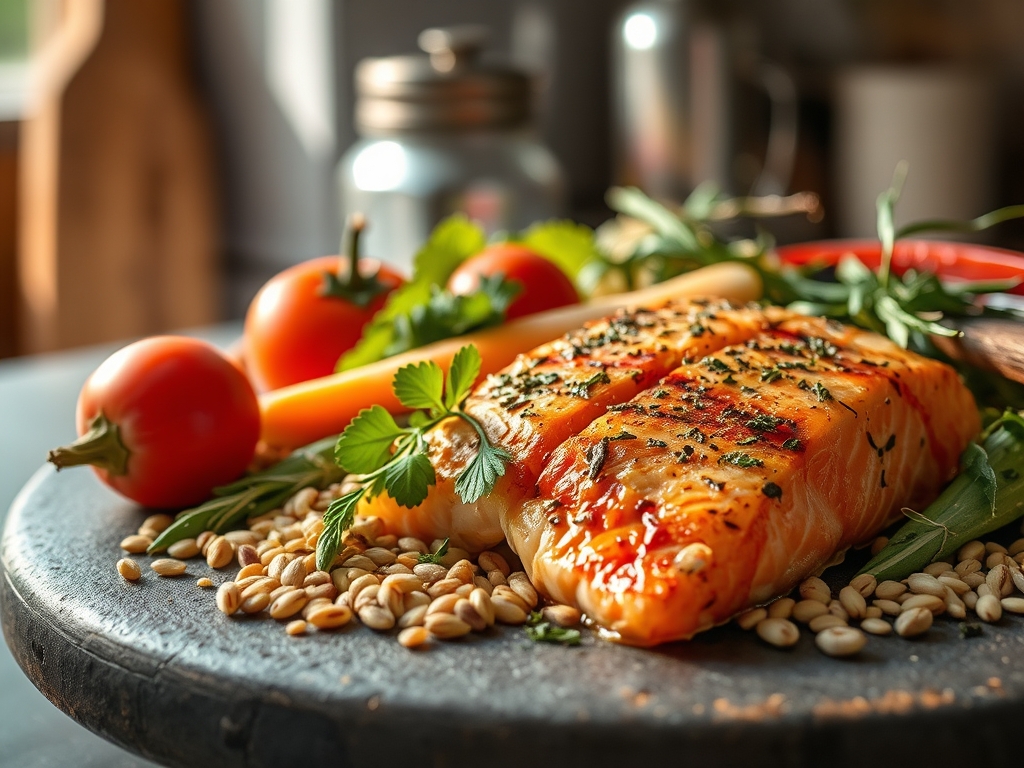
To execute amazing grilled salmon recipes, your mise-en-place must be surgical. Start with a center-cut King or Sockeye fillet; these varieties possess a higher fat content, which provides a safety buffer against the intense, dry heat of the grill. You will need a high-smoke-point oil like avocado or grapeseed oil; extra virgin olive oil will oxidize and turn acrid at high temperatures. Gather your aromatics: fresh dill, flat-leaf parsley, and a microplane for zesting organic lemons. The salt is non-negotiable; use Diamond Crystal Kosher salt for its hollow flake structure, which adheres better to the protein fibers.
For the "Smart Substitutions," if you are out of fresh citrus, a pinch of citric acid or a splash of verjuice provides that necessary piquant lift without adding excess liquid. If you lack a grill, a heavy-bottomed skillet or a cast iron griddle can mimic the heat retention of a ceramic grill grate. Always have a digital scale nearby to ensure your portions are uniform, which guarantees a synchronized cooking time across all fillets.
The Clock:
The "Chef's Flow" is about timing the transition from the fridge to the flame. Total preparation time is approximately 20 minutes, while the active cooking time rarely exceeds 10 minutes. However, the most critical phase is the 15-minute "tempering" period. Taking the fish directly from a 38-degree refrigerator to a 500-degree grill causes the muscle fibers to contract violently, squeezing out moisture. By letting the fish sit at room temperature, you reduce the thermal shock.
While the fish tempers, spend 10 minutes preheating your grill. You want the grates to be screaming hot to facilitate immediate Maillard reaction signaling. Once the fish hits the heat, the "Flow" dictates a 70/30 split; cook it 70 percent of the way on the skin side to create a protective heat shield, then a quick 30 percent flip to finish. This ensures the delicate top flesh remains viscous and moist.
The Masterclass:
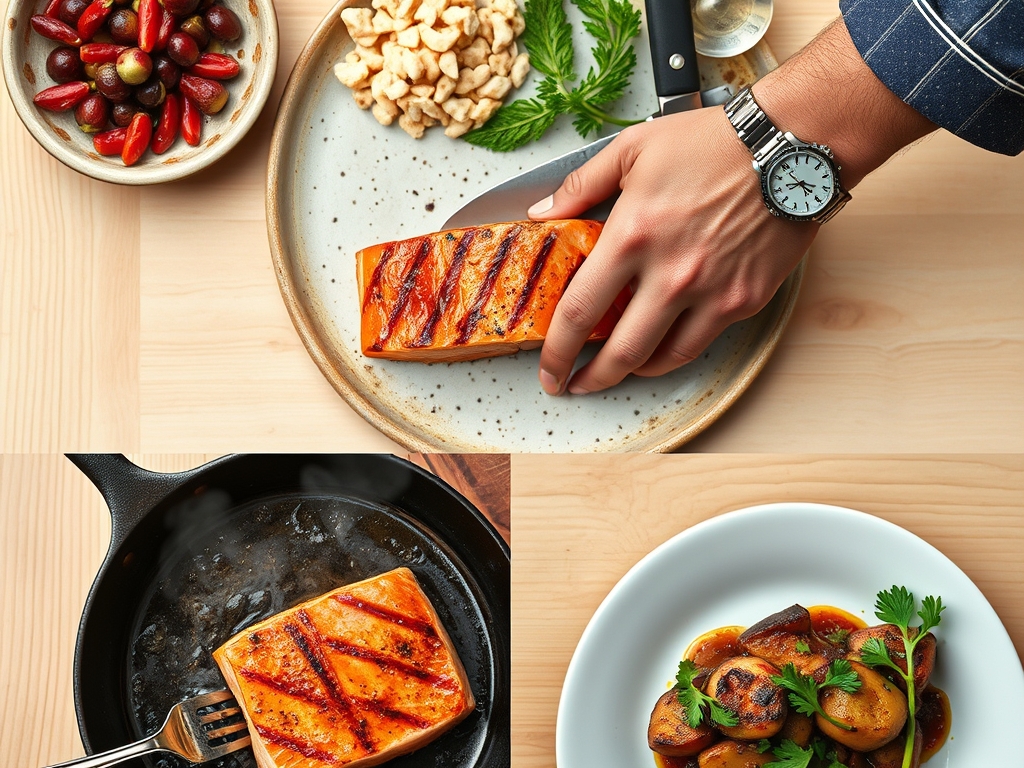
1. The Desiccation Ritual
Use a paper towel to pat the salmon skin until it is bone dry. Moisture is the enemy of a crisp crust; any residual water will turn to steam, effectively poaching the fish instead of searing it.
Pro Tip: This is known as preventing "evaporative cooling." If the surface is wet, the energy of the grill goes into boiling the water rather than browning the proteins, delaying the Maillard reaction.
2. The Oil Barrier
Lightly coat the skin with your high-smoke-point oil using a silicone brush. Do not oil the grill grates directly, as the oil will break down and create a sticky resin. Oil the fish instead.
Pro Tip: This creates a hydrophobic barrier. It prevents the aqueous proteins in the fish from bonding with the metal of the grill grates, ensuring a clean release when you use your tongs.
3. The Initial Sear
Place the salmon skin-side down over direct heat. Press down firmly with a bench scraper or spatula for the first 30 seconds to ensure total contact between the skin and the grate.
Pro Tip: This prevents the skin from curling. Heat causes the collagen in the skin to shrink; by applying physical pressure, you force the skin to stay flat and brown evenly.
4. The Fat Rendering Phase
Lower the grill lid and let the salmon cook undisturbed for about six minutes. You are looking for the fat layer beneath the skin to render out, which essentially deep-fries the skin in its own lipids.
Pro Tip: This is "conduction cooking." The skin acts as an insulator, allowing the heat to travel upward slowly through the flesh without overcoagulating the delicate proteins on the top.
5. The Gentle Flip
Using a thin fish spatula, gently lift the fillet. If it resists, wait another 30 seconds. Flip it onto the flesh side for the final 2 minutes of cooking.
Pro Tip: Use your digital scale or a probe thermometer here. You are aiming for an internal temperature of 125 degrees Fahrenheit for medium-rare.
6. The Infusion
During the last 60 seconds, place a knob of compound butter or a sprig of rosemary directly on the grill next to the fish to infuse the rising smoke with aromatics.
Pro Tip: This is "aromatic entrainment." The volatile oils from the herbs are carried by the heat and deposited onto the surface of the moist fish.
7. The Carryover Rest
Remove the fish from the grill when it is 5 degrees below your target temperature. Place it on a warm plate and let it rest for four minutes.
Pro Tip: This accounts for "thermal carryover." The residual heat on the surface continues to move toward the center, finishing the cook perfectly while the muscle fibers relax and reabsorb juices.
The Deep Dive:
From a macro perspective, salmon is a nutritional powerhouse, offering roughly 25 grams of protein and 12 grams of healthy fats per 6-ounce serving. For those following a Keto lifestyle, this is a gold-standard meal. To make this Vegan, substitute the salmon with a thick slab of "Lion's Mane" mushroom or firm tofu pressed with a bench scraper, though the cooking times will decrease.
The "Fix-It" guide for common pitfalls:
- White Gunk (Albumin): If you see white clouds escaping the fish, your heat is too high. This is protein being squeezed out like a sponge. Lower the flame.
- Sticking: If the fish tears, your grates weren't clean or hot enough. Use a wire brush to carbonize any old food bits before starting.
- Flabby Skin: You likely didn't dry the skin enough or skipped the "press" step.
For meal prep, never microwave your leftover salmon. The high-frequency waves agitate the fat molecules and turn the texture rubbery. Instead, use a saucier to gently warm a small amount of broth or butter and "poach" the leftover fillet over low heat to maintain its "day-one" silkiness.
The Wrap-Up:
You are now armed with the chemical secrets to conquer any of the amazing grilled salmon recipes in your repertoire. Remember that cooking is a conversation between you and the ingredients. Listen for the sizzle, watch for the color change in the flake, and trust the science of the rest. You have the tools, the technique, and the wit to turn a simple Tuesday night dinner into a legendary backyard feast. Now, get out there and fire up that grill; your perfectly seared, buttery salmon destiny awaits!
The Kitchen Table:
How do I know when the salmon is done?
The most reliable method is using a digital thermometer to reach 125-130 degrees Fahrenheit. Visually, the flesh should transition from translucent to opaque and flake easily when gently pressured with a fork or a dull knife.
Should I leave the skin on when grilling?
Yes, always. The skin acts as a protective thermal barrier that prevents the delicate flesh from drying out. Even if you do not plan to eat the skin, it is essential for maintaining moisture and structural integrity during the cook.
Why does my salmon always stick to the grill?
Sticking usually occurs because the grill grates are cold or dirty, or the fish is too wet. Ensure the grates are preheated for ten minutes and the salmon skin is patted completely dry before applying a thin layer of oil.
Can I grill frozen salmon fillets?
It is not recommended. Frozen salmon releases excess moisture as it thaws on the grill, leading to steaming rather than searing. For the best texture, thaw the fish completely in the refrigerator and pat dry before starting your "Chef's Flow."
What is the best oil for grilling fish?
Choose an oil with a high smoke point, such as avocado, grapeseed, or refined peanut oil. These oils can withstand the 500-degree heat of a grill without breaking down, smoking excessively, or imparting bitter, "off" flavors to your salmon.