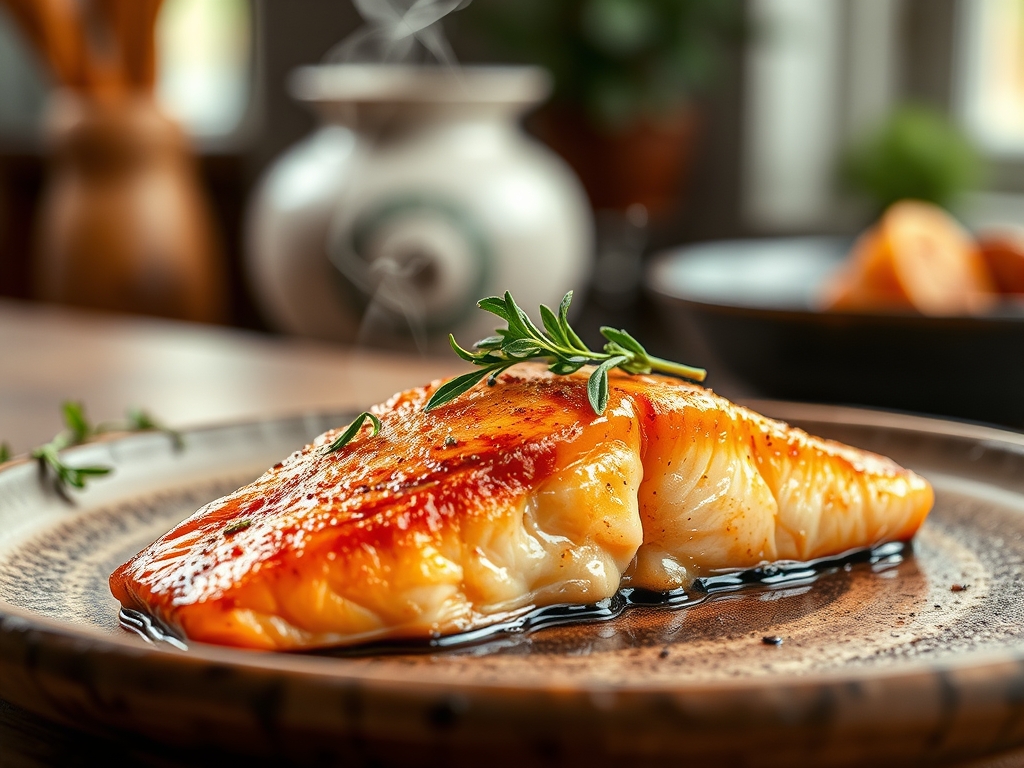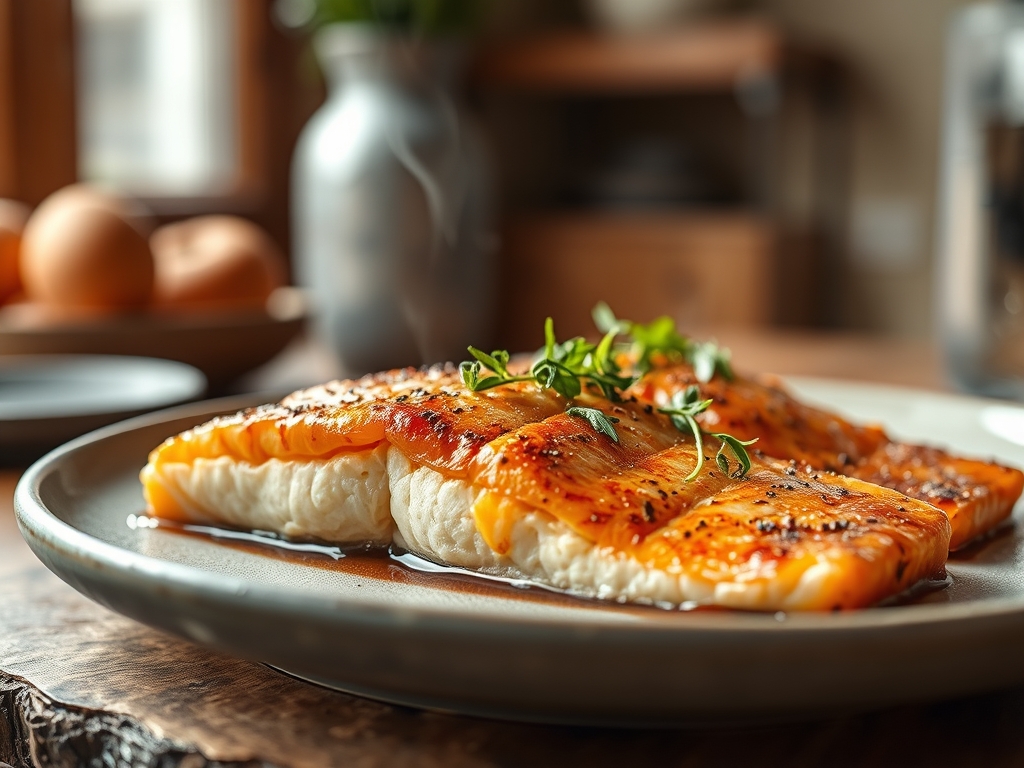
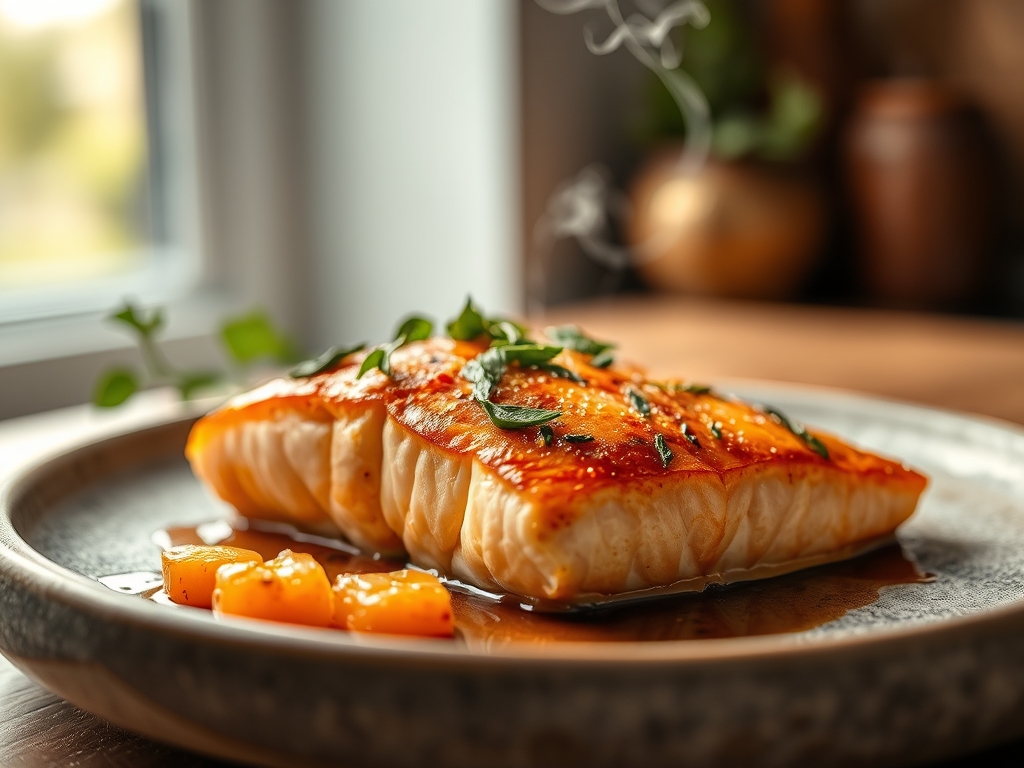
Picture the scene: a golden hour glow hitting the patio, a glass of crisp Rose in hand, and the scent of citrus-kissed fat hitting a hot pan. We are not just cooking dinner; we are engineering a sensory experience. Finding the best summer salmon recipes is about more than just heat application. It is about balancing the rich, omega-3 fatty acids of the fish with the high-acid, vibrant produce of the season. We want that shatter-crisp skin and a translucent, buttery center that flakes at the mere suggestion of a fork.
The secret to a perfect roast lies in the physics of moisture control. Salmon is roughly seventy percent water; if you do not manage that liquid, you end up with a sad, steamed fillet instead of a caramelized masterpiece. We are going to use high-velocity heat and intelligent seasoning to ensure every bite is a masterclass in texture. Whether you are hosting a sprawling garden party or just treating yourself after a long Tuesday, these methods turn a simple protein into a high-art centerpiece. Get your apron on; we are diving deep into the chemistry of the perfect sear.
The Gathers:
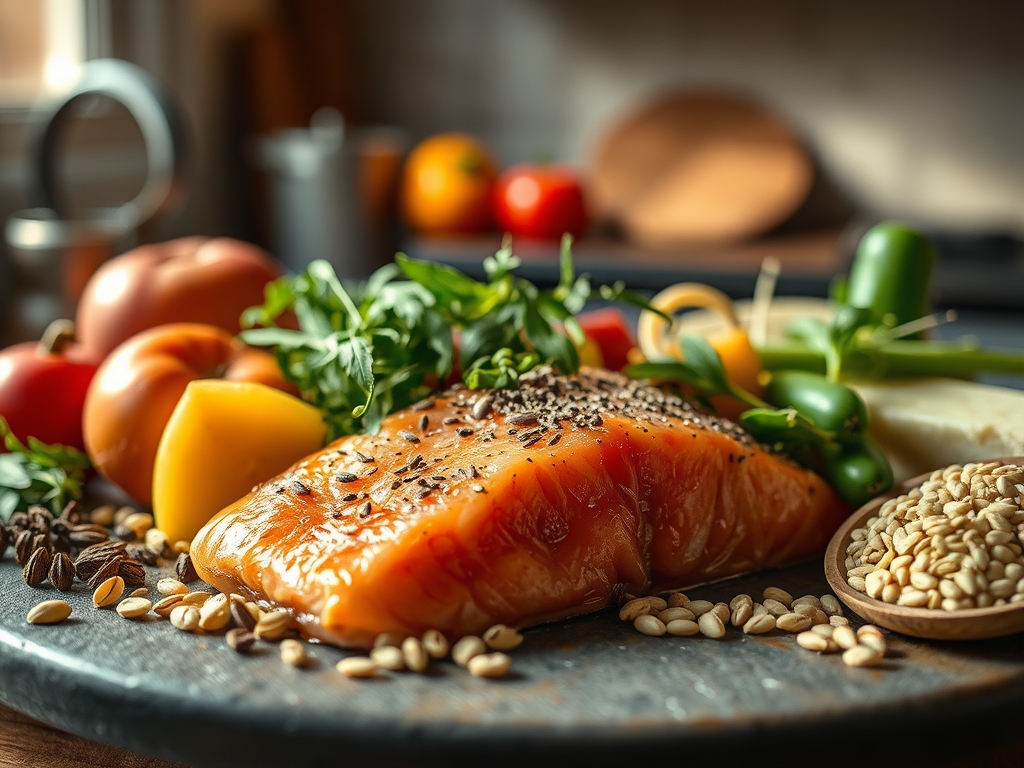
To execute these best summer salmon recipes, your mise-en-place must be clinical. Start with high-quality, center-cut fillets. Look for deep pigmentation, which indicates a diet rich in astaxanthin. You will need a microplane for zesting citrus without hitting the bitter white pith, and a heavy-bottomed skillet or a stainless steel roasting pan to ensure even heat distribution.
Your pantry should include a high-smoke-point oil like avocado or grapeseed oil. Avoid extra virgin olive oil for the initial sear; its low smoke point leads to acrid, burnt notes. You will also need flaky sea salt to provide a structural crunch and a saucier for whisking together emulsified herb vinaigrettes.
Smart Substitutions:
If you cannot find wild-caught King salmon, high-quality Steelhead trout is a fantastic anatomical match with a slightly milder profile. For those avoiding honey in glazes, a reduction of pomegranate molasses offers the same viscous texture with a more piquant edge. If fresh dill is wilting in the summer heat, substitute with fennel fronds for a similar aromatic profile with a hint of anise.
The Clock
Efficiency in the kitchen is about "Chef's Flow," the art of overlapping tasks so no heat is wasted. Prep time for these roasts averages fifteen minutes, primarily spent on precision knife work. The actual cook time is remarkably fast; usually twelve to eighteen minutes depending on the thickness of the cut.
The "Flow" looks like this: Preheat your oven and your roasting vessel simultaneously. While the metal absorbs thermal energy, pat your fish dry and prepare your aromatics. By the time the oven chime hits, your salmon should be at room temperature to prevent "thermal shock," which causes the muscle fibers to contract and push out unappealing white albumin.
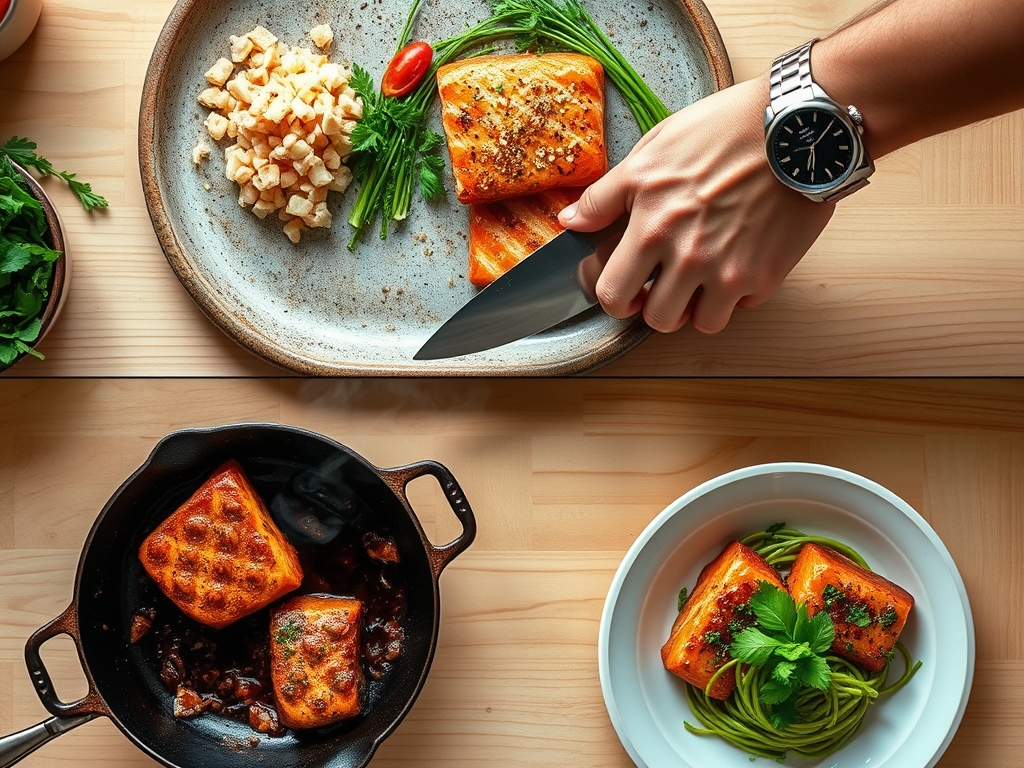
The Masterclass
1. The Desiccation Phase
Use a paper towel to remove every trace of surface moisture from the skin. A dry surface is the prerequisite for the Maillard reaction, the chemical dance between amino acids and reducing sugars that creates a savory crust.
Pro Tip: Salt the skin side at least ten minutes before cooking. This draws out moisture via osmosis; wipe it away one last time before the fish hits the pan to ensure maximum crispness.
2. The Sear and Render
Place the salmon skin-side down in a preheated pan with a thin film of oil. Use a flexible fish spatula to apply light pressure for the first thirty seconds. This prevents the skin from curling as the collagen proteins contract.
Pro Tip: This stage is about rendering the subcutaneous fat. As the fat melts, it fries the skin from the bottom up, creating a natural thermal barrier that protects the delicate flesh above.
3. The Aromatic Infusion
Toss smashed garlic cloves, woody herbs like thyme, and a knob of cold butter into the pan. As the butter foams, use a spoon to baste the hot, flavored fat over the raw top of the fish.
Pro Tip: This is known as "Arrosage." The hot fat carries the fat-soluble flavor compounds from the herbs directly into the protein, while the milk solids in the butter undergo enzymatic browning for a nutty finish.
4. The Precision Roast
Transfer the entire pan into a four-hundred-degree oven. This ambient heat cooks the fish from all sides, ensuring the center reaches a perfect medium-rare without overextending the exterior.
Pro Tip: Use a digital thermometer to pull the fish at 125 degrees Fahrenheit. Thermal carryover will continue to raise the internal temperature by another five degrees while the fish rests.
5. The Acid Brightening
Once out of the oven, immediately hit the fish with a squeeze of fresh lemon or a splash of verjus. The acid cuts through the richness of the fish and the rendered fats, balancing the palate.
Pro Tip: Acid breaks down residual surface proteins, making the flavor profile feel "lighter" and more "vibrant," which is the hallmark of the best summer salmon recipes.
6. The Emulsified Finish
Drizzle a cold herb oil or a mustard-based vinaigrette over the warm fillets. The residual heat will aerate the volatile oils in the herbs, releasing a fresh bouquet.
Pro Tip: An emulsion (like a vinaigrette) clings to the fish better than a straight oil, ensuring every flake is coated in flavor rather than just being greasy.
7. The Rest Period
Allow the salmon to sit for three to five minutes before serving. This allows the cell walls to reabsorb the juices, ensuring a moist texture when you finally break into it.
Pro Tip: Resting allows the internal pressure to equalize. If you cut into it too soon, the pressurized juices will leak out, leaving the meat dry and fibrous.
The Deep Dive
From a macro perspective, salmon is a nutritional powerhouse, offering roughly 20 grams of protein and 12 grams of healthy fats per 100-gram serving. It is naturally Keto and Gluten-Free. For a vegan alternative, "watermelon tuna" or marinated hearts of palm can mimic the density, though the cooking chemistry differs significantly.
The Fix-It:
- White Gunk (Albumin): This is caused by cooking too fast at too high a temperature. Fix: Lower the heat and ensure the fish is not cold when it hits the pan.
- Soggy Skin: This happens when there is residual moisture or the pan was not hot enough. Fix: Use a bench scraper to ensure the pan surface is clean, and always pat the fish dry.
- Sticking to the Pan: You likely tried to flip it too early. Fix: Wait for "natural release." When the crust is formed, the fish will unstick itself from the metal.
Meal Prep Science:
To reheat without ruining the texture, avoid the microwave. Use a low-temperature oven (275 degrees) with a splash of water or broth in the pan, covered with foil. This creates a gentle steam environment that rehydrates the protein fibers without overcooking the core.
The Wrap-Up
Mastering the best summer salmon recipes is your ticket to being the ultimate seasonal host. By understanding the interplay of heat, moisture, and acid, you move beyond following instructions and start cooking with intuition. Remember to keep your tools sharp, your pans hot, and your ingredients fresh. Now, go grab that digital scale, weigh out your portions, and get roasting. Your patio table is waiting!
The Kitchen Table
How do I stop salmon from smelling "fishy"?
Freshness is key, but soaking fillets in milk for twenty minutes neutralizes trimethylamine, the compound responsible for that scent. Always pat the fish bone-dry after the soak before you begin the roasting process to ensure a proper sear.
What is the best temperature for summer salmon?
For a buttery, restaurant-quality texture, aim for an internal temperature of 130 degrees Fahrenheit after resting. This keeps the collagen hydrated and the fats rendered. Use a digital thermometer for total accuracy and to avoid the dreaded overcooked, chalky finish.
Can I roast salmon on a sheet pan with veggies?
Yes, but use "staggered roasting." Start hardy vegetables like potatoes first, then add the salmon for the final twelve minutes. This ensures the fish does not overcook while you wait for the vegetables to soften and caramelize properly.
Why does my salmon skin always stick?
This usually happens because the pan wasn't preheated enough or the skin was damp. Ensure the oil is shimmering and the skin is bone-dry. Let the fish sear undisturbed until it naturally releases from the surface of your heavy-bottomed skillet.