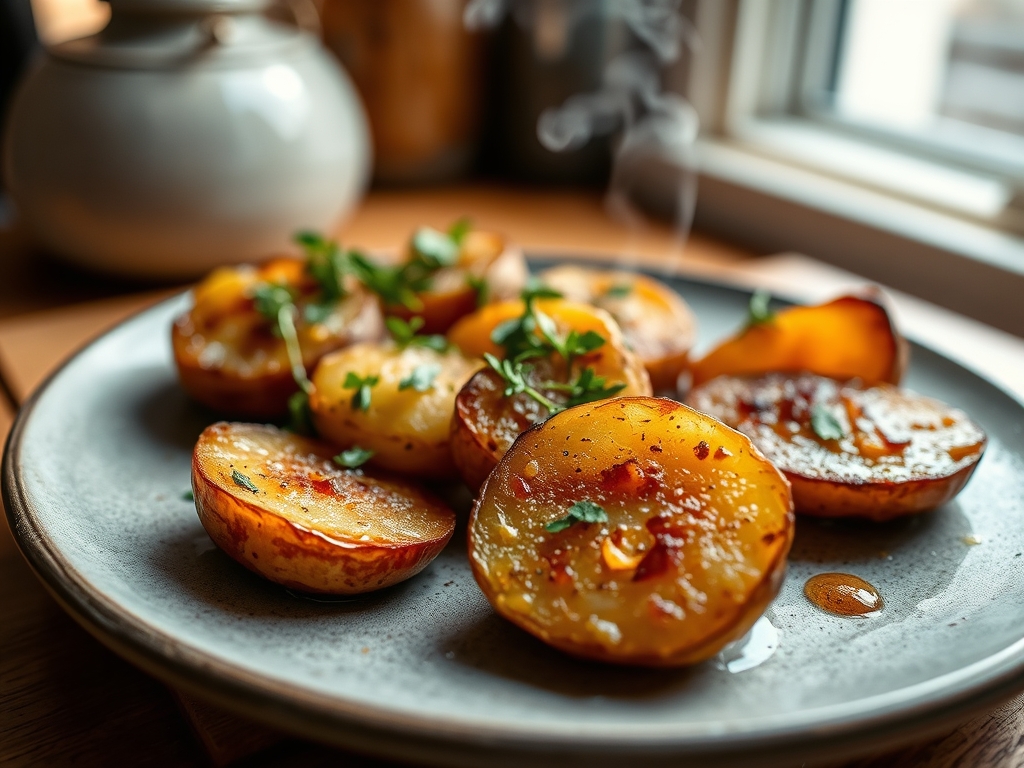
Picture the scene: your kitchen is alive with the hum of laughter, the clinking of glasses, and that unmistakable, golden aroma of roasting starch and butter. When you are hosting a dozen hungry souls, you need easy potato recipes for a crowd that deliver high-impact flavor without chaining you to the stove. Potatoes are the ultimate culinary canvas; they are structurally sound, chemically versatile, and universally adored. Whether we are aiming for a shatteringly crisp exterior or a velvety, cloud-like mash, the secret lies in mastering the moisture content and the starch behavior of our favorite tuber.
We are moving beyond the basic boiled spud today. We are talking about architectural gratins, salt-crusted wonders, and herb-infused gems that utilize the Maillard reaction to its fullest potential. By understanding how heat interacts with the cellular walls of a Yukon Gold or a Russet, we can scale these dishes effortlessly. This guide is your roadmap to becoming the host who serves restaurant-quality sides while still having a cocktail in hand. Let us dive into the chemistry of the perfect potato.
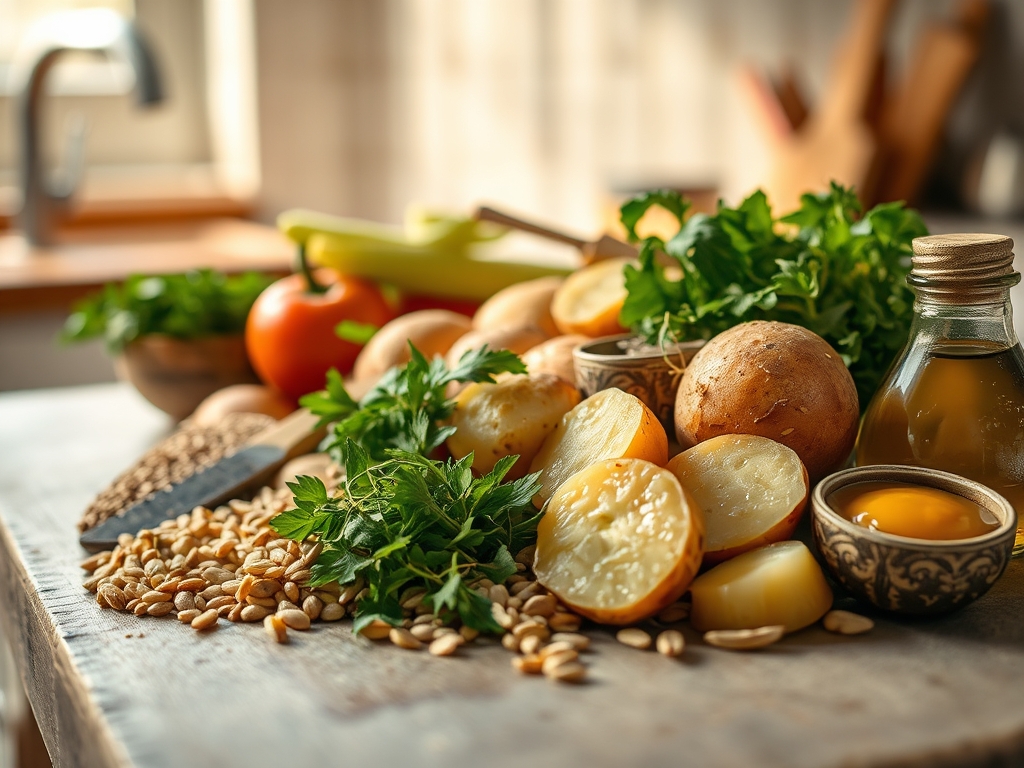
The Gathers:
To execute these easy potato recipes for a crowd, your mise-en-place must be precise. Start with high-starch Russets for fluffiness or waxy Red Bliss for structural integrity. You will need high-quality fats: unsalted European-style butter for its lower water content and a high-smoke-point oil like avocado or grapeseed. Aromatics are non-negotiable; think fresh rosemary sprigs, whole garlic bulbs to be roasted into a paste, and coarse Maldon sea salt for that final textural pop.
Smart Substitutions: If you find yourself without heavy cream for a gratin, a viscous blend of whole milk and a touch of cream cheese can mimic that luxurious mouthfeel. Out of fresh herbs? Use a high-quality dried herbes de Provence, but remember to infuse it into your hot fat first to wake up the volatile oils. For a vegan crowd, swap butter for a neutral oil and use nutritional yeast to add a piquant, cheesy depth that mimics traditional dairy.
The Clock
Efficiency in a busy kitchen is all about "Chef's Flow." This means grouping tasks by temperature and tool. Most of these easy potato recipes for a crowd require a 400 degree Fahrenheit oven. You can roast your smashed potatoes on the top rack while a slow-cooking gratin develops its crust on the bottom. Prep work should take no more than 30 minutes if you use a mandoline for slicing and a bench scraper to clear your station.
The "Flow" dictates that you start with the dishes that have the longest "thermal carryover." A massive tray of mashed potatoes can stay hot for nearly an hour if kept in a sealed vessel, whereas crispy skins need to be served within fifteen minutes of exiting the heat. Plan to have your "wet" dishes finishing first and your "crisp" dishes hitting the table last.
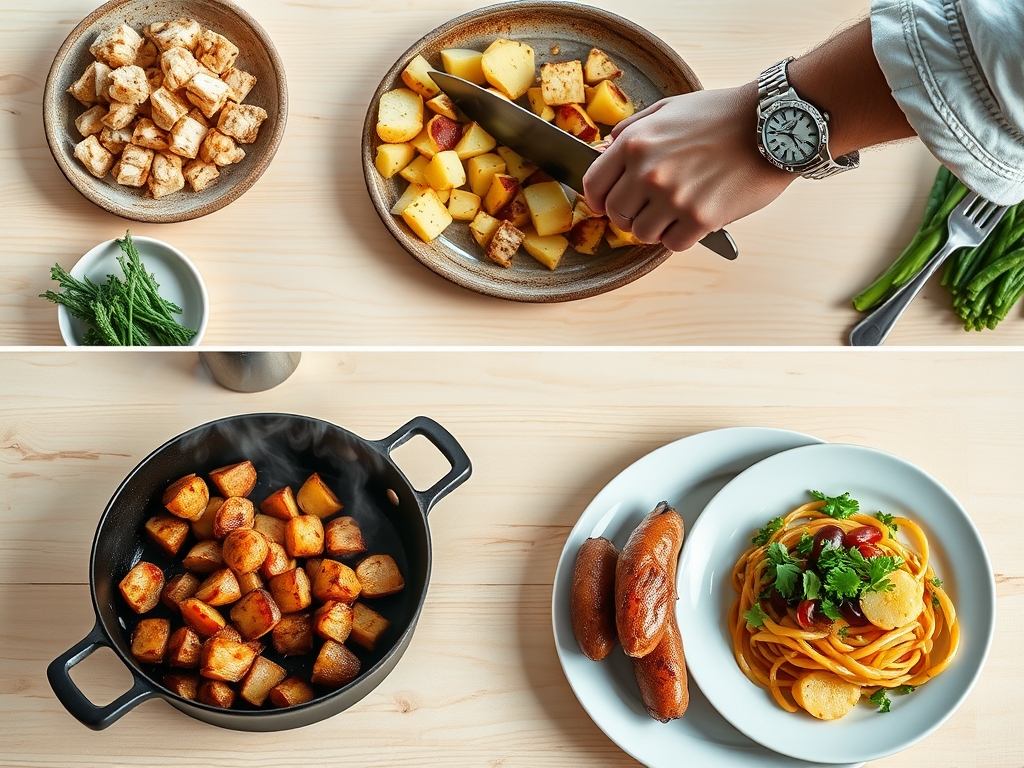
The Masterclass
1. The Ultra-Crisp Smashed Potato
Boil small Yukon Golds in heavily salted water until fork-tender. Drain and let the steam escape; this is crucial for removing surface moisture. Use the bottom of a heavy-bottomed skillet to press them flat, then douse in olive oil and roast at high heat.
Pro Tip: This relies on evaporative cooling. By letting the potatoes steam-dry after boiling, you ensure the oil creates a crisp crust rather than a soggy exterior.
2. The Garlic Infused Mashing
Peel and cube Russets, then simmer them in water seasoned with smashed garlic cloves. Once soft, pass them through a potato ricer for a lump-free texture. Fold in warm cream and butter using a saucier to keep the temperature consistent.
Pro Tip: Always warm your dairy. Adding cold milk to hot potatoes causes the starch molecules to lock up, resulting in a gummy, gluey texture instead of a light aerated mash.
3. The Mandoline Gratin
Slice potatoes to a uniform 1/8th inch thickness. Layer them in a buttered baking dish with a mixture of heavy cream, thyme, and gruyere. The starch from the sliced potatoes will thicken the cream as it bubbles.
Pro Tip: This is an example of starch gelatinization. As the potatoes cook, they release amylose into the cream, creating a self-thickening sauce without the need for a roux.
4. Salt-Crusted Fingerlings
Toss fingerling potatoes in a bowl with egg whites and a generous amount of kosher salt. Roast until the salt forms a hard shell. This traps the moisture inside, essentially steaming the potato in its own skin.
Pro Tip: The egg white acts as a protein binder for the salt. This creates a high-pressure environment that accelerates cooking and intensifies the earthy flavor of the tuber.
5. Lemon-Oregano Greek Wedges
Cut potatoes into thick wedges and toss with lemon juice, chicken stock, and plenty of dried oregano. Roast until the liquid is absorbed and the bottoms are dark brown and caramelized.
Pro Tip: The acidity in the lemon juice slows the breakdown of pectin. This allows the wedges to maintain their sharp edges even after a long roast in liquid.
6. The Hasselback Tray Bake
Score whole potatoes with deep parallel cuts, being careful not to cut all the way through. Brush with rendered duck fat or butter and roast. The slices will fan out, creating maximum surface area for browning.
Pro Tip: This maximizes the Maillard reaction. By increasing the surface area exposed to dry heat, you create more opportunities for amino acids and sugars to react and brown.
7. Herb-Loaded Potato Salad
For a crowd, skip the mayo. Use a vibrant vinaigrette made with Dijon mustard, shallots, and apple cider vinegar. Toss while the potatoes are still warm so they absorb the dressing.
Pro Tip: This is osmosis in action. Warm potatoes have open cellular structures that pull the seasoned dressing into the center of the vegetable rather than just coating the outside.
8. Parmesan Roasted Rounds
Slice potatoes into rounds and coat them in a mixture of melted butter and finely grated parmesan from a microplane. Arrange them in a single layer on a parchment-lined sheet.
Pro Tip: The cheese creates a "frico" or lace-like crust. The proteins in the cheese undergo denaturation and then crisp up, providing a savory, umami-rich crunch.
The Deep Dive
From a nutritional standpoint, potatoes are a powerhouse of potassium and Vitamin C, though their glycemic index varies based on preparation. For dietary swaps, use coconut milk for a vegan gratin or sub in parsnips for a lower-carb "Keto-adjacent" mash.
The Fix-It:
- Gummy Mash: If you overwork the starch, fold in a little more warm liquid and a knob of butter. Do not use a whisk; use a spatula to gently incorporate.
- Burnt Bottoms: If your roasties are sticking, deglaze the pan with a splash of hot water or stock to loosen the fond.
- Underdone Centers: If the outsides are dark but the insides are hard, cover the tray with foil to trap steam and finish the cooking without further browning.
Meal Prep: To reheat, avoid the microwave. Use a 350 degree oven to redistribute heat evenly. For mashed potatoes, add a splash of milk before heating to restore the viscous consistency that was lost as the starch retrograded in the fridge.
The Wrap-Up
Mastering easy potato recipes for a crowd is about more than just filling plates; it is about understanding the beautiful science of the kitchen. When you respect the starch, control the moisture, and embrace the heat, you turn a humble root vegetable into the star of the show. Your guests will notice the difference that a little technical know-how makes. Now, grab your tongs, preheat that oven, and get roasting.
The Kitchen Table
Can I prep potatoes ahead of time?
Yes. Peel and cut your potatoes up to 24 hours in advance. Store them completely submerged in cold water in the refrigerator to prevent enzymatic browning. Drain and pat them dry thoroughly before roasting or boiling.
Why are my roasted potatoes soggy?
Soggy potatoes usually result from overcrowding the pan or excess moisture. Ensure your potatoes are dry before oiling. Use a large sheet pan so steam can escape; if they are too close, they will steam instead of crisping.
What is the best potato for mashing?
Russets or Yukon Golds are ideal. Russets have a high starch content that produces a light, fluffy texture. Yukon Golds offer a creamy, buttery flavor and a denser, velvety mouthfeel. Avoid waxy red potatoes for traditional smooth mashes.
How do I keep potatoes warm for a crowd?
Store mashed potatoes in a slow cooker on the "warm" setting. For roasted potatoes, keep them in a single layer in a low oven (200 degrees) with the door slightly ajar to maintain their crispy exterior texture.