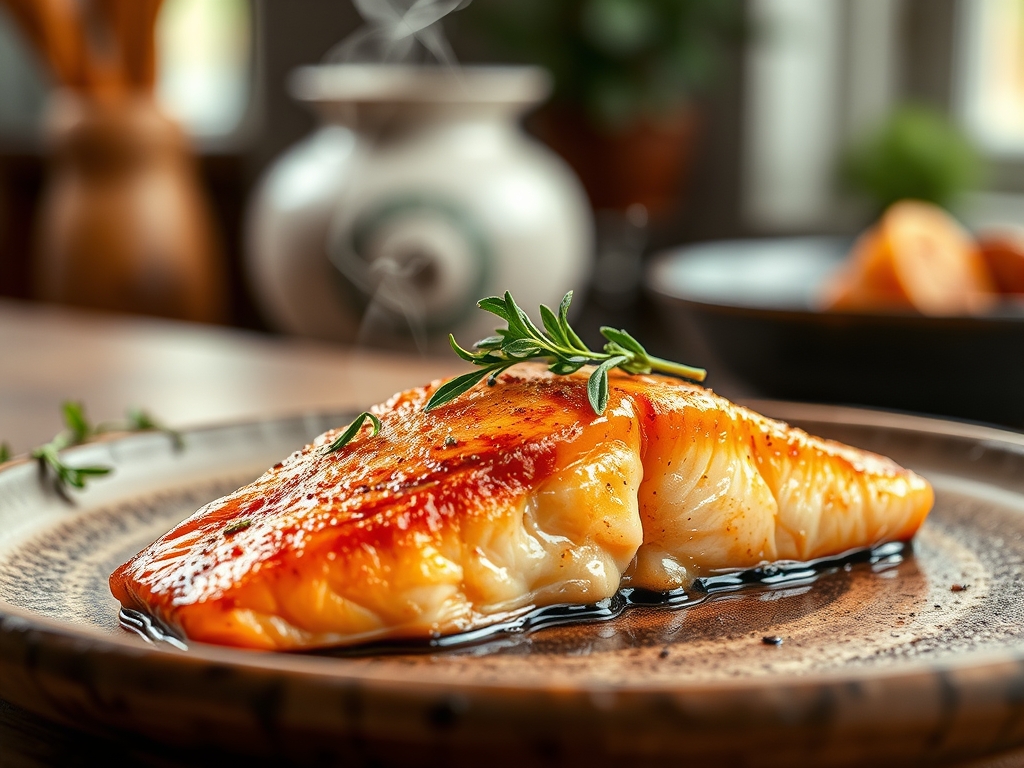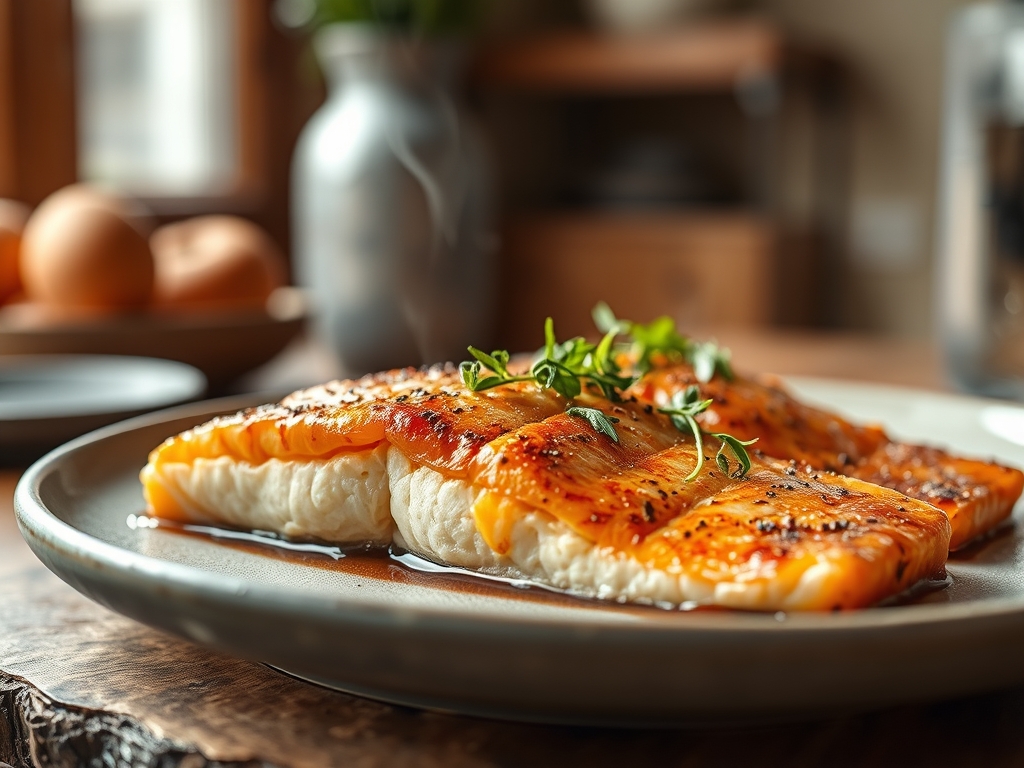
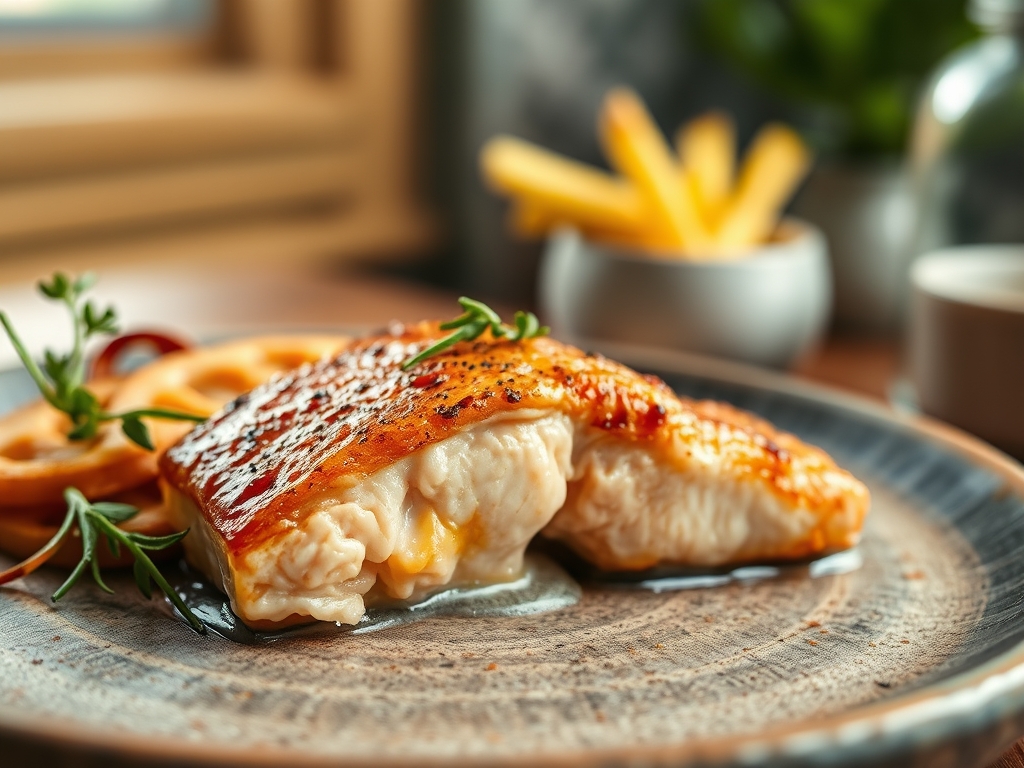
Imagine the sound of a heavy convection oven door clicking shut; followed by the faint, rhythmic sizzle of fat rendering into a silken pool. Your kitchen is currently a laboratory of aromatics, where the scent of lemon zest and cold-pressed olive oil dances in the air. We have all been there: staring down a piece of fish that looks more like a dry cedar plank than a gourmet meal. Mastering moist baked salmon recipes is not just about luck; it is a precise exercise in thermodynamics and protein chemistry. When you pull that tray out, the flesh should yield to a fork with zero resistance, revealing translucent, buttery flakes that practically melt upon contact with your tongue. We are moving past the days of chalky, overcooked fillets. Today, we are treating salmon with the reverence it deserves, using professional techniques to lock in every drop of intracellular moisture. By the end of this guide, your oven will become a sanctuary for the most tender, succulent fish you have ever tasted.
The Gathers:
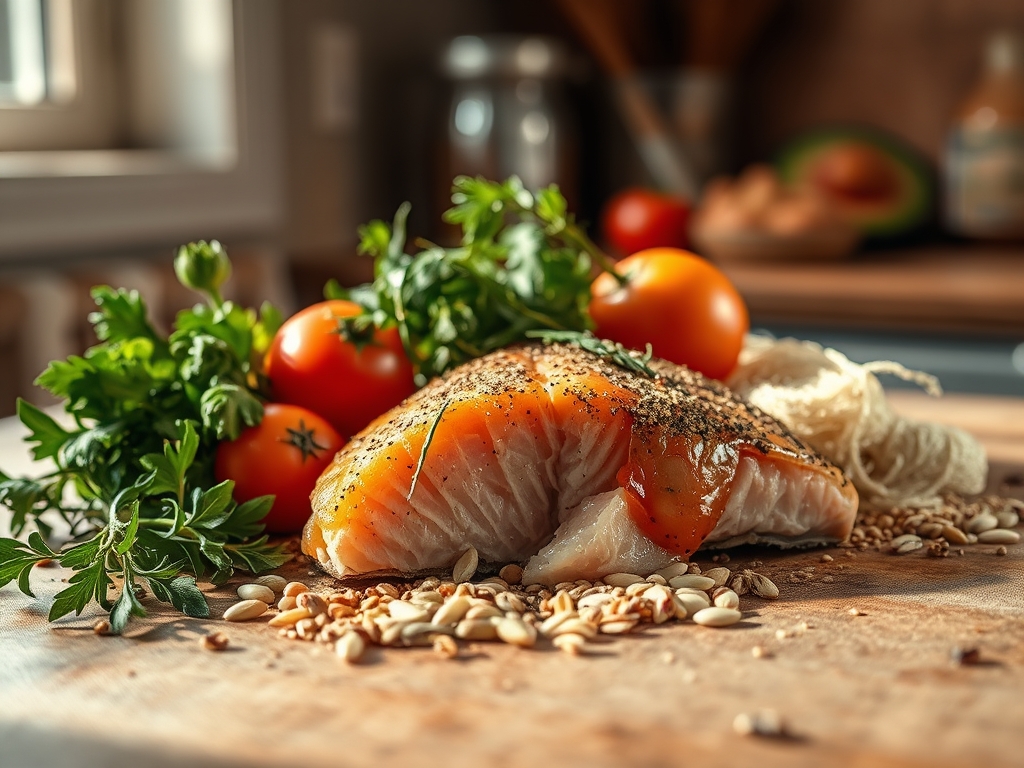
To execute this flawlessly, your mise-en-place must be clinical. Start with high-quality Atlantic or King salmon; look for vibrant color and a firm, viscous texture. You will need a microplane for citrus, a digital scale to ensure uniform portioning, and a heavy-bottomed baking sheet to provide consistent heat distribution.
The ingredient list includes:
- Center-cut Salmon Fillets: These provide the most uniform thickness for even cooking.
- Emulsified Fat Source: A blend of unsalted butter and extra virgin olive oil.
- Acidic Brighteners: Fresh lemon juice and a splash of dry white wine to deglaze the palate.
- Aromatics: Fresh dill, minced garlic, and flaky sea salt.
- The Glaze: A touch of honey or maple syrup to encourage the Maillard reaction.
Smart Substitutions: If you are avoiding dairy, swap the butter for an avocado oil-based mayonnaise; the high fat content creates a protective barrier that mimics the mouthfeel of butter. For a piquant twist, replace lemon with yuzu or lime to alter the acidity profile without losing the chemical "brightening" effect.
The Clock
The "Chef's Flow" is all about managing the transition from cold storage to the plate. Total active prep time is exactly 10 minutes; this includes scaling your fish and whisking your marinade. The cooking window is narrow: usually 12 to 15 minutes depending on the thickness of the cut. However, the most critical phase is the 5-minute rest. This allows the residual heat to finish the job without tightening the muscle fibers. Total time from fridge to fork is roughly 30 minutes.
The Masterclass
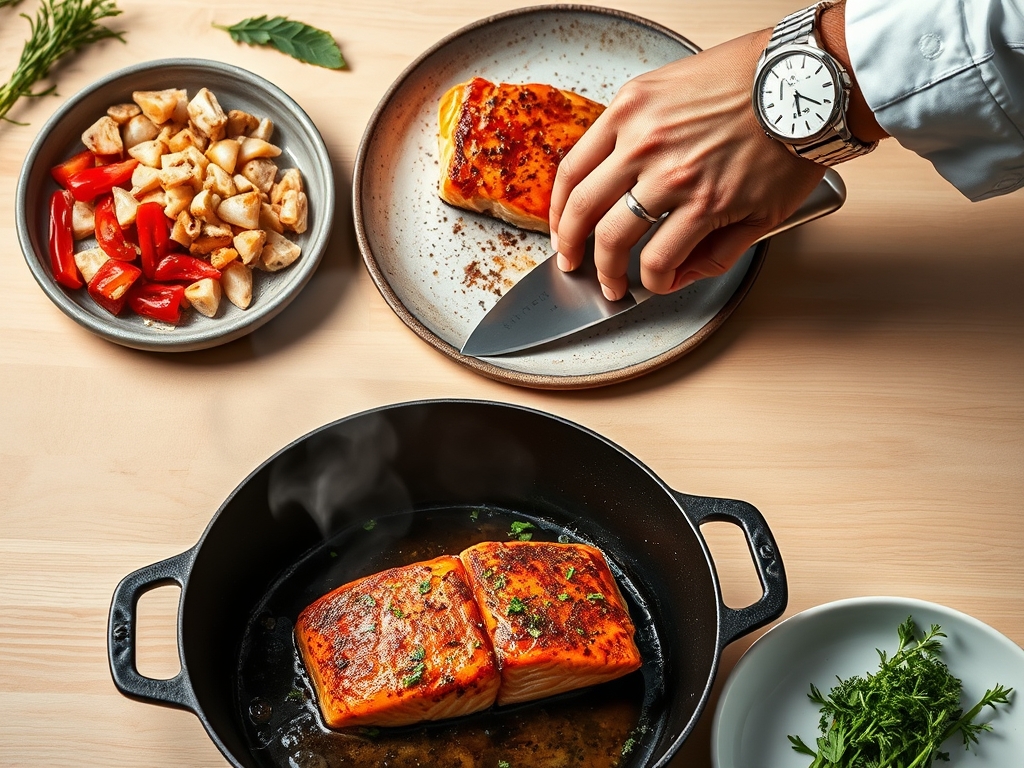
1. Temper the Protein
Before the fish ever touches the pan, let it sit at room temperature for 15 minutes. Cold salmon hitting a hot oven causes the proteins to contract violently, squeezing out moisture.
Pro Tip: This reduces the temperature gradient between the center and the exterior, ensuring the edges do not dry out before the middle is safe to eat.
2. The Desiccated Surface
Use a paper towel to pat the skin and flesh completely dry. Any surface moisture will turn to steam, preventing the fat from properly searing the exterior.
Pro Tip: A dry surface allows for better adhesion of your oils and spices, creating a micro-crust that seals in juices.
3. Emulsify the Marinade
In a small saucier, whisk your fats and acids until they are fully emulsified. A stable emulsion ensures that the flavor stays on the fish rather than sliding off onto the parchment paper.
Pro Tip: Adding a teaspoon of Dijon mustard acts as a natural emulsifier, linking the water-based lemon juice with the oil.
4. Precision Seasoning
Use your digital scale to measure salt precisely; 1% of the weight of the fish is the golden ratio. Apply the salt from a height to ensure even distribution across the entire surface.
Pro Tip: Salt facilitates denaturation, which allows the protein strands to hold onto more water during the heating process.
5. The Low and Slow Approach
Set your oven to 325 degrees Fahrenheit rather than a standard 400. High heat causes the "white stuff" (albumin) to leak out, which is a sign of stressed, dry meat.
Pro Tip: Gentle heat prevents the rapid coagulation of proteins, keeping the texture soft and luxurious.
6. The Foil Tent Technique
Loosely wrap your baking sheet with foil, leaving enough space for air to aerate around the fish. This creates a pressurized steam chamber.
Pro Tip: This method uses conduction and convection simultaneously to cook the fish in its own flavorful vapors.
7. Monitor Internal Temperature
Use a digital probe thermometer to pull the fish when it hits 130 degrees Fahrenheit. Do not wait for 145 degrees in the oven.
Pro Tip: Thermal carryover will raise the internal temperature by another 5 to 7 degrees while the fish rests on the counter.
8. The Butter Baste
Once removed from the oven, use a spoon to pour the hot pan juices back over the fillets. This is known as infusing the crust with concentrated flavor.
Pro Tip: This adds a final layer of fat that enhances the palatability and glossiness of the dish.
9. The Five-Minute Rest
Never cut into the salmon immediately. Transfer the fillets to a warm plate using tongs and wait.
Pro Tip: Resting allows the cell walls to reabsorb the juices that were pushed to the surface during cooking; ensuring every bite is dripping with moisture.
The Deep Dive
Macro Nutrition: Salmon is a powerhouse of Omega-3 fatty acids, specifically EPA and DHA. A standard 6-ounce serving provides roughly 34 grams of high-quality protein and zero carbohydrates; making it a staple for metabolic health.
Dietary Swaps: For a Vegan alternative, use this same baking method with thick slices of "King Trumpet" mushrooms or marinated firm tofu. For Keto enthusiasts, double the butter and add a crushed macadamia nut crust for extra healthy fats.
The Fix-It:
- Problem: The white "goo" (albumin) is everywhere. Fix: You overcooked it or used too much heat. Next time, brine the fish in salt water for 10 minutes before baking to minimize albumin release.
- Problem: The skin is soggy. Fix: Start the salmon skin-side down in a heavy-bottomed skillet for 2 minutes on the stove before moving the whole pan to the oven.
- Problem: The flavor is flat. Fix: You need more acid. Use a bench scraper to gather fresh herbs and finish with a squeeze of fresh lemon right before serving.
Meal Prep: To reheat without drying it out, avoid the microwave. Place the salmon in a covered dish with a tablespoon of water and heat in a 275-degree oven for 8 minutes. This re-introduces steam to the fibers.
The Wrap-Up
Creating the perfect salmon is a beautiful marriage of art and physics. When you focus on the details; like tempering the meat and respecting the resting period; you elevate a simple weeknight dinner into a five-star experience. You have the tools, the science, and the professional "Pro Tips" to ensure your kitchen produces nothing but culinary gold. Now, grab your microplane, find the freshest catch available, and go make some magic happen. Your taste buds will thank you for the effort.
The Kitchen Table
How do I know when baked salmon is done?
Salmon is done when the internal temperature reaches 130 to 135 degrees Fahrenheit. The flesh should be opaque and flake easily when pressed with a fork, yet still remain slightly translucent in the very center of the thickest part.
Why is my salmon dry even when I follow the recipe?
Dryness usually stems from skipping the resting phase or using high heat. Even a few minutes of overcooking at 400 degrees can cause proteins to tighten and expel moisture. Always use a digital thermometer for precision.
Can I bake salmon from frozen?
It is possible, but not recommended for maximum moisture. Frozen salmon often releases excess water, leading to a "steamed" rather than "baked" texture. For the best results, thaw the fish slowly in the refrigerator overnight before cooking.
What is the white stuff on my salmon?
That white substance is called albumin. It is a harmless protein that pushes to the surface when the fish is cooked too quickly or at too high a temperature. Brining and lower temperatures can significantly reduce its appearance.