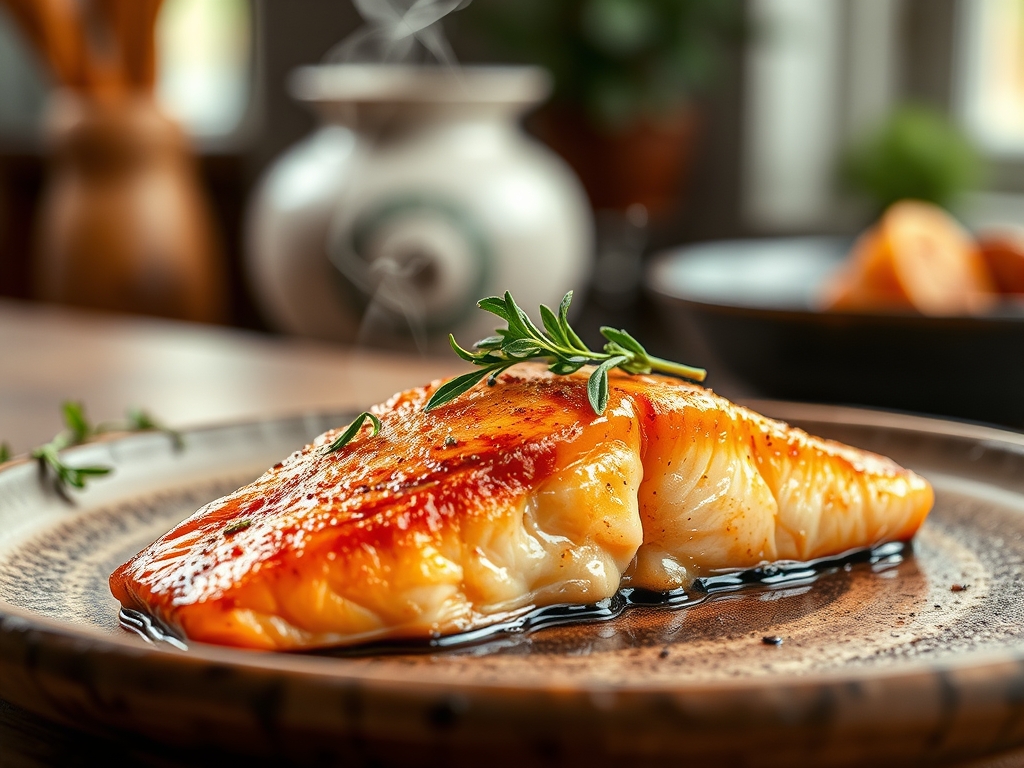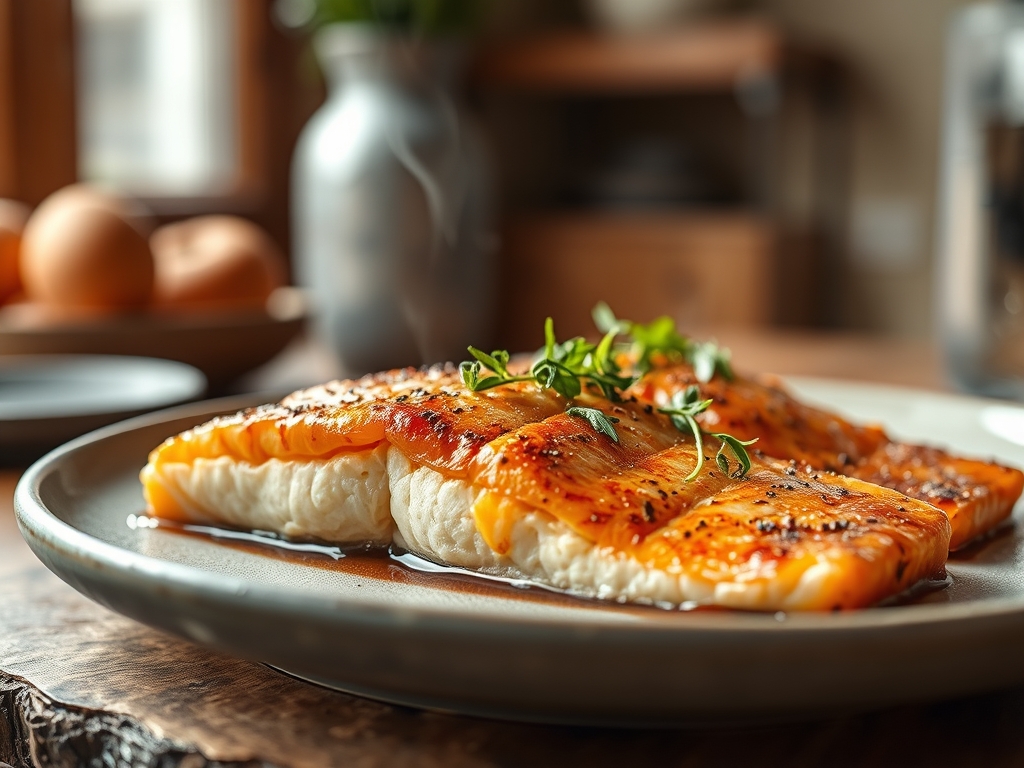
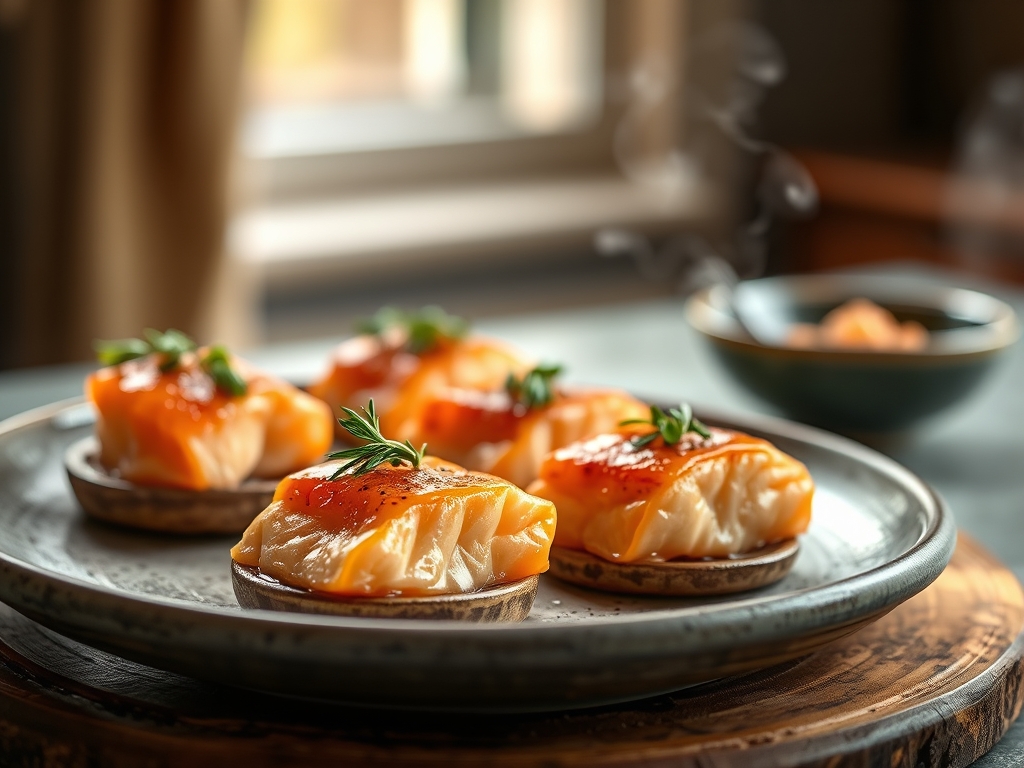
Imagine the sharp, metallic snap of a pull-tab followed by the heady, briny aroma of the Pacific. You are standing in your kitchen with a pantry staple that is secretly a culinary shapeshifter. When you master canned salmon recipes appetizers, you are not just opening a tin; you are unlocking a world of high-protein, omega-3 rich elegance that rivals any raw bar. We are talking about transforming humble flakes into crispy, golden croquettes and velvety mousses that shatter every "canned food" stereotype with a single, piquant bite.
The Gathers:
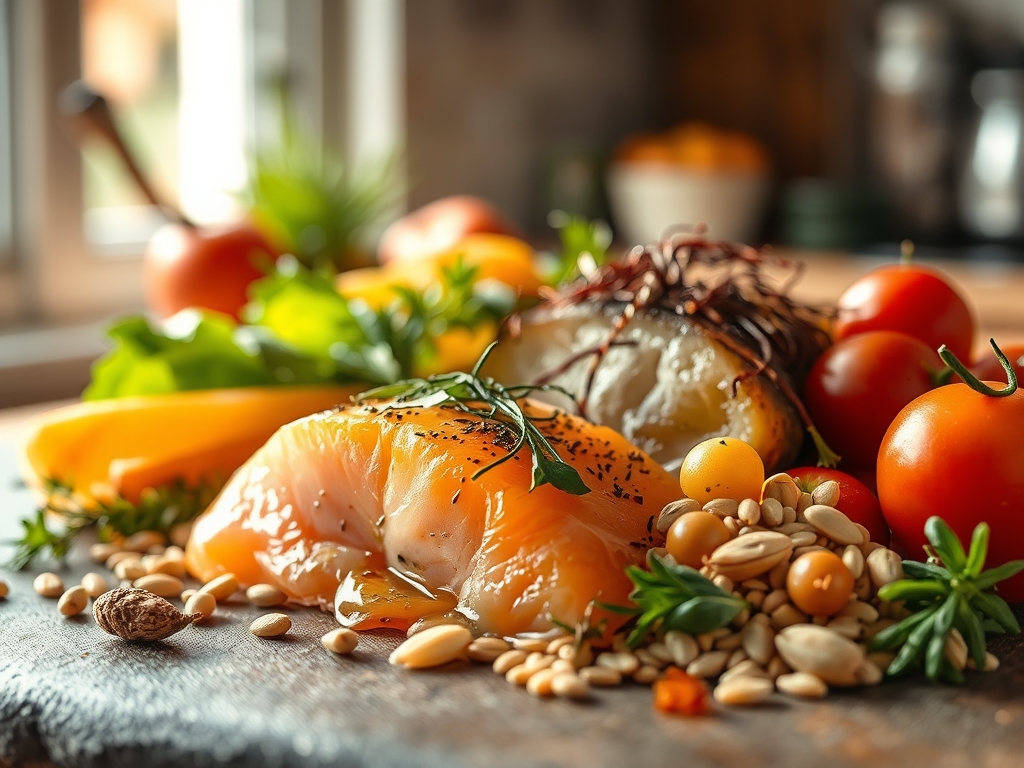
To execute these eight masterpieces, your mise-en-place must be precise. Start with wild-caught pink or sockeye salmon. Look for "traditional pack" if you want the calcium-rich bones, which soften into a viscous paste when mashed, or "skinless/boneless" for a cleaner aesthetic. You will need a microplane for zesting citrus and grating garlic into a fine paste to ensure even distribution of aromatics.
The supporting cast includes panko breadcrumbs for structural integrity, Greek yogurt for a tangy moisture profile, and fresh dill to provide a verdant contrast to the rich lipids. For your Smart Substitutions, swap heavy cream for coconut cream to maintain a luxurious mouthfeel while going dairy-free. If you lack panko, crushed pork rinds offer a keto-friendly crunch that mimics the aerated texture of traditional breading. Always have a digital scale nearby; measuring salmon by weight rather than volume ensures your binder-to-protein ratio is perfect every time.
The Clock
Efficiency in the kitchen is about the Chef's Flow. This is the art of overlapping tasks so that no second is wasted. Total active prep time for these appetizers is approximately 25 minutes, with cook times varying from zero (for chilled dips) to 12 minutes (for pan-seared cakes).
Start by draining your salmon in a fine-mesh sieve for at least five minutes. While gravity does the work, use your bench scraper to dice aromatics. This prevents the "onion-tear" delay by moving quickly. If you are baking, preheat your oven to 425 degrees Fahrenheit. High heat is non-negotiable for achieving a crisp exterior before the delicate interior overcooks. If you are frying, allow your heavy-bottomed skillet to reach the shimmering point. This thermal energy is the difference between a soggy fritter and a professional-grade appetizer.
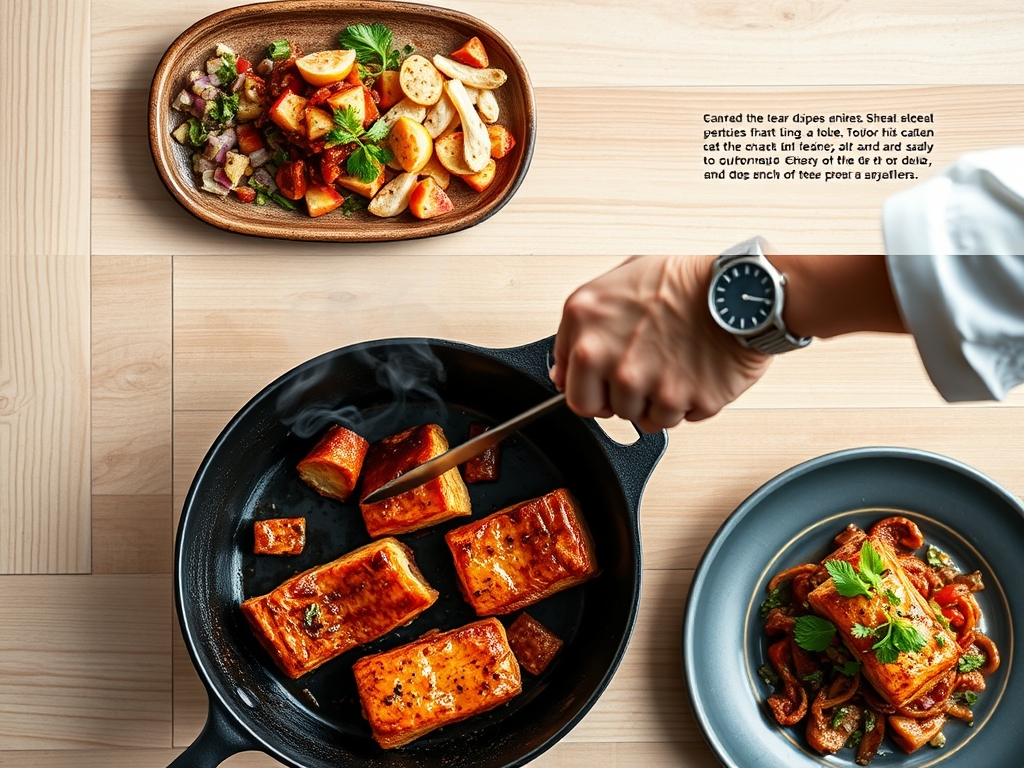
The Masterclass
1. The Crispy Salmon Croquette
Flake the salmon into a bowl and fold in Dijon mustard, egg, and minced shallots. Form into small discs and dredge in panko. Sear in a saucier or skillet with neutral oil.
Pro Tip: This relies on the Maillard reaction. The amino acids and sugars in the breadcrumbs undergo a chemical transformation at 285 degrees Fahrenheit, creating the complex, savory flavors and golden-brown crust.
2. Smoked Salmon Style Mousse
Blend salmon with cream cheese, lemon juice, and capers until the mixture is viscous and smooth. Pipe onto cucumber rounds using a star tip.
Pro Tip: Use a high-speed blender to aerate the fats. Incorporating tiny air bubbles creates a lighter-than-air texture that prevents the appetizer from feeling too heavy on the palate.
3. Spicy Salmon Nori Wraps
Mix salmon with sriracha mayo and wrap in small squares of toasted seaweed. Top with toasted sesame seeds.
Pro Tip: Seaweed is highly hygroscopic, meaning it absorbs moisture from the air and the fish. Assemble these seconds before serving to maintain the "snap" of the nori.
4. Salmon and Boursin Stuffed Mushrooms
Remove stems from cremini mushrooms and fill with a mixture of salmon and herbed cheese. Bake until the mushrooms render their moisture.
Pro Tip: Mushrooms contain a high percentage of water. Pre-roasting the empty caps for five minutes prevents the final dish from becoming "weepy" or waterlogged on the plate.
5. Zesty Salmon Tartlets
Fill pre-baked phyllo shells with a mixture of salmon, Greek yogurt, and fresh chives. Finish with a dusting of smoked paprika.
Pro Tip: To keep the shells crisp, brush the inside with a thin layer of melted butter before filling. This creates a lipid barrier that prevents moisture migration from the salmon mixture.
6. Salmon Ceviche-Style Tostadas
Toss salmon with lime juice, red onion, and cilantro. Serve on mini corn tortilla chips with a slice of avocado.
Pro Tip: Even though the salmon is "cooked" by canning, the citric acid in the lime juice will denature any remaining loose proteins, tightening the texture for a firmer, fresher bite.
7. Everything Bagel Salmon Balls
Roll a mixture of salmon and cream cheese into spheres and coat in everything bagel seasoning. Serve with pretzel sticks.
Pro Tip: Chill the mixture for 30 minutes before rolling. This allows the proteins to hydrate and the fats to solidify, making the "ball" structurally sound and easier to handle.
8. Salmon and Potato Latkes
Grate potatoes and squeeze out all liquid. Mix with salmon and fry until the edges are lacy and brown.
Pro Tip: Use a digital scale to ensure each latke is the same weight. This ensures uniform heat distribution so every piece reaches the safe internal temperature simultaneously.
The Deep Dive
From a macro perspective, canned salmon is a powerhouse. A standard 5-ounce serving provides roughly 25 grams of protein and a significant dose of Vitamin D. For those following a Keto lifestyle, these recipes are naturally low-carb; just ensure your binders are almond-flour based. Vegan guests can be accommodated by swapping the salmon for mashed chickpeas seasoned with dulse flakes to mimic the briny, oceanic profile.
The Fix-It: Common Pitfalls
- The Soggy Bottom: If your cakes are falling apart, your salmon was too wet. Use a clean kitchen towel to squeeze the salmon dry before mixing.
- The Bland Bite: Canned fish requires aggressive seasoning. Increase your acid (lemon or vinegar) to "lift" the heavy oils of the fish.
- The Sticky Situation: If cakes stick to the pan, you likely tried to flip them too early. Wait for the protein to naturally release from the metal surface once the crust has formed.
Meal Prep Science: To reheat leftover croquettes, avoid the microwave. The waves agitate water molecules, steaming the crust from the inside out. Instead, use a toaster oven at 350 degrees Fahrenheit. This utilizes convection to dry the exterior while gently warming the fats within, restoring that day-one crunch.
The Wrap-Up
Mastering canned salmon recipes appetizers is about more than just convenience; it is about culinary intelligence. By understanding the chemistry of binders, the physics of heat transfer, and the importance of moisture control, you turn a shelf-stable ingredient into a gourmet experience. Whether you are hosting a high-energy cocktail hour or a quiet dinner, these bites prove that sophisticated flavor is always within reach. Grab your microplane, pop a tin, and let the transformation begin.
The Kitchen Table
Can I use pink salmon instead of sockeye?
Yes. Pink salmon is milder and softer, making it ideal for mousses and spreads. Sockeye has a firmer texture and deeper color, which holds up better in pan-seared cakes or salads where structure is key.
How do I stop my salmon cakes from falling apart?
Ensure you squeeze all excess liquid from the fish before mixing. Use a binder like egg or mayo, and let the formed patties chill in the fridge for 20 minutes to allow the proteins to set before cooking.
Is it safe to eat the bones in canned salmon?
Absolutely. The canning process uses high-pressure steam which softens the bones until they are easily mashable with a fork. They are an excellent source of calcium and disappear completely when mixed into your appetizer recipes.
How long does canned salmon stay fresh after opening?
Once opened, transfer the salmon to an airtight glass container and refrigerate immediately. It will maintain its peak flavor and safety for up to three days. Never store opened canned goods in the original tin.