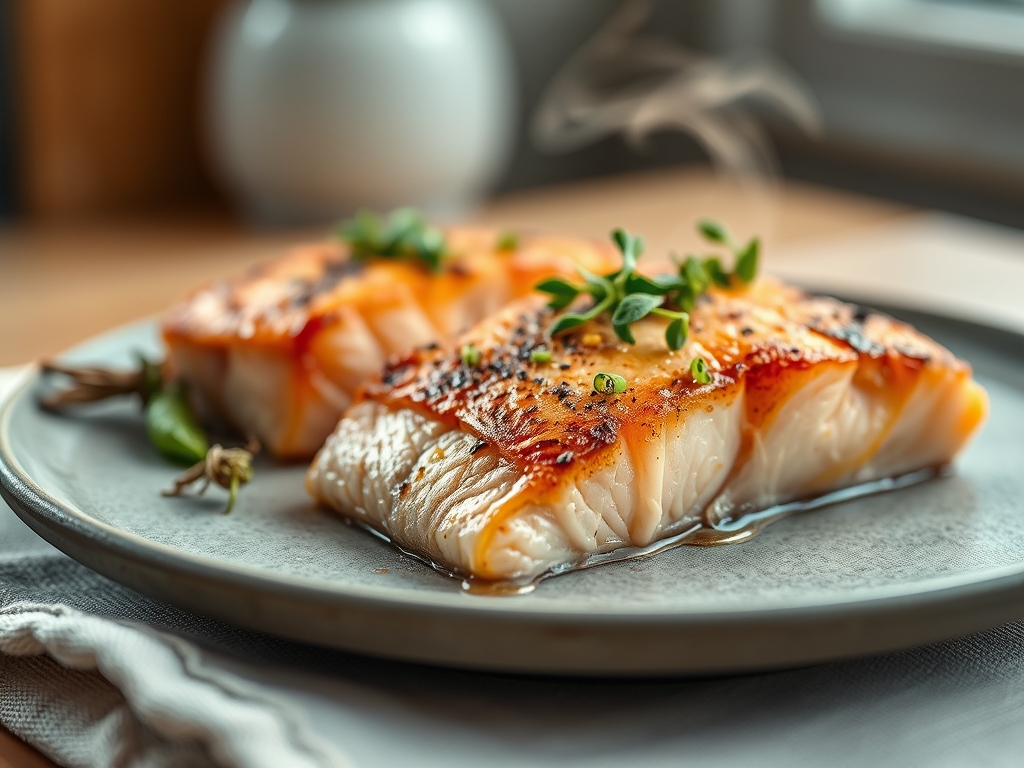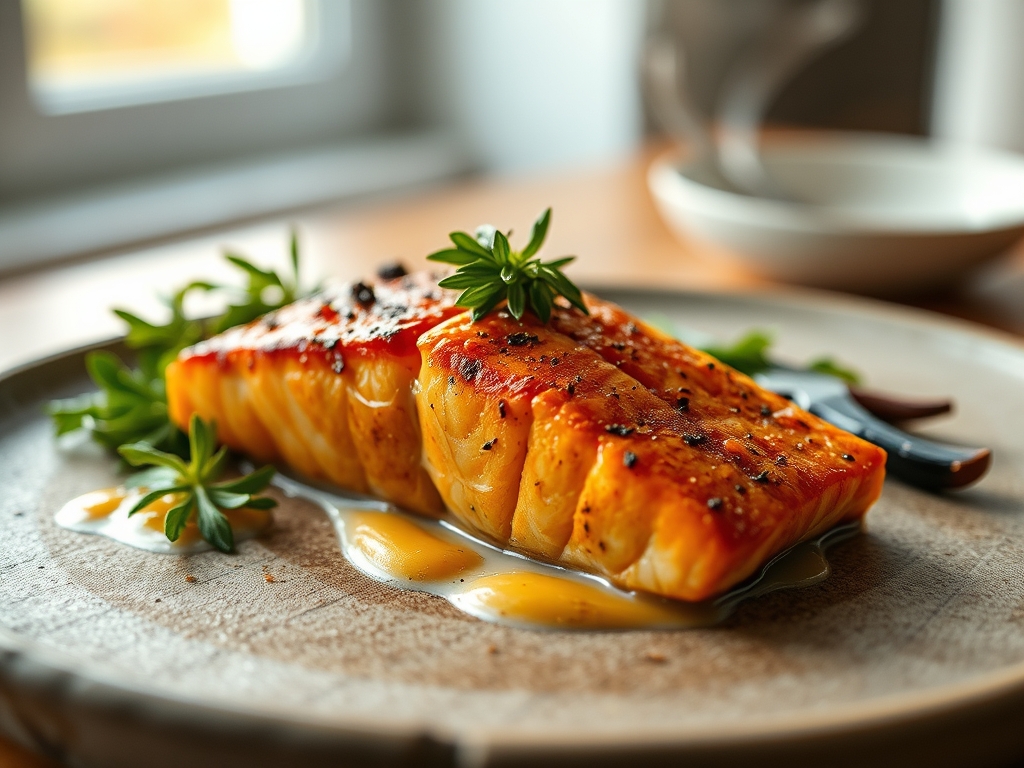
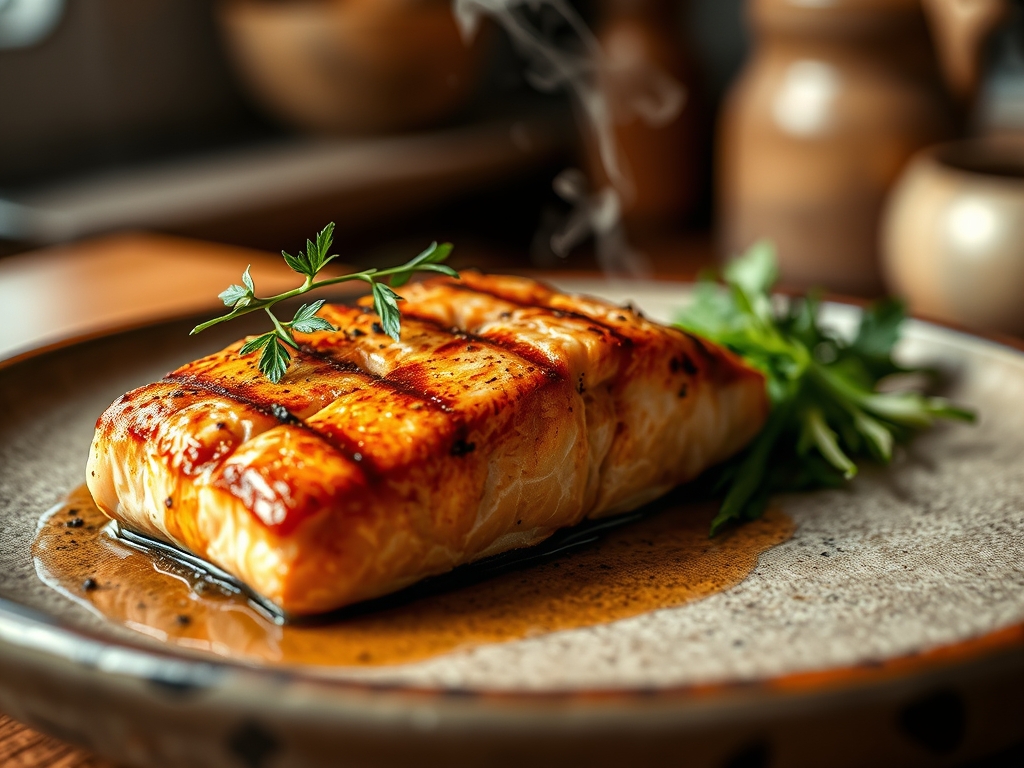
Picture this: a humid summer evening where the air smells like charcoal and sea salt. You are standing over a grate, heart racing, wondering if that expensive fillet is about to become one with the metal bars. We have all been there. The secret to mastering fresh grilled salmon recipes is not just about heat; it is about managing the delicate protein structure of the fish while coaxing out the deepest flavors possible. Salmon is a fatty, cold-water marvel that demands respect for its intramuscular lipids. When done right, the skin transforms into a glass-like crackle while the interior remains a translucent, buttery pink. This is not just dinner; it is a masterclass in moisture retention and heat transfer. We are going to move past the basic lemon-and-herb routine and dive into the molecular mechanics that make a piece of fish truly legendary. Whether you are aiming for a piquant glaze or a simple, salt-forward crust, the goal is to achieve that perfect balance of smoke and silk. Let us get your apron on and your tongs ready.
The Gathers:
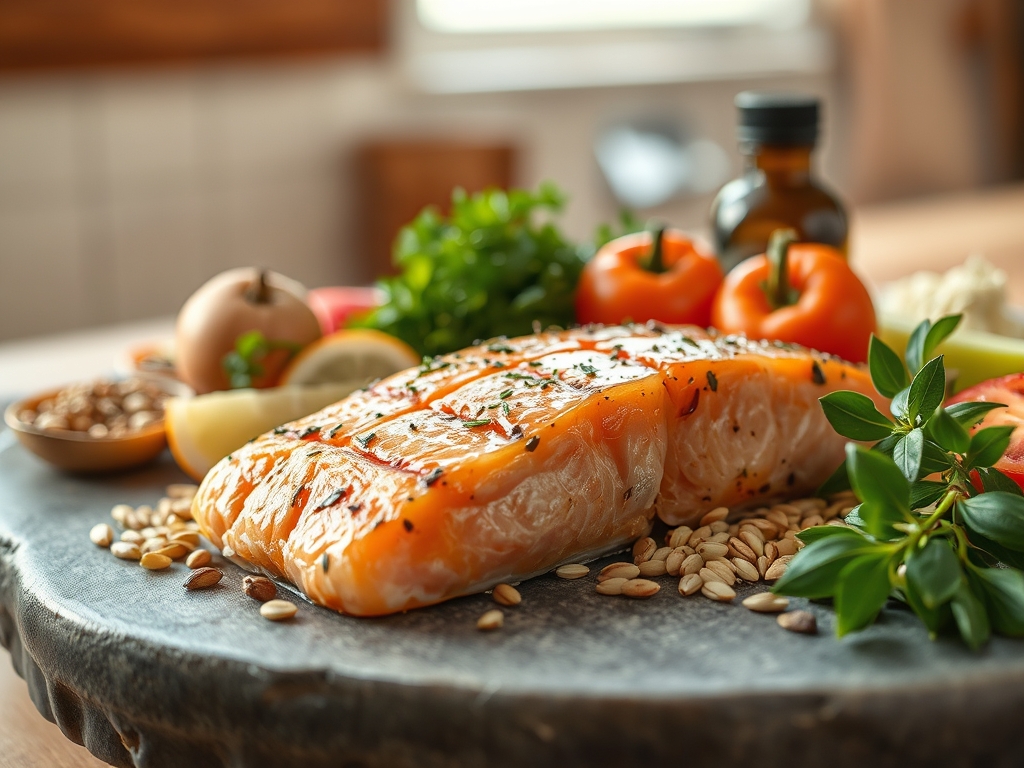
To execute these fresh grilled salmon recipes with precision, your mise-en-place must be flawless. Start with a center-cut fillet, preferably King or Sockeye, as these varieties have a higher fat content that stands up to the aggressive heat of a grill. You will need a high-smoke-point oil like avocado or grapeseed; avoid extra virgin olive oil here as it will smoke and turn bitter at searing temperatures. Gather your aromatics: fresh dill, flat-leaf parsley, and a microplane for zesting citrus. For the seasoning, use coarse kosher salt to help draw out surface moisture, which is the enemy of a good sear.
Smart Substitutions: If you cannot find fresh salmon, look for high-quality frozen fillets that were flash-frozen at sea. This preserves the cellular structure. If you are avoiding citrus, a splash of white balsamic vinegar provides the necessary acidity to cut through the rich fats. Instead of butter, use a viscous walnut oil to add a nutty depth that complements the wood smoke.
The Clock:
The "Chef's Flow" is all about timing and temperature. Your preparation takes approximately 15 minutes, mostly focused on bringing the fish to room temperature. This is vital; cold fish hitting a hot grill causes the muscle fibers to seize, resulting in a tough texture. The actual cook time is remarkably fast, usually between 8 to 12 minutes depending on thickness.
Plan for a 5-minute resting period. This is not optional. During this time, thermal carryover continues to cook the center of the fish while the juices redistribute. If you cut into it immediately, the moisture will leak out onto the plate, leaving you with a dry fillet. Total time from fridge to table is roughly 30 minutes, making this the ultimate weeknight luxury.
The Masterclass:
1. The Desiccation Phase
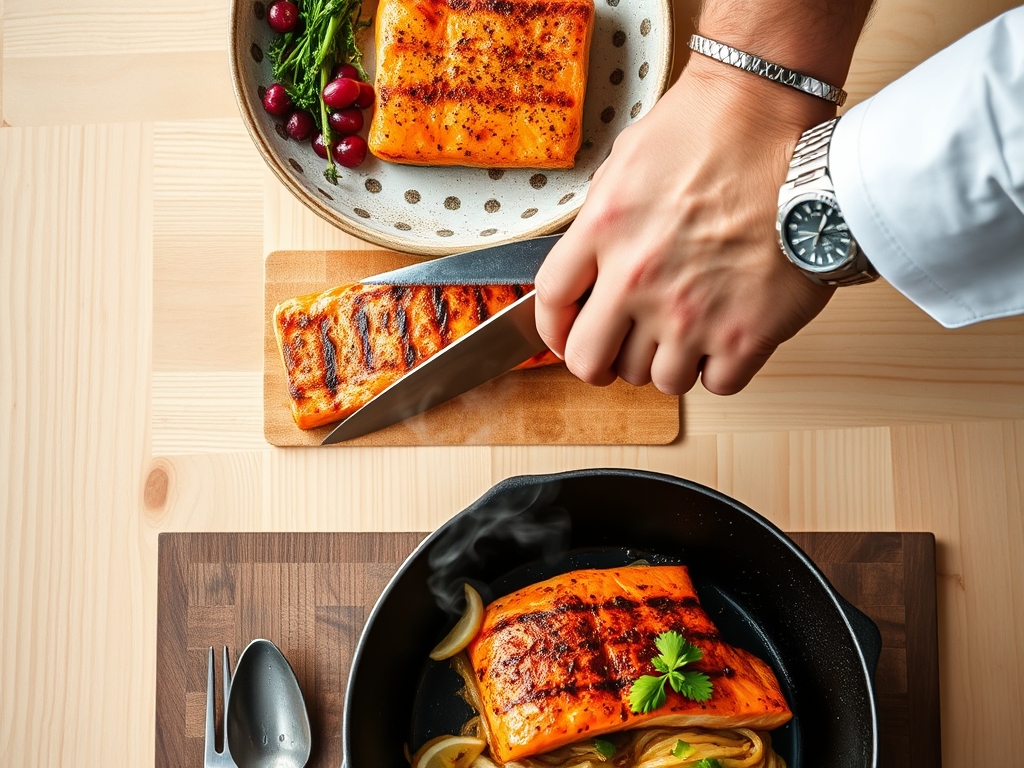
Pat the salmon skin bone-dry with paper towels. Use a bench scraper to gently press out any excess water from the flesh side. Moisture on the surface creates steam, which prevents the Maillard reaction from occurring.
Pro Tip: This is known as surface tension reduction. Removing moisture allows the heat to immediately begin the browning process rather than wasting energy evaporating water.
2. The Oil Barrier
Lightly coat the fish with oil, then season generously. Do not season too early, as salt is a desiccant and will draw internal moisture to the surface if left for more than 10 minutes before cooking.
Pro Tip: Oil acts as a heat conductor. It fills the microscopic gaps between the fish and the grill grate, ensuring even heat distribution and preventing sticking.
3. The Heat Calibration
Ensure your grill is screaming hot. You should only be able to hold your hand over the grate for two seconds. Clean the grates with a wire brush and oil them using a folded paper towel held by tongs.
Pro Tip: Preheating the metal ensures that the proteins in the fish denature instantly upon contact, creating a non-stick "sear" rather than bonding to the cold metal.
4. The Skin-Down Start
Place the salmon skin-side down first. Press down gently with a flexible spatula for the first 30 seconds to prevent the skin from curling as the collagen fibers contract.
Pro Tip: The skin acts as a thermal shield. It protects the delicate flesh from the direct flame while the fat underneath renders, essentially frying the skin in its own oil.
5. The Flip Strategy
Only flip the salmon once it releases naturally from the grate. If it sticks, it is not ready. Use a wide spatula to support the entire fillet during the transition.
Pro Tip: This is the "release point." When the proteins have sufficiently coagulated and browned, they lose their adhesive grip on the cooking surface.
6. The Internal Check
Use a digital thermometer to check for an internal temperature of 125 degrees Fahrenheit for medium-rare. The fish should feel firm but have a slight give when pressed.
Pro Tip: This accounts for thermal carryover. The temperature will rise by another 5 degrees while resting, landing you at a perfect 130 degrees.
7. The Acid Infusion
Once off the grill, immediately hit the salmon with fresh lemon juice or a light vinaigrette. The heat of the fish will help the acid infuse into the top layers of the meat.
Pro Tip: Acidity breaks down the heavy fat molecules on the palate, making the flavor profile feel lighter and more vibrant.
8. The Resting Ritual
Transfer the salmon to a warm plate and tent loosely with foil. Do not wrap it tightly, or the steam will soften that crispy skin you worked so hard for.
Pro Tip: Resting allows the protein filaments to relax and reabsorb the moisture that was pushed toward the center during the high-heat phase.
9. The Glaze Application
If you are using a sugary glaze, apply it only in the last two minutes of cooking. Use a saucier to keep your glaze warm before brushing it on.
Pro Tip: Sugars undergo pyrolysis (burning) at high temperatures. Applying them late allows for caramelization without the bitter carbonization of burnt sugar.
10. The Final Garnish
Finish with flaky sea salt and fresh herbs. The salt provides a textural contrast to the soft fish, while the herbs provide a volatile aromatic lift.
Pro Tip: Flaky salt has a larger surface area, providing "pops" of flavor that stimulate the salivary glands and enhance the perception of sweetness in the fish.
The Deep Dive:
From a nutritional standpoint, salmon is a powerhouse. A standard 6-ounce serving provides roughly 34 grams of high-quality protein and is loaded with Omega-3 fatty acids, which are essential for brain health and reducing inflammation.
Dietary Swaps: For a Keto version, serve with a dollop of compound herb butter to increase the healthy fat ratio. For a Vegan alternative, this grilling technique works surprisingly well with "Lion's Mane" mushroom steaks or thick-cut cauliflower, though you will need to adjust the cook time. For Gluten-Free needs, ensure your glazes use tamari instead of soy sauce.
The Fix-It:
- White Gunk (Albumin): If you see white stuff oozing out, the heat is too high. This is just protein being squeezed out like a sponge. Reduce heat or pull the fish sooner.
- Sticking: If the fish won't budge, do not force it. Close the lid for 30 seconds to let the skin crisp further; it will eventually release itself.
- Dryness: If you overcook it, flake the salmon and fold it into a creamy pasta sauce or a salad with a viscous dressing to restore the mouthfeel.
Meal Prep: To reheat without turning the fish into rubber, use the "low and slow" method. Place the salmon in a 275-degree oven with a splash of water and cover with foil. This gently re-steams the fish without tightening the protein fibers further.
The Wrap-Up:
Mastering fresh grilled salmon recipes is about embracing the science of the sear. By focusing on moisture control, heat management, and the crucial resting period, you elevate a simple fillet into a culinary event. Remember to trust your tools, keep your grates clean, and never rush the process. You have the knowledge; now go get those perfect grill marks and enjoy the buttery, smoky rewards of your labor!
The Kitchen Table:
How do I stop salmon from sticking to the grill?
Ensure your grill is preheated to high heat and the grates are meticulously cleaned and oiled. Most importantly, pat the salmon skin completely dry before placing it down. Do not attempt to flip the fish until it releases naturally from the metal.
What is the best temperature for grilled salmon?
For a buttery, moist texture, aim for an internal temperature of 125 to 130 degrees Fahrenheit. This is considered medium-rare to medium. Remember that the temperature will continue to rise slightly after you remove the fish from the heat source.
Should I grill salmon with the skin on or off?
Always grill with the skin on. The skin acts as a protective barrier against the intense heat, preventing the flesh from drying out. Even if you do not plan to eat the skin, it helps maintain the structural integrity of the fillet.
How can I tell if salmon is fresh?
Fresh salmon should have a mild, oceanic scent rather than a "fishy" smell. The flesh should be firm to the touch and spring back when pressed. Look for clear eyes and bright red gills if buying the fish whole.