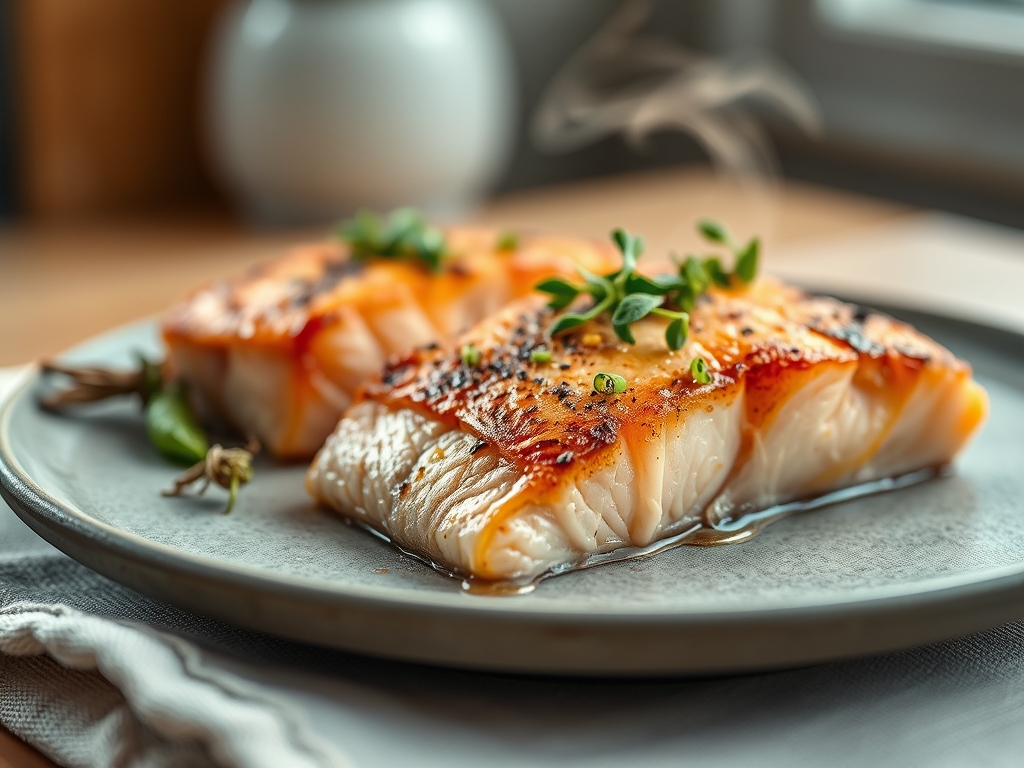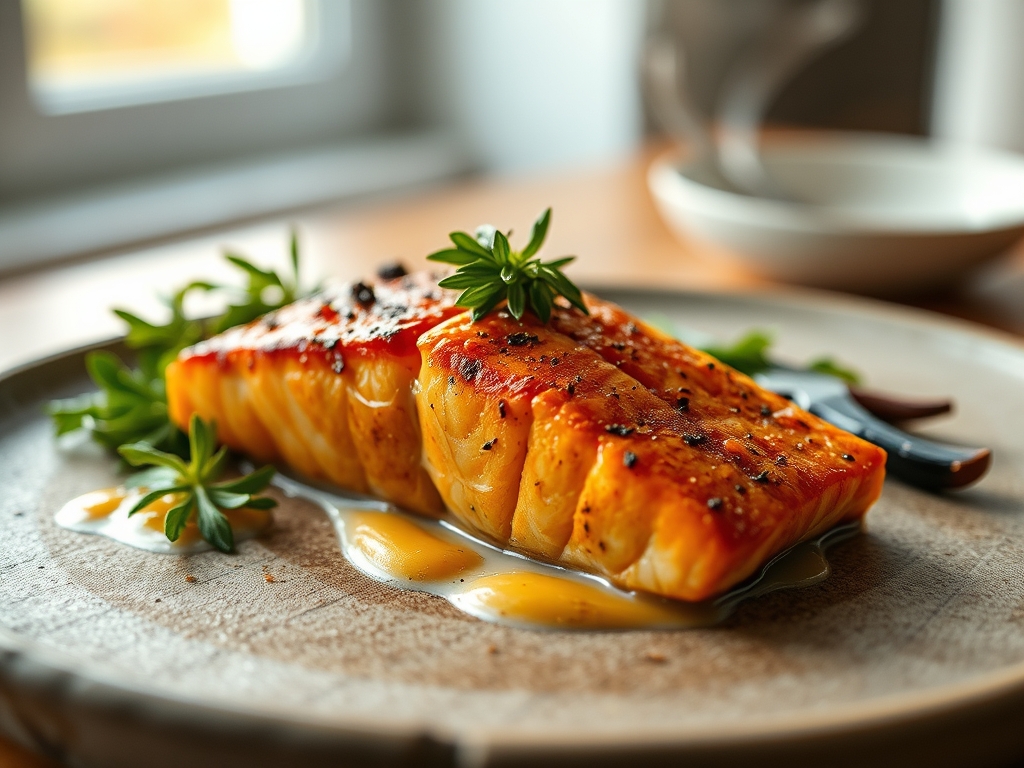
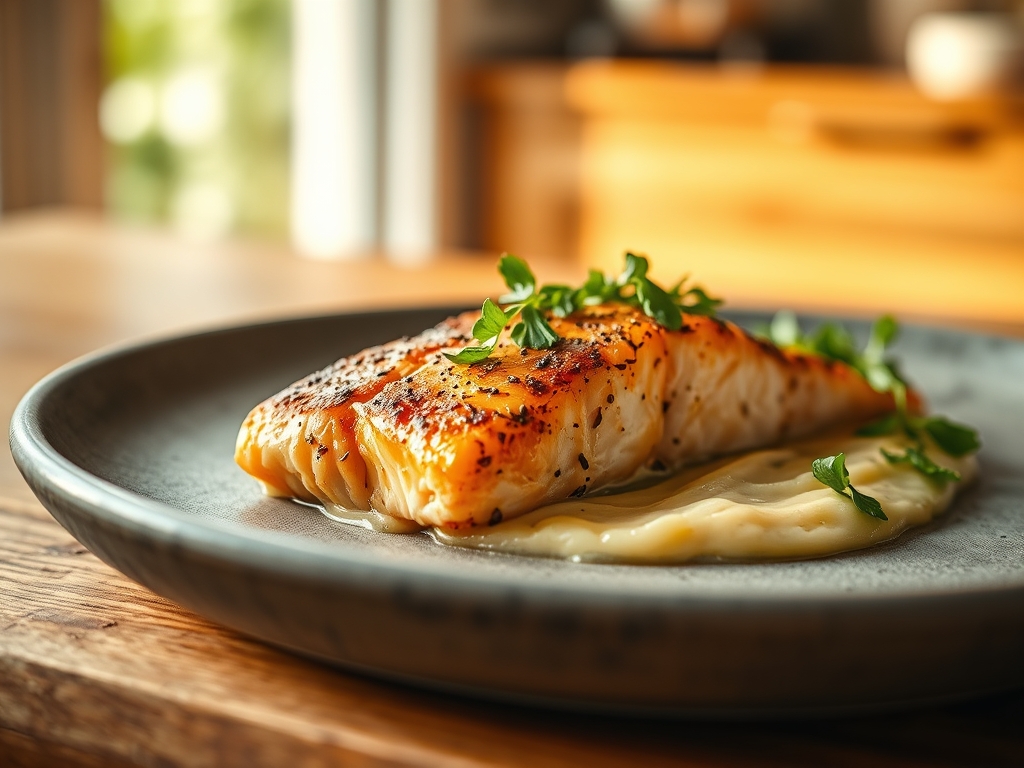
Picture the scene: a humid July evening where the air feels like a warm blanket. You are craving something that feels like a coastal breeze on a plate. This is where easy summer salmon recipes become your ultimate culinary weapon. There is a specific magic in the way a cold, citrus-infused glaze interacts with the rich, fatty marbling of a fresh fillet. We are moving beyond the heavy, butter-laden bakes of winter and stepping into a world of acidic brightness and flash-searing. Salmon is the perfect canvas for seasonal alchemy because its high lipid content allows it to hold onto volatile aromatic compounds from herbs like dill and mint. When you master the balance of heat and acid, you transform a simple protein into a refreshing centerpiece that requires less than twenty minutes of active kitchen time. We are talking about crisp skin, translucent centers, and flavors that pop like a chilled bottle of Pinot Grigio.
The Gathers:
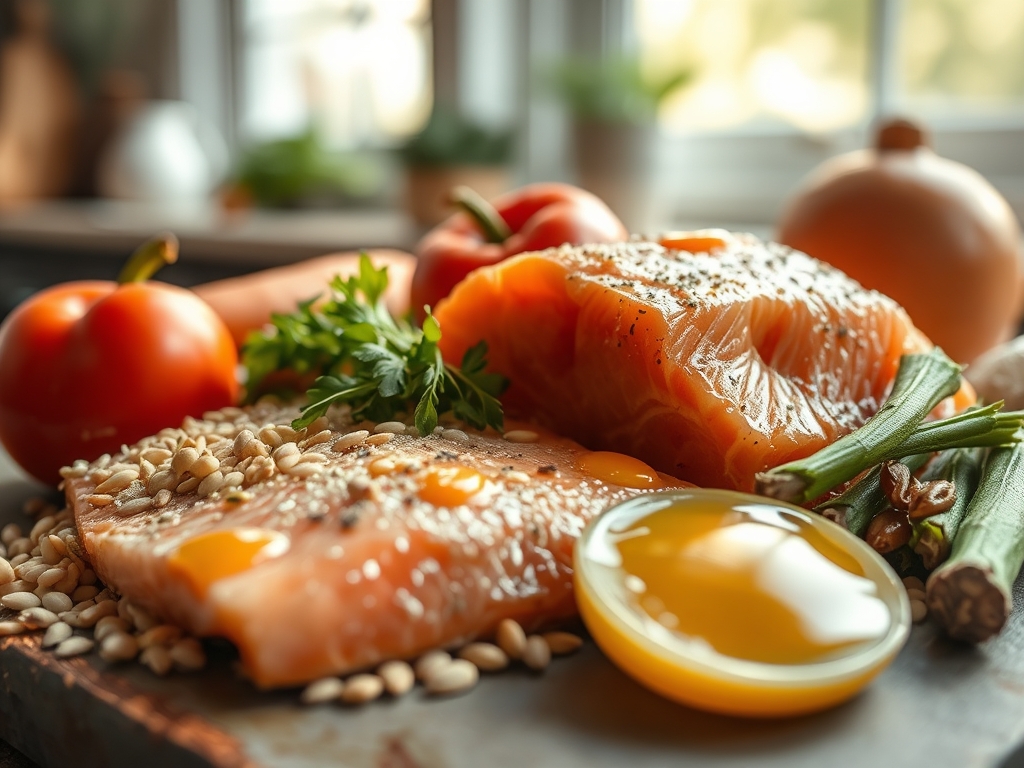
To execute these easy summer salmon recipes with precision, your mise-en-place must be organized by molecular function. Start with the protein: look for King or Sockeye fillets with deep pigmentation, which indicates a high concentration of astaxanthin, a powerful antioxidant. You will need a heavy-bottomed skillet (cast iron is king here) to ensure even thermal distribution. Gather your aromatics: fresh lemongrass, ginger, and garlic. Use a microplane to zest two lemons; this tool breaks the zest into tiny particles, maximizing the release of essential oils without the bitter white pith.
For the "Smart Substitutions," if you cannot find fresh salmon, high-quality frozen fillets are scientifically superior to "fresh" fish that has been sitting in a display case for three days. Flash-freezing preserves the cellular structure of the fish. If you are avoiding citrus, use a splash of verjus or a white balsamic vinegar to provide that necessary piquant acidity. For a vegan alternative that mimics the texture, large oyster mushrooms can be scored and seared using the same techniques we apply to the fish.
The Clock:
Efficiency in the kitchen is all about managing the "Chef's Flow." This is the psychological state where your movements are optimized to prevent heat loss or ingredient oxidation. Total preparation time for these recipes is exactly 12 minutes of active work. The "active" phase involves patting the fish dry (moisture is the enemy of the Maillard reaction) and prepping your vinaigrette.
The cooking phase is a brief 6 to 8 minutes. We utilize a "70/30" rule: 70 percent of the cooking happens on the skin side to render the subcutaneous fat, while the remaining 30 percent is a quick flip to kiss the flesh with heat. Total time from fridge to table is under 25 minutes. This speed is essential in summer because it prevents your kitchen from becoming a sauna.
The Masterclass:
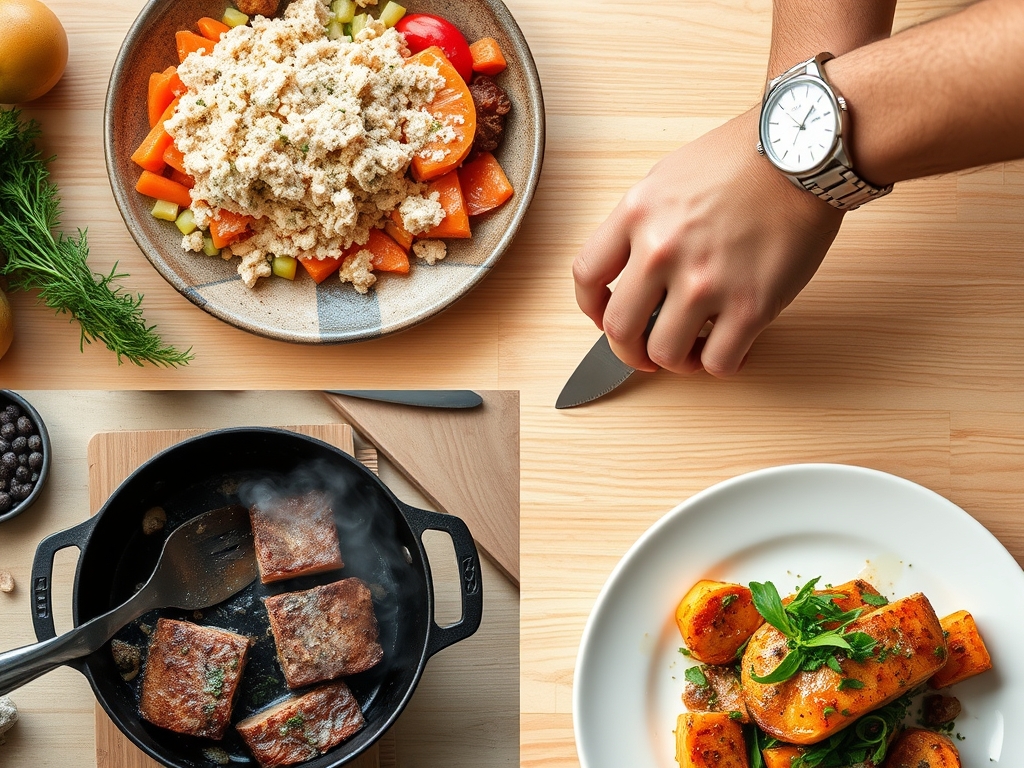
1. The Moisture Purge
The first step to success is using a paper towel to remove every trace of surface moisture from the skin. If the skin is damp, the heat of the pan will be wasted on evaporating water rather than browning the proteins. Use a bench scraper to move your fillets cleanly from the cutting board to the pan.
Pro Tip: This prevents the "steaming effect." When water hits hot oil, it creates a layer of vapor that insulates the fish from the metal, preventing the Maillard reaction, which is the chemical dance between amino acids and reducing sugars that creates savory depth.
2. The Cold-Start Sear
Place your fillets skin-side down in a cold or slightly warm heavy-bottomed skillet before cranking the heat to medium-high. This allows the fat to render slowly as the pan heats up, leading to a glass-like crunch.
Pro Tip: This technique manages thermal shock. By starting slower, you prevent the muscle fibers from contracting too violently, which often squeezes out the "white stuff" (albumin). Keeping the heat controlled ensures the fats melt into the meat rather than leaking out.
3. The Aerated Emulsion
While the fish sears, whisk together your summer glaze: honey, lime juice, and a touch of Dijon mustard. Use a small saucier or whisk to aerate the mixture. This incorporates air bubbles that help the sauce cling to the fish rather than sliding off into the pan.
Pro Tip: Emulsification is the process of forcing oil and water-based liquids to bond. The mustard acts as a stabilizer, preventing the sauce from breaking when it hits the warm surface of the salmon.
4. The Carryover Rest
Once the fish reaches an internal temperature of 125 degrees Fahrenheit (measured with a digital scale or probe), remove it from the heat immediately. Move it to a room-temperature plate.
Pro Tip: Thermal carryover means the internal temperature will continue to rise by 5 to 7 degrees even after the fish leaves the pan. If you wait until it looks "done" in the pan, it will be overcooked and chalky by the time you eat it.
The Deep Dive:
From a macro perspective, salmon is a nutritional powerhouse. A 6-ounce serving provides roughly 34 grams of protein and is rich in Omega-3 fatty acids, which are essential for brain health and reducing inflammation. For those following a Keto protocol, this dish is a dream; simply swap the honey in the glaze for a monk fruit sweetener. If you are Gluten-Free, ensure your soy sauce is substituted with tamari or liquid aminos.
Even the best chefs hit snags. If your skin sticks to the pan, do not force it with your tongs. This usually means the proteins haven't finished bonding and releasing; give it another 30 seconds and it will "self-release." If you see too much white albumin (the white gunk), your heat is too high. If the fish tastes "fishy," a quick soak in milk for ten minutes before cooking will neutralize the trimethylamine oxide.
For meal prep, the secret to reheating is not the microwave. To maintain "day-one" quality, use a "low and slow" method in a toaster oven at 275 degrees with a splash of water covered by foil. This creates a mini-steam chamber that rehydrates the fats without toughening the protein strands.
The Wrap-Up:
Mastering easy summer salmon recipes is about more than just feeding yourself; it is about reclaiming your evening. By understanding the science of heat transfer and the importance of acidity, you can create a restaurant-quality meal that feels light, vibrant, and sophisticated. Don't be afraid to experiment with the herbs in your garden or the citrus in your fruit bowl. The goal is a dish that celebrates the season while keeping you cool and satisfied. Now, grab those tongs and get searing!
The Kitchen Table:
How do I get crispy salmon skin every time?
Always pat the skin bone-dry with paper towels. Start the fish in a pan with a thin layer of high-smoke-point oil. Press down firmly with a spatula for the first 30 seconds to ensure total surface contact with the heat.
What is the best temperature for cooked salmon?
For a buttery, moist texture, aim for an internal temperature of 125 to 130 degrees Fahrenheit. This is considered medium-rare to medium. Remember that carryover cooking will increase the temperature slightly after the fish is removed from the heat.
Can I use frozen salmon for summer recipes?
Yes, frozen salmon is often fresher than "fresh" fish. Thaw it slowly in the refrigerator overnight. Ensure you drain all excess liquid and pat it extremely dry before cooking to prevent a mushy texture during the searing process.
Why does my salmon have white stuff on it?
That white substance is albumin, a harmless protein. It appears when the muscle fibers contract too quickly due to high heat, pushing the protein to the surface. To minimize this, cook the fish at a slightly lower, more consistent temperature.