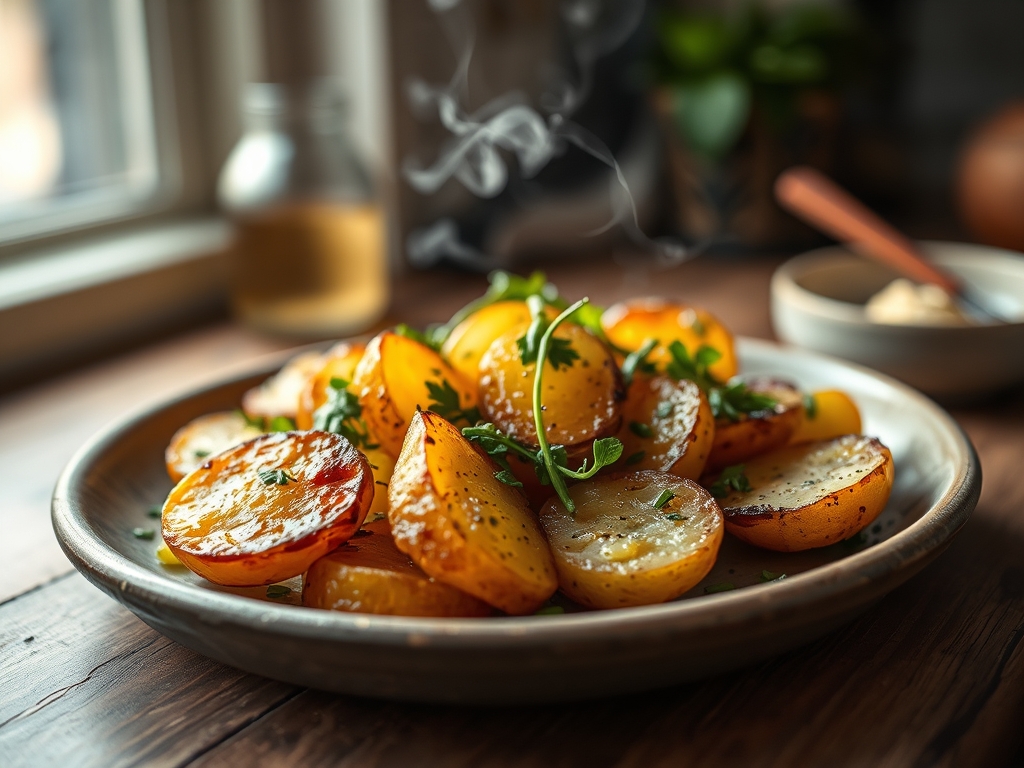
Picture the scene: the sun is dipping low; the air is thick with the scent of charcoal and rosemary; and you are standing over a sizzling grate with a cold drink in hand. We are moving past the era of sad, foil-wrapped lumps. Mastering easy potato recipes for the grill is the ultimate flex for your next backyard gathering.
The humble tuber is a thermodynamic marvel. It is essentially a starch-filled vessel waiting for the perfect application of heat to transform its cellular structure from dense and chalky to ethereal and crisp. When we talk about easy potato recipes for the grill, we are not just talking about side dishes; we are talking about the Maillard reaction in its most glorious, golden-brown form. By understanding how to manipulate moisture and surface area, you can turn a basic Russet or a waxy Yukon Gold into a culinary masterpiece that rivals any high-end steakhouse offering.
The Gathers:
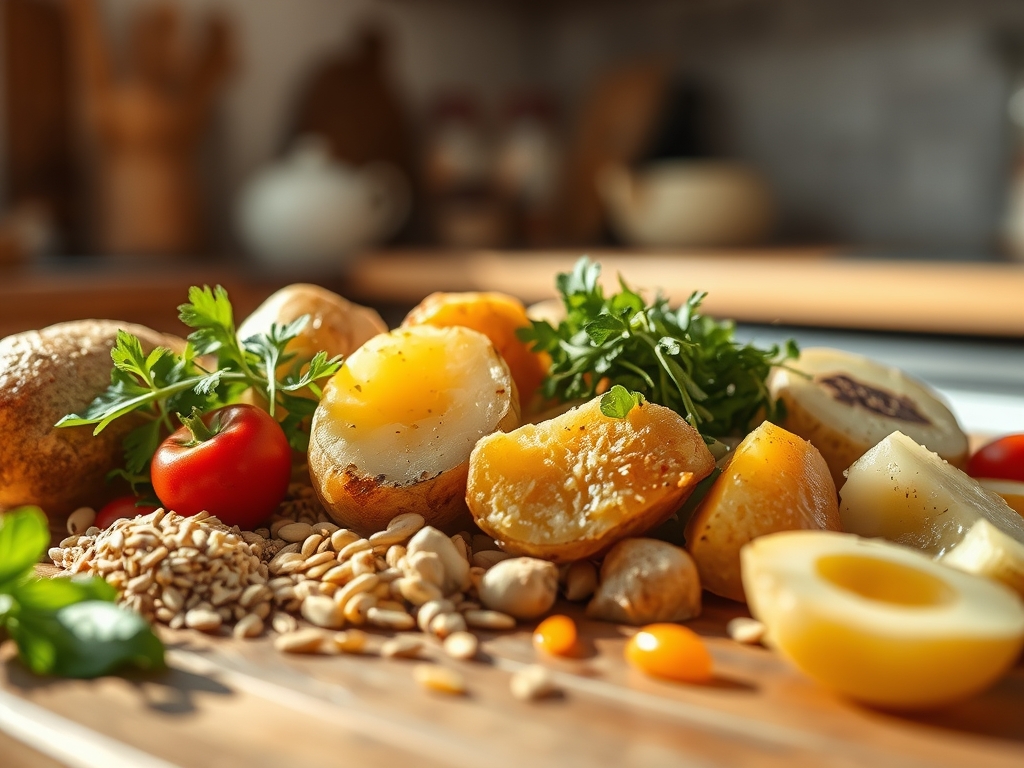
To achieve potato perfection, your mise-en-place must be precise. We are looking for high-starch varieties like Russets for fluffiness or low-starch, waxy varieties like Red Bliss or Fingerlings for structural integrity. You will need a high-quality fat with a high smoke point; think avocado oil or rendered duck fat for a luxurious mouthfeel.
Fresh aromatics are non-negotiable. Gather sprigs of woody herbs like thyme and rosemary, which can withstand the intense thermal radiation of the coals. You will also need coarse kosher salt to provide a tactile crunch and cracked black pepper for a piquant bite.
Smart Substitutions:
If you are looking to pivot, swap the traditional potato for Japanese sweet potatoes to introduce a creamy, chestnut-like flavor profile. Instead of butter, use a cold-pressed olive oil to keep the dish vegan while maintaining a viscous coating. If you lack fresh herbs, a high-quality smoked paprika can provide that earthy depth and a vibrant hue that mimics the charred aesthetic of a professional wood-fired oven.
The Clock
Efficiency in the kitchen is all about the Chef's Flow. You cannot simply toss raw potatoes on a hot grate and expect magic; that is a recipe for a charred exterior and a raw, crunchy center.
Prep Time: 15 minutes. This involves scrubbing, slicing, and the crucial step of parboiling.
Cook Time: 20 to 25 minutes on the grill.
Total Time: Approximately 40 minutes.
The flow begins with the parboil. By pre-cooking the potatoes in heavily salted water, you gelatinize the exterior starches. This creates a "slurry" on the surface that, once hit with the dry heat of the grill, dehydrates into a shatteringly crisp crust. While the potatoes simmer, you prep your herb oils and preheat the grill to a steady 400 degrees Fahrenheit. This overlapping timeline ensures that as soon as the potatoes are drained and slightly cooled, they are ready for their high-heat transformation.
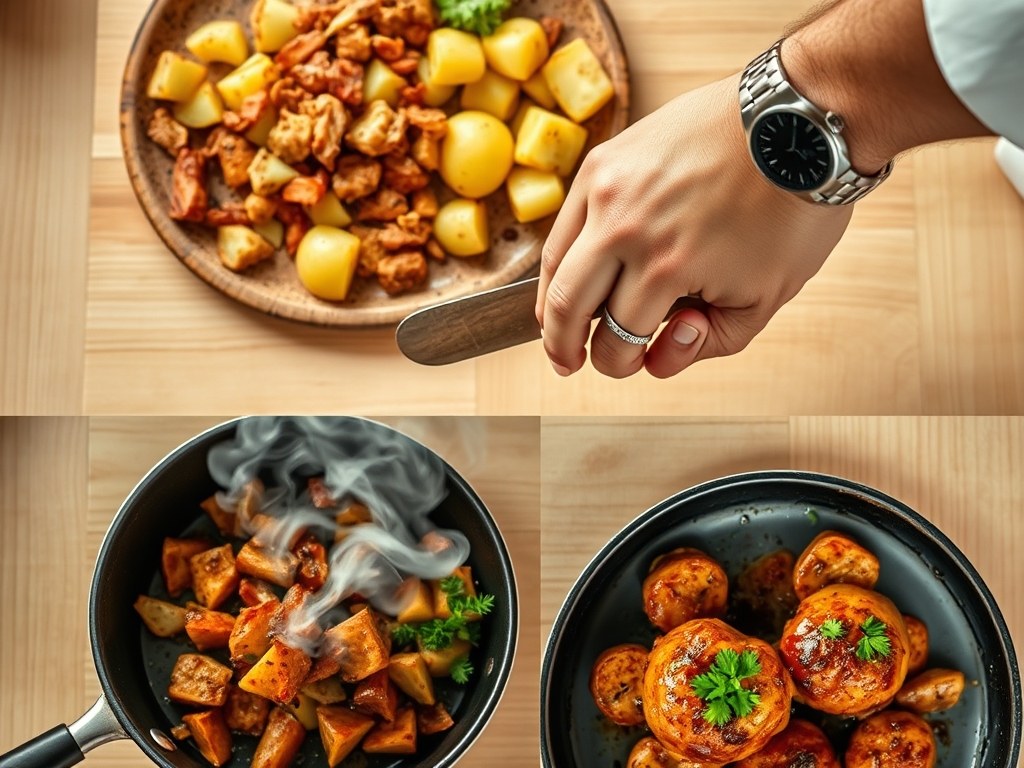
The Masterclass
1. The Precision Cut
Use a sharp chef knife or a bench scraper to ensure uniform pieces. Aim for one-inch cubes or thick wedges. Uniformity is not just for aesthetics; it ensures that every piece reaches the ideal internal temperature simultaneously.
Pro Tip: Cutting increases the surface area for the Maillard reaction. This chemical reaction between amino acids and reducing sugars is what creates that savory, toasted flavor profile.
2. The Alkaline Parboil
Simmer your potatoes in water with a pinch of baking soda. This raises the pH of the water, which breaks down the pectin in the potato skin more effectively.
Pro Tip: Breaking down the surface pectin creates a starchy paste. When grilled, this paste dehydrates into an extra-crunchy exterior through a process called starch retrogradation.
3. The Steam Dry
After draining, let the potatoes sit in the colander for three minutes. Shake them vigorously to roughen up the edges.
Pro Tip: This "roughing up" increases the surface area even further. Eliminating surface moisture is vital; steam is the enemy of a crisp crust because it limits the temperature to 212 degrees Fahrenheit.
4. The Fat Infusion
In a saucier, melt your fat of choice with smashed garlic cloves. Toss the warm potatoes in this mixture until they are thoroughly coated in a viscous layer of flavor.
Pro Tip: Fat acts as a heat conductor. It fills the microscopic crevices of the potato surface, ensuring even heat distribution and preventing the potato from sticking to the grill grates.
5. The Direct Sear
Place the potatoes directly over the primary heat source. Use long-handled tongs to turn them every few minutes. You are looking for deep golden-brown patches and charred edges.
Pro Tip: This stage utilizes conduction and radiation. The high heat causes the sugars on the surface to caramelize, adding a complex sweetness to the earthy potato flavor.
6. The Herb Aeration
In the final two minutes, toss in your fresh herbs. The heat will cause the volatile oils in the herbs to infuse into the fat coating the potatoes.
Pro Tip: Essential oils in herbs like rosemary are fat-soluble. By adding them at the end, you prevent the delicate compounds from burning while ensuring maximum aromatic impact.
7. The Microplane Finish
Remove the potatoes from the grill and immediately grate fresh Parmesan or lemon zest over them using a microplane.
Pro Tip: The residual heat, known as thermal carryover, will slightly melt the cheese or release the citrus oils without scorching them, creating a bright, layered finish.
8. The Resting Phase
Transfer the potatoes to a warm bowl and let them sit for three minutes before serving.
Pro Tip: Resting allows the internal moisture to redistribute. This prevents the centers from feeling dry and ensures the exterior remains crisp rather than becoming soggy from trapped steam.
9. The Final Seasoning
A final sprinkle of flaky sea salt provides a hit of salinity that cuts through the richness of the fats.
Pro Tip: Salt is a flavor enhancer that suppresses bitterness and unlocks the perception of sweetness and umami, making the potato taste more like itself.
The Deep Dive
Macro Nutrition: Potatoes are a powerhouse of complex carbohydrates and potassium. One medium potato provides about 110 calories, zero fat, and a significant dose of Vitamin C. By using heart-healthy fats like avocado oil, you maintain a balanced profile.
Dietary Swaps:
- Vegan: Use coconut oil or olive oil instead of butter.
- Keto: While potatoes are high-carb, you can apply these same grilling techniques to cauliflower florets or radishes for a similar textural experience.
- GF: Naturally gluten-free, just ensure your seasoning blends do not contain hidden starches.
The Fix-It:
- Problem: Potatoes are sticking to the grill. Fix: Ensure your grates are cleaned with a wire brush and well-oiled before the potatoes touch them.
- Problem: Charred outside, raw inside. Fix: Your heat is too high. Move the potatoes to the indirect heat zone of the grill to finish cooking through.
- Problem: Soggy texture. Fix: You skipped the steam-dry step. Next time, ensure the potatoes are bone-dry before they hit the oil.
Meal Prep: To reheat and maintain "day-one" quality, avoid the microwave. Use a heavy-bottomed skillet over medium heat to re-crisp the exterior. The microwave causes water molecules to vibrate, which turns the starch soft and gummy. A quick pan-fry restores the structural integrity of the crust.
The Wrap-Up
There you have it; the science of the perfect spud is now in your hands. Grilling potatoes is an art form that balances the rugged intensity of fire with the delicate chemistry of starch and fat. By following these steps, you are not just making a side dish; you are creating a conversation piece. So, fire up that grill, grab your tongs, and prepare to serve the most incredible potatoes your friends have ever tasted. The summer is short, but the memories of a perfect meal last forever.
The Kitchen Table
Can I grill potatoes without boiling them first?
Yes, but they often burn before the center softens. Parboiling ensures a creamy interior and a crisp exterior. If you skip it, slice them very thin and use lower heat to avoid a raw center.
What is the best oil for grilling potatoes?
Use an oil with a high smoke point, such as avocado, grapeseed, or canola oil. These withstand the high temperatures of the grill without breaking down or creating off-flavors like butter or extra virgin olive oil might.
How do I keep the potatoes from falling through the grates?
Cut them into large wedges or use a perforated grill basket. This allows the heat and smoke to circulate around the potatoes while keeping them securely above the coals or burners.
Should I leave the skin on or off?
Keep the skin on for maximum texture and nutrition. The skin acts as a barrier that holds the potato together and becomes incredibly crispy when tossed in fat and seared over high heat.