Close your eyes and imagine the scent of earth and salt meeting the hiss of a hot skillet. Whether they are smashed, fried, or whipped into silk, potato recipes from around the world are the ultimate universal love language. This humble tuber is a botanical miracle of starch and water, waiting to be transformed by heat and fat into pure culinary gold.
The potato is a master of disguise. In one country, it is a crispy vessel for vinegar and salt; in another, it is a pillowy cloud floating in a sea of butter. From the high altitudes of the Andes to the bustling night markets of Seoul, these eight classics represent the pinnacle of carbohydrate engineering. We are not just making dinner; we are conducting a series of delicious experiments in starch gelatinization and the Maillard reaction. Grab your apron and your favorite heavy-bottomed skillet. We are about to turn these dirt-covered gems into global masterpieces that will make your kitchen feel like a five-star international bistro.
The Gathers:
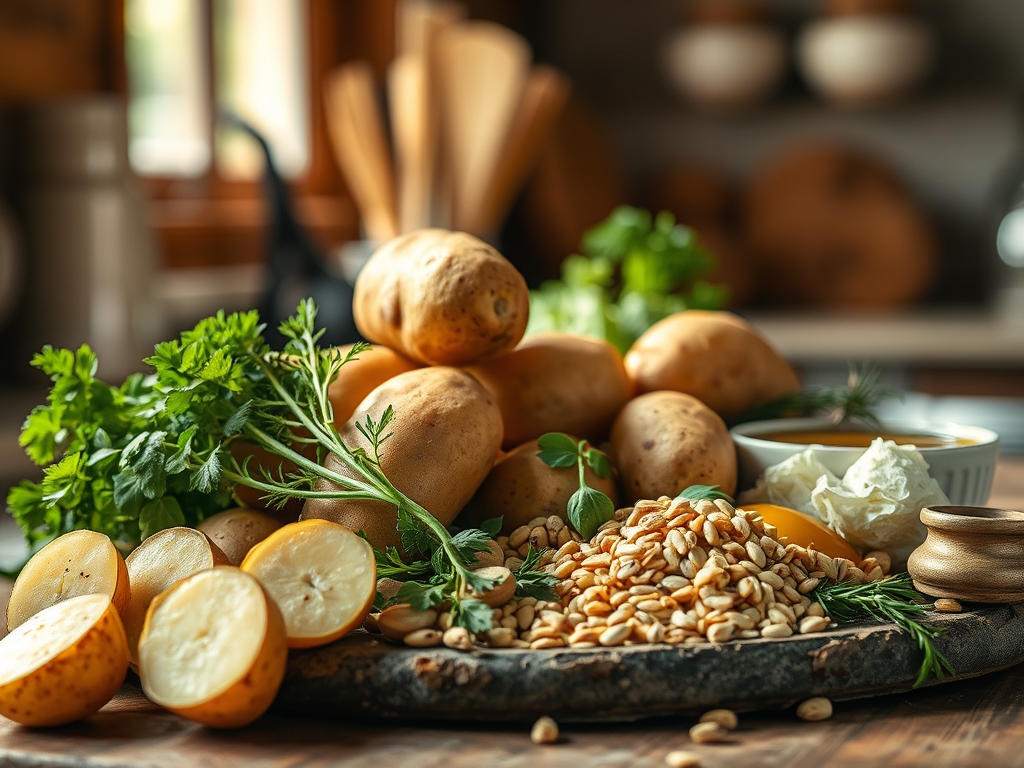
To master these potato recipes from around the world, your mise-en-place must be precise. Start with high-starch Russets for fluffiness and waxy Yukons for structural integrity. You will need high-quality fats: grass-fed butter for its high milk-solid content and neutral oils like grapeseed for high-smoke-point searing.
The aromatic profile includes piquant garlic cloves, fresh rosemary needles, and the citrusy bite of a microplane-grated lemon zest. For the liquids, keep heavy cream and a rich, viscous chicken stock on hand to deglaze your pans.
Smart Substitutions: If you are avoiding dairy, a high-fat coconut milk provides the necessary lipids for a velvety mouthfeel without the lactose. For those skipping nightshades, taro root offers a similar amylopectin structure that mimics the density of a waxy potato in stews.
The Clock
Total time for this global tour is approximately 120 minutes of active labor, but the "Chef's Flow" is what matters most. You must synchronize your boiling and roasting. Start by scrubbing your tubers to remove surface grit; this takes 10 minutes. The peeling and dicing phase requires 20 minutes of focused knife work with a sharp chef's knife.
The longest phase is the thermal transformation. Roasting takes 45 to 60 minutes to achieve a shattered-glass crust, while boiling for mash requires 20 minutes to reach the point where the cell walls soften. Allow 15 minutes for "resting" your potatoes; this allows the steam to redistribute so the interiors do not become gummy when you finally slice or mash them.
The Masterclass
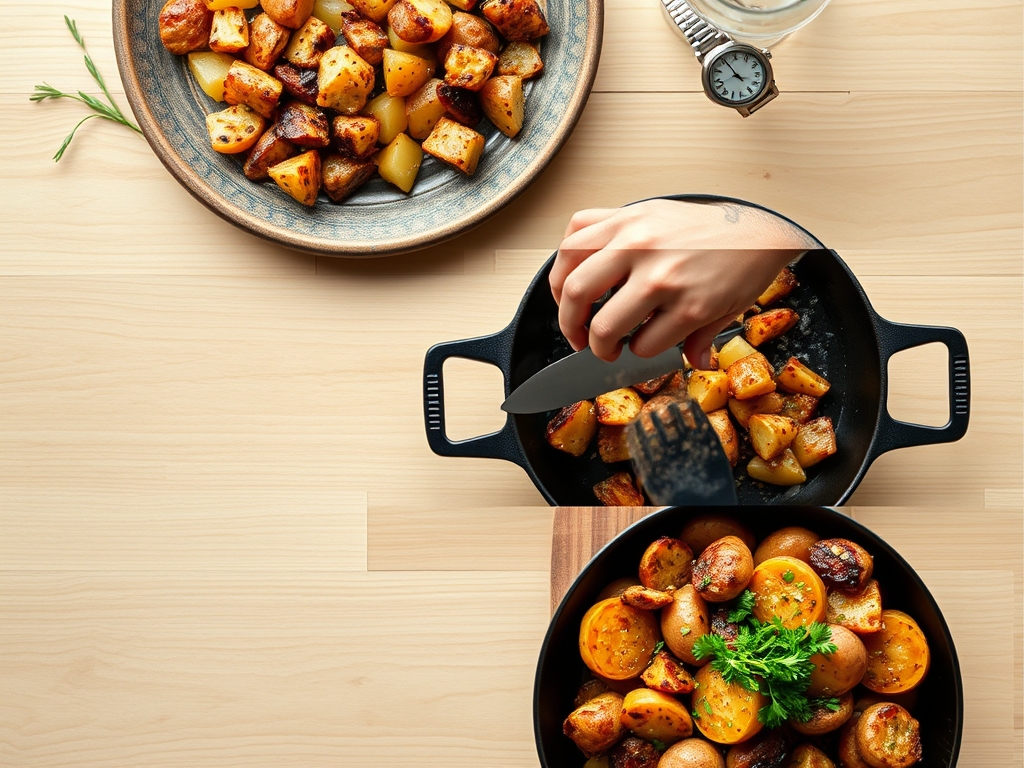
1. The Triple-Cooked Technique
Start by simmering peeled chunks in alkaline water (add a pinch of baking soda) until the edges are frayed. This increases the surface area for the oil to grab onto later. Drain them and let them air-dry on a wire rack to remove surface moisture.
Pro Tip: Adding baking soda breaks down the pectin in the potato skin. This creates a starchy slurry on the surface that dehydrates into an extra-thick, crunchy crust during the roasting phase.
2. The Emulsified Mash
Pass your boiled Yukon Golds through a ricer or food mill directly into a saucier. This prevents the development of "gluey" textures by minimizing the mechanical agitation of the starch granules. Slowly fold in cold, cubed butter using a silicone spatula.
Pro Tip: Using cold butter instead of melted butter creates a more stable emulsion. The fat coats the starch molecules individually before the water in the butter can interact with them, resulting in a silkier finish.
3. The Pan-Seared Fondant
Cut your potatoes into uniform cylinders using a circular cutter. Sear the ends in a heavy-bottomed skillet until deep brown. Add butter, thyme, and stock, then transfer the whole pan to the oven to braise until the liquid is absorbed.
Pro Tip: This method utilizes thermal carryover. The intense dry heat of the sear creates the flavor, while the moist heat of the braise ensures the interior reaches a creamy, custard-like consistency.
4. The Gratin Layering
Use a mandoline to slice potatoes into translucent discs. Layer them in a ceramic dish, drenching each level with a mixture of cream, garlic, and nutmeg. Use a digital scale to ensure your layers are even for uniform cooking.
Pro Tip: The calcium in the heavy cream reacts with the pectin in the potato slices. This prevents them from turning into mush, allowing the gratin to hold its structural integrity when sliced.
5. The Crispy Smashed Tuber
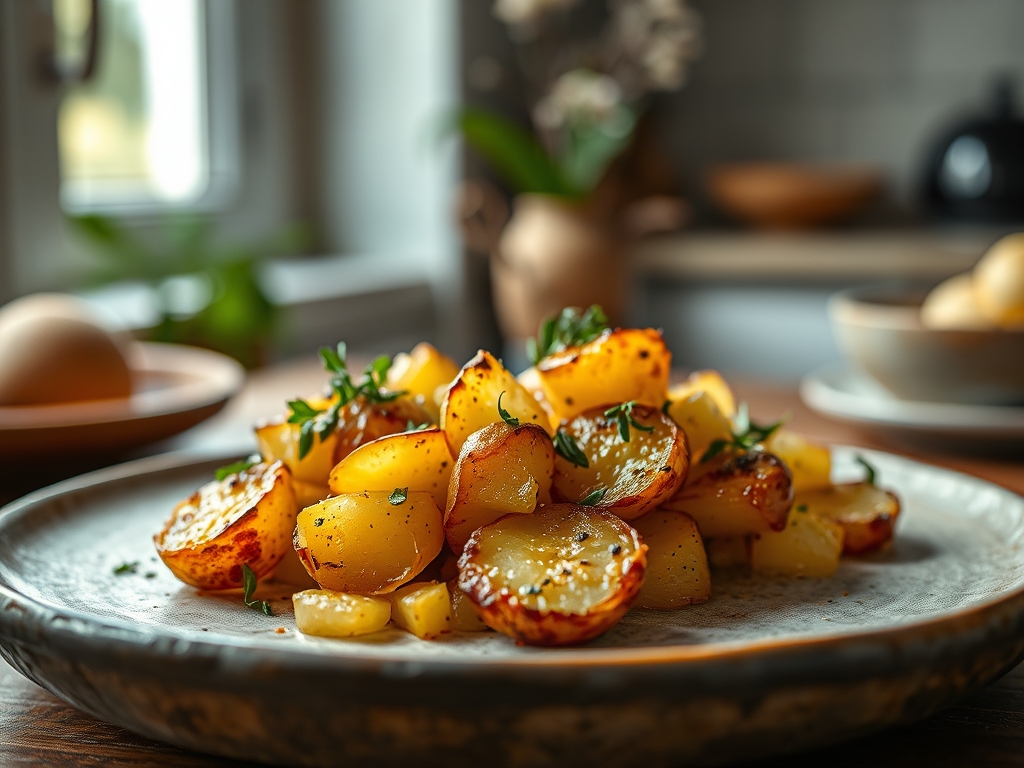
Boil small waxy potatoes whole until tender. Use a heavy glass or a meat tenderizer to flatten them without breaking them apart. Fry them in a shallow pool of oil until the jagged edges turn mahogany.
Pro Tip: This technique maximizes the Maillard reaction. By smashing the potato, you increase the surface area exposed to the direct heat of the pan, leading to more complex flavor compounds.
6. The Classic Potato Gnocchi
Bake your potatoes on a bed of salt to draw out maximum moisture. Scoop out the flesh while hot and combine with flour and egg on a clean work surface. Use a bench scraper to fold the dough gently.
Pro Tip: Moisture is the enemy of light gnocchi. Baking on salt ensures the starch remains "thirsty," allowing it to bond with the flour without becoming a dense, rubbery mess.
7. The Hasselback Precision
Place a potato between two wooden spoons to act as a guard. Slice thin slits across the top, stopping when the knife hits the spoons. Brush with infused oil and roast until the "fins" fan out.
Pro Tip: The wooden spoons prevent you from cutting all the way through. This allows the heat to penetrate the center of the potato from multiple angles, significantly shortening the cook time.
8. The Vinegar-Soaked Fries
Soak your raw potato batons in a mixture of water and white vinegar for 30 minutes before frying. This prevents the exterior from browning too quickly before the inside is cooked through.
Pro Tip: Vinegar lowers the pH of the potato surface. This slows down the breakdown of pectin, allowing the fry to maintain its shape and achieve a much crispier exterior in the deep fryer.
The Deep Dive
From a macro nutrition perspective, potatoes are a powerhouse of potassium and complex carbohydrates. One medium potato provides about 110 calories and zero fat, making it an excellent fuel source. For those on a Keto path, you can swap potatoes for cauliflower or radishes; both mimic the texture when roasted with enough fat.
The Fix-It:
- Gummy Mash: You over-worked the starch. Fix it by spreading the mash in a baking dish, topping with cheese, and turning it into a gratin.
- Burnt Garlic: If your aromatics turned bitter, deglaze the pan with a splash of white wine or lemon juice to neutralize the acridity.
- Soggy Fries: Your oil temperature dropped. Ensure you fry in small batches and use an instant-read thermometer to maintain 350 degrees Fahrenheit.
Meal Prep: To reheat and maintain "day-one" quality, avoid the microwave. Use an air fryer or a hot oven at 400 degrees. This re-dehydrates the surface starch, restoring the crunch that the refrigerator's humidity destroyed.
The Wrap-Up
Mastering potato recipes from around the world is about understanding the balance of moisture, starch, and heat. Once you respect the science of the tuber, you can travel the globe from the comfort of your own stove. Whether you are aiming for the crunch of a fry or the velvet of a puree, these techniques ensure your spuds are never boring. Now, go forth and starch responsibly; your kitchen is waiting for its next great masterpiece.
The Kitchen Table
Which potato is best for roasting?
Russets or Yukon Golds are ideal. Russets provide a floury texture that gets incredibly crispy; meanwhile, Yukon Golds offer a buttery flavor and hold their shape better during the high-heat roasting process.
How do I stop potatoes from turning brown?
Submerge peeled or sliced potatoes in cold water immediately. This blocks oxygen from reaching the enzymes in the potato, preventing the oxidation process known as enzymatic browning from occurring before you cook them.
Why are my boiled potatoes falling apart?
You likely started them in boiling water. Always start potatoes in cold, salted water and bring them to a simmer together. This ensures the interior and exterior cook at the same rate, maintaining structural integrity.
Can I freeze cooked potato dishes?
Mashed potatoes and gratins freeze well due to their high fat content. However, fried or roasted potatoes often lose their texture. Reheat frozen mashed potatoes slowly with a splash of cream to restore the emulsion.