Imagine the scent of sweet cream and salty butter wafting through a screen door on a humid Savannah afternoon. That is the essence of Southern comfort. When we talk about paula deen potato recipes, we are not just discussing side dishes; we are exploring a masterclass in fat-soluble flavor and the glorious chemistry of the starch molecule. It is the kind of cooking that demands a sturdy apron and an appetite for indulgence.
The magic of these dishes lies in the transformation of the humble tuber into something almost ethereal. Whether it is the golden crust of a pan-fried medallion or the velvet texture of a slow-cooked mash, each recipe relies on the delicate balance of moisture and heat. We are going to dive deep into the mechanics of these classics, ensuring every bite is as rich as a Georgia sunset. Grab your favorite wooden spoon and let us get started.
The Gathers:
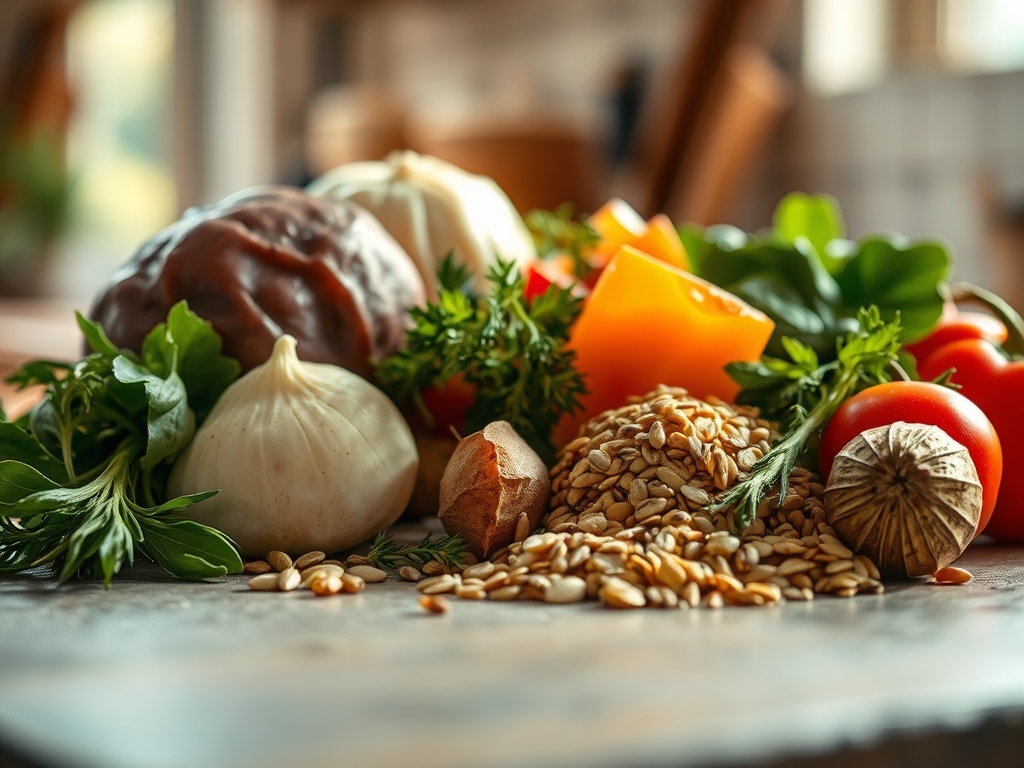
To achieve the signature decadence of these dishes, your mise-en-place must be precise. Start with high-starch Russets for fluffy textures or waxy Yukon Golds for a buttery, viscous finish. You will need a digital scale to ensure your ratios of heavy cream to butter remain consistent. Do not forget the aromatics: fresh chives, sharp cheddar cheese, and thick-cut bacon ready to be rendered until crisp.
Smart Substitutions: If you are looking to lighten the profile without sacrificing the mouthfeel, Greek yogurt can stand in for sour cream to provide a piquant tang. For a dairy-free approach, high-quality coconut cream offers the necessary saturated fats to mimic the richness of traditional butter, though the flavor profile will shift slightly toward the tropical. Always use a microplane for your garlic and zest to ensure even distribution throughout the starch matrix.
The Clock: Efficient Kitchen Flow
Timing is the silent ingredient in Southern cooking. Most of these classics require a "Chef's Flow" of approximately 20 minutes of active prep followed by 45 to 60 minutes of thermal transformation. The key is to utilize the thermal carryover period. While your potatoes are roasting or boiling, use that window to grate your cheeses and prep your garnishes. This prevents the potatoes from sitting too long and becoming gummy due to retrogradation, a process where starch molecules realign into a tough structure as they cool. Aim to serve within ten minutes of the final assembly for peak creaminess.
The Masterclass: Perfecting the Seven Classics
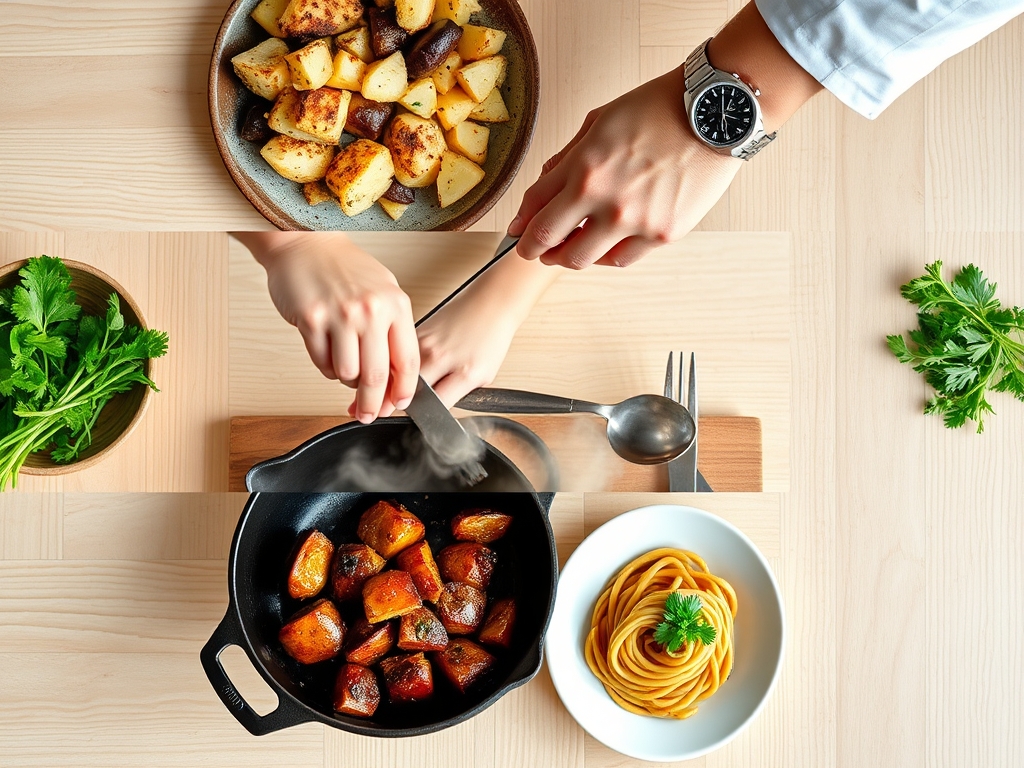
1. The Ultimate Loaded Mashed Potatoes
Start by peeling and cubing your potatoes into uniform one-inch pieces to ensure an even rate of heat penetration. Boil in heavily salted water until fork-tender. Drain and return to the hot pot for sixty seconds to evaporate residual moisture. Aerate the potatoes using a ricer or food mill for a lump-free foundation. Fold in butter, sour cream, and chives using a saucier to keep the mixture warm.
Pro Tip: This evaporation step prevents "watery" mash. By removing excess moisture, you create more space within the cell structures to absorb fats, resulting in a more luxurious emulsion.
2. The Crispy Garlic Roasted Reds
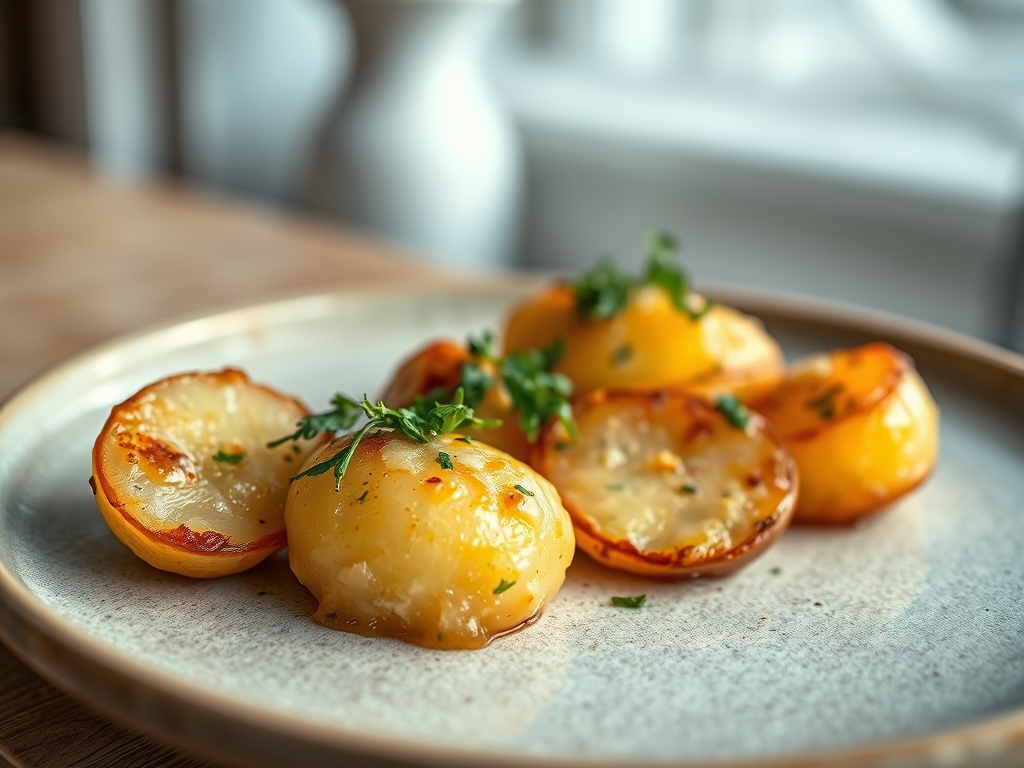
Halve your red potatoes and toss them in a heavy-bottomed skillet with olive oil, melted butter, and smashed garlic cloves. Roast at 425 degrees Fahrenheit until the skins are shriveled and the undersides are deep brown.
Pro Tip: This relies on the Maillard reaction, a chemical reaction between amino acids and reducing sugars that gives browned food its distinctive flavor. Do not crowd the pan; if potatoes are too close, they will steam instead of sear.
3. The Classic Southern Potato Salad
Boil your potatoes whole with the skins on to preserve the starch integrity. Once cooled, peel and dice. Mix with a dressing of mayonnaise, yellow mustard, and sweet pickle relish. Use a bench scraper to neatly fold the ingredients without mashing the cubes.
Pro Tip: Adding a splash of apple cider vinegar to the potatoes while they are still warm allows the acid to penetrate the starch granules, seasoning the potato from the inside out.
4. Cheesy Potato Gratin
Thinly slice potatoes using a mandoline for perfect uniformity. Layer them in a buttered baking dish, smothering each layer with a garlic-infused cream sauce and sharp cheddar.
Pro Tip: The calcium in the cheese reacts with the pectin in the potato cell walls, helping the slices maintain their shape even after prolonged baking in high-fat liquids.
5. Twice-Baked Potato Boats
Bake large Russets until the skin is crispy. Scoop out the centers, leaving a sturdy wall. Mash the centers with cream cheese and bacon bits, then pipe the mixture back into the shells using a star tip for a professional aesthetic.
Pro Tip: Baking the potato twice allows for two different textures. The first bake creates a fluffy interior, while the second bake allows the surface of the filling to undergo dehydration, creating a golden, savory crust.
6. Pan-Fried Breakfast Potatoes
Dice potatoes into small half-inch cubes. Parboil them for five minutes, then finish them in a skillet with hot oil and onions. Use tongs to flip them individually to ensure every side hits the hot metal.
Pro Tip: Parboiling gelatinizes the exterior starch. When these pre-cooked cubes hit the hot oil, they develop an exceptionally thick and crunchy crust that raw potatoes cannot achieve.
7. The Creamy Potato Soup
Simmer diced potatoes in chicken stock with onions and celery until they begin to fall apart. Use an immersion blender to partially puree the mixture, leaving some chunks for texture. Finish with a heavy pour of cream.
Pro Tip: Potatoes act as a natural thickener. As the starch granules swell and burst, they release amylose, which creates a thick, velvet-like consistency without the need for a flour-based roux.
The Deep Dive: Nutrition and Technical Fixes
While these recipes are celebrated for their flavor, a standard serving contains approximately 350 to 500 calories, primarily from complex carbohydrates and saturated fats. To make these Vegan, swap butter for avocado oil and use cashew cream. For a Keto alternative, substitute cauliflower florets; the cooking times will decrease by half as cauliflower lacks the dense starch structure of a potato.
The Fix-It:
- Gummy Texture: This happens when potatoes are over-worked in a food processor. The mechanical shear breaks too many starch cells. Fix: Fold in a little extra warm cream by hand to loosen the structure.
- Bland Interior: Potatoes are dense. If you do not salt the boiling water, the center will remain flavorless. Fix: Toss the finished dish with a fine-grain sea salt that dissolves quickly.
- Broken Sauce: If your gratin sauce curdles, the heat was too high. Fix: Lower the oven temp and add a splash of cold cream to the edges of the dish to stabilize the emulsion.
Meal Prep: To reheat, avoid the microwave as it turns starch "rubbery." Instead, use an oven set to 300 degrees Fahrenheit. Cover with foil to retain moisture and add a tablespoon of milk to restore the original viscous texture.
The Wrap-Up: Bringing the South Home
Mastering paula deen potato recipes is about more than just following a list of ingredients; it is about understanding the soul of Southern hospitality. By utilizing professional tools like the saucier and honoring the science of the Maillard reaction, you elevate a simple root vegetable into a centerpiece. These dishes are designed to be shared, whispered over, and enjoyed with a second helping. Now, go forth and turn that bag of spuds into a buttery masterpiece!
The Kitchen Table: FAQ
Why are my mashed potatoes always gluey?
Gluey potatoes result from over-mixing, which releases excess starch. Use a ricer or masher instead of a food processor. This keeps the starch granules intact, ensuring a light and fluffy texture every single time you cook.
Can I make these potato recipes ahead of time?
Yes, most casseroles can be assembled 24 hours in advance. Keep them tightly covered in the refrigerator. When ready to serve, bake them directly from the fridge, adding about ten minutes to the total cook time for even heating.
What is the best potato for roasting?
Yukon Gold or Red Bliss potatoes are ideal for roasting. Their lower starch content and thinner skins allow them to hold their shape under high heat while developing a creamy interior and a crisp, golden-brown exterior during the roasting process.
How do I stop potatoes from browning after cutting?
Submerge peeled or cut potatoes in a bowl of cold water immediately. This prevents enzymatic browning, a reaction between oxygen and the potato's enzymes. Adding a squeeze of lemon juice or a splash of vinegar further inhibits this oxidation.