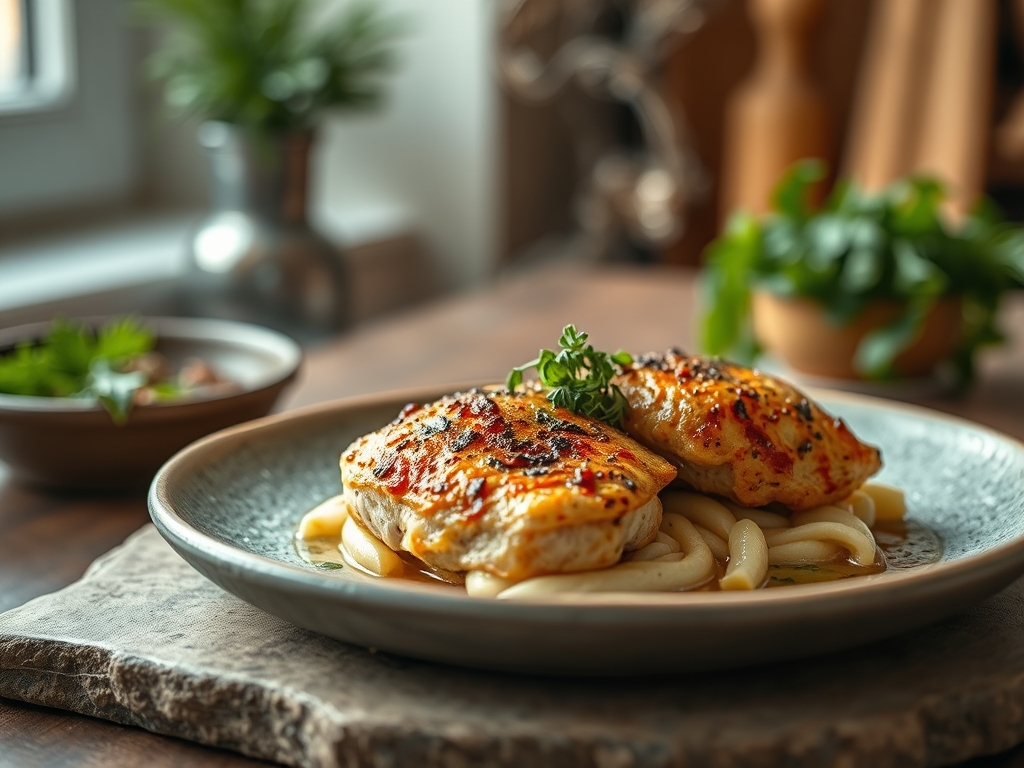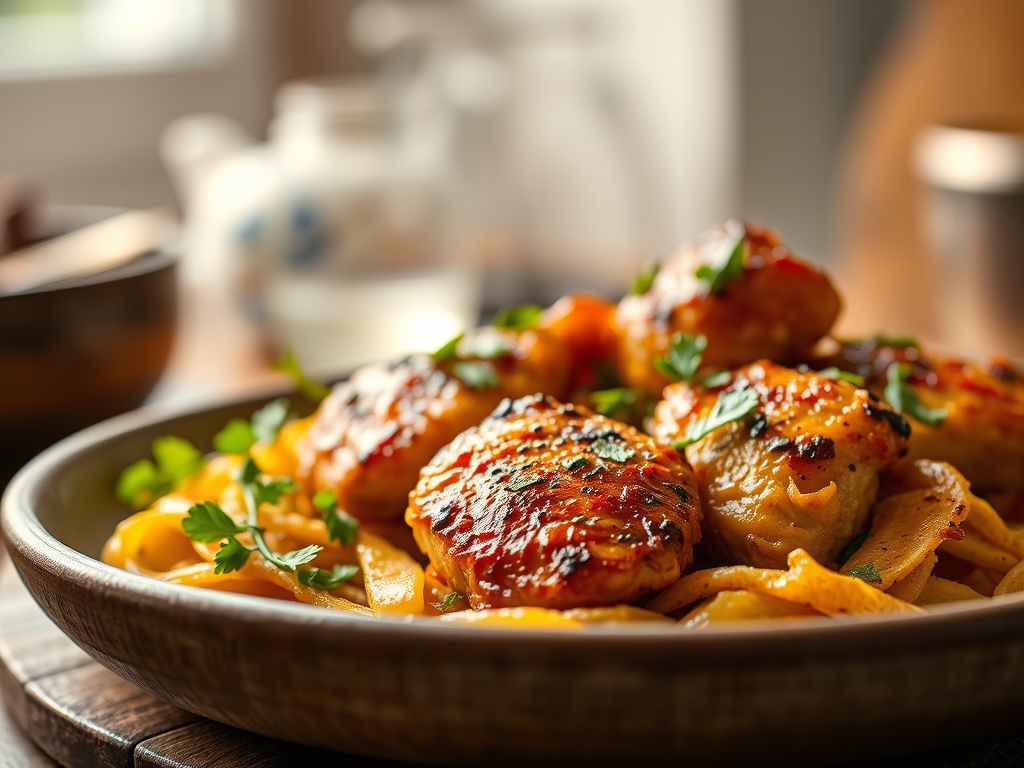
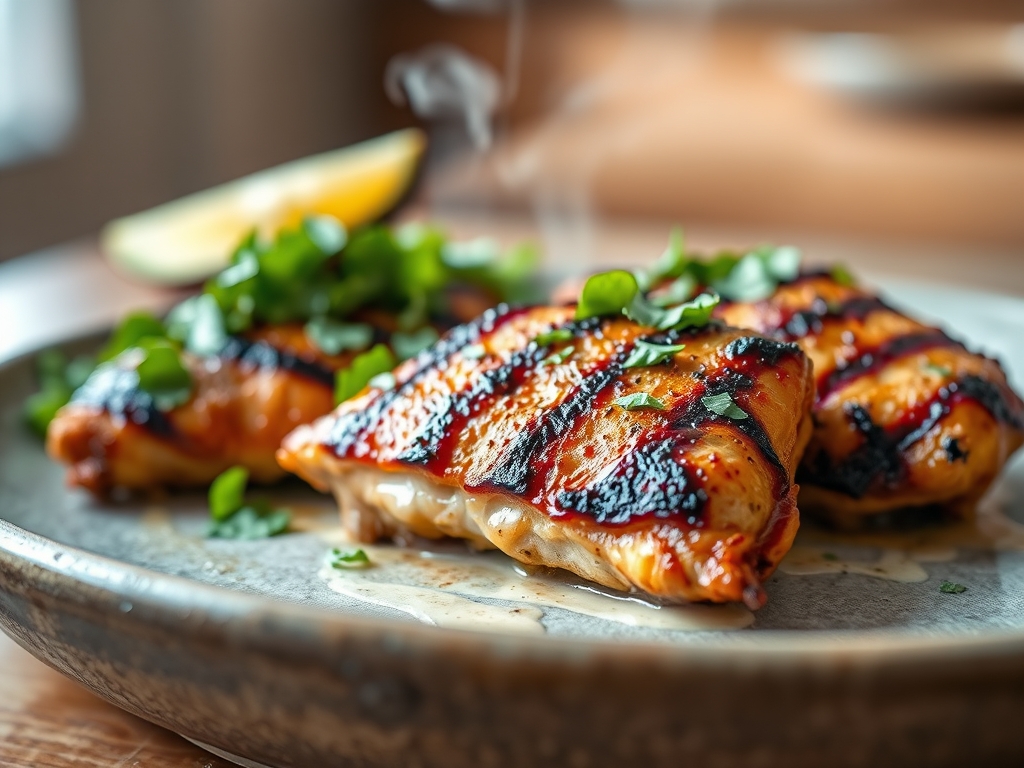
Picture the scene: the sun is dipping low, casting a golden hue over your patio while the scent of charred lime and smoldering mesquite hangs heavy in the air. This is the sensory peak of summer, and it all centers on mastering grilled mexican chicken recipes. We are moving beyond the basic, dry breast and entering a realm where smoke meets citrus in a perfect chemical embrace. Whether you are hosting a backyard rager or a quiet Tuesday dinner, the goal is a bird that boasts a crisp, lacquered skin and an interior so succulent it practically melts. We are talking about deep, earth-shaking flavors that bridge the gap between traditional street food and high-end culinary precision. This is not just about heat; it is about the architecture of flavor.
The Gathers:
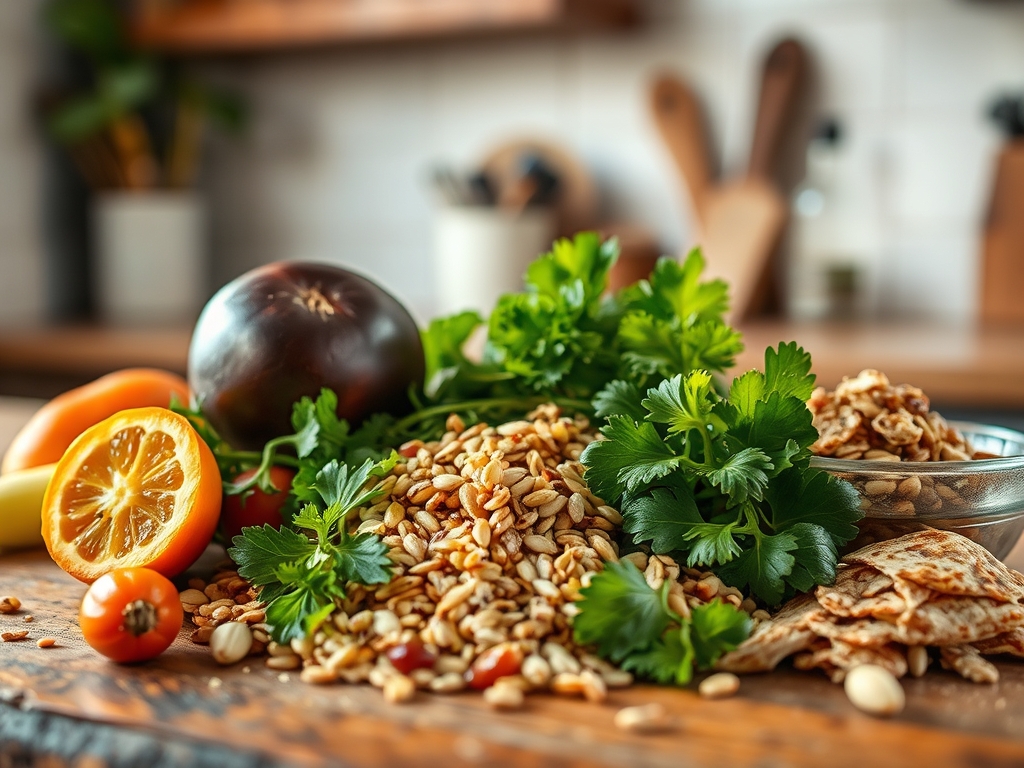
To achieve elite results, your mise-en-place must be intentional. We start with the protein: six to eight bone-in, skin-on thighs. The bone acts as a thermal conductor, ensuring the meat cooks evenly from the inside out while the skin provides the lipids necessary for a flawless Maillard reaction. For the marinade, you will need high-quality fats and acids. Reach for a neutral oil with a high smoke point like avocado oil, and pair it with the piquant brightness of fresh-squeezed lime juice and a splash of apple cider vinegar.
The dry components are where the soul of the dish resides. You need three tablespoons of smoked paprika for that deep ruby hue, two teaspoons of toasted cumin for earthy depth, and a generous tablespoon of dried Mexican oregano, which is more citrus-forward than its Mediterranean cousin. Use a microplane to zest four cloves of garlic and one thumb of ginger into a paste. This increases the surface area, allowing the aromatics to infuse the oil more efficiently.
Smart Substitutions: If you cannot find Mexican oregano, marjoram is a better swap than standard oregano. If you are watching your sodium, replace half the kosher salt with a dash of coconut aminos to maintain that savory umami profile without the salt spike.
The Clock
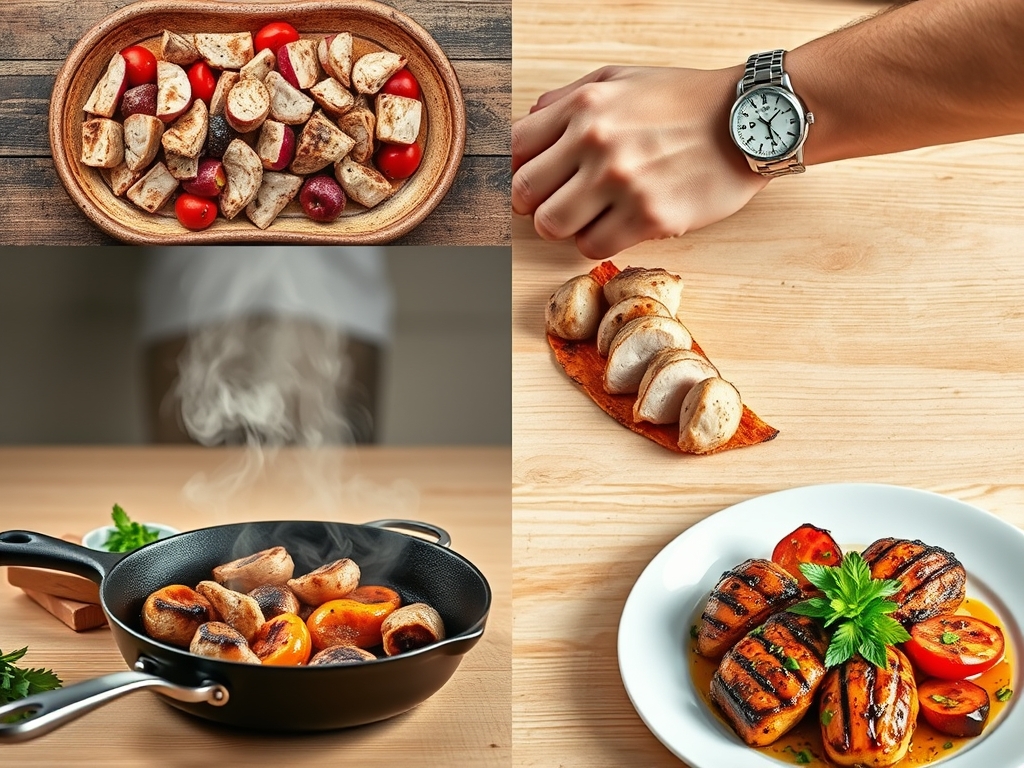
Efficiency in the kitchen is all about the "Chef's Flow." You should allocate twenty minutes for active prep, which includes trimming the poultry and whisking the marinade. The chicken requires a minimum of four hours to marinate, though twelve hours is the sweet spot for enzymatic breakdown. On the grill, expect a twenty to twenty-five minute cook time.
The "Flow" dictates that you pull your chicken from the refrigerator thirty minutes before it hits the grates. This allows the proteins to reach room temperature, preventing a "thermal shock" that results in tough, contracted muscle fibers. While the meat rests post-grill for ten minutes, use that window to char your tortillas and whip up a quick salsa.
The Masterclass
1. The Emulsified Marinade
Combine your spices, aromatics, and liquids in a saucier or a glass bowl. Whisk vigorously until the oil and acid form a viscous emulsion. This ensures that every inch of the chicken is coated in a uniform layer of flavor rather than having the oil and juice separate on the grill.
Pro Tip: The acid in the lime juice acts as a denaturant. It begins to "cook" the surface proteins, breaking down tough connective tissues so the heat can penetrate faster once the bird hits the flame.
2. The Surface Prep
Pat the chicken dry with paper towels before applying the marinade. Use a bench scraper to clear your workspace of any stray trimmings. When applying the rub, make sure to get under the skin. This creates a pocket of flavor that bastes the meat as the fat begins to render.
Pro Tip: Removing surface moisture is the secret to a crispy exterior. Water is the enemy of browning; if the skin is wet, it will steam rather than sear, ruining your texture.
3. The Two-Zone Fire
Set up your grill with a hot zone for searing and a cool zone for indirect cooking. Place the chicken skin-side down over the direct heat first. Use long-handled tongs to move the pieces if flare-ups occur. Once the skin is golden and releases easily from the grate, move it to the cooler side.
Pro Tip: This technique manages thermal carryover. By finishing the chicken on the indirect side, you allow the internal temperature to rise slowly to 165 degrees Fahrenheit without burning the delicate spices on the surface.
4. The Digital Check
Do not guess. Use a digital scale to measure your ingredients during prep and a digital meat thermometer during the cook. Insert the probe into the thickest part of the thigh, avoiding the bone.
Pro Tip: Pull the chicken at 160 degrees. The residual heat will continue to cook the meat as it rests, bringing it to the perfect, safe temperature of 165 degrees without drying it out.
The Deep Dive
Macro Nutrition: One serving of this grilled Mexican chicken provides approximately 35 grams of protein and 18 grams of healthy fats. It is naturally low-carb, making it a powerhouse for muscle recovery and sustained energy.
Dietary Swaps: For a Vegan version, swap the chicken for extra-firm tofu or oyster mushrooms; just reduce the marinating time to thirty minutes. For Keto followers, ensure your spice blend contains no added sugars or cornstarch. This recipe is naturally Gluten-Free, provided your spices are certified.
The Fix-It:
- Flare-ups: If the fat causes flames to jump, do not use water. Simply move the chicken to the indirect heat zone.
- Sticking Skin: If the chicken sticks, it is not ready to flip. The meat will naturally release once the proteins have sufficiently coagulated.
- Rubbery Skin: This happens if the grill temperature was too low. Finish the chicken under a high-heat broiler for sixty seconds to crisp it up.
Meal Prep: To maintain "day-one" quality, reheat your chicken in a heavy-bottomed skillet over medium heat with a tablespoon of water. Cover it with a lid to create a steam chamber. This rehydrates the fibers and prevents that "leftover" taste.
The Wrap-Up
Mastering grilled mexican chicken recipes is about more than just following a list of steps; it is about understanding the chemistry of the grill. When you balance the acidity of the lime with the smoky depth of the peppers and the precision of a two-zone fire, you create something transformative. You are now equipped with the technical knowledge to turn a simple BBQ into a masterclass in flavor. So, fire up those coals, grab your tongs, and get ready to be the hero of the afternoon.
The Kitchen Table
How do I keep the chicken from drying out?
Always use bone-in thighs for maximum moisture retention. Ensure you use a digital thermometer to pull the meat at 160 degrees Fahrenheit, allowing thermal carryover to finish the job during the mandatory ten-minute resting period.
Can I use chicken breasts instead of thighs?
Yes, but you must monitor the temperature closely. Breasts lack the fat content of thighs and can become stringy. Consider pounding them to a uniform thickness with a meat mallet to ensure even cooking across the entire surface.
What is the best wood for Mexican grilling?
Mesquite provides the most authentic, bold flavor profile for Mexican cuisine. If you find mesquite too intense, hickory or pecan offer a milder, sweet smokiness that complements the citrus and cumin notes without overpowering the poultry.
How long can I marinate the chicken safely?
While four hours is the minimum, do not exceed twenty-four hours. The high acid content in the lime juice will eventually begin to break down the protein fibers too much, resulting in a mushy, unappealing texture rather than a tender one.