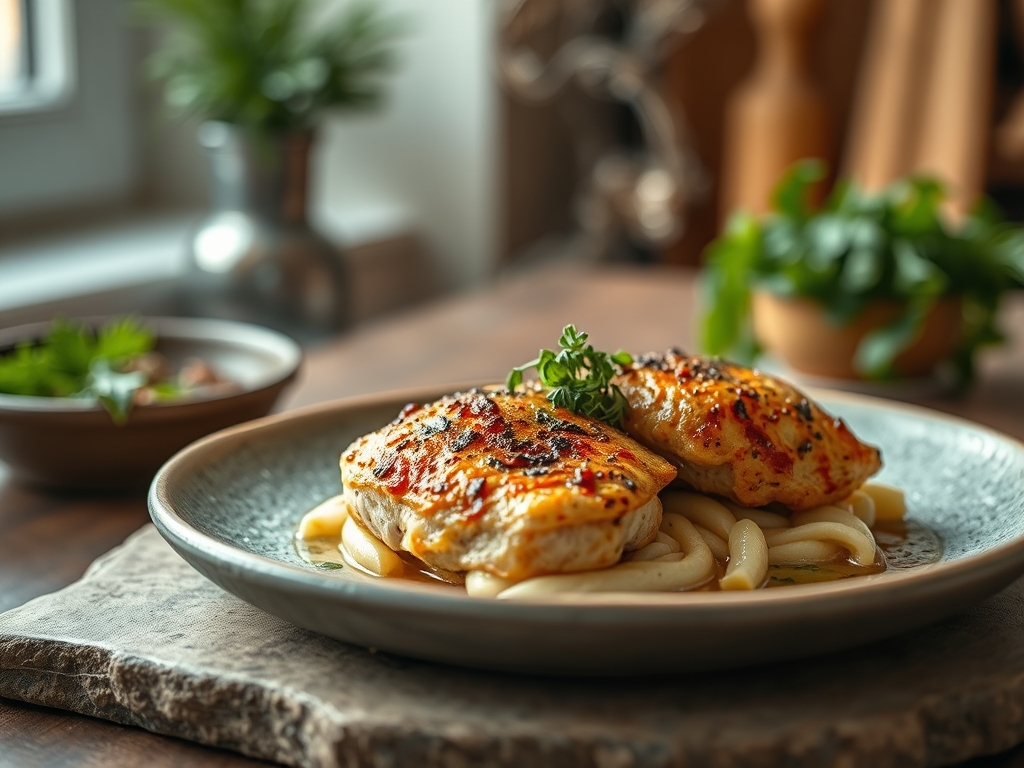
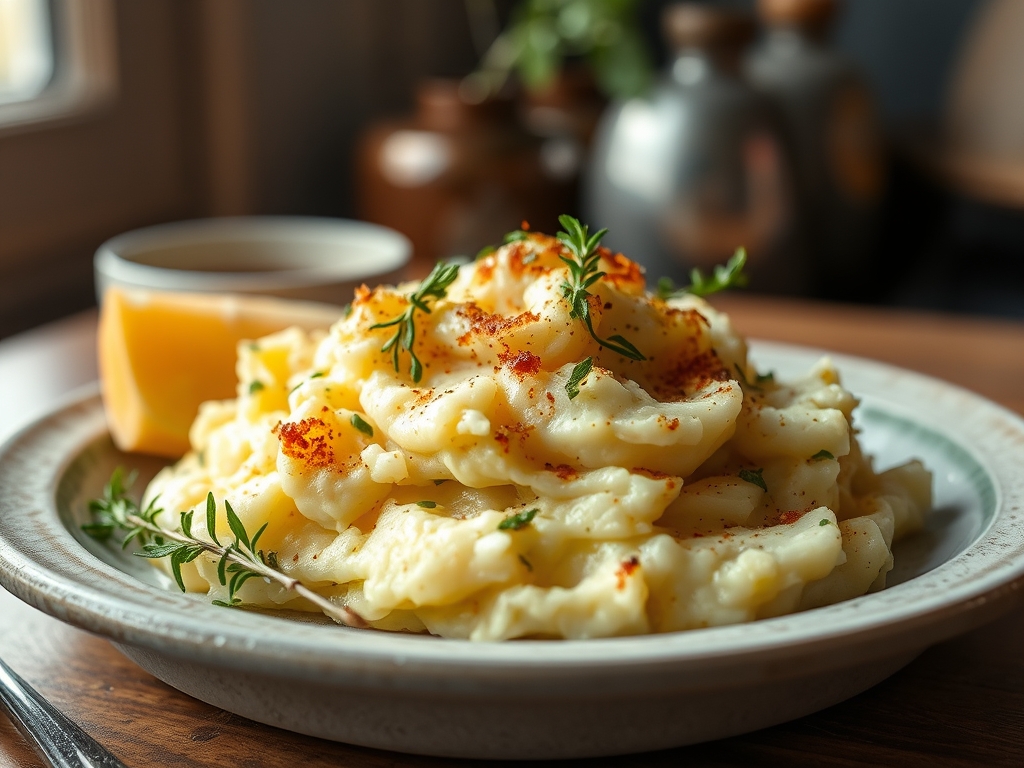
Steam rises from the heavy-bottomed pot in a thick, starchy veil that smells like pure comfort and late-autumn evenings. We have all been there; standing over the stove, craving that specific velvet texture that only the best mashed potato recipes for dinner can provide. It is more than just a side dish; it is a structural foundation for the meal.
Whether you are folding in roasted garlic or mounting the spuds with cultured butter, the chemistry of the potato is your playground. We are moving past the watery, bland bowls of the past. Today, we are focusing on the cellular transformation of the Russet and the Yukon Gold into something transcendental. Grab your apron and your favorite saucier; we are about to turn humble tubers into a five-star event that will redefine your weeknight rotation.
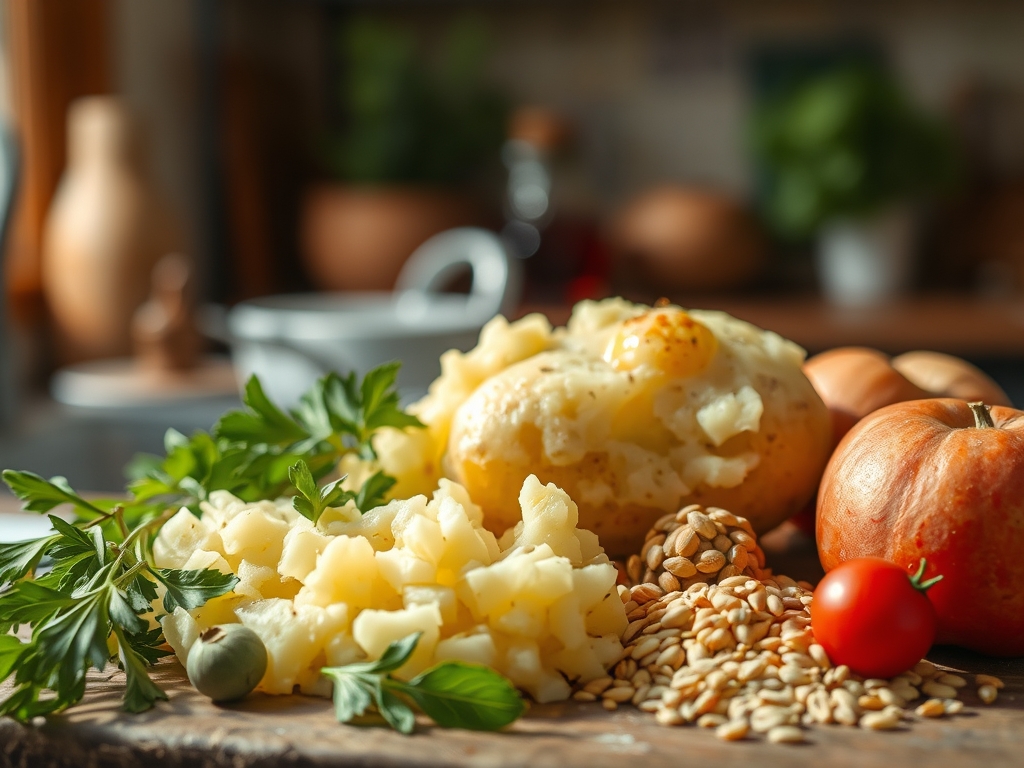
The Gathers:
To achieve the perfect consistency, your mise-en-place must be precise. Start with high-starch Russets for fluffiness or waxy Yukon Golds for a buttery, dense crumb. You will need high-fat European butter (aim for 82 percent butterfat) to ensure a luxurious mouthfeel. For the liquid component, heavy cream and whole milk are non-negotiable for a truly viscous finish.
Do not forget the aromatics. Fresh thyme, rosemary, and smashed garlic cloves are essential for infusing the cream. A digital scale is your best friend here; measuring by weight rather than volume ensures that your starch-to-fat ratio remains consistent every single time.
Smart Substitutions:
If you are looking to lighten the profile without sacrificing the "soul" of the dish, swap half the heavy cream for Greek yogurt. The lactic acid provides a piquant brightness that cuts through the richness of the butter. For a vegan alternative, use a high-quality cashew cream and nutritional yeast to mimic the savory depth of parmesan. If you find yourself out of garlic, a pinch of asafoetida provides a similar allium-rich complexity when bloomed in hot oil.
The Clock
Efficiency in the kitchen is about mastering the "Chef's Flow." Total active prep time should clock in at 15 minutes, with a simmer time of approximately 20 to 25 minutes depending on the size of your dice.
The flow begins with the "Cold Start" method. Never drop potatoes into boiling water; this causes the outside to overcook and slough off before the center reaches the proper temperature. By starting in cold, salted water, you ensure even thermal penetration. While the potatoes simmer, use that 20-minute window to infuse your cream and butter in a small saucier. This parallel processing ensures that when the potatoes are ready to be mashed, your liquids are already at the optimal temperature to prevent "thermal shock," which can turn your mash gummy.
The Masterclass
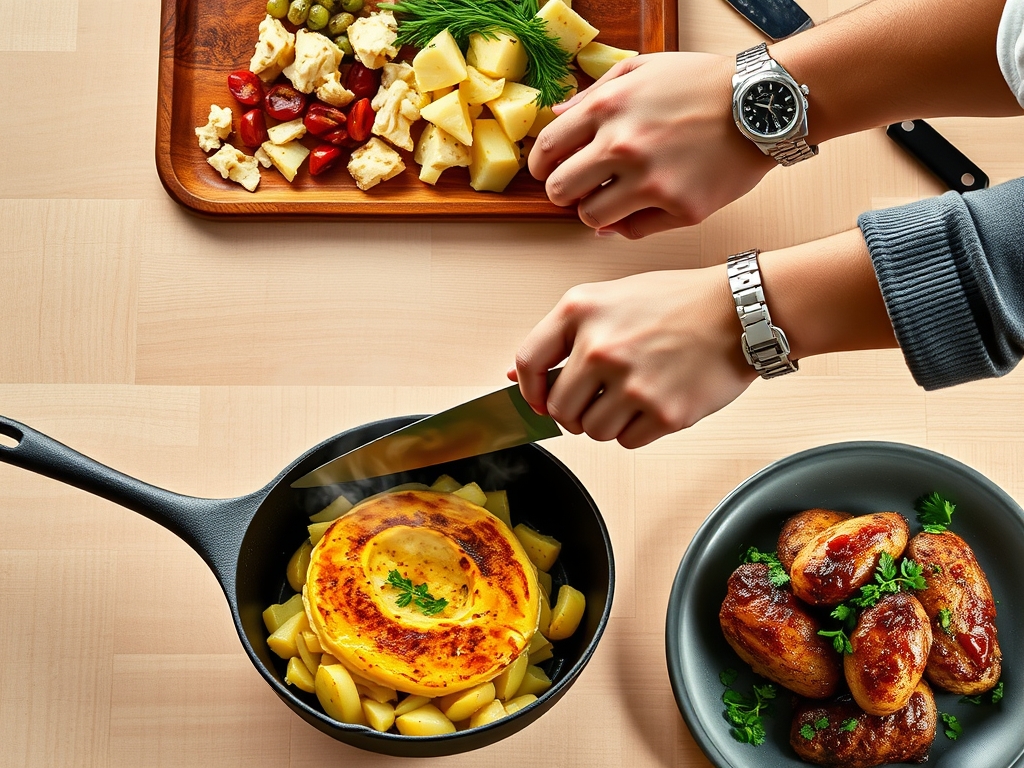
1. The Precision Dice and Cold Start
Peel your potatoes and use a sharp chef's knife to cut them into uniform one-inch cubes. Place them in a pot and cover with cold water by at least two inches. Add a generous amount of kosher salt.
Pro Tip: This stage prevents enzymatic browning. Starting in cold water allows the heat to gradually break down the pectin in the cell walls, ensuring a uniform texture from the core to the surface.
2. The Simmer and Steam Dry
Bring the water to a boil, then reduce to a steady simmer. Once a paring knife slides into a cube with zero resistance, drain them immediately. Return the potatoes to the hot pot for sixty seconds to "steam dry."
Pro Tip: Removing excess moisture is critical. This is called "evaporative cooling." If the potatoes are too wet, the starch granules cannot absorb the fat from the butter, leading to a broken, watery emulsion.
3. The Milling Process
Pass the hot potatoes through a ricer or a food mill into a clean bowl. Avoid using a hand mixer or food processor at this stage, as the high-speed blades will tear the starch molecules.
Pro Tip: Using a ricer minimizes mechanical agitation. Over-working the potatoes releases too much amylose, which turns the mixture into a glue-like, cohesive mass rather than a light, aerated fluff.
4. The Fat Incorporation
Add cold, cubed butter to the hot potatoes first. Use a silicone spatula to gently fold the butter in until it is fully emulsified before adding any liquid.
Pro Tip: This is "fat-coating." By coating the starch granules in fat first, you create a barrier that prevents the liquid from making the mash too heavy. It results in a silkier, more stable texture.
5. The Warm Infusion
Slowly stream in your warm, infused cream. Use a whisk to gently aerate the mixture until it reaches your desired level of viscosity.
Pro Tip: Warm liquids integrate more easily than cold ones. This maintains the "thermal carryover," keeping the dish hot for serving without needing to return it to the stove, which could scorch the bottom.
6. The Final Seasoning
Finish with a shower of fresh chives, a grating of nutmeg via microplane, and flaky sea salt. Taste and adjust for acidity with a tiny drop of lemon juice if needed.
Pro Tip: Nutmeg contains myristicin, which chemically enhances the perception of "creaminess" on the palate, making the potatoes taste richer than they actually are.
The Deep Dive
Macro Nutrition:
A standard serving of these potatoes provides roughly 250 calories, 4 grams of protein, and 12 grams of fat. While high in carbohydrates, potatoes are an excellent source of potassium and Vitamin C.
Dietary Swaps:
For Keto followers, substitute 50 percent of the potatoes with steamed, riced cauliflower. For Gluten-Free diners, ensure your thickeners (if using any) are cornstarch-based, though a proper mash should never require flour.
The Fix-It:
- Gummy Texture: This happens from over-mixing. Fix it by spreading the mash in a baking dish, topping with cheese, and turning it into a gratin.
- Too Salty: Add a splash of heavy cream or a dollop of unsweetened sour cream to dilute the sodium concentration.
- Cold Mash: Do not microwave. Place the bowl over a pot of simmering water (a bain-marie) to gently bring it back to temperature.
Meal Prep:
To reheat with "day-one" quality, add a tablespoon of milk and heat in a covered saucepan over low heat. The steam trapped under the lid re-hydrates the starch molecules without drying out the edges.
The Wrap-Up
Mastering mashed potato recipes for dinner is a rite of passage for any home cook. It is the perfect marriage of chemistry and comfort. By respecting the starch and managing your temperatures, you transform a simple root vegetable into a culinary masterpiece. Now, go grab your ricer and show those potatoes who is boss!
The Kitchen Table
Why are my mashed potatoes gluey?
Gluey potatoes result from over-working the starch. Using a food processor or over-mashing releases excess amylose, creating a sticky, paste-like consistency. Use a ricer or food mill and mix by hand to keep the texture light and fluffy.
Can I make mashed potatoes ahead of time?
Yes. Store them in the fridge for up to two days. Reheat slowly on the stovetop with an extra splash of milk or cream to restore the creamy emulsion and prevent the starch from becoming grainy or dry.
Should I peel potatoes before or after boiling?
Peeling before boiling allows for a faster, more even cook and easier mashing. However, boiling with skins on can preserve more potato flavor. For the smoothest "dinner classic" style, peeling before boiling is the professional standard.
What is the best potato for mashing?
Yukon Golds are the gold standard for a buttery, creamy texture. Russets are best for a light, fluffy, and airy mash. For the ultimate dinner side, many chefs use a 50/50 blend of both varieties.