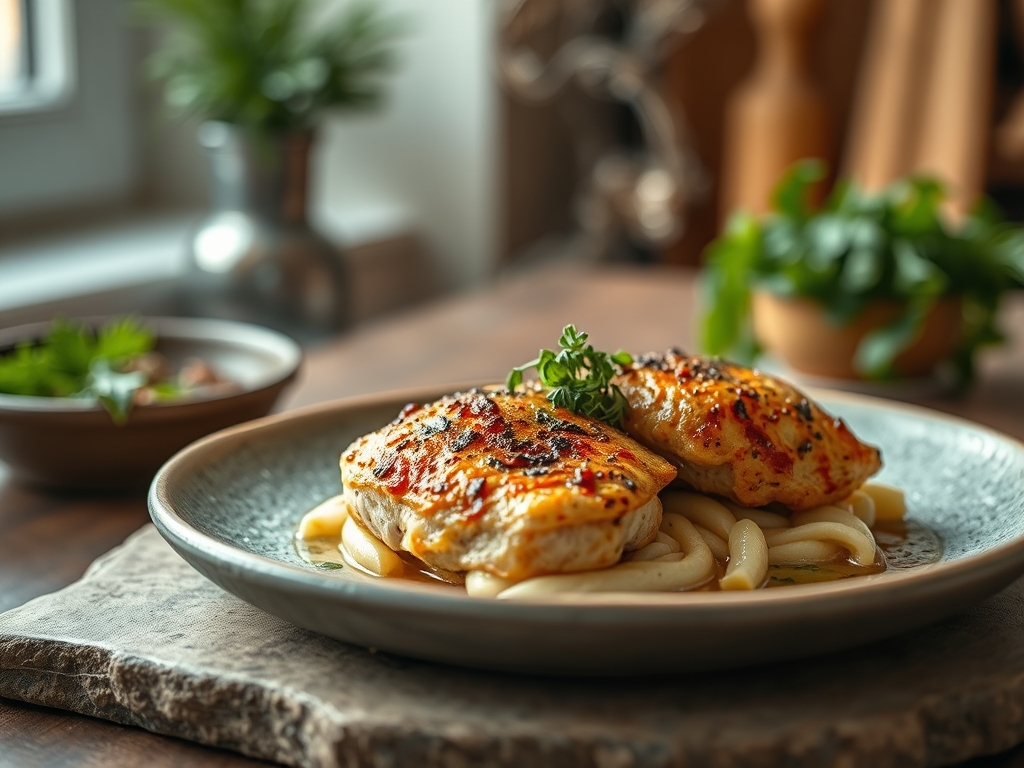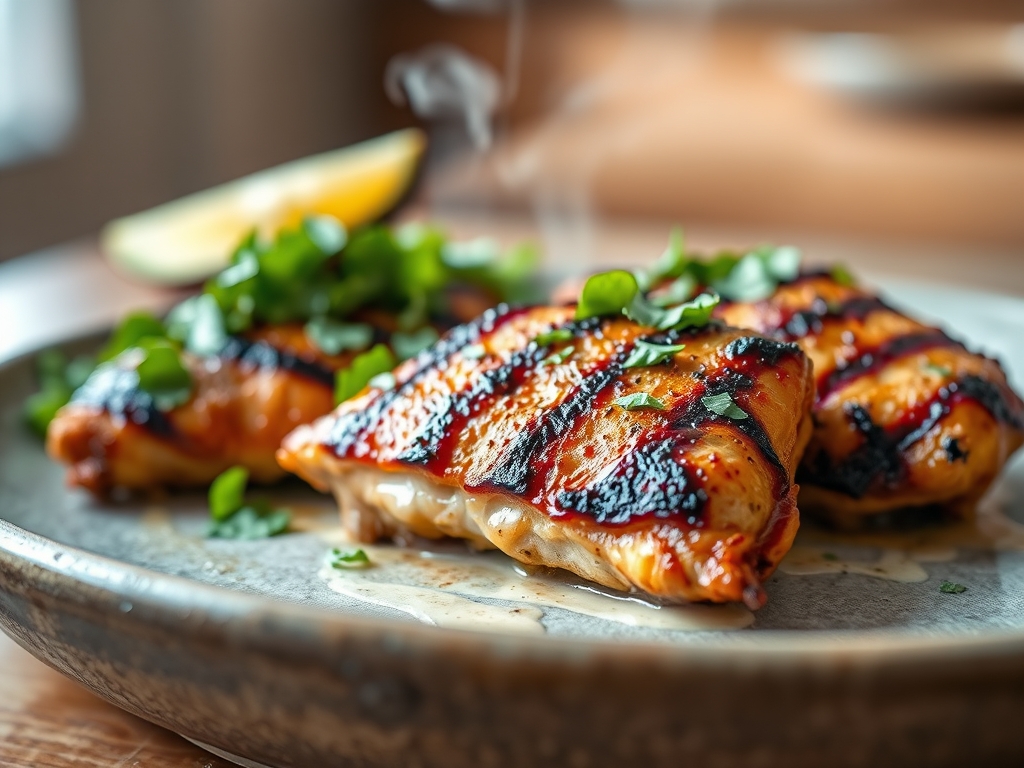
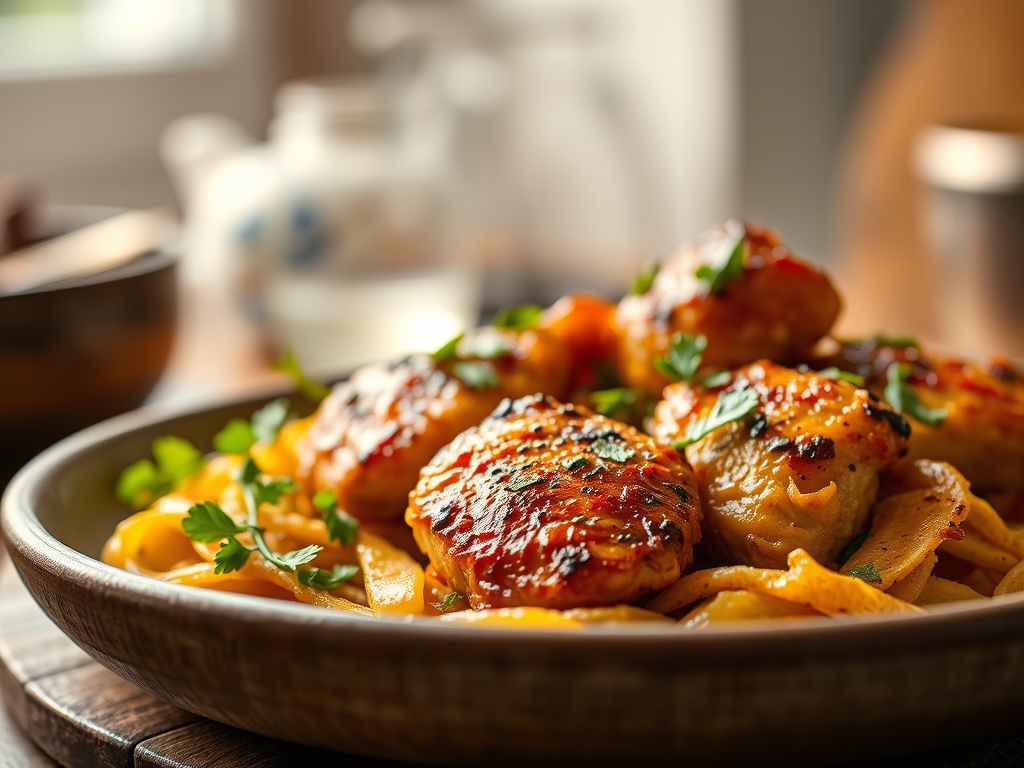
Imagine the sound of cold protein hitting a shimmering layer of hot fat. That rhythmic sizzle is the opening note of a culinary masterpiece that requires only a single vessel. When you master one skillet chicken recipes, you are not just cooking dinner; you are managing a complex series of chemical reactions that transform humble poultry into a bistro level feast. This approach is the ultimate intersection of efficiency and flavor. By using just one pan, you trap every drop of rendered fat and caramelized juice, ensuring that your vegetables and grains are infused with a deep, savory foundation. Forget the mountain of dishes and the frantic multitasking. We are focusing on high impact techniques that maximize the Maillard reaction while keeping your kitchen calm and your palate thrilled.
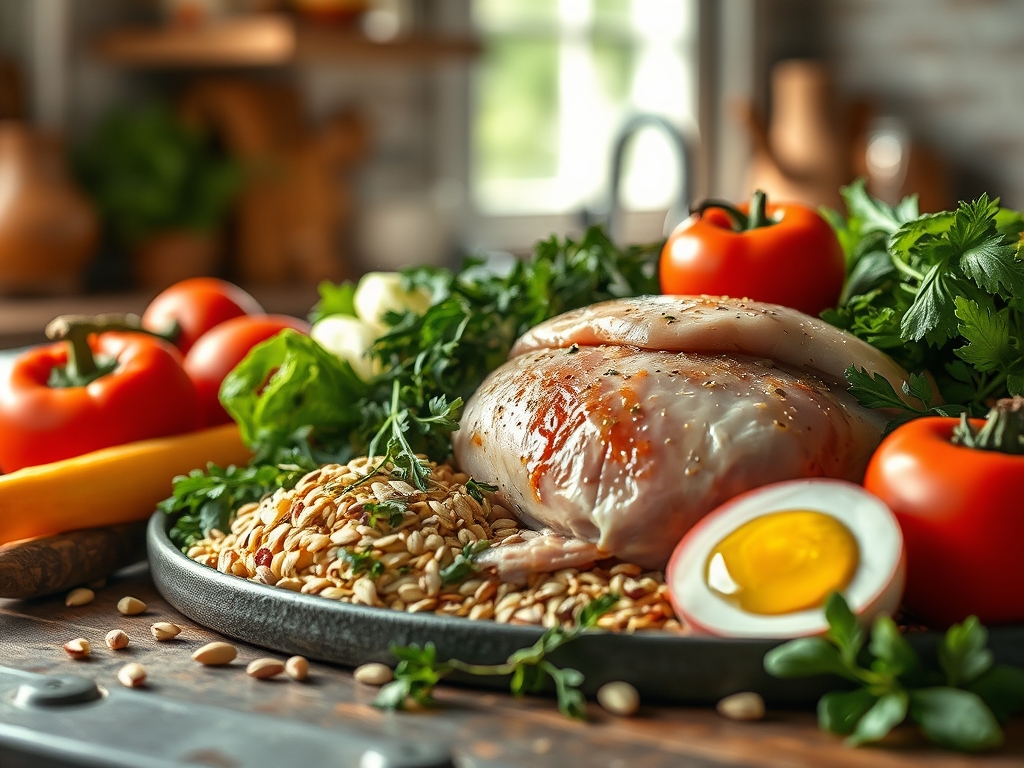
The Gathers:
Before the heat meets the metal, your mise en place must be impeccable. Success in one skillet chicken recipes relies on the strategic layering of textures and aromatics. Start with high quality chicken thighs or breasts, ensuring they are patted dry with paper towels to remove surface moisture. This prevents steaming and encourages a crisp, golden crust. You will need a heavy bottomed skillet, preferably cast iron or stainless steel, which offers the thermal mass necessary to maintain consistent temperatures when cold ingredients are added.
Your aromatic base should include translucent alliums like shallots or leeks, which provide a more nuanced sweetness than standard yellow onions. For the piquant notes, gather fresh garlic, ginger, or chili flakes. The liquid components are equally vital; have a viscous chicken bone broth, a dry white wine for deglazing, or heavy cream ready for emulsification. Smart Substitutions are your best friend here. If you are out of white wine, a splash of verjus or a teaspoon of apple cider vinegar diluted in water provides that essential acidity. Swap heavy cream for full fat coconut milk to achieve a silky mouthfeel with a tropical undertone, or use a dollop of Greek yogurt stirred in at the very end for a tangy, lower calorie finish.
The Clock
Efficiency in the kitchen is about understanding the Chef's Flow. This is the art of overlapping tasks so that no second is wasted. For these one skillet chicken recipes, expect a total commitment of forty five minutes. The first ten minutes are dedicated to the prep: dicing aromatics with a sharp chef's knife and measuring spices on a digital scale for precision. The active cooking phase typically spans twenty five minutes, starting with the high heat sear and transitioning into a gentle simmer.
The final ten minutes are the most overlooked but arguably the most important. This is the resting phase. While the chicken sits, the muscle fibers relax and reabsorb the internal juices. If you cut into the meat too soon, the moisture escapes instantly, leaving you with a dry result. Use this time to tidy your workspace with a bench scraper or to prepare a simple side salad. By following this flow, you ensure that the meal is served at the peak of its textural integrity.
The Masterclass
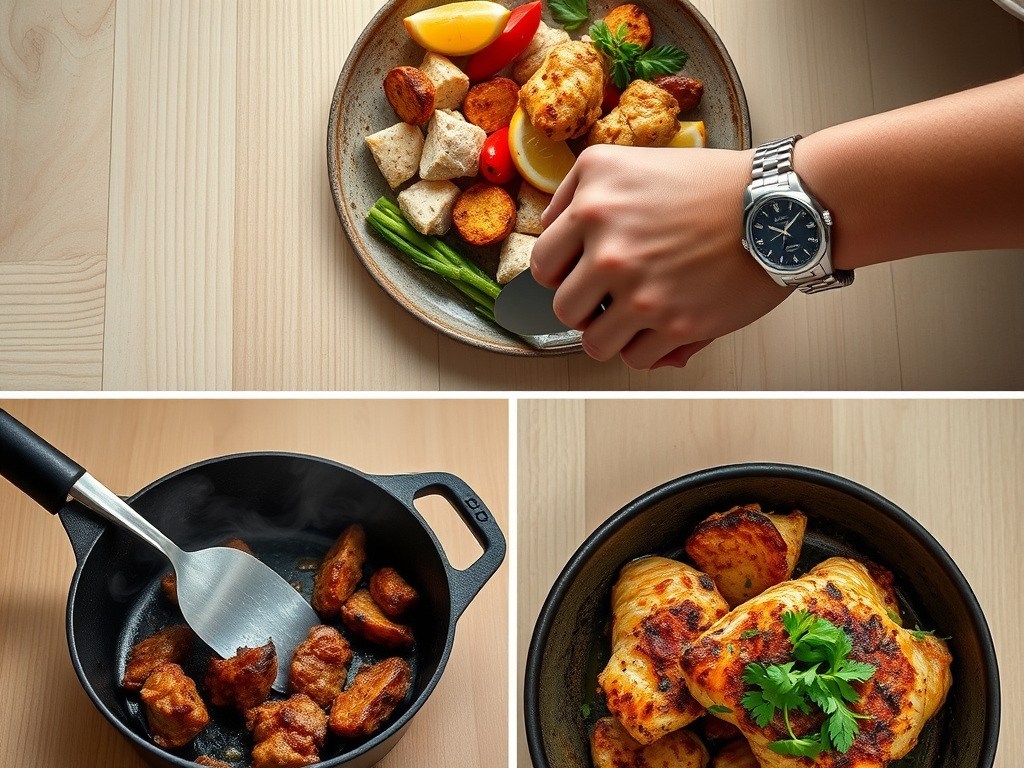
1. The Sear and Render
Place your chicken skin side down in a cold skillet and gradually raise the heat to medium high. This technique allows the subcutaneous fat to render out slowly, resulting in shatteringly crisp skin without burning the meat. Use sturdy tongs to press the chicken down, ensuring maximum surface contact.
Pro Tip: This process is known as the Maillard reaction. It is a chemical reaction between amino acids and reducing sugars that creates hundreds of different flavor compounds. Achieving a deep mahogany color is the key to a savory depth that cannot be replicated by boiling or steaming.
2. Deglazing the Fond
Once the chicken is browned and removed from the pan, you will see brown bits stuck to the bottom. This is the "fond," and it is concentrated flavor gold. Pour in your liquid of choice; wine, broth, or citrus juice; and use a wooden spoon to scrape the bottom of the pan.
Pro Tip: Deglazing uses the principle of solubility to incorporate caramelized proteins into your sauce. The steam created by the liquid hitting the hot pan also helps loosen any stubborn particles, effectively cleaning your pan while building a complex sauce base.
3. Layering the Aromatics
Reduce the heat to medium and add your hard vegetables like carrots or potatoes, followed by your aromatics. Sauté until the onions are translucent and the garlic is fragrant but not browned. This creates a flavor bridge between the seared meat and the final sauce.
Pro Tip: Fat is a highly efficient flavor carrier. By sautéing aromatics in the rendered chicken fat, you are performing a lipid extraction, pulling the essential oils out of the herbs and spices and distributing them evenly throughout the entire dish.
4. The Gentle Braise
Return the chicken to the skillet, nesting it among the vegetables. Add enough liquid to come halfway up the sides of the meat. Cover with a tight fitting lid to trap steam, which gently cooks the interior of the chicken while keeping it incredibly moist.
Pro Tip: This dual heat method uses conduction from the pan and convection from the steam. It prevents the exterior from overcooking while ensuring the internal temperature reaches a safe 165 degrees Fahrenheit through thermal carryover.
5. The Final Emulsification
Remove the lid for the last five minutes of cooking to allow the sauce to reduce. Stir in a cold pat of butter or a splash of cream to create a glossy, viscous coating that clings to every ingredient. Use a microplane to zest fresh lemon over the top for a bright, acidic finish.
Pro Tip: Emulsification is the process of combining two liquids that usually don't mix, like fat and water. The proteins in the reduced sauce act as stabilizers, creating a smooth texture that feels luxurious on the tongue.
The Deep Dive
When we look at the macro nutrition of one skillet chicken recipes, we see a balanced profile of high quality protein, healthy fats, and complex carbohydrates from the added vegetables. For those following specific diets, these meals are incredibly adaptable. To make a recipe Keto, swap root vegetables for cauliflower or zucchini. For a Vegan twist, replace chicken with thick slabs of cauliflower or firm tofu, using vegetable bouillon as the base. Gluten free diners simply need to ensure their chicken broth is certified and avoid using flour as a thickener, opting instead for a cornstarch slurry or a natural reduction.
Even the best chefs hit snags. If your sauce is too thin, do not panic; simply remove the chicken and boil the liquid rapidly to evaporate excess water. If the chicken is sticking to the pan, it usually means it is not finished searing yet. Protein "releases" naturally from the metal once the crust has formed. If your sauce breaks and looks oily, whisk in a tablespoon of warm water or broth to re-emulsify the fats.
For meal prep enthusiasts, reheating is a science. Avoid the microwave, which can turn chicken rubbery. Instead, place the leftovers back in a skillet with a splash of water and cover with a lid. This recreates the steaming environment, gently warming the meat without stripping away its moisture, maintaining that "day one" quality.
The Wrap-Up
Mastering one skillet chicken recipes is like learning a secret language of flavor and efficiency. You have the tools, the scientific knowledge, and the professional techniques to turn a simple weeknight dinner into a culinary event. Remember that cooking is an experimental journey; do not be afraid to swap herbs, adjust acidity, or play with textures. Your skillet is a canvas, and every sizzle is a step toward perfection. Now, grab your tongs and let the magic happen!
The Kitchen Table
Why is my chicken always dry in one skillet meals?
Dry chicken usually results from overcooking or skipping the resting phase. Use a digital thermometer to pull the chicken at 160 degrees; thermal carryover will bring it to 165. Always let the meat rest for five minutes before serving.
Can I use chicken breasts instead of thighs?
Yes, but breasts cook faster and have less fat. To prevent drying, sear them quickly and reduce the simmering time. You may also want to add a bit more oil or butter to compensate for the lower fat content.
What is the best skillet for these recipes?
A heavy bottomed 12 inch cast iron or stainless steel skillet is ideal. These materials distribute heat evenly and are excellent for developing a deep sear, which is essential for the flavor profile of one skillet meals.
How do I get crispy skin when cooking with liquid?
The key is to keep the skin above the liquid line. When you return the chicken to the pan for the braising step, nestle it so only the bottom half is submerged. This keeps the skin dry and crisp.