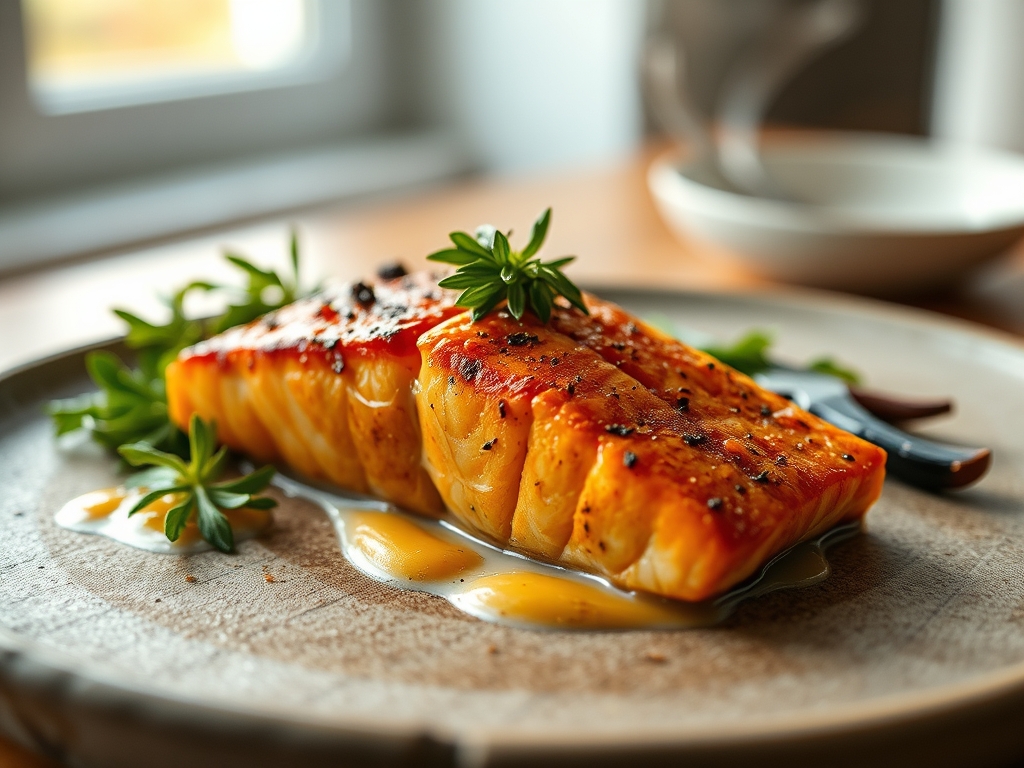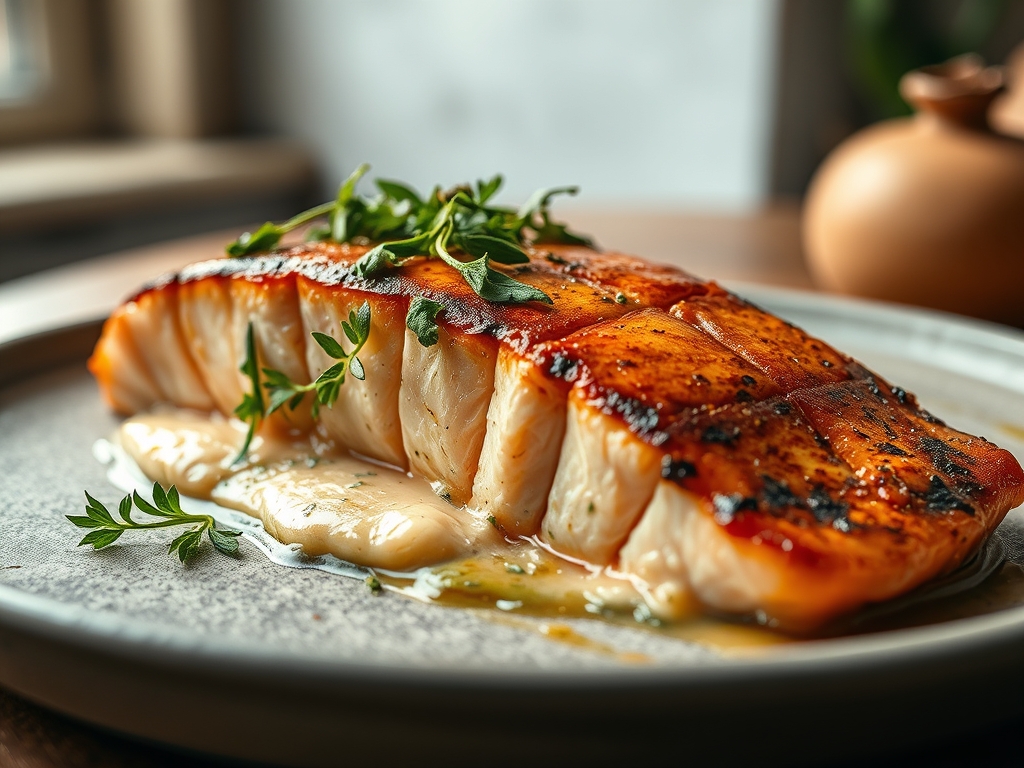
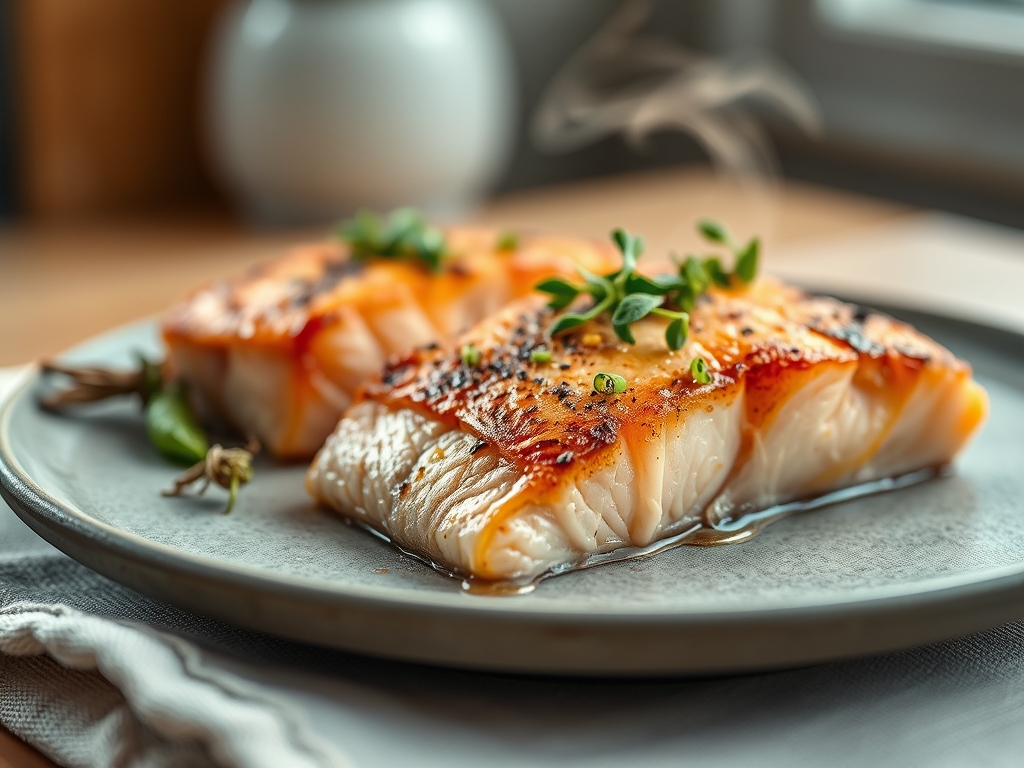
Picture this: you open your refrigerator and find a lonely, chilled fillet of last night's dinner. Most people see a sad, cold protein; I see a structural masterpiece waiting for a second act. Finding the best leftover salmon recipes is not just about avoiding food waste; it is about manipulating existing textures to create something entirely new. We are going to transform that flaky, omega-3-rich treasure into culinary gold using a bit of molecular physics and a lot of style.
Salmon is a unique protein because its fats are highly unsaturated, meaning they remain fluid even at lower temperatures. When we reheat it, we have to be careful not to trigger the "albumin leak," which is that white, protein-rich substance that seeps out when the muscle fibers contract too tightly. By integrating your leftovers into new formats like crispy cakes, silky rillettes, or aerated mousses, you bypass the dryness issues of traditional reheating. We are aiming for high-velocity flavor with minimal effort. Whether you want a piquant breakfast or a sophisticated dinner, these strategies ensure your second-day salmon outshines the original roast.
The Gathers:
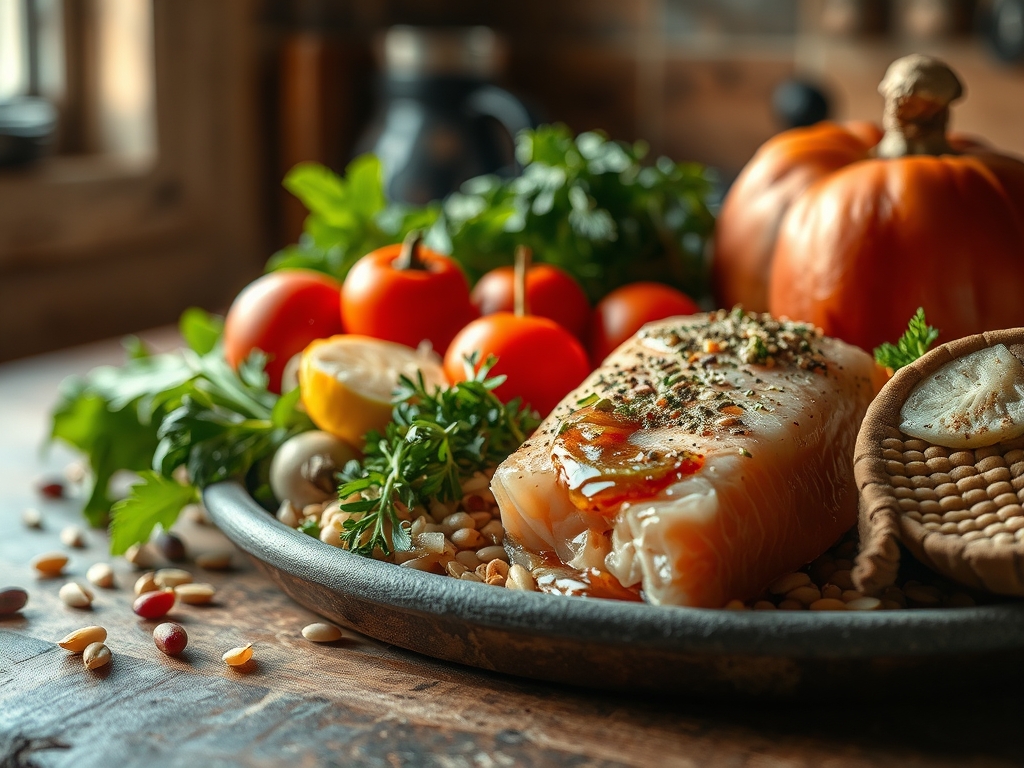
To execute the best leftover salmon recipes, your mise-en-place must be precise. Start with your cold salmon, which should be flaked into uniform shards using a fork or a bench scraper to maintain structural integrity. You will need a high-quality fat source to restore moisture; think organic Greek yogurt, avocado oil mayonnaise, or a cultured butter. These fats act as an emulsifier, binding the dry protein fibers into a cohesive, viscous mass.
For aromatics, gather fresh dill, capers, and shallots. The sulfur compounds in shallots provide a sharp counterpoint to the rich lipids in the fish. You will also need an acid, such as lemon juice or white balsamic vinegar, to brighten the palate and denature any lingering fishy proteins. For texture, keep panko breadcrumbs or almond flour nearby to provide a crunch that contrasts with the tender fish.
Smart Substitutions: If you are out of fresh herbs, a teaspoon of dried tarragon offers a sophisticated, anise-like profile. If you need to keep things dairy-free, use a silken tofu puree instead of yogurt; it provides the same protein density and creamy mouthfeel without the lactose. If you lack panko, crushed pork rinds or toasted sesame seeds offer a keto-friendly crust that undergoes a beautiful Maillard reaction when seared in a heavy-bottomed skillet.
The Clock
Efficiency in the kitchen is about "Chef's Flow," which is the art of overlapping tasks to minimize downtime. For most of these recipes, your active prep time is a mere 10 minutes, with a cook time of 5 to 8 minutes. The total investment is under 20 minutes from fridge to table.
The secret to speed is using a microplane for your aromatics. Zesting a lemon and grating a clove of garlic directly into your mixing bowl takes seconds and ensures the essential oils are infused immediately into the binder. While your heavy-bottomed skillet preheats, you can assemble your salmon cakes or toss your pasta. Never put cold fish into a cold pan; you want that immediate sizzle to prevent sticking and to jumpstart the crisping process.
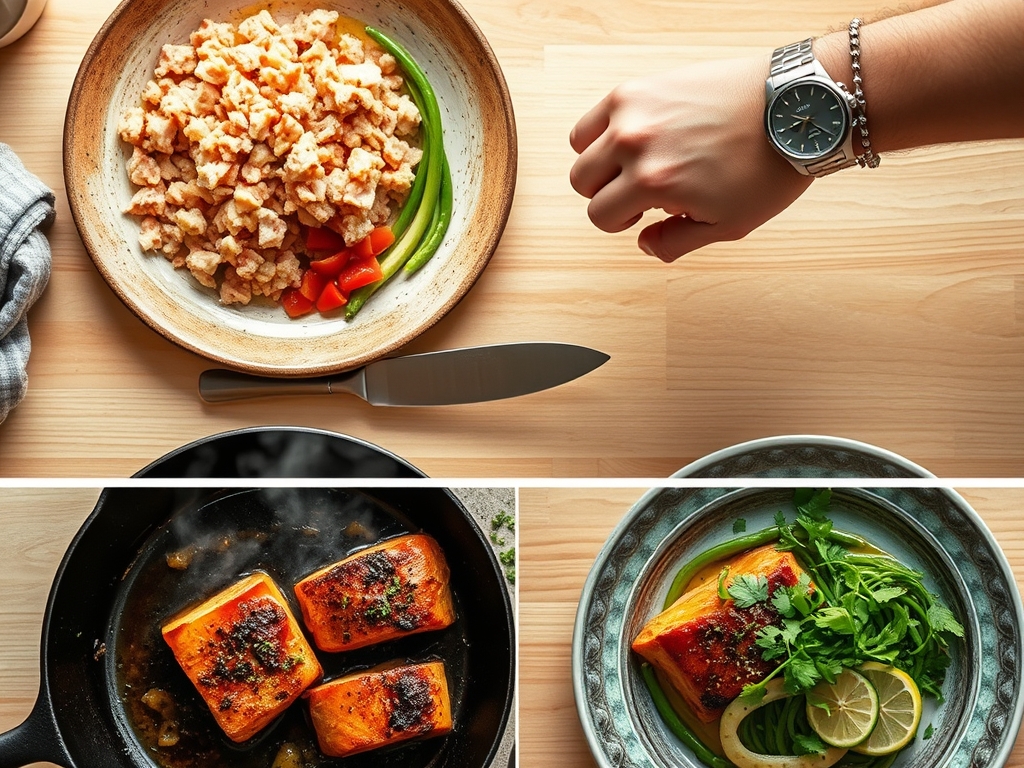
The Masterclass
1. The Crispy Golden Salmon Cake
Start by flaking your salmon into a bowl and adding one beaten egg, two tablespoons of Greek yogurt, and a handful of panko. Use your hands to gently fold the mixture so you do not pulverize the fish. Form them into thick pucks and chill for five minutes to allow the starches to hydrate. Sear in a hot skillet with neutral oil until a deep mahogany crust forms.
Pro Tip: This crust is the result of the Maillard reaction, where amino acids and reducing sugars rearrange under high heat. Chilling the cakes first prevents thermal carryover from overcooking the center before the exterior gets crunchy.
2. The Piquant Salmon Rillette
In a small saucier or mixing bowl, whip room-temperature butter with lemon zest, capers, and flaked salmon. This is a cold preparation that relies on the emulsification of fat and protein. Serve it on toasted baguette slices for a high-fat, high-flavor snack.
Pro Tip: Use a rubber spatula to fold the ingredients. This prevents the aeration of the fats, keeping the rillette dense and luxurious rather than foamy.
3. The Umami Salmon Fried Rice
Cold salmon is the perfect addition to day-old rice. Sauté ginger and garlic in a wok, add the rice to deglaze the pan with a splash of soy sauce, and toss in the salmon at the very end. The high heat of the wok allows the rice to crisp while the salmon just barely warms through.
Pro Tip: This method utilizes "carryover heating." By adding the salmon at the end, you use the residual heat of the rice to warm the fish, preventing the fats from oxidizing and becoming "fishy."
4. The Silky Salmon Carbonara
Whisk egg yolks and Pecorino Romano in a bowl. Toss hot pasta into the mixture with a splash of pasta water to create a viscous sauce. Gently fold in the salmon flakes. The heat from the pasta will temper the eggs and warm the fish simultaneously.
Pro Tip: The starch in the pasta water acts as a stabilizer, preventing the egg yolks from curdling when they hit the heat. This ensures a velvety texture rather than scrambled eggs.
5. The Zesty Salmon Salad Wrap
Mix salmon with mashed avocado, lime juice, and cilantro. Use a large butter lettuce leaf as a vessel. The acidity of the lime prevents the avocado from browning while cutting through the richness of the fish.
Pro Tip: Enzymatic browning in avocados is halted by the low pH of the lime juice, which deactivates the polyphenol oxidase enzyme.
6. The Smoked Salmon Style Omelet
Whisk three eggs until aerated and pour into a non-stick pan. Once the edges set, add flaked salmon and goat cheese to one half and fold. The gentle heat of the eggs will soften the cheese and warm the fish without toughening it.
Pro Tip: Aerating the eggs by whisking vigorously creates tiny air pockets that expand when heated, resulting in a fluffier, more tender omelet structure.
7. The Mediterranean Salmon Bowl
Combine cold salmon with quinoa, cucumbers, kalamata olives, and a tahini dressing. The tahini provides a nutty, earthy base that complements the fatty profile of the salmon perfectly.
Pro Tip: Quinoa has a high surface area that allows the tahini dressing to cling via capillary action, ensuring every bite is perfectly seasoned.
8. The Salmon and Dill Flatbread
Spread a thin layer of creme fraiche over a pre-made flatbread, top with salmon and red onions, and bake for five minutes. Finish with fresh dill and a drizzle of honey for a sweet and savory contrast.
Pro Tip: Baking the flatbread at a high temperature briefly allows the sugars in the red onion to undergo caramelization, adding a complex sweetness to the dish.
The Deep Dive
From a macro perspective, salmon is a powerhouse. It is loaded with Vitamin B12, Vitamin D, and selenium. When you repurpose it, you are maintaining its high protein density; usually around 20 to 25 grams per 4-ounce serving. For those on specific diets, salmon is naturally Keto and Gluten-Free. To make these recipes vegan, you would need to swap the salmon for "carrot lox" or marinated chickpeas, though the protein profile will change significantly.
The Fix-It:
- Dry Texture: If your salmon feels like sawdust, fold in a tablespoon of heavy cream or mayo. The lipids will coat the dry fibers and restore a succulent mouthfeel.
- Fishy Aroma: This is caused by Trimethylamine N-oxide (TMAO) breaking down. To fix it, rinse the cold salmon in a little milk or lemon juice before using; the proteins in milk bind to the "fishy" compounds and neutralize them.
- Falling Apart: If your salmon cakes won't stay together, add more binder (egg) or chill them longer. The cold temperature helps the fats and proteins "set" into a solid structure.
Meal Prep Science: To reheat salmon while maintaining "day-one" quality, use a low and slow approach. Place it in a 275-degree oven with a splash of water and cover it tightly with foil. This creates a steam chamber that gently hydrates the fish without hitting the high temperatures that cause protein contraction and dryness.
The Wrap-Up
Transforming your leftovers into the best leftover salmon recipes is a masterclass in kitchen resourcefulness. By understanding the chemistry of fats, the physics of heat, and the balance of acidity, you can turn a simple repeat meal into a gourmet experience. Don't let that beautiful fish go to waste; grab your skillet, trust your palate, and get creative. You have the tools, the science, and the flavor; now go make something incredible!
The Kitchen Table
How long does leftover salmon stay good in the fridge?
Stored in an airtight container, cooked salmon remains safe and flavorful for three to four days. Always ensure your refrigerator is set to 40 degrees Fahrenheit or lower to inhibit bacterial growth and maintain optimal protein integrity.
Can you freeze cooked salmon leftovers?
Yes, you can freeze cooked salmon for up to three months. Wrap it tightly in plastic wrap and place it in a vacuum-sealed bag to prevent freezer burn and lipid oxidation, which can alter the delicate flavor.
What is the best way to flake salmon for recipes?
Use a fork or a bench scraper to gently pull the meat apart along its natural fat lines. Avoid over-processing or mashing the fish, as maintaining larger flakes provides a superior, premium texture in cakes and salads.
Is it safe to eat cold leftover salmon?
Absolutely. Cold salmon is a delicacy often used in rillettes and salads. As long as it was cooked to an internal temperature of 145 degrees Fahrenheit and chilled promptly, it is perfectly safe and delicious to consume cold.
How do I stop salmon from smelling when reheating?
Reheat at a low temperature and add a splash of water or lemon juice. Covering the dish prevents the volatile aromatic compounds from filling the room while keeping the moisture locked inside the protein fibers for a better taste.