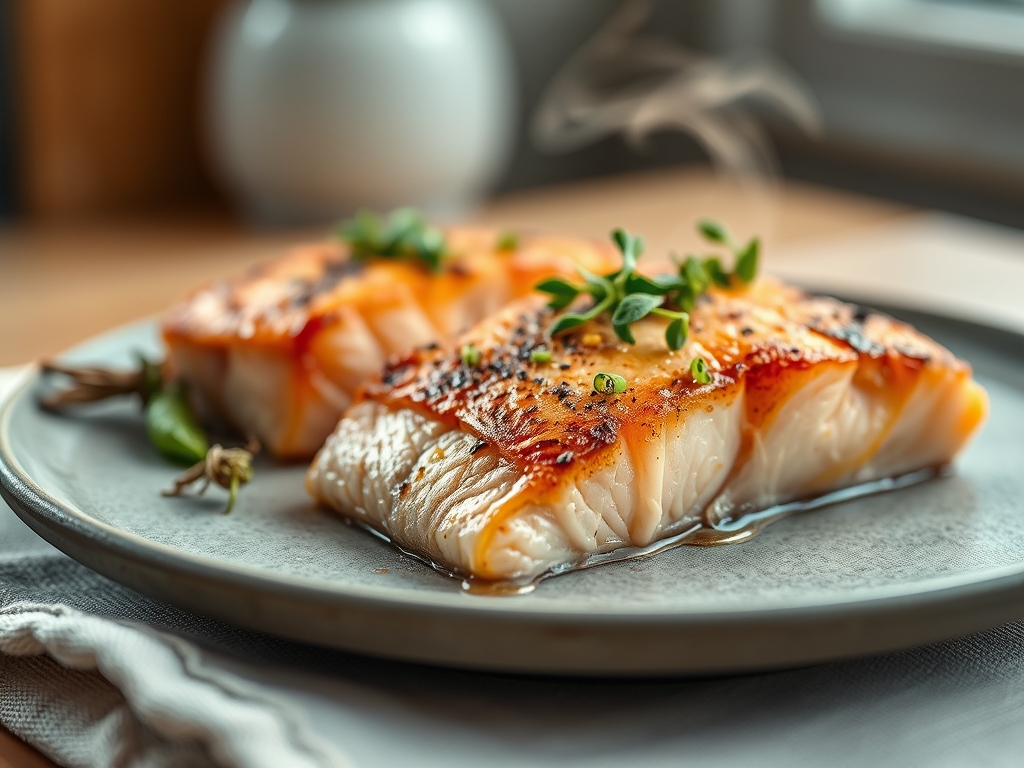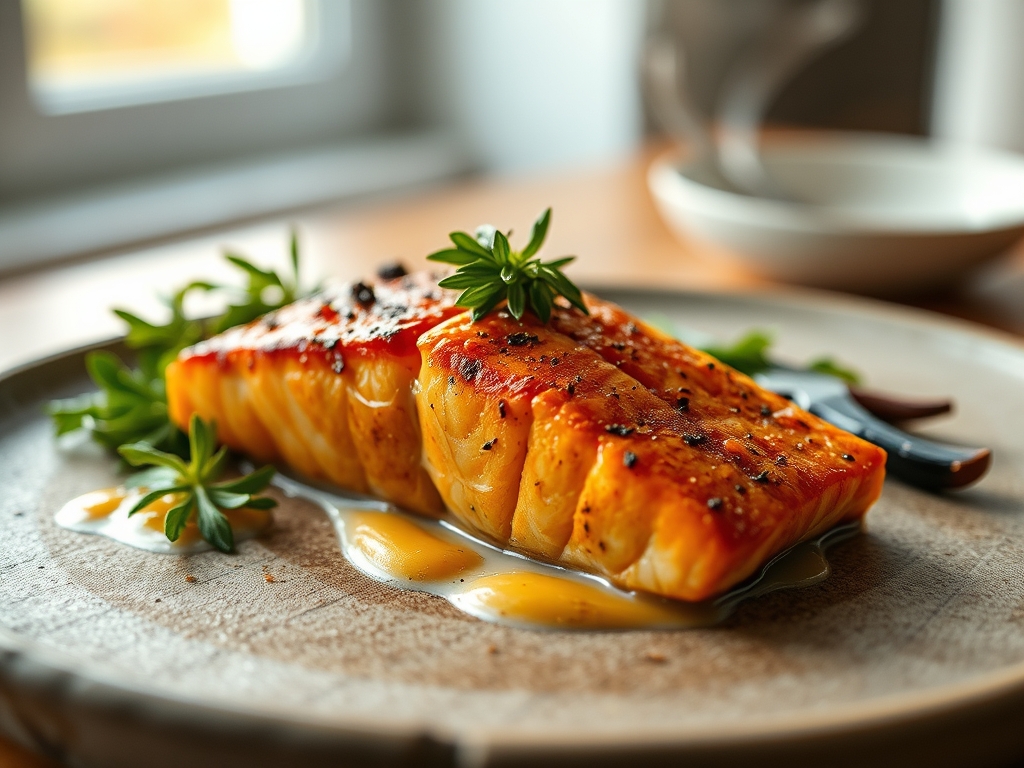
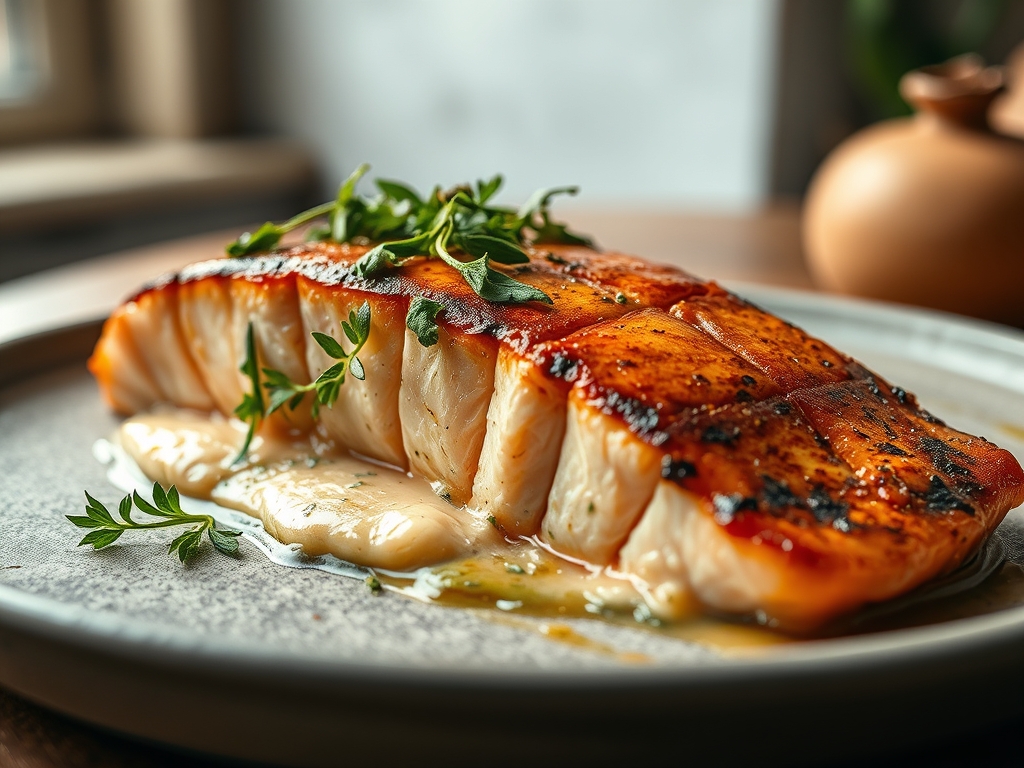
Imagine the scent of citrus zest hitting a hot sheet pan; it is a sharp, bright aroma that cuts through the rich, buttery scent of melting fats. When you are hosting, nothing commands a table quite like a massive, glistening side of fish. Mastering salmon recipes for a crowd transforms you from a stressed host into a culinary architect.
The Gathers:
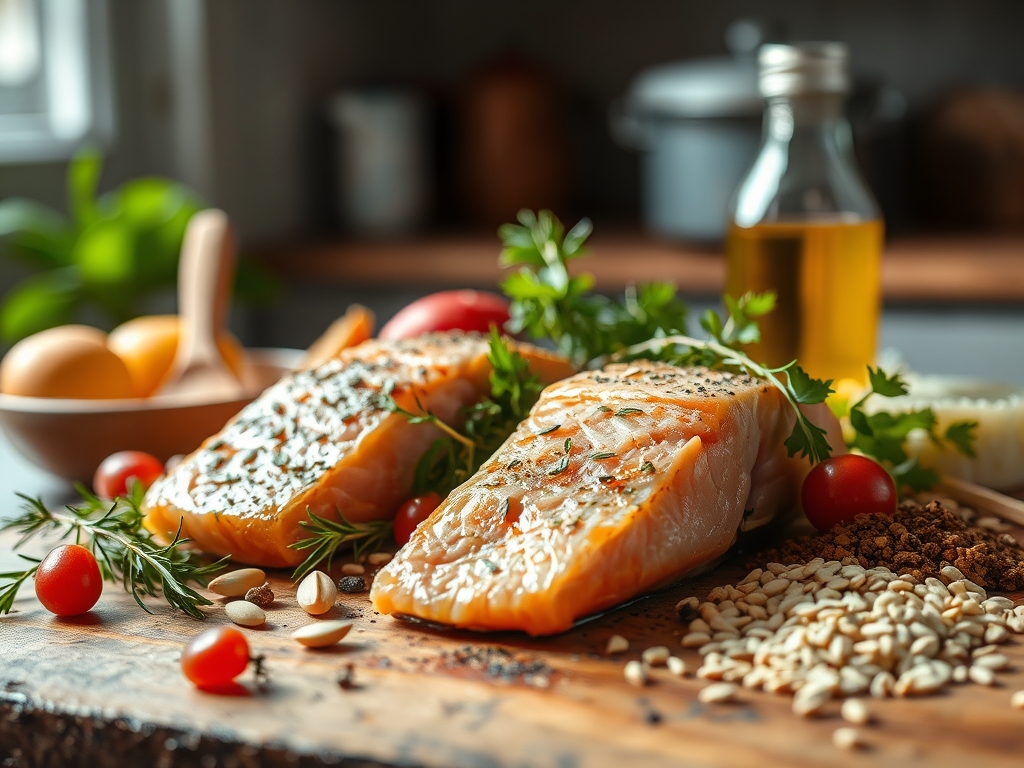
To execute these seven variations, your mise-en-place must be precise. We are looking for viscous binders like Dijon mustard or honey to ensure our crusts adhere. You will need high-quality fats; think grass-fed butter for its high milk solid content or avocado oil for its impressive smoke point of 520 degrees Fahrenheit. Gather your aromatics: fresh dill, flat-leaf parsley, and chives. Use a microplane to shave down garlic into a fine paste; this increases the surface area for maximum flavor infusion without the bite of large raw chunks.
For the dry goods, look for panko breadcrumbs or crushed pistachios to provide a structural contrast to the tender protein. If you are looking for Smart Substitutions, swap heavy cream in sauces for full-fat coconut milk to maintain a velvety mouthfeel while remaining dairy-free. If fresh salmon is unavailable, high-quality frozen fillets are scientifically comparable; just ensure they are thawed slowly in the refrigerator to prevent cellular rupture, which leads to a mushy texture.
The Clock
Efficiency in a busy kitchen relies on the Chef's Flow. This is the art of overlapping tasks so that no minute is wasted. For a crowd of twelve, expect a total active prep time of 25 minutes and a cook time of 15 to 20 minutes depending on the thickness of the fillets.
The flow begins with the "Cold Prep" where you chop all herbs and zest all citrus. Next is the "Binding Phase" where you prepare your glazes in a saucier to ensure even heat distribution. Finally, the "Thermal Phase" involves the actual roasting. By the time the salmon enters the oven, your kitchen should already be clean. This cadence ensures the fish is served at its peak temperature of 125 degrees Fahrenheit for a medium-rare finish.
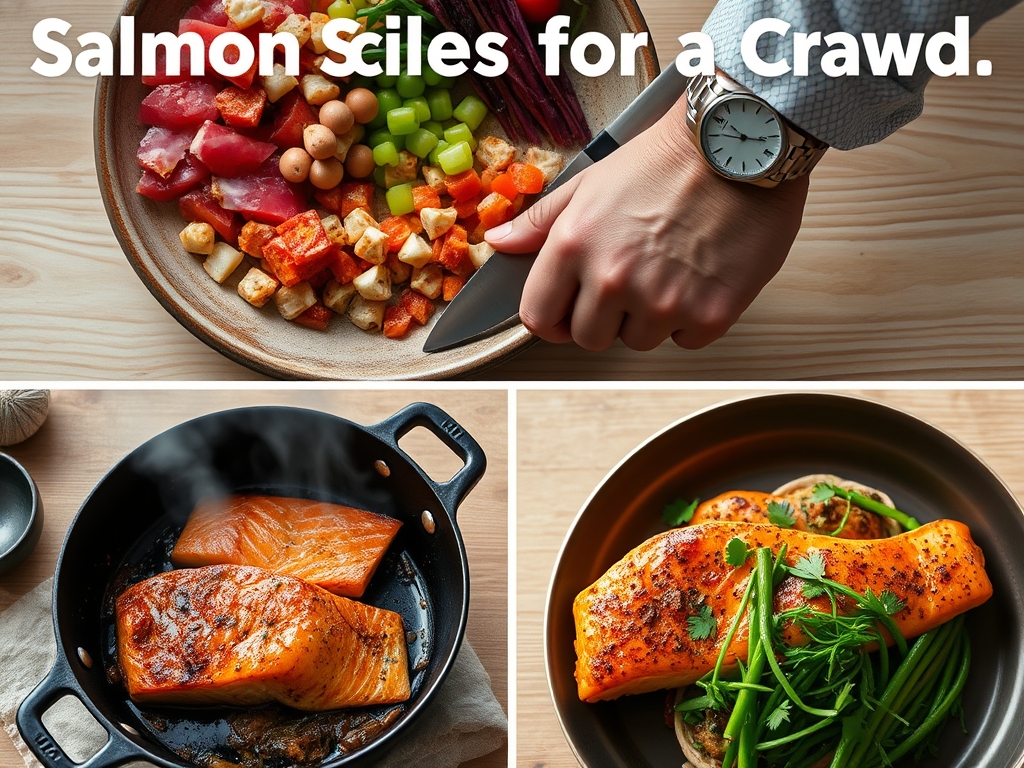
The Masterclass
1. The Slow-Roasted Citrus Side
Lay a full three-pound side of salmon on a parchment-lined baking sheet. Top with thin rounds of blood orange and lemon. Drizzle with olive oil and salt. Roast at a low 275 degrees Fahrenheit until the fat just begins to render.
Pro Tip: Low-temperature roasting prevents the "white stuff" known as albumin from pushing to the surface. Albumin is a protein that coagulates when muscle fibers contract too quickly under high heat. Keeping the heat low keeps the protein relaxed and moist.
2. The Pesto and Panko Crust
Slather the fillets with a thick layer of basil pesto using a silicone spatula. Press a mixture of panko and lemon zest into the top. Blast this under a broiler for the final two minutes of cooking.
Pro Tip: This relies on the Maillard reaction, a chemical reaction between amino acids and reducing sugars that gives browned food its distinctive flavor. The panko acts as a heat shield for the delicate fish underneath.
3. Miso-Glazed Umami Bombs
Whisk white miso paste with mirin and ginger in a small bowl. Brush this viscous glaze over the salmon every five minutes during the baking process.
Pro Tip: Miso is rich in glutamate. When you layer the glaze, you are performing a technique called "lacquering." The sugars in the mirin caramelize, creating a savory-sweet crust that traps moisture inside the fillet.
4. Mediterranean Sheet Pan Bake
Surround your salmon with cherry tomatoes, kalamata olives, and feta cheese. As the tomatoes burst, they release acidic juices that deglaze the pan naturally, creating a built-in sauce.
Pro Tip: The acid in the tomato juice acts as a chemical tenderizer. It breaks down the connective tissues in the salmon, ensuring every bite is flakey rather than chewy.
5. Honey Garlic Glazed Fillets
In a heavy-bottomed skillet, simmer honey, soy sauce, and garlic until it reduces by half. Pour this over the salmon before it hits the oven.
Pro Tip: Reducing the sauce increases its viscosity. A thicker sauce clings to the fish better, preventing it from pooling at the bottom of the pan and steaming the fish instead of roasting it.
6. Everything Bagel Crusted Salmon
Brush the fish with a thin layer of cream cheese or Greek yogurt. Generously sprinkle everything bagel seasoning over the top.
Pro Tip: The fat in the dairy acts as an emulsifier. It helps the spices stick to the protein while providing a lactic acid tang that balances the oily nature of the salmon.
7. Sheet Pan Fajita Salmon
Rub the salmon with cumin, smoked paprika, and chili powder. Surround it with sliced bell peppers and onions.
Pro Tip: Use a digital scale to measure your spices for consistency. The capsaicin in the peppers stimulates blood flow, which can actually make the flavors of the fish feel more intense on the palate.
The Deep Dive
From a nutritional standpoint, salmon is a powerhouse of Omega-3 fatty acids and high-quality protein. A standard six-ounce serving provides roughly 34 grams of protein. For Dietary Swaps, those on a Keto diet should lean into the butter-based sauces; meanwhile, Vegan guests can enjoy the same flavor profiles by swapping the salmon for large "steaks" of cauliflower or firm tofu.
The Fix-It guide for common errors:
- The Fish is Dry: This is usually due to thermal carryover. Salmon continues to cook for several minutes after leaving the oven. Remove it when the internal temperature hits 120 degrees; it will reach the perfect 125 degrees on the counter.
- The Skin is Soggy: You must pat the skin bone-dry with paper towels before cooking. Moisture is the enemy of crispiness.
- The Glaze is Burnt: If your sugars are browning too fast, tent the fish with aluminum foil. This reflects radiant heat while allowing the ambient heat to finish the cooking.
For Meal Prep, reheating salmon requires a gentle touch. Avoid the microwave, which causes the fats to explode and the protein to toughen. Instead, place the leftovers in a 300-degree oven with a splash of water and cover tightly with foil to create a mini-steam chamber.
The Wrap-Up
Hosting a large group does not have to mean sacrificing quality for quantity. By understanding the science of heat transfer and the importance of a well-organized mise-en-place, you can serve a restaurant-quality meal right from your home kitchen. Use these seven strategies to keep your guests impressed and your stress levels low. Now, grab your tongs and get cooking!
The Kitchen Table
How do I know when salmon is perfectly cooked?
Use a digital thermometer to check the thickest part of the fillet. Aim for an internal temperature of 125 degrees Fahrenheit. The flesh should also be opaque and flake easily when pressed gently with a fork or a bench scraper.
Can I prepare salmon ahead of time for a party?
You can prep the glazes and chop the aromatics up to 24 hours in advance. However, do not salt the fish until right before roasting; salt draws out moisture through osmosis, which can result in a dry, tough texture.
What is the best way to scale these recipes?
Calculate 6 to 8 ounces of salmon per person. When cooking multiple sheet pans, rotate them halfway through the cooking time. This ensures that the uneven heat distribution in most home ovens does not leave one pan undercooked.
How do I prevent the salmon from sticking to the pan?
Always use parchment paper or a silicone baking mat. If you prefer cooking directly on the metal, preheat the pan in the oven before adding the oil and the fish. This creates an immediate sear that prevents the proteins from bonding to the surface.