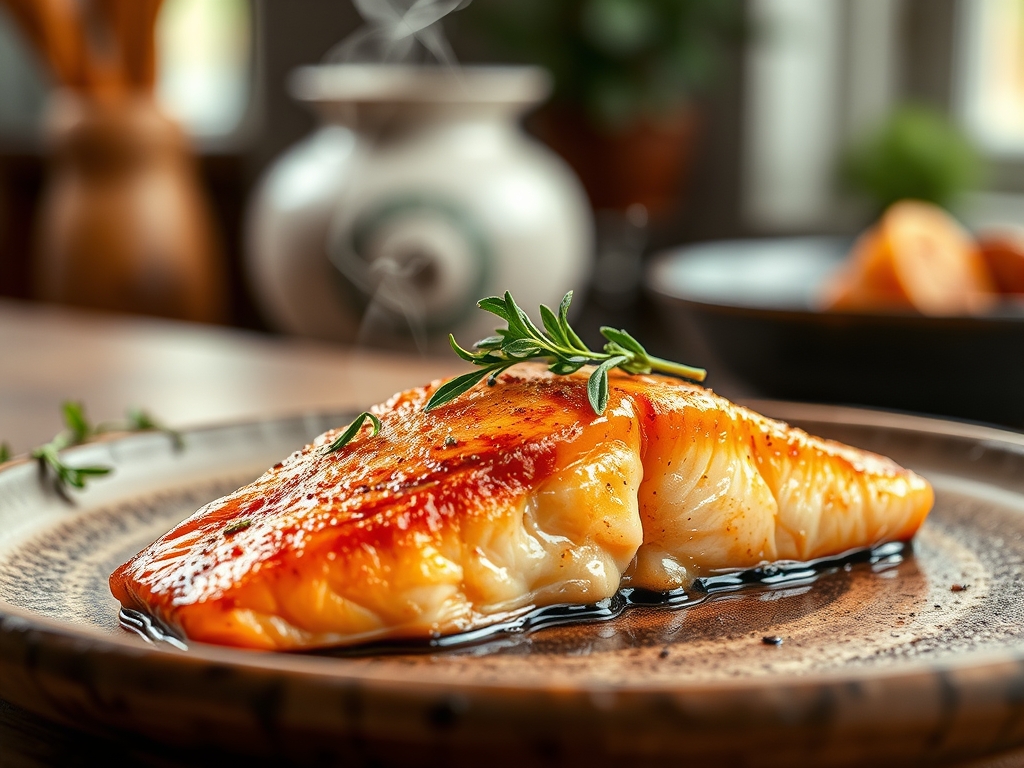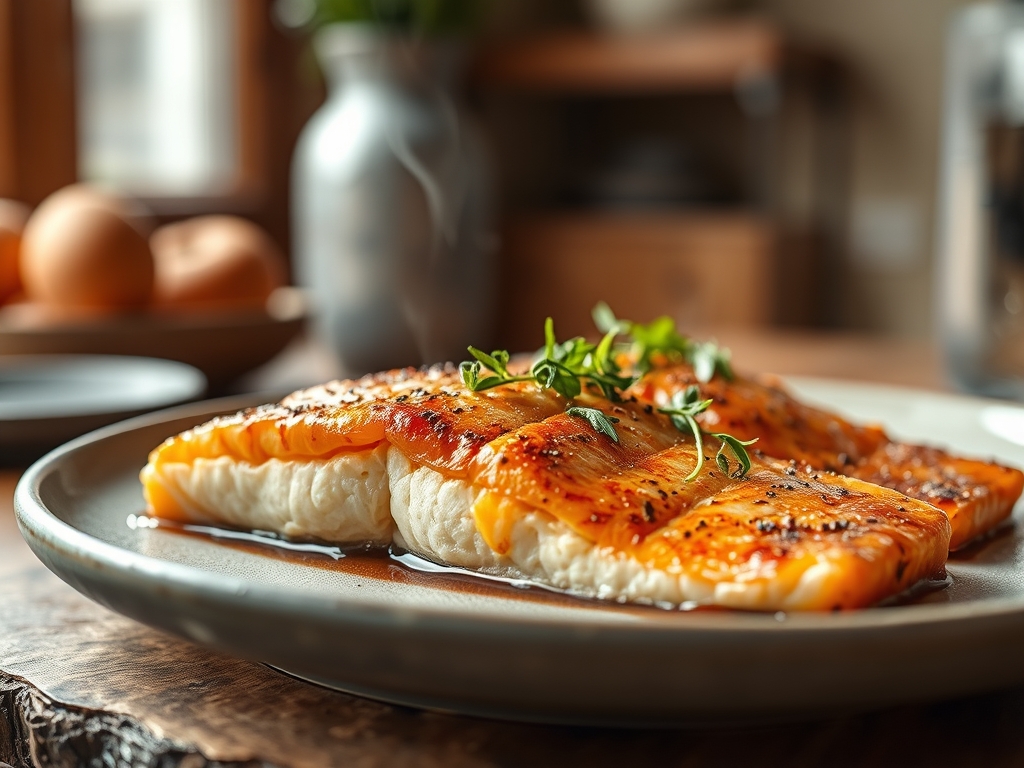
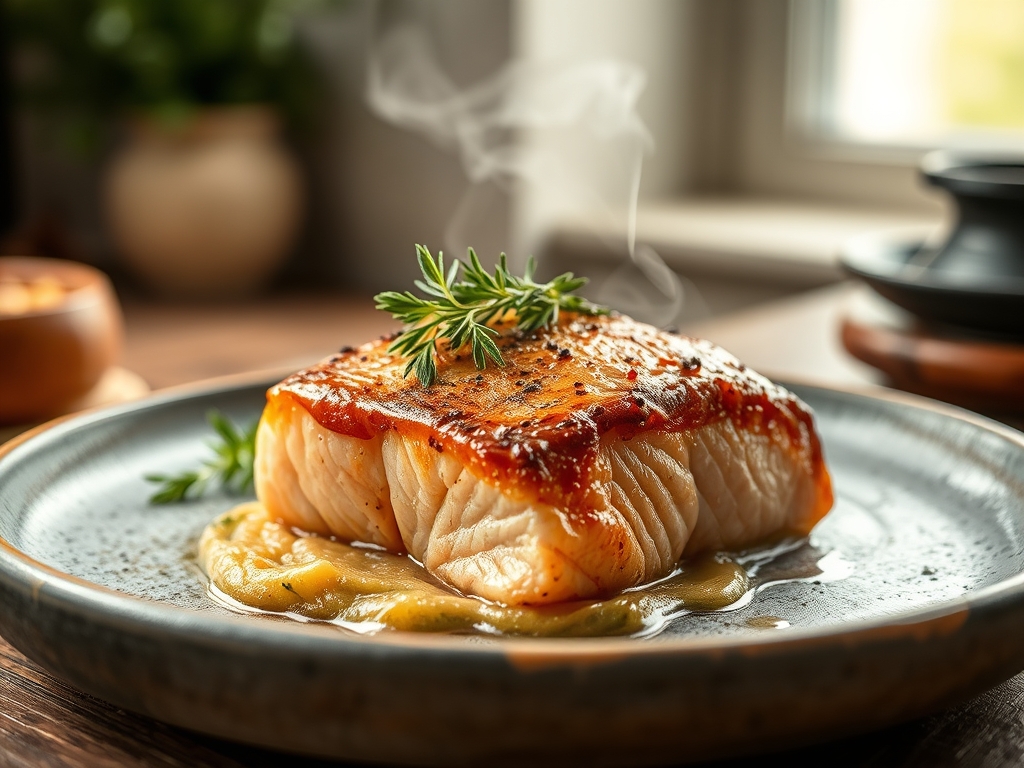
Picture the sizzle of a heavy-bottomed skillet meeting cold, marbled fat. That sound is the universal language of high-end culinary drama. Whether it is a tense kitchen showdown or a cozy seaside sitcom dinner, salmon is the undisputed protagonist of the screen. We are diving into nine appetizing tv salmon recipes that bridge the gap between cinematic fiction and your dinner plate. These dishes are more than just props; they represent the pinnacle of seafood technique. We will master everything from the crispy skin seen in high-stakes cooking competitions to the delicate, slow-poached fillets of period dramas. The goal is to achieve that perfect flakes-apart texture while maintaining a vibrant, coral center. Salmon is a fatty, cold-water fish rich in Omega-3s, making it the ideal candidate for high-heat searing or gentle acid-curing. By the time we are finished, your kitchen will smell like a five-star set, and you will have the technical prowess to back up the presentation. Let us turn the channel from watching to doing.
The Gathers:
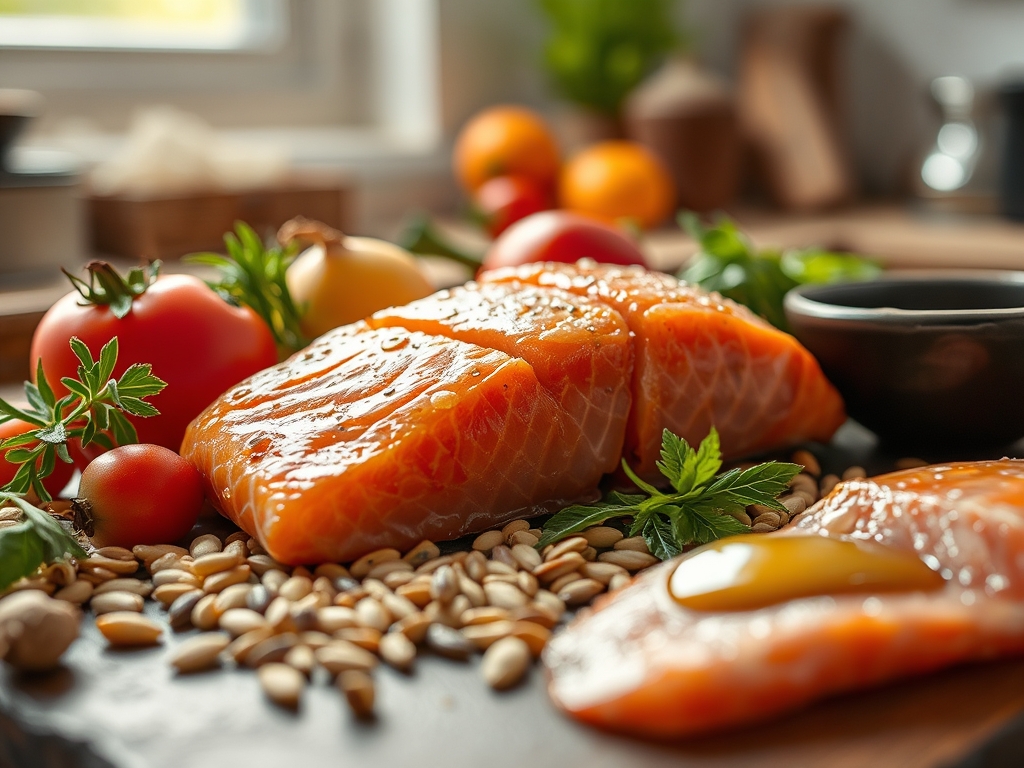
To recreate these iconic dishes, your mise-en-place must be precise. Start with center-cut Atlantic or King salmon fillets, weighing approximately six ounces each. The protein should be firm to the touch with no "fishy" odor, indicating the absence of trimethylamine buildup. You will need a high-smoke-point oil, such as avocado or grapeseed oil, to facilitate the Maillard reaction without scorching. For the aromatics, gather fresh dill, flat-leaf parsley, and Meyer lemons for a more nuanced, floral acidity.
Our dry pantry requires flaky sea salt and toasted peppercorns. If you are aiming for that glossy, TV-ready finish, keep unsalted European-style butter nearby; its higher butterfat content creates a more viscous pan sauce.
Smart Substitutions: If you cannot find fresh salmon, high-quality frozen fillets work if thawed slowly in the refrigerator to prevent cellular breakdown. For a plant-based twist that mimics the "TV look," large slabs of marinated, roasted carrots can simulate the color and texture of lox. If you are avoiding dairy, replace the butter with a cold-pressed olive oil infused with lemon zest to maintain that silky mouthfeel.
The Clock:
The "Chef's Flow" is all about managing thermal momentum. Expect a total active time of 45 minutes.
Prep (20 Minutes): This includes tempering your fish to room temperature, which ensures even heat distribution. Use this time to sharpen your knives and prepare your garnishes.
Cook (15 Minutes): Most salmon applications require only 3 to 5 minutes per side. We prioritize the skin-side down phase to render the subcutaneous fat.
Rest (10 Minutes): This is the most ignored yet vital stage. Allowing the fish to rest prevents the juice from purging, keeping the interior succulent.
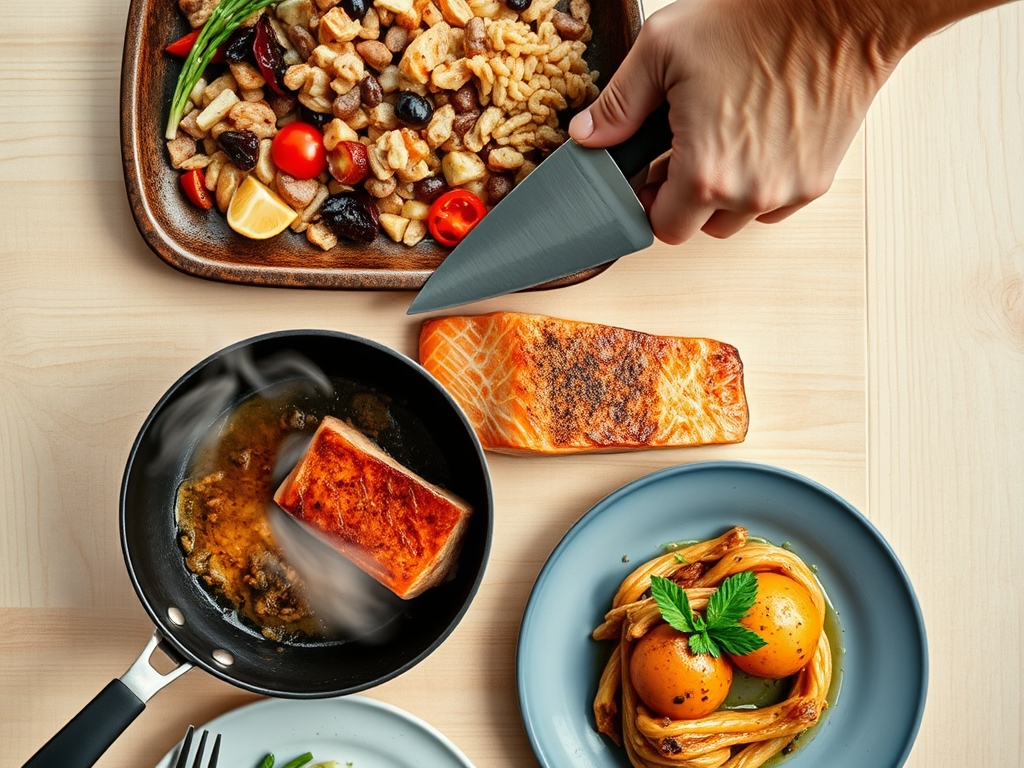
The Masterclass:
1. The Tempering Ritual
Remove your fillets from the refrigerator and pat them bone-dry with a lint-free paper towel. Moisture is the enemy of a crisp crust. Let them sit for 15 minutes.
Pro Tip: Removing surface moisture prevents the formation of steam. Steam acts as a thermal barrier that blocks the Maillard reaction, leaving your fish gray and rubbery instead of golden brown.
2. Precision Seasoning
Use a digital scale to ensure consistent salt distribution. Season from a height of six inches to ensure even coverage across the entire surface area.
Pro Tip: Salt acts as a denaturant. If you salt too early, it draws out moisture via osmosis. Seasoning immediately before hitting the pan ensures the exterior remains dry for optimal searing.
3. The Cold-Pan Start (Optional)
For ultra-crispy skin, place the salmon skin-side down in a cold, heavy-bottomed skillet before turning on the heat. This allows the fat to render slowly.
Pro Tip: This technique prevents the protein fibers from "shocking" and contracting too quickly. Slow rendering leads to a glass-like skin texture that shatters upon impact.
4. The Press and Sear
Once the pan is hot, use a flexible fish spatula to apply gentle pressure to the fillet for thirty seconds. This prevents the skin from curling.
Pro Tip: Salmon skin contains collagen. When heat is applied, collagen shrinks. Pressing the fish ensures maximum surface contact, leading to uniform heat transfer and a flat, aesthetic fillet.
5. The Butter Baste
When the fish is 70% cooked, toss in a knob of butter, crushed garlic, and thyme. Use a large spoon to infuse the hot fat over the flesh.
Pro Tip: Basting creates a "thermal envelope." The hot fat cooks the top of the fish gently while adding a rich, nutty flavor profile through the solids in the butter.
6. The Deglaze
Remove the fish and add a splash of dry white wine or citrus juice to the pan. Use a whisk to scrape up the browned bits (fond).
Pro Tip: Deglazing captures the concentrated flavors stuck to the pan. The acid in the wine cuts through the residual fat, creating a balanced, piquant pan sauce.
7. The Resting Phase
Transfer the salmon to a warm plate, not a cold one. Cover loosely with foil, leaving a small gap for steam to escape.
Pro Tip: Thermal carryover will continue to raise the internal temperature by 5 to 10 degrees. Pulling the fish at 125 degrees Fahrenheit ensures it reaches a perfect medium-rare of 130 degrees during the rest.
8. The Microplane Finish
Zest a fresh lemon directly over the plated fish using a microplane. The spray of essential oils provides an immediate olfactory hit.
Pro Tip: Citrus zest contains volatile oils that dissipate quickly. Grating it at the very last second ensures the guest experiences the brightest possible aroma.
9. The Plating Logic
Place the salmon atop a bed of vibrant greens or a smooth puree. Use tongs to arrange micro-greens with surgical precision.
Pro Tip: Height creates visual interest. By elevating the salmon, you allow the sauce to pool around the base rather than soggying the crispy skin you worked so hard to achieve.
The Deep Dive:
Macro Nutrition: A standard 6-ounce serving provides roughly 34 grams of high-quality protein and 22 grams of heart-healthy fats. It is naturally low in carbohydrates, making it a staple for metabolic health.
Dietary Swaps: For a Keto version, serve with a heavy cream and caper reduction. For a Vegan alternative, use "Zalmon" made from marinated konjac root, which mimics the translucent appearance of raw fish.
The Fix-It:
- White Stuff Appearing: This is albumin, a protein that squeezes out when fish is cooked too fast or too high. Fix: Lower your heat and pull the fish sooner.
- Skin Sticking: This happens if the pan was not hot enough or was not properly seasoned. Fix: Use a thin bench scraper to gently nudge the fish free; next time, ensure the oil is shimmering.
- Dry Interior: You overshot the temperature. Fix: Flake the salmon and fold it into a moist risotto or pasta sauce to mask the dryness.
Meal Prep: To reheat salmon without the "fishy" smell, avoid the microwave. Use a toaster oven at 275 degrees with a teaspoon of water added to the tray to create a gentle steam environment. This preserves the moisture levels.
The Wrap-Up:
Mastering these appetizing tv salmon recipes turns your kitchen into a stage where you are the lead director. We have covered the physics of the sear, the chemistry of the baste, and the artistry of the plate. Remember that great cooking is about controlling variables; temperature, moisture, and timing. With your saucier and tongs in hand, you are no longer just a viewer. You are a culinary technician capable of creating moments that taste even better than they look on screen. Now, go forth and sear with confidence; your audience is waiting.
The Kitchen Table:
How do I prevent salmon from smelling up my house?
Always use the freshest fish possible and discard the packaging immediately in an outdoor bin. Searing at a proper high temperature prevents the fats from oxidizing and releasing strong odors. Adding a squeeze of lemon to the pan also neutralizes airborne molecules.
Is it safe to eat salmon with a slightly translucent center?
Yes, for high-quality, sushi-grade, or flash-frozen salmon, a translucent center indicates a medium-rare cook. This texture is preferred by chefs as it maintains the natural oils and prevents the protein from becoming fibrous and dry.
What is the best tool for flipping salmon?
A flexible stainless steel fish spatula is essential. Its thin, offset edge slides easily under the delicate skin without tearing it, while the slots allow excess oil to drain away before the fish reaches the plate.
Can I cook salmon directly from the freezer?
It is not recommended for these specific recipes. Cooking from frozen leads to uneven heat distribution, resulting in a burnt exterior and a raw, icy middle. For the best results, thaw in the fridge for 12 hours.