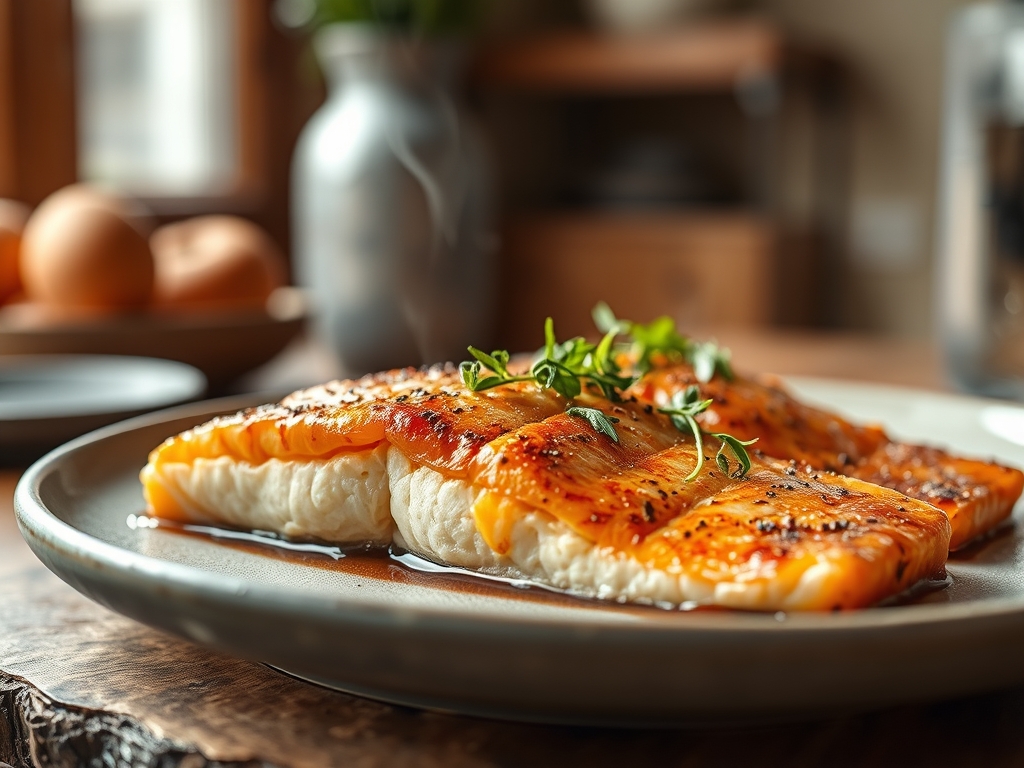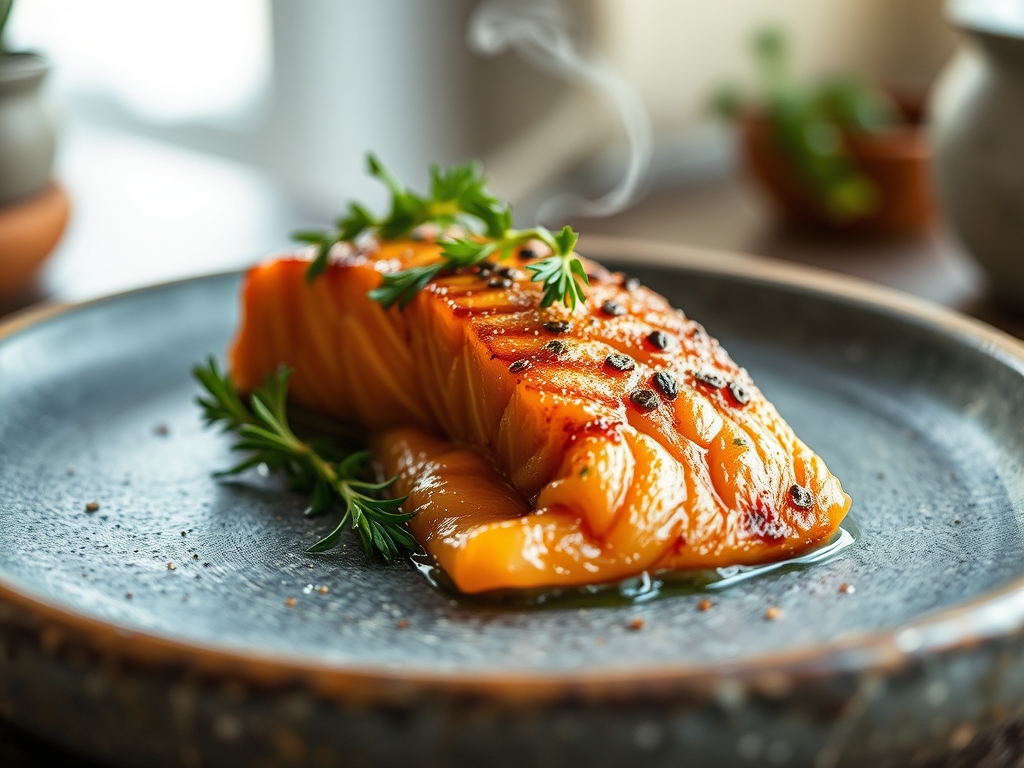
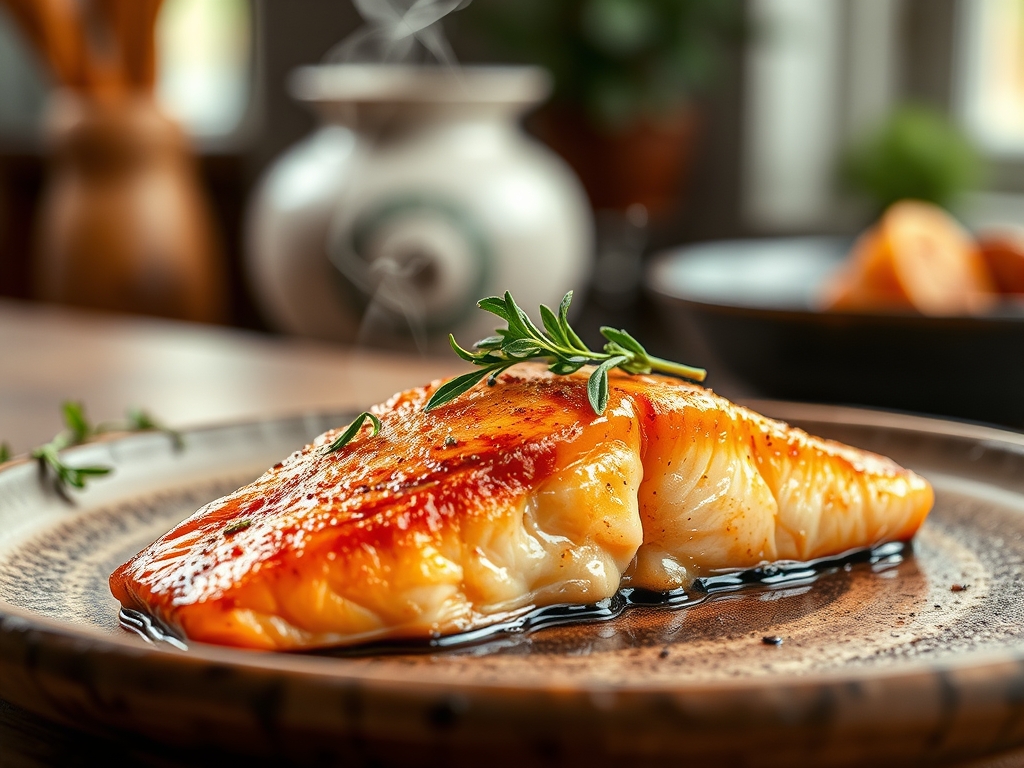
Imagine a heavy bottomed skillet sizzling on the stovetop while the scent of citrus and toasted peppercorns fills your kitchen. We are not just cooking dinner; we are engineering a cardiovascular masterpiece. Finding delicious salmon recipes for high blood pressure is about reclaiming the joy of eating without sacrificing the bold, piquant flavors that make life worth living. Salmon is the ultimate protagonist in this story. It is packed with omega-3 fatty acids that improve vascular function and potassium that helps your body flush out excess sodium.
Many people assume heart-healthy eating means bland, boiled proteins and sad steamed greens. That ends today. We are going to use high-heat techniques to create crispy skins and tender, translucent centers. By focusing on umami-rich ingredients and bright acids, we can reduce salt intake while actually increasing the complexity of the dish. Whether you are meal prepping for a busy week or hosting a dinner party, these techniques will transform how you view therapeutic cooking. Let us get into the chemistry of the perfect sear.
The Gathers:
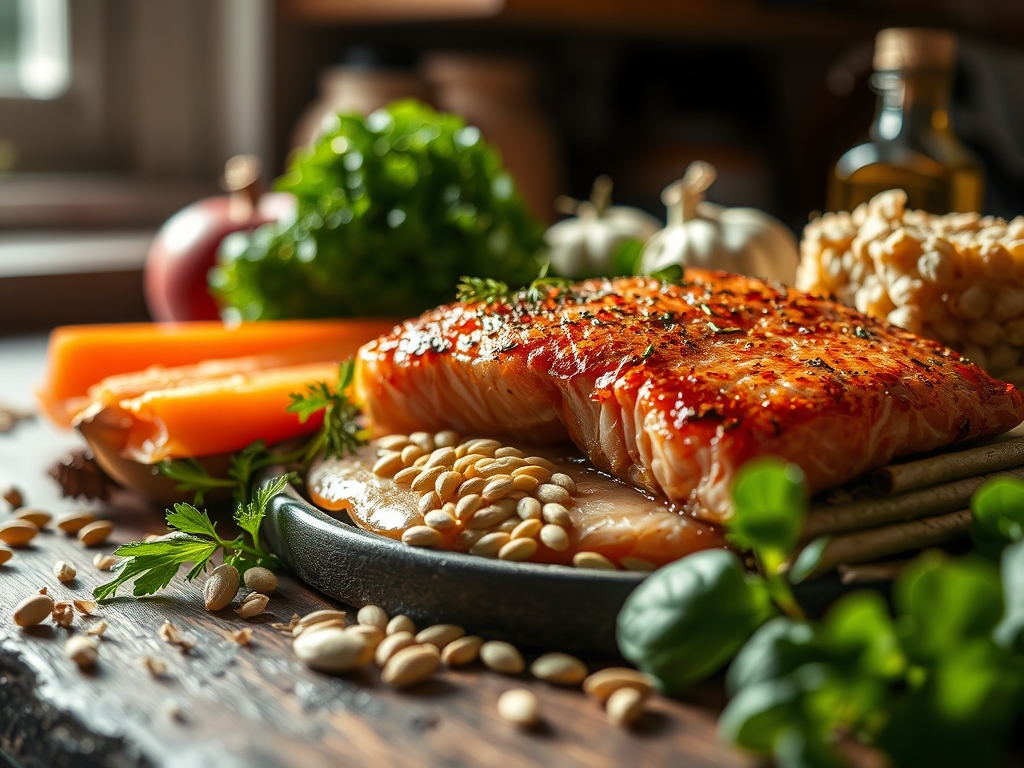
To execute these salmon recipes for high blood pressure, your mise-en-place must be precise. Start with wild-caught Coho or Sockeye salmon fillets. These varieties are leaner than farmed Atlantic salmon and offer a more robust, iron-forward flavor profile. You will need a high-quality extra virgin olive oil for its polyphenols; avoid butter to keep saturated fats low.
Gather your aromatics: fresh cloves of garlic, shallots, and ginger. These contain sulfur compounds that act as natural vasodilators. For the "Smart Substitutions," replace standard table salt with a microplane of lemon zest or a splash of coconut aminos. Coconut aminos provide that deep, viscous umami hit with about 70 percent less sodium than traditional soy sauce. Use a digital scale to portion your salmon into six-ounce fillets, ensuring consistent cooking times. Finally, keep a bunch of fresh herbs like cilantro, dill, or parsley on your bench scraper. These are not just garnishes; they provide the essential volatile oils that brighten the finish of the dish.
The Clock
Efficiency in the kitchen is about the "Chef's Flow." For these ten variations, your active prep time is approximately 15 minutes. This includes the time needed to pat the fish dry and mince your aromatics. The cook time varies between 8 to 12 minutes depending on the thickness of the fillet.
The secret to the clock is "tempering." Remove your salmon from the refrigerator 20 minutes before cooking. If you drop a cold piece of fish into a hot pan, the muscle fibers contract violently, squeezing out the moisture and leaving you with a dry, chalky texture. By allowing the protein to reach room temperature, you ensure an even thermal gradient from the surface to the center. This reduces the total time the fish spends under direct heat, preserving those delicate omega-3 oils.
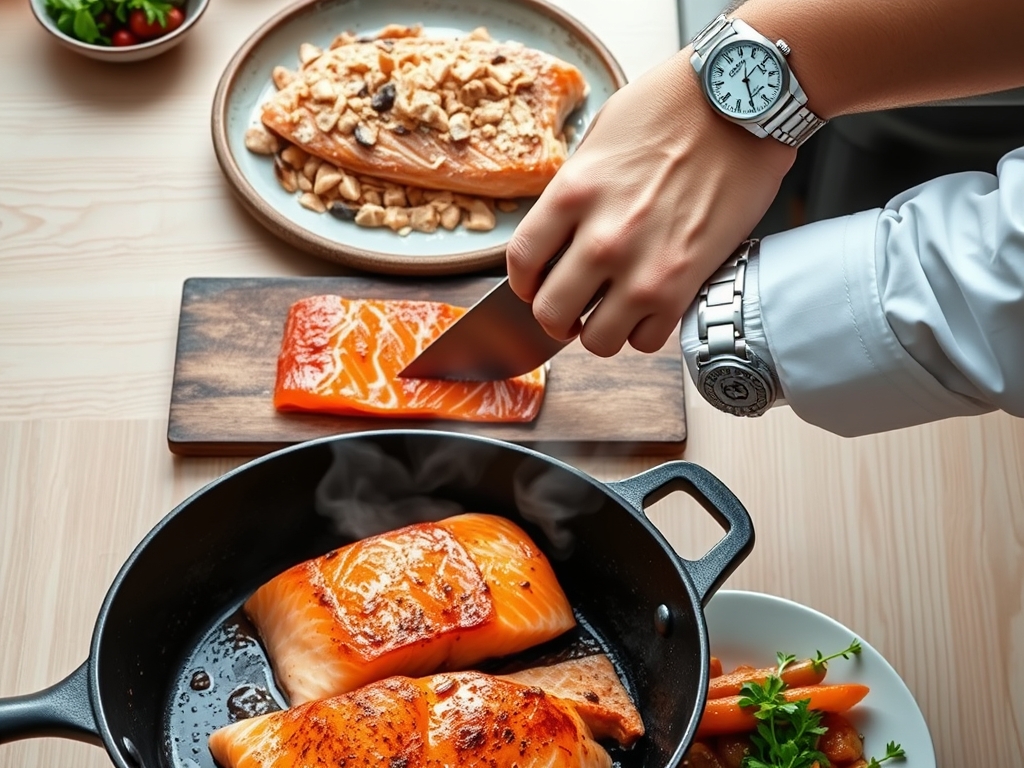
The Masterclass
1. The Dry Brine and Pat
Begin by dusting your fillets with a salt-free spice rub. Use a paper towel to press every bit of moisture off the skin.
Pro Tip: This is the science of evaporative cooling. If the surface is wet, the pan's energy is wasted turning water into steam rather than browning the fish. A bone-dry surface ensures the Maillard reaction happens instantly.
2. The Sear in a Heavy-Bottomed Skillet
Heat your skillet until the oil shimmers but does not smoke. Place the salmon skin-side down using metal tongs. Press firmly for 30 seconds.
Pro Tip: This prevents the protein contraction that causes the fillet to curl. By holding it flat, you ensure maximum surface area contact for a perfectly crispy, crackling skin.
3. The Gentle Render
Lower the heat to medium. Allow the fat under the skin to render out slowly. This fat is where the flavor lives.
Pro Tip: This is lipid extraction. Slow rendering prevents the skin from burning before the internal temperature rises, allowing the fat to baste the meat from the bottom up.
4. The Flip and Infuse
Once the skin is crisp, flip the fillet. Add your aromatics like smashed garlic and lemon slices to the pan.
Pro Tip: Use a spoon to baste the salmon with the infused oil. This creates an emulsion of flavor that coats the protein without the need for heavy, sodium-laden sauces.
5. The Rest and Carryover
Remove the salmon when the internal temperature hits 125 degrees Fahrenheit. Place it on a warm plate for three minutes.
Pro Tip: This accounts for thermal carryover. The residual heat will continue to cook the center to a perfect 135 degrees. Resting allows the juices to redistribute, ensuring the first bite is succulent rather than watery.
The Deep Dive
When we look at the macro nutrition of these salmon recipes for high blood pressure, we see a powerhouse profile. A single serving provides roughly 35 grams of high-quality protein and 1.5 grams of heart-healthy omega-3s. Because we are using citrus and vinegar to deglaze the pan, the caloric density remains low while the nutrient density stays high.
For those following specific diets, these recipes are naturally Keto and Gluten-Free. To make this vegan, you can apply the same searing techniques to thick slabs of "King Oyster" mushrooms or firm tofu, though the nutritional profile will shift.
The Fix-It:
- The Fish Sticks to the Pan: You likely tried to flip it too early. Protein "releases" naturally once the crust has formed. Wait for the sear to finish.
- White Gunk (Albumin) Leaking Out: This means the heat was too high. Albumin is just protein pushing out of the muscle fibers. Lower your flame next time.
- Soggy Skin: Your pan was not hot enough when the fish went in. Ensure the oil is shimmering to create an immediate sear.
Meal Prep: To reheat salmon without it becoming "fishy" or dry, avoid the microwave. Instead, place it in a 300-degree oven with a tablespoon of water and cover it with foil. This creates a gentle steam chamber that restores the moisture levels to "day-one" quality.
The Wrap-Up
Mastering salmon recipes for high blood pressure is a gift to your future self. You are combining the rigorous precision of molecular gastronomy with the warmth of a home-cooked meal. By focusing on the sear, the render, and the rest, you turn a simple piece of fish into a culinary event. Remember that heart health is not about restriction; it is about the intelligent application of heat and flavor. Now, grab your favorite skillet and let the kitchen become your laboratory for wellness. You have the tools, the science, and the flavor profile to make something truly incredible tonight.
The Kitchen Table
Which salmon is best for high blood pressure?
Wild-caught salmon like Sockeye or Chinook is ideal. These varieties contain higher levels of potassium and omega-3 fatty acids compared to farmed fish. They provide the essential nutrients needed to support healthy arterial function and reduce systemic inflammation.
How often should I eat salmon for heart health?
The American Heart Association recommends eating fatty fish like salmon at least twice a week. This frequency ensures a consistent intake of EPA and DHA fatty acids, which help manage blood pressure and reduce the risk of cardiovascular events.
Can I use frozen salmon for these recipes?
Yes, frozen salmon is often flash-frozen at sea, preserving its nutritional integrity. Thaw it slowly in the refrigerator overnight. Ensure you pat it extremely dry before cooking to remove the excess moisture often found in frozen seafood.
What are the best salt substitutes for salmon?
Use acidic brighteners like lemon juice, lime zest, or apple cider vinegar. Piquant aromatics like garlic, ginger, and smoked paprika also provide deep flavor. These ingredients stimulate the palate without the negative hypertensive effects of sodium chloride.