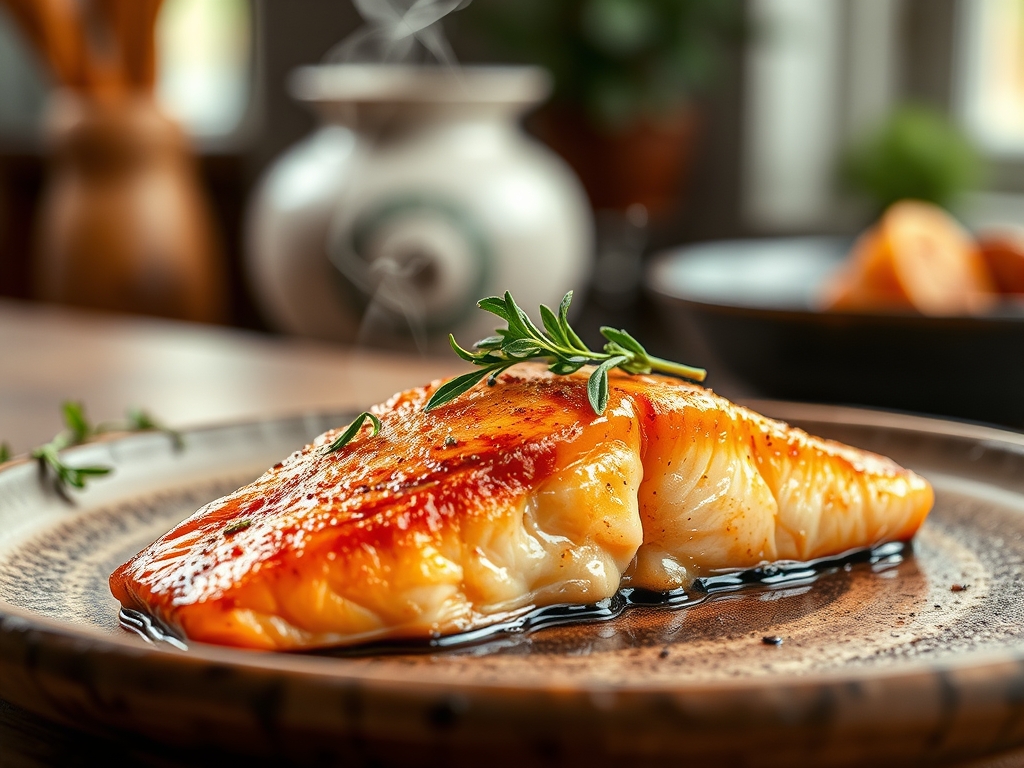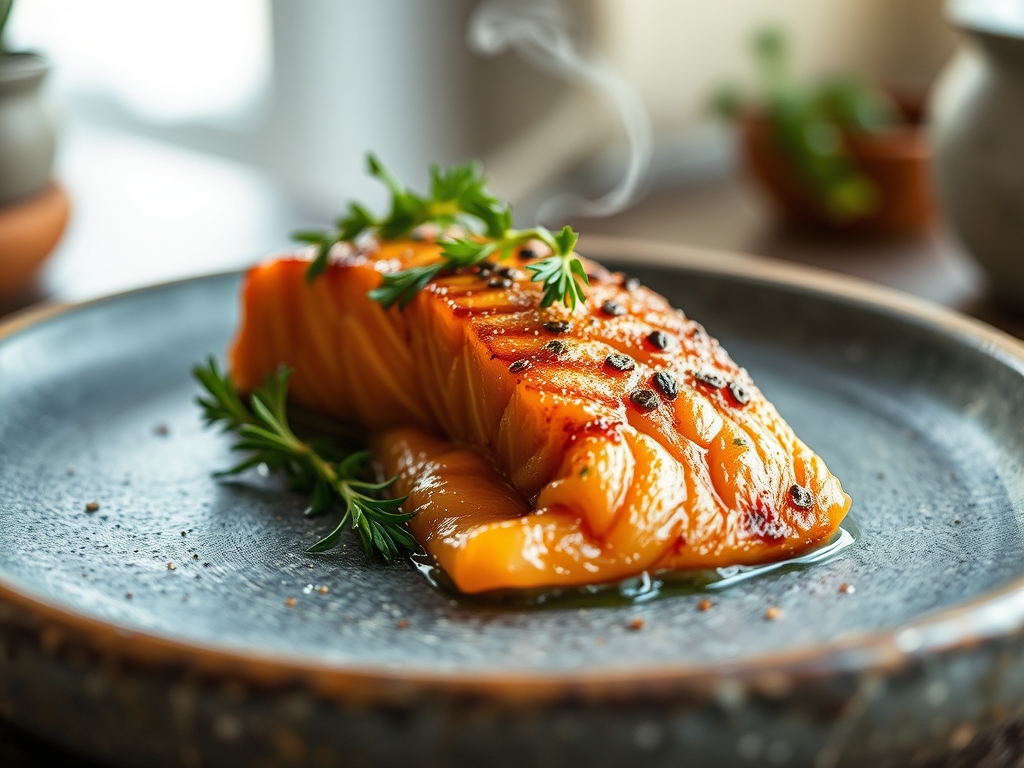
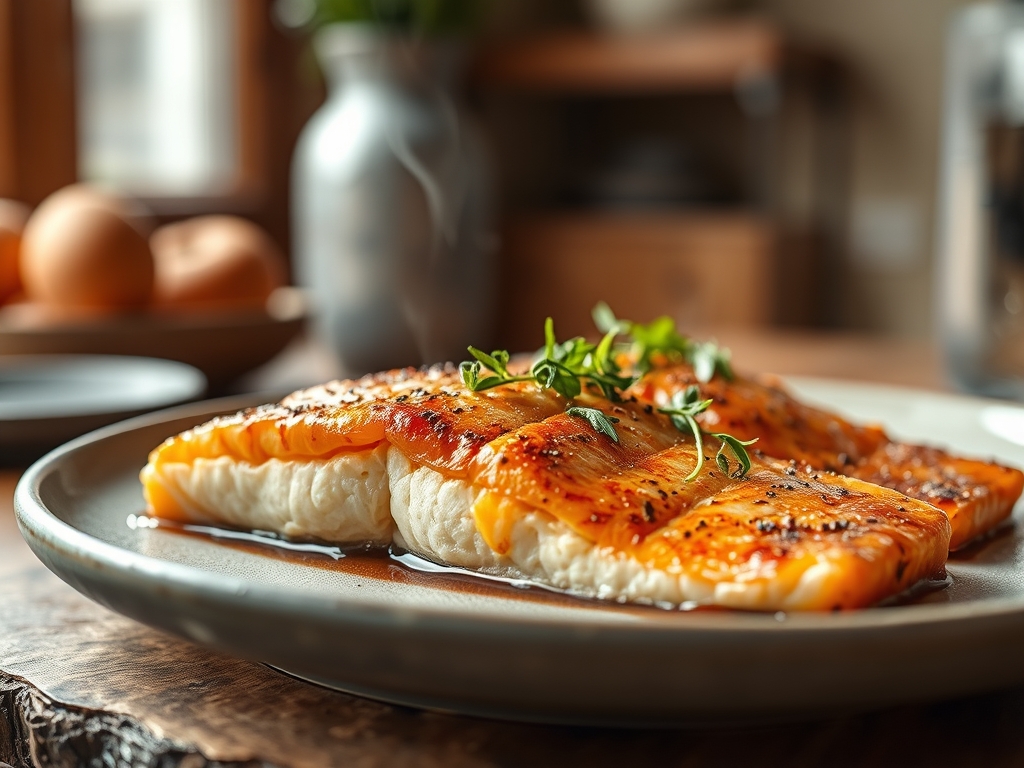
Picture a quiet kitchen at sunset where the only sound is the rhythmic sizzle of fat meeting heat. You slide a tray out of the oven to find a fillet that yields to the slightest pressure of a fork, separating into translucent, buttery petals. Mastering perfect baked salmon recipes is less about luck and more about managing moisture and thermal energy.
The secret to that elusive restaurant quality flake is understanding the cellular structure of the fish. Salmon is rich in connective tissue called myocommata, which dissolves into gelatin at much lower temperatures than beef or poultry. If you overshoot the mark, those delicate proteins contract, squeezing out moisture and leaving you with a dry, chalky disappointment. We are aiming for a precise internal temperature where the fats have rendered just enough to coat every fiber in a silky, decadent sheen.
By the time we finish this deep dive, you will be the resident expert on the thermodynamics of the oven. We are moving past the basic "bake until done" instructions and into the realm of precision cookery. Grab your apron and your favorite digital thermometer; we are about to transform your weeknight dinner into a culinary masterclass that balances piquant flavors with scientific accuracy.
The Gathers:
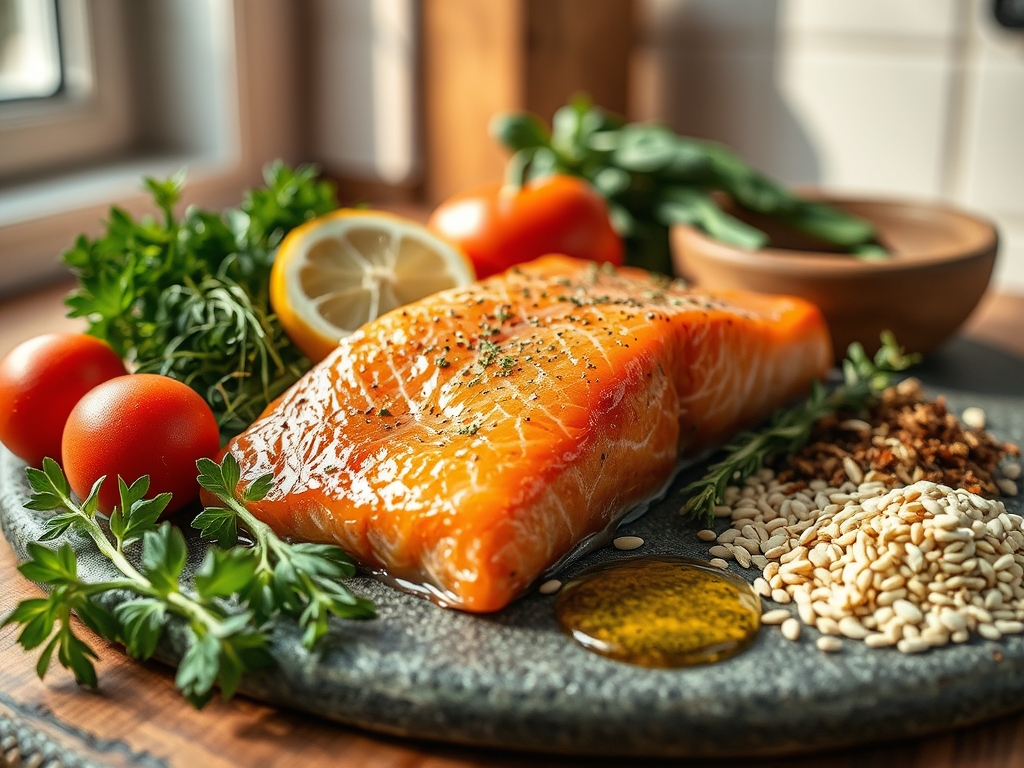
To achieve the gold standard of salmon, your mise-en-place must be intentional. Start with a high-quality center-cut fillet, preferably King or Sockeye, which offers a higher fat-to-protein ratio. You will need a high-smoke-point lipid like avocado oil or clarified butter to facilitate heat transfer without scorching. For aromatics, gather fresh dill, thinly sliced Meyer lemons for their lower acidity, and cloves of garlic crushed to release their allicin compounds.
Your toolkit is just as vital as your ingredients. You will need a heavy-bottomed rimmed baking sheet to ensure even heat distribution and a microplane for zesting citrus without hitting the bitter white pith. A digital scale is useful if you are portioning large sides of fish to ensure uniform cooking times across all pieces.
Smart Substitutions:
If you are out of fresh lemons, a splash of verjus or a high-quality white wine vinegar provides the necessary brightness. No fresh dill? Use fennel fronds for a similar anise-like profile. If you want to avoid butter, a viscous honey mixed with Dijon mustard creates a beautiful glaze that aids in moisture retention through a process of sugar-based insulation.
The Clock
Efficiency in the kitchen is about the Chef's Flow, which is the art of overlapping tasks so no time is wasted. Your total active prep time should be exactly twelve minutes. This includes the time to pat the fish dry, season, and prepare your aromatics. The bake time varies based on thickness, but generally falls between ten and fifteen minutes at 375 degrees Fahrenheit.
The most critical part of the clock is the rest period. You must allow the fish to sit for five minutes after exiting the oven. This allows for thermal carryover, where the internal temperature rises by another three to five degrees while the juices redistribute through the muscle fibers. If you cut into it immediately, the moisture will evaporate instantly, leaving the fish parched.
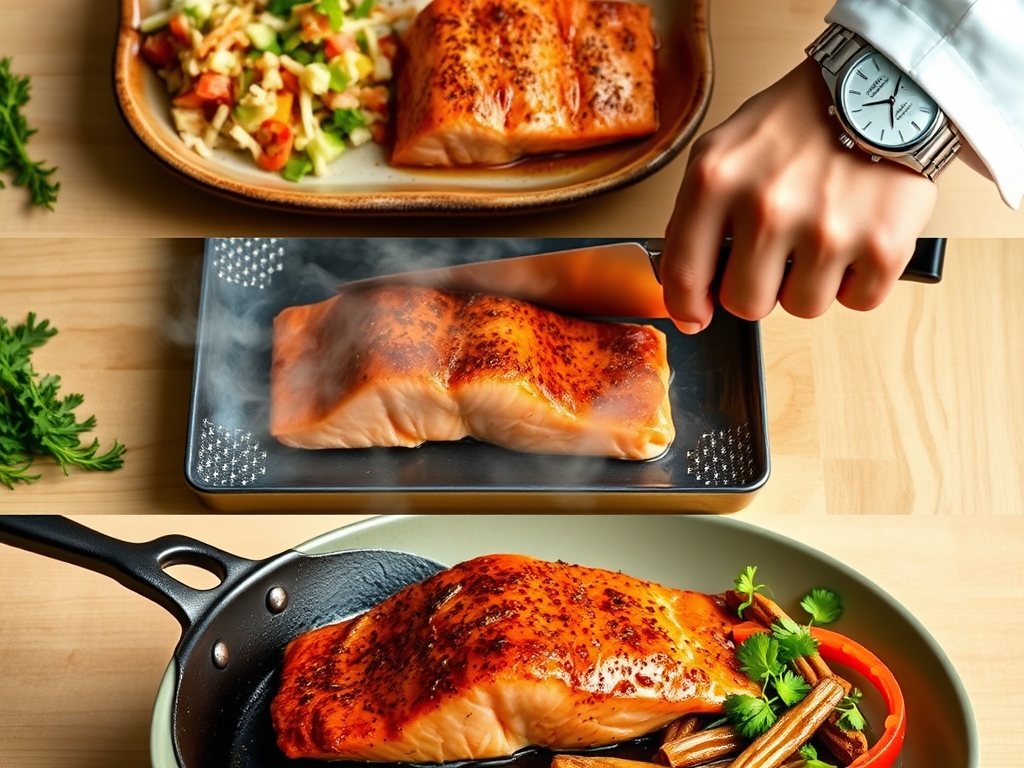
The Masterclass
1. The Moisture Barrier
Pat the salmon skin and flesh completely dry using paper towels. Moisture is the enemy of the Maillard reaction and flaky texture. If the surface is damp, the fish will steam rather than roast, resulting in a rubbery mouthfeel.
Pro Tip: This step prevents the formation of albumin, that white protein that leaks out when salmon is cooked too fast or starts too wet. Drying the surface ensures the heat goes toward rendering fats rather than evaporating surface water.
2. The Lipid Infusion
Brush the fillet generously with your chosen oil or melted butter. Use a silicone pastry brush to ensure every crevice is coated. Season aggressively with kosher salt from a height to ensure even distribution.
Pro Tip: Salt acts as a denaturant. It begins to break down the tight protein curls on the surface, allowing them to hold onto more moisture during the roasting process, a technique known as dry-brining.
3. The Aromatic Layering
Place your lemon slices and herbs directly onto the fish or tucked underneath. This creates a flavor-infused micro-environment. If using garlic, use a saucier to lightly brown it in butter before drizzling it over the top.
Pro Tip: Fat is a solvent for flavor. By infusing your lipids with aromatics before or during the bake, you are ensuring those fat-soluble flavor compounds penetrate deep into the fillet rather than just sitting on top.
4. The Precision Bake
Slide the tray into the center rack of the oven. Avoid using the convection setting unless you are very experienced, as the moving air can dry out the exterior before the interior reaches the target temperature.
Pro Tip: Use a digital probe thermometer set to 125 degrees Fahrenheit for medium-rare or 135 degrees for medium. Monitoring internal temperature is the only way to guarantee a flaky result every single time.
5. The Finishing Acid
Once the fish is out and resting, hit it with a final squeeze of fresh lemon juice or a dash of finishing salt like Maldon. This brightens the heavy fats and provides a textural contrast.
Pro Tip: Adding acid at the very end preserves its brightness. If you add all your acid before cooking, the heat can turn the juice dull and metallic. This final touch balances the palate and cuts through the richness.
The Deep Dive
Salmon is a nutritional powerhouse, dense with Omega-3 fatty acids, Vitamin B12, and high-quality protein. A standard six-ounce serving provides roughly 34 grams of protein and 18 grams of healthy fats. It is naturally Keto and Gluten-Free, making it a versatile star for almost any dietary requirement. For a Vegan alternative, the same roasting techniques can be applied to thick "steaks" of cauliflower or eggplant, though the cooking times will increase.
The Fix-It:
If your salmon comes out dry, do not panic. Flake the fish into a bowl and fold in a tablespoon of high-quality mayonnaise or Greek yogurt to reintroduce moisture. If the skin is soggy, use tongs to carefully place the fillet skin-side up under a broiler for sixty seconds to crisp it. If the fish is undercooked in the center but perfect on the outside, tent it with foil and let it sit for ten minutes; the residual heat will finish the job gently.
Meal Prep Science:
To reheat salmon without it becoming "fishy" or dry, avoid the microwave at all costs. The microwave agitates water molecules, which toughens the protein. Instead, place the leftover fillet in a shallow dish with a tablespoon of water, cover tightly with foil, and warm in a 300-degree oven. This creates a gentle steam chamber that restores the original texture.
The Wrap-Up
You are now equipped with the technical prowess to execute perfect baked salmon recipes with total confidence. Remember that great cooking is a conversation between you and your ingredients. Watch the color change, smell the aromatics as they infuse the air, and trust your thermometer. Whether you are hosting a dinner party or just treating yourself after a long day, these steps ensure a meal that is as nourishing as it is sophisticated. Go forth and flake!
The Kitchen Table
How do I know when salmon is done without a thermometer?
Press the top of the fillet gently with a fork or your finger. If the meat begins to separate easily along the natural white lines of fat, it is ready. The center should still look slightly translucent.
Why does my salmon have white stuff on it?
That is albumin, a harmless protein. It appears when salmon is cooked too quickly at high heat, forcing the protein to the surface. Minimize this by cooking at a lower temperature and not overcooking the fish.
Should I bake salmon covered or uncovered?
Bake it uncovered for a roasted, firm texture. Covering the fish traps steam, which results in a softer, poached consistency. Uncovered is generally better for achieving that classic flaky, restaurant-style finish on the exterior.
Can I bake salmon from frozen?
It is possible but not recommended for the best texture. Frozen salmon releases more moisture, which can lead to steaming. For the best results, thaw it overnight in the refrigerator and pat it completely dry before seasoning.