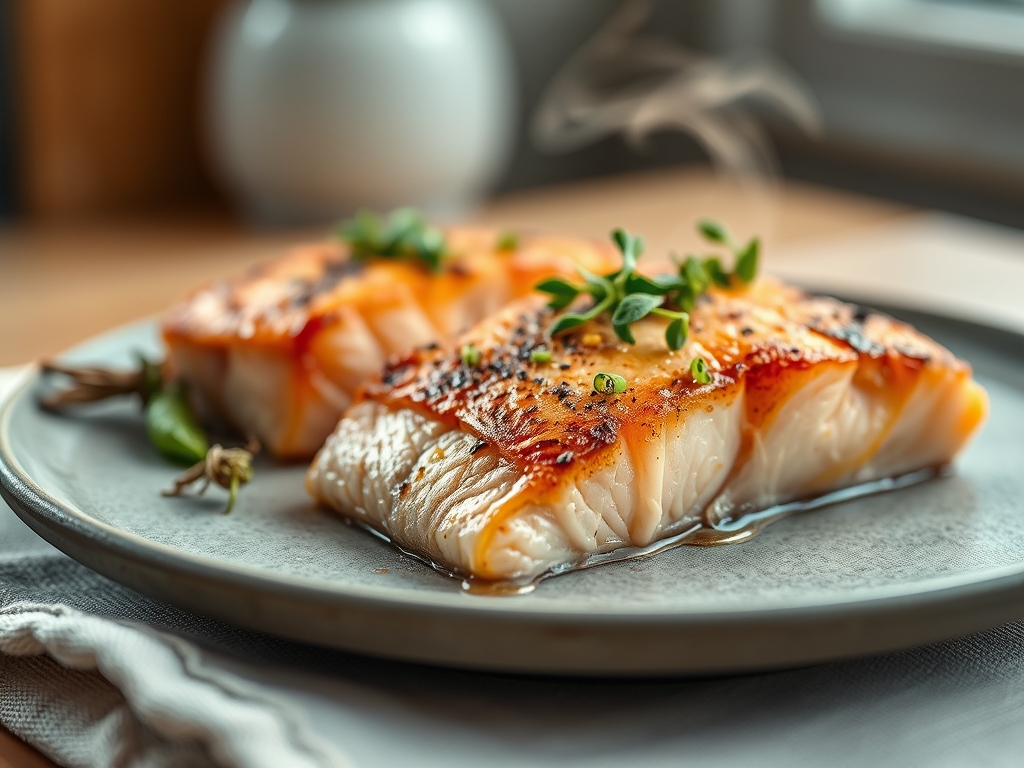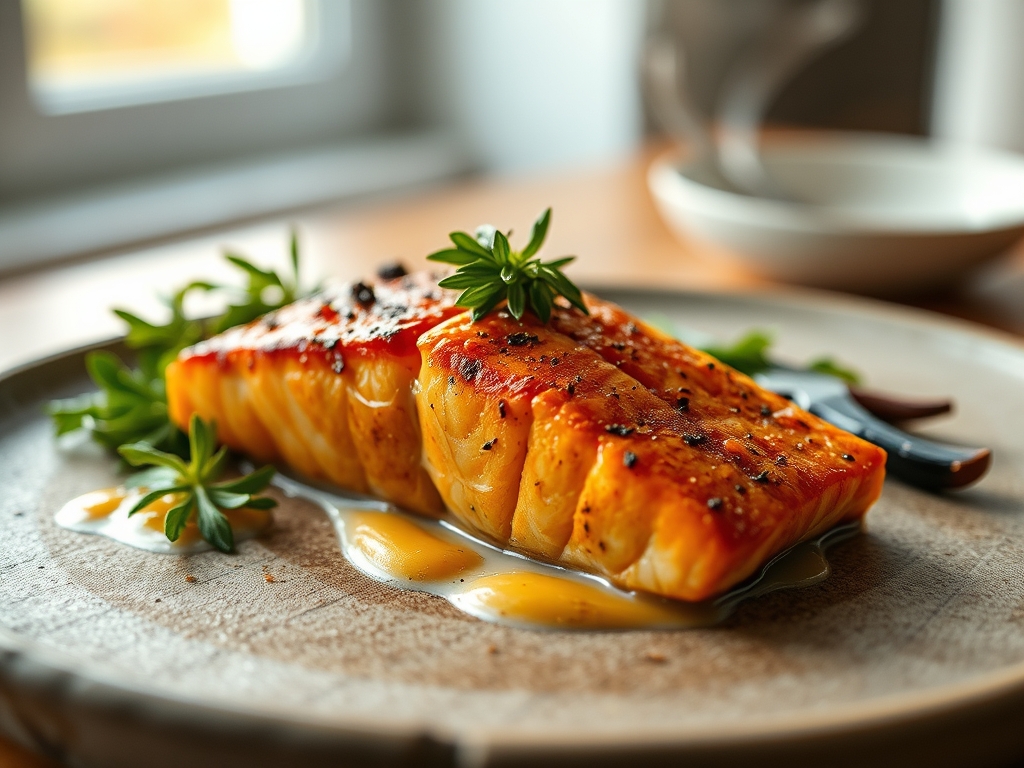
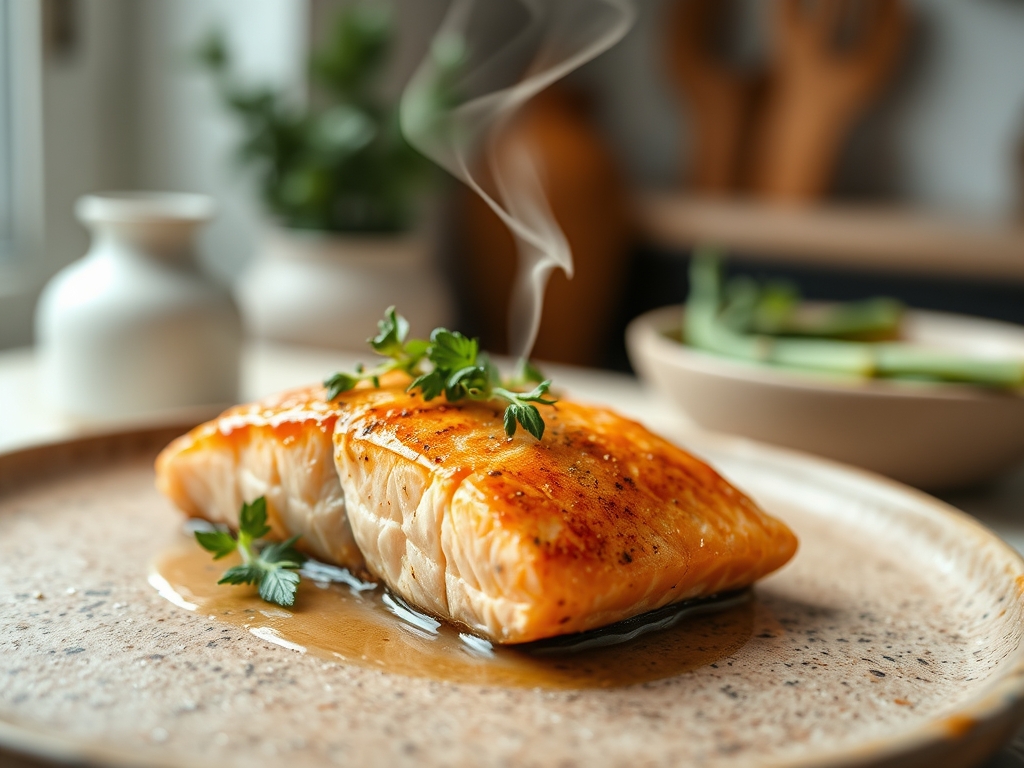
Imagine the sharp hiss of a heavy-bottomed skillet meeting a cold piece of fish; the sound is a chemical promise of the Maillard reaction about to unfold. You are standing in your kitchen, microplane in hand, ready to transform a simple fillet into a masterpiece. Finding heart healthy low sodium salmon recipes that actually taste like five-star dining can feel like a chore, but it is actually a masterclass in flavor layering. We are moving past the bland, steamed disappointments of the past. Instead, we are focusing on the molecular magic of acidity, healthy fats, and aromatics to create a profile so deep you will never miss the salt shaker. Salmon is the ultimate canvas because its high intramuscular fat content allows it to carry bold, piquant flavors without drying out. Today, we are not just cooking; we are engineering a lifestyle change that feels like an indulgence. Grab your apron and your sharpest chef knife. We are about to prove that cardiovascular wellness and culinary excellence are the exact same thing.
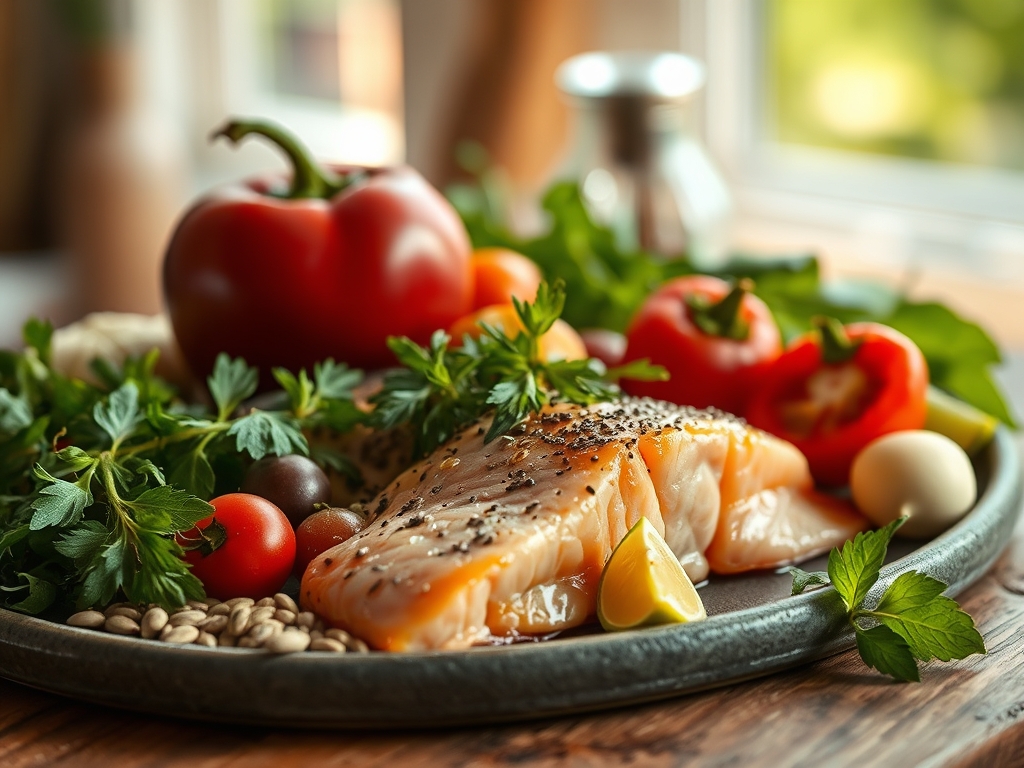
The Gathers:
To execute these nine variations, your mise-en-place must be precise. Start with wild-caught King or Sockeye salmon; these varieties possess a higher concentration of astaxanthin, the antioxidant responsible for that deep coral hue. You will need a high-quality fat source with a high smoke point, such as avocado oil, to ensure you can sear the skin to a shatter-crisp texture without burning the lipids.
Your flavor arsenal includes fresh aromatics like ginger, garlic, and shallots. These contain sulfur compounds that provide a savory "umami" backbone without the need for sodium. For acidity, gather lemons, limes, and rice vinegar. Acidity functions as a flavor enhancer by stimulating the salivary glands, making the other ingredients taste more intense.
Smart Substitutions: Instead of soy sauce, reach for coconut aminos; they provide that dark, viscous sweetness with a fraction of the salt. Swap table salt for a "Salt-Free Umami Dust" made by pulverizing dried shiitake mushrooms in a spice grinder. This powder provides a massive hit of glutamate, the molecule responsible for the "savory" sensation, tricking your brain into thinking the dish is perfectly seasoned.
The Clock
Efficiency in the kitchen is all about "Chef's Flow." This is the practice of overlapping tasks so that no heat is wasted. For these heart healthy low sodium salmon recipes, the active prep time is roughly 15 minutes, with a cook time of 8 to 12 minutes depending on the thickness of the fillet.
The flow begins with "tempering" the fish. Take the salmon out of the refrigerator 20 minutes before cooking. This prevents the muscle fibers from seizing up when they hit the heat, ensuring an even cook from edge to center. While the fish tempers, use your bench scraper to organize your chopped aromatics. If you are making a side of roasted asparagus or quinoa, start those first; they have a longer "thermal inertia" and will stay warm while the salmon finishes.
The Masterclass
1. The Perfect Sear
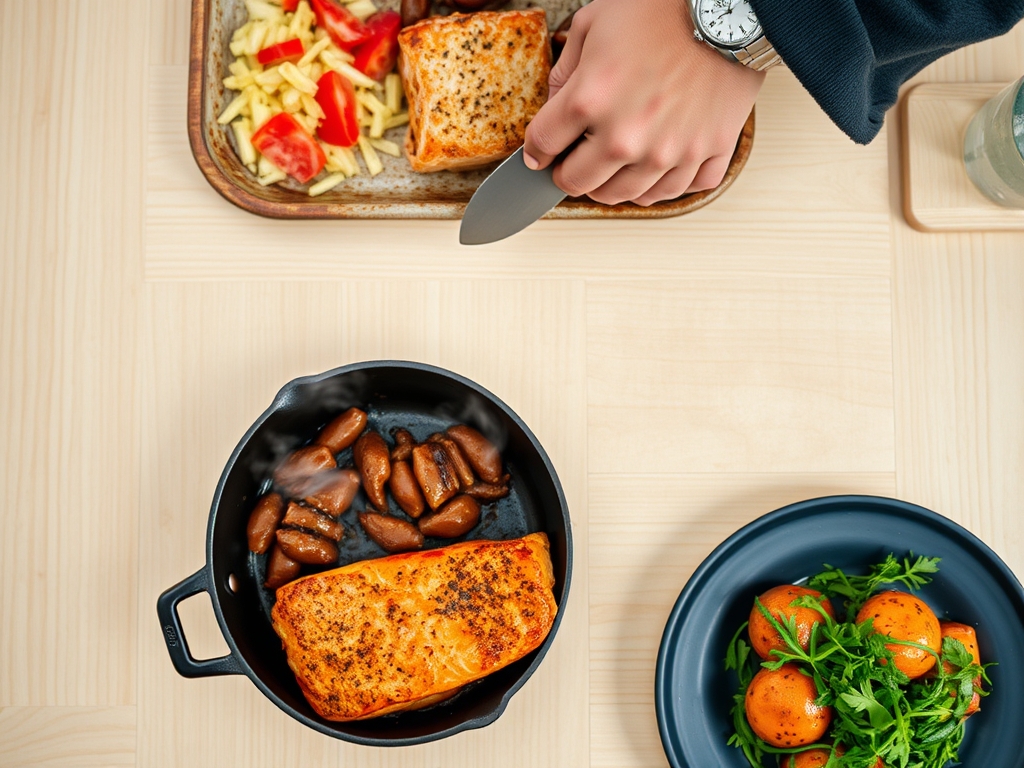
Pat the skin bone-dry with a paper towel. Moisture is the enemy of the Maillard reaction; if the skin is wet, it will steam rather than crisp. Heat your stainless steel skillet until a drop of water dances on the surface. Add avocado oil, then lay the salmon skin-side down. Press firmly with a fish spatula for 30 seconds to prevent the skin from curling.
Pro Tip: This is called protein denaturation. By applying even pressure, you ensure the collagen in the skin transforms into a crispy, glass-like lattice rather than a rubbery layer.
2. Infusing the Aromatics
Once the skin is crisp, reduce the heat to medium. Toss in smashed garlic cloves and a sprig of rosemary. Tilt the pan and use a large spoon to baste the hot, flavored oil over the flesh side of the fish. This is a gentle way to cook the interior without over-coagulating the proteins.
Pro Tip: Basting utilizes convection heat. The hot oil carries the fat-soluble flavor compounds from the garlic directly into the fish, creating a deep infusion without high-sodium marinades.
3. The Deglaze
Remove the fish when the internal temperature hits 125 degrees Fahrenheit. While the pan is still hot, add a splash of white wine or verjuice. Use your whisk to scrape up the brown bits (the fond) from the bottom of the pan.
Pro Tip: This process is deglazing. Those brown bits are concentrated flavor molecules. By adding a liquid, you create an emulsion that serves as a built-in sauce for your heart healthy low sodium salmon recipes.
4. Resting the Fillet
Transfer the salmon to a warm plate. Let it rest for at least 3 to 5 minutes before serving. This allows the internal juices, which have been pushed to the center by the heat, to redistribute through the muscle fibers.
Pro Tip: This accounts for thermal carryover. The internal temperature will rise about 5 degrees while resting. If you cook it to "done" in the pan, it will be overcooked by the time it hits the table.
The Deep Dive
Macro Nutrition: Each serving of these salmon dishes typically contains 35-40 grams of high-quality protein and 12-15 grams of heart-healthy Omega-3 fatty acids. By eliminating added salt, we keep the sodium count under 100mg per serving, which is well within the American Heart Association guidelines.
Dietary Swaps:
- Vegan: Substitute the salmon with a thick "steak" of cauliflower or a large King Oyster mushroom. Use the same searing and basting techniques to achieve a similar savory profile.
- Keto: These recipes are naturally low-carb. Increase the healthy fats by adding a dollop of homemade, salt-free pesto or avocado mash.
- GF: Salmon is naturally gluten-free; just ensure your "umami dust" or coconut aminos are certified GF.
The Fix-It:
- The Fish Sticks to the Pan: You likely tried to flip it too early. Protein "releases" naturally once the crust has formed. Wait another 30 seconds.
- White Gunk Appears (Albumin): This is a sign of high-heat stress. The protein is contracting too fast and squeezing out liquid. Lower your heat next time.
- The Skin is Soggy: You didn't dry the skin enough or your pan wasn't hot enough to trigger the immediate evaporation of surface moisture.
Meal Prep: To reheat salmon without it becoming "fishy," avoid the microwave. Use a low-temperature oven (275 degrees) with a splash of water in the dish, covered with foil. This creates a gentle steam environment that rehydrates the proteins without oxidizing the delicate fats.
The Wrap-Up
You now have the technical prowess to turn a simple piece of seafood into a nutritional powerhouse. Cooking heart healthy low sodium salmon recipes isn't about what you are taking away; it is about the sophisticated techniques you are adding. From the crisp snap of the skin to the aromatic infusion of garlic and herbs, you are using science to bypass the need for salt. Go ahead and plate your creation with a flourish of fresh herbs and a final squeeze of lemon. Your heart, and your taste buds, will thank you for this culinary upgrade.
The Kitchen Table
How do I make salmon taste good without salt?
Focus on high-acid ingredients like lemon juice and vinegar. Use "umami" boosters like toasted sesame oil, garlic, ginger, or pulverized dried mushrooms. These ingredients trigger savory receptors on the tongue, providing a satisfying flavor profile without increasing blood pressure.
What is the best cooking method for low-sodium salmon?
Searing in a heavy skillet or roasting at high heat are best. These methods promote the Maillard reaction, creating complex flavor compounds through browning. This "charred" flavor replaces the need for salt by providing a deep, smoky sensory experience.
Can I use frozen salmon for these recipes?
Yes, provided you thaw it correctly in the refrigerator. Ensure you pat the skin extremely dry with paper towels before cooking. Frozen salmon often retains more surface moisture, which can inhibit browning if not thoroughly removed before searing.
How do I know when the salmon is perfectly cooked?
Use a digital thermometer to check for an internal temperature of 125-130 degrees Fahrenheit. The flesh should be opaque and flake easily with a fork. Avoid overcooking, as this causes the healthy fats to oxidize and creates a dry texture.