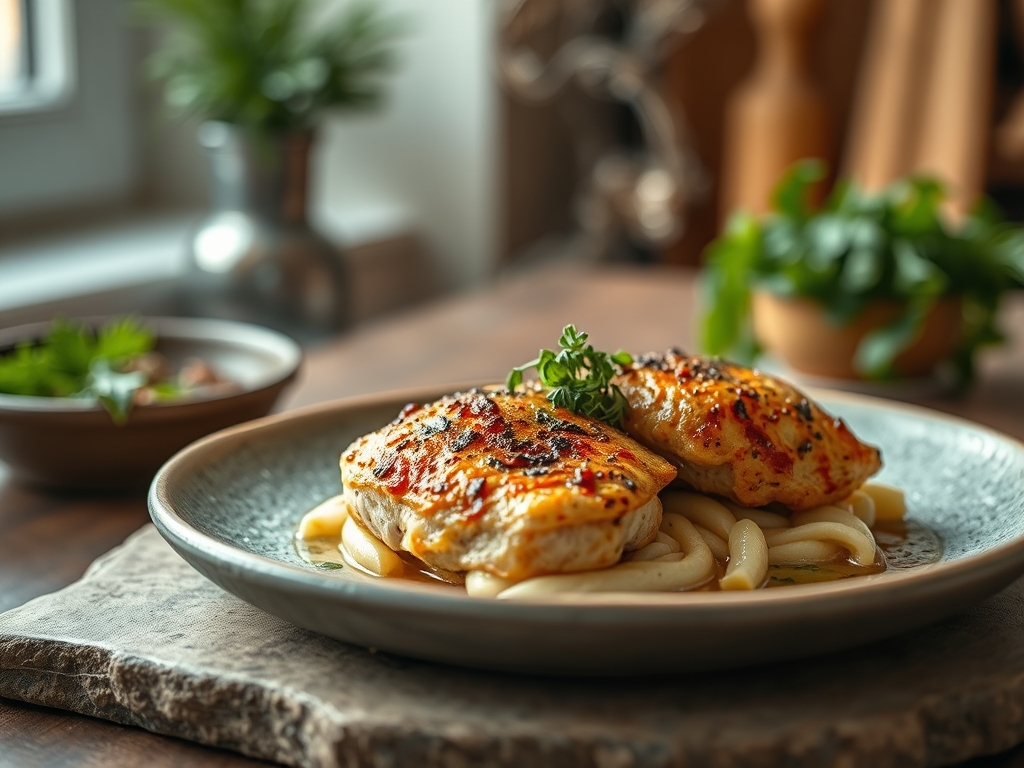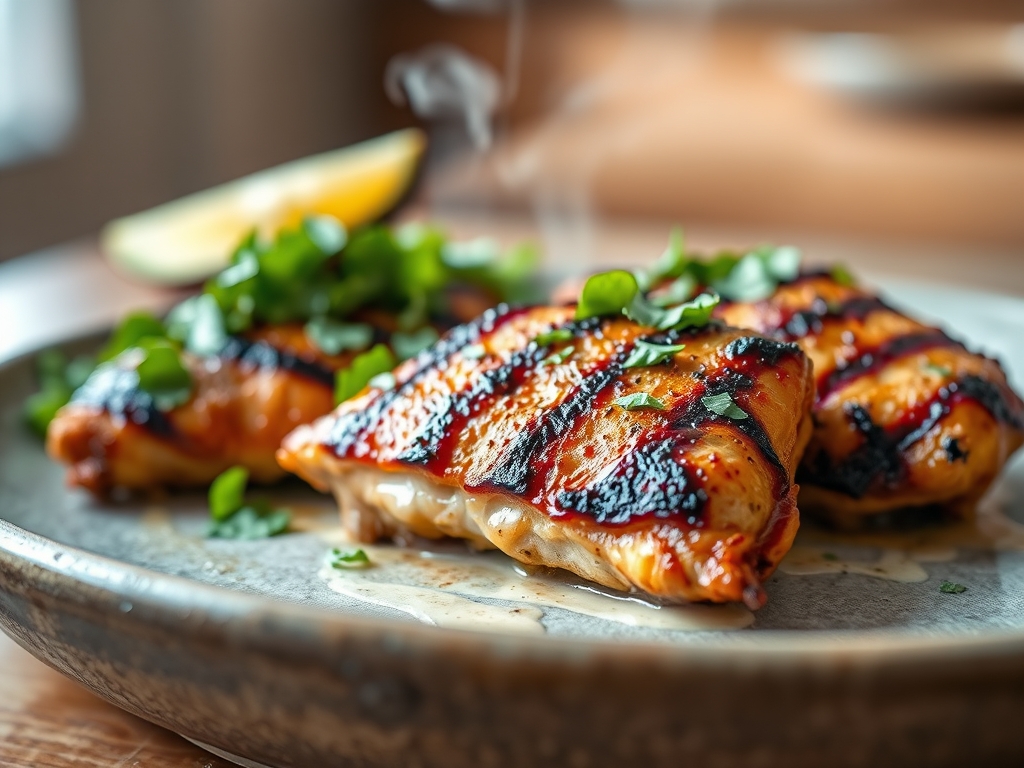
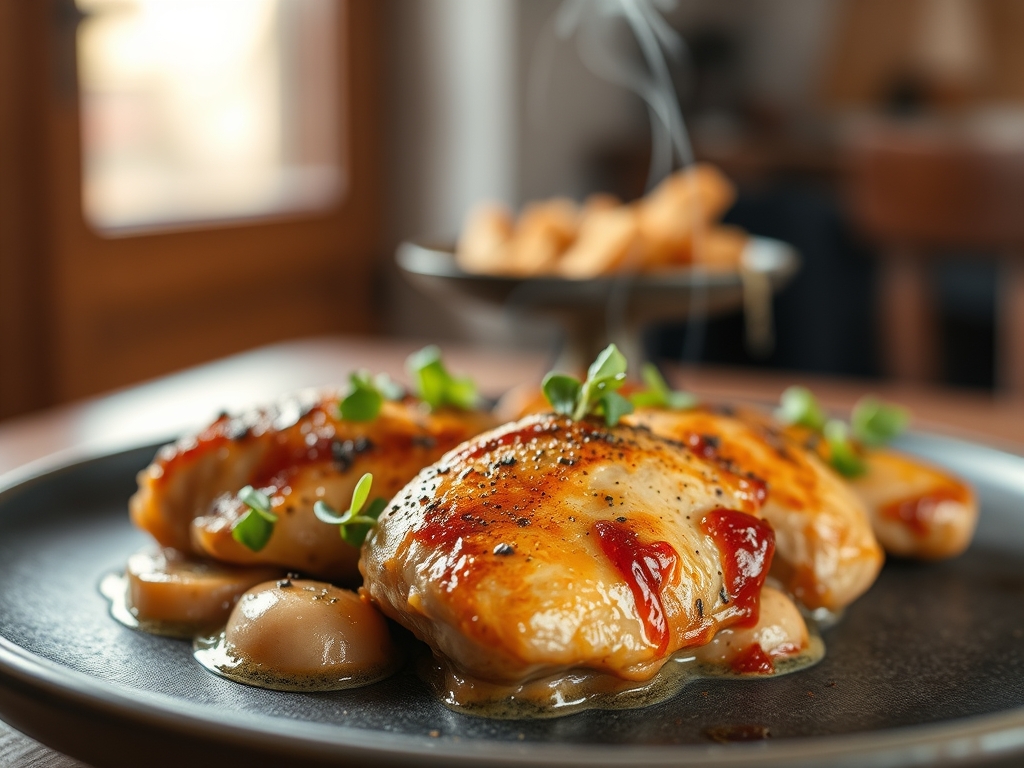
Picture this: the kitchen is filled with the scent of searing protein and toasted aromatics while you pour a glass of crisp white wine. We have all been there, staring into the refrigerator at a pack of poultry, wondering how to transform it into something spectacular without spending four hours at the stove. Finding good chicken recipes easy enough for a Tuesday but elegant enough for a date night is the ultimate culinary flex. It is about working smarter, not harder, by using heat and chemistry to do the heavy lifting for you. We are going to master nine variations that rely on high-quality fats, sharp acids, and the glorious Maillard reaction to turn a humble bird into a masterpiece. Forget bland, rubbery cutlets; we are aiming for juicy interiors and skins so crisp they shatter. This is where your kitchen becomes a laboratory of flavor, and I am here to be your guide through the delicious physics of a perfect dinner.
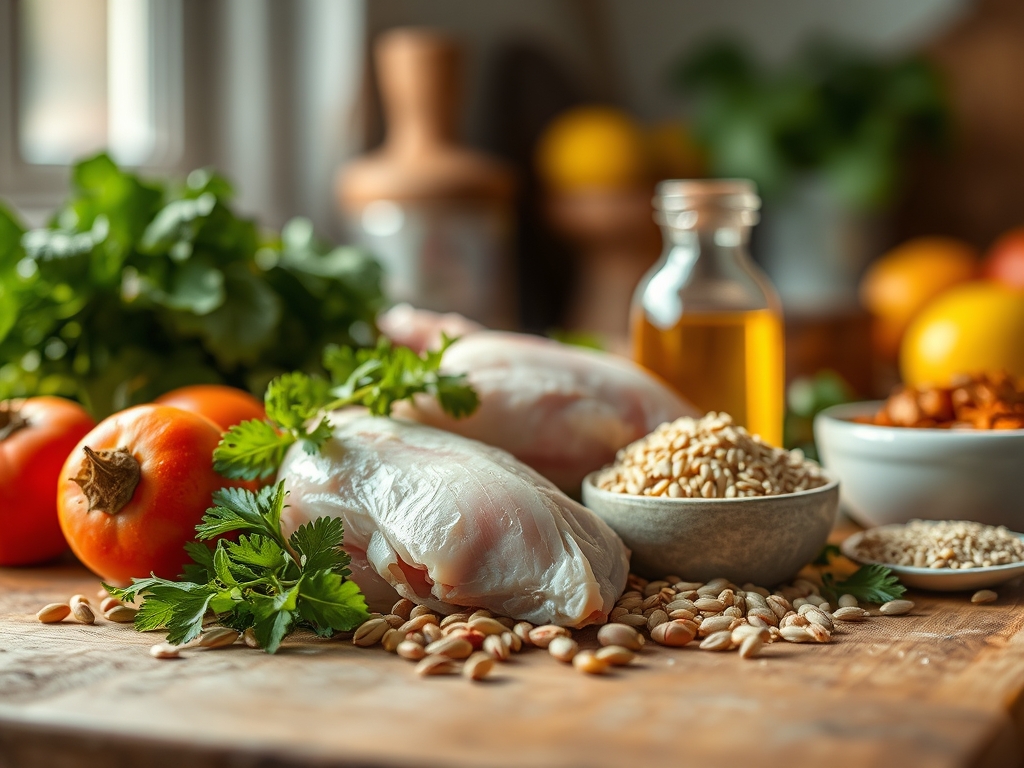
The Gathers:
To execute these recipes, your mise-en-place must be precise. Start with organic, air-chilled chicken breasts or thighs; air-chilled poultry has less water retention, ensuring a superior sear. You will need a high-smoke-point fat like avocado oil or clarified butter to prevent acrid flavors at high temperatures. Gather your aromatics: fresh cloves of garlic, shallots for a delicate piquancy, and woody herbs like rosemary or thyme that can withstand sustained heat. Use a microplane to zest lemons, providing a bright, citrusy lift that cuts through the viscous nature of pan sauces.
Smart Substitutions: If you lack shallots, the white parts of green onions offer a similar sulfurous profile. No heavy cream? A dollop of full-fat Greek yogurt or a splash of coconut milk can infuse your sauce with creaminess, though you must temper them first to prevent curdling. If you are out of fresh herbs, use one-third the amount of dried herbs, as their oils are more concentrated. Always have a high-quality sea salt and a pepper mill ready; pre-ground pepper loses its volatile oils almost instantly, while freshly cracked peppercorns provide a floral heat that defines a professional dish.
The Clock
The secret to a stress-free kitchen is the Chef's Flow. This is the art of overlapping tasks so that nothing sits idle. For these good chicken recipes easy enough for any schedule, expect a 15-minute preparation window followed by 20 to 30 minutes of active cooking. While the chicken is rendering in a heavy-bottomed skillet, use that time to whisk your vinaigrettes or chop your garnishes with a sharp chef's knife.
Thermal management is key. Allow your chicken to sit at room temperature for 20 minutes before it hits the pan; this prevents the "cold core" phenomenon where the outside overcooks before the center reaches safety. Total time from fridge to table should average 45 minutes. By the time the chicken is resting, your sides should be finished, and your pan sauce should be reducing to a nappe consistency.
The Masterclass
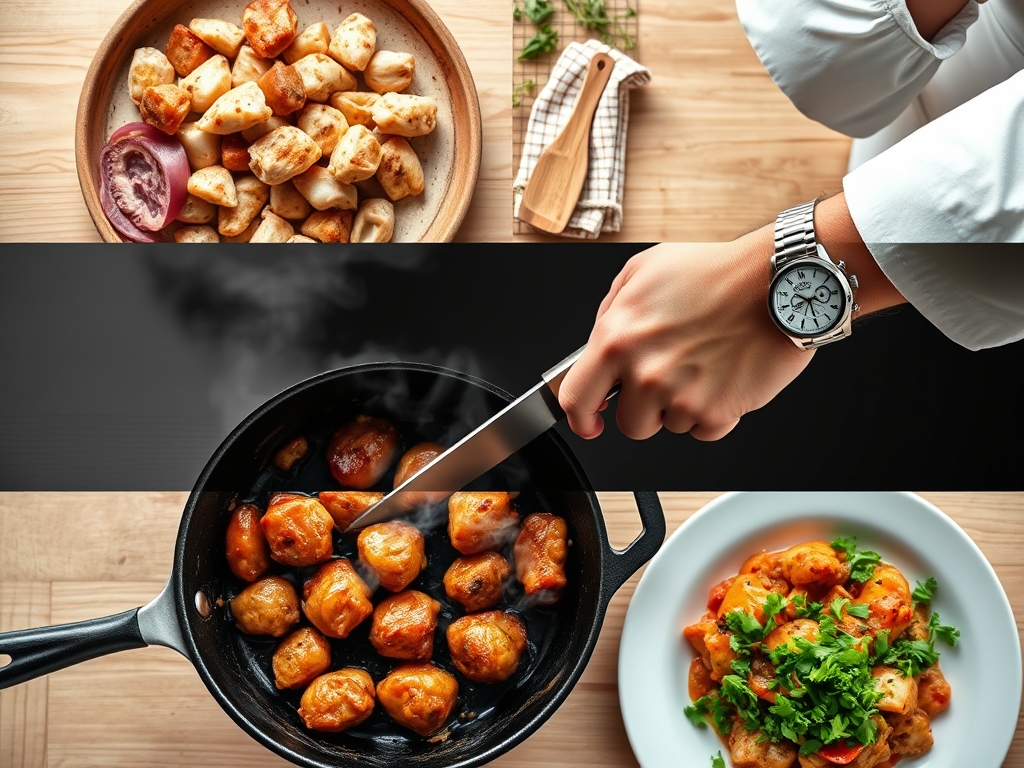
1. The Perfect Sear
Pat the chicken extremely dry with paper towels. Moisture is the enemy of the Maillard reaction. Heat your skillet until the oil shimmers. Place the chicken skin-side down and do not move it for at least five minutes.
Pro Tip: This relies on enzymatic browning. Moving the meat too early tears the protein fibers before they have a chance to release naturally from the metal surface via the Leidenfrost effect.
2. Deglazing the Fond
Once the chicken is removed, you will see brown bits stuck to the pan. This is "fond," the concentrated essence of flavor. Pour in a splash of dry wine or stock and use a bench scraper or wooden spoon to lift those bits.
Pro Tip: This process uses solvent extraction to pull flavorful compounds into your sauce that would otherwise be lost to the dish soap later.
3. Emulsifying the Sauce
Lower the heat and whisk in cold cubes of butter or a splash of heavy cream. Stir constantly until the sauce becomes glossy and coats the back of a spoon.
Pro Tip: Cold butter creates a stable emulsion. If the butter is too warm, the milk solids and fats will separate, resulting in a greasy mess rather than a velvety glaze.
4. The Aromatics Infusion
Add your minced garlic and herbs during the final sixty seconds of sauce reduction. This prevents the delicate oils from burning and becoming bitter.
Pro Tip: Garlic contains allicin, which is highly heat-sensitive. Brief exposure to heat activates the flavor, while prolonged high heat destroys the complex aromatic profile.
5. Resting for Juiciness
Transfer the chicken to a warm plate and let it rest for at least seven minutes before slicing. Use a digital scale if you are portioning for meal prep to ensure consistency.
Pro Tip: This allows for thermal carryover. The internal temperature will rise about five degrees while resting, and the muscle fibers will relax, reabsorbing the juices so they do not spill out on the cutting board.
The Deep Dive
When we look at the macro nutrition of these dishes, we are focusing on high-density protein. A standard six-ounce chicken breast provides roughly 50 grams of protein with minimal fat, making it a metabolic powerhouse. For dietary swaps, keto followers should lean into the butter-based pan sauces, while those going vegan can swap the chicken for cauliflower steaks or pressed extra-firm tofu, using the same searing techniques. Gluten-free diners simply need to ensure their chicken stock is certified and avoid using flour as a thickener, opting instead for a cornstarch slurry or natural reduction.
"The Fix-It" section:
- Dry Meat: If you overshot the temperature, shred the chicken and toss it with an acidic dressing or extra pan sauce to mask the lack of internal moisture.
- Burnt Fond: If your pan bits are black instead of brown, do not deglaze. Wipe the pan clean and start the sauce fresh with new fat and aromatics.
- Broken Sauce: If your sauce separates, add a teaspoon of boiling water and whisk vigorously; the heat and moisture can often re-bind the fats.
For meal prep, the science of reheating is vital. To maintain "day-one" quality, reheat chicken in a covered dish with a tablespoon of water or stock. This creates a steam chamber that prevents the proteins from becoming "rubbery" in the microwave.
The Wrap-Up
Mastering these good chicken recipes easy techniques transforms you from a recipe-follower into a culinary artist. By understanding how heat interacts with protein and how acids balance fats, you gain the freedom to improvise. Whether you are using a saucier to craft a delicate lemon-caper glaze or using tongs to flip a perfectly charred thigh, remember that cooking is as much about the process as the result. Go forth, experiment with your spices, and enjoy the confidence that comes with knowing exactly how to make a world-class dinner in under an hour.
The Kitchen Table
How do I keep chicken breast from getting dry?
Always use a meat thermometer to pull the chicken at 160 degrees Fahrenheit. The temperature will rise to the safe 165 mark during the resting phase, ensuring the muscle fibers retain their moisture and stay tender.
What is the best pan for searing chicken?
A heavy-bottomed stainless steel or cast iron skillet is best. These materials have high thermal mass, meaning they hold heat efficiently and create an even, golden-brown crust through the Maillard reaction without dropping temperature.
Can I cook frozen chicken in a skillet?
It is not recommended. Frozen chicken releases excess moisture as it thaws in the pan, which steams the meat instead of searing it. For the best texture, always thaw poultry completely in the refrigerator before cooking.
Why does my chicken skin stick to the pan?
Sticking usually happens because the pan was not hot enough or you tried to flip the meat too early. Protein bonds release naturally from the cooking surface once a sufficient crust has formed through heat-induced chemical changes.