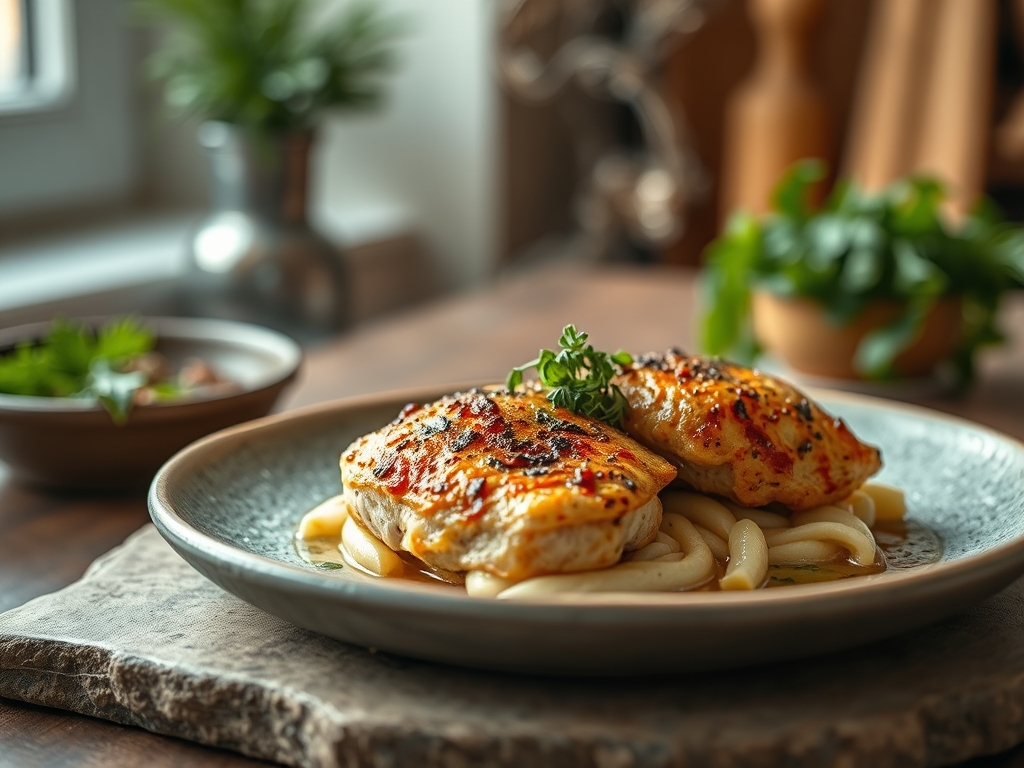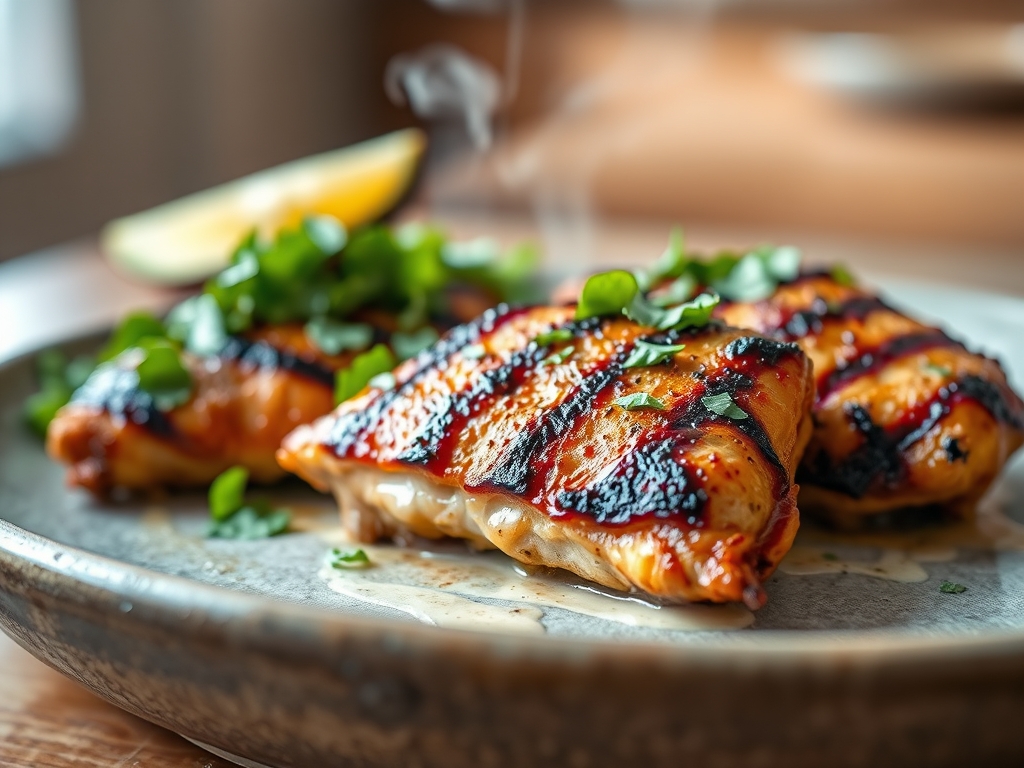
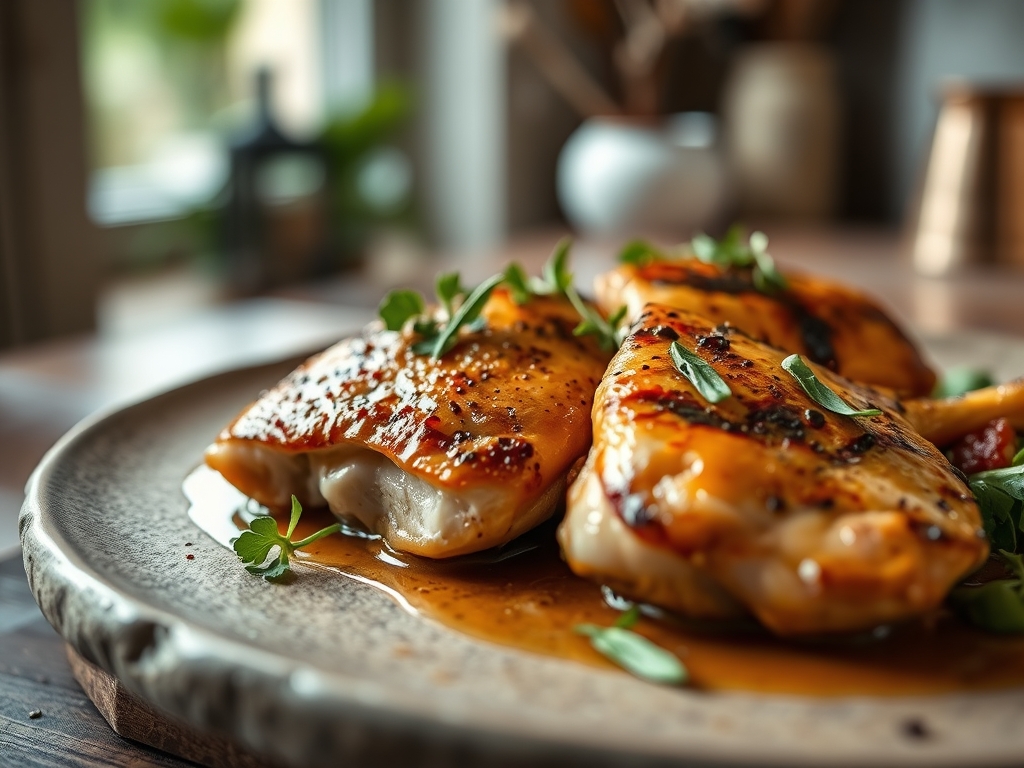
Imagine a heavy-bottomed skillet sizzling on the stovetop as the scent of garlic and rosemary infuses into shimmering olive oil. There is a specific kind of culinary magic found in mastering chicken recipes for two; it is the art of precision over volume. No more soggy leftovers or wasted portions. Just two perfectly seared breasts, golden and crisp.
Cooking for a duo allows you to focus on the technical nuances that get lost in large-scale catering. You can watch the Maillard reaction unfold in real time, turning pale proteins into umami-rich masterpieces. Whether it is a quiet Tuesday or a celebratory Friday, these recipes transform a humble bird into a high-end bistro experience. We are moving beyond the basic bake and diving into the chemistry of heat, fat, and acid to ensure every bite is succulent. By the end of this guide, you will treat your kitchen like a laboratory of flavor, where the goal is maximum texture and zero waste.
The Gathers:
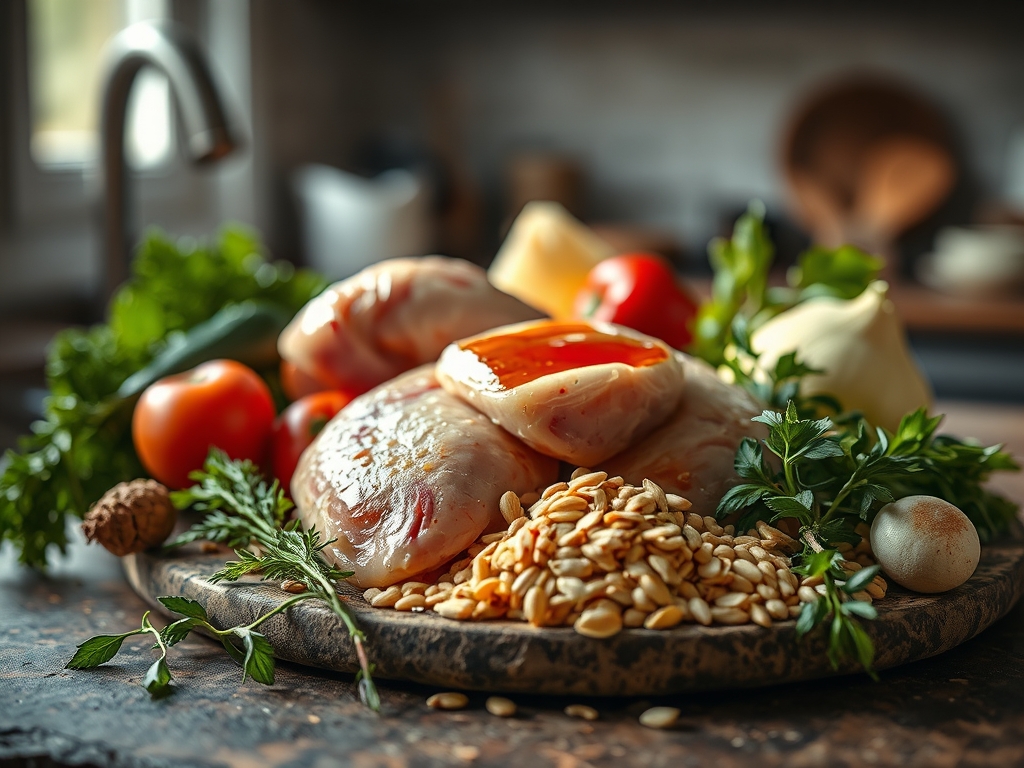
Setting your stage, or mise-en-place, is the difference between a frantic kitchen and a fluid one. For these chicken recipes for two, start with high-quality protein. Look for air-chilled chicken breasts or thighs; they contain less water, which prevents the dreaded "steaming" effect in the pan. You will need a piquant acid, like fresh lemon juice or white wine, to deglaze the pan and lift the fond.
Your aromatics should be prepped using a microplane for maximum surface area exposure. Grating garlic and ginger creates a viscous paste that distributes flavor more evenly than chunky slices. For fats, keep both a high-smoke-point oil (like avocado oil) and unsalted grass-fed butter on hand. The oil handles the initial sear, while the butter provides the richness for a final basting.
Smart Substitutions:
If you lack shallots, use the white parts of green onions for a similar delicate pungency. No dry white wine? A splash of verjus or a diluted apple cider vinegar provides the necessary acidity without the alcohol. If you are avoiding dairy, a spoonful of tahini can emulsify into a pan sauce to provide that creamy, luxurious mouthfeel without the cream.
The Clock
Efficiency in the kitchen relies on "Chef's Flow," which is the sequence of operations that minimizes downtime. For most of these recipes, the active prep time is exactly 15 minutes, with a cook time of 20 minutes. The secret is to utilize the "dead time" while the chicken rests.
Professional chefs never cut into meat the moment it leaves the heat. You must factor in a 5 to 7 minute rest period to allow the muscle fibers to relax and reabsorb the internal juices. During this window, you will execute your pan sauce or toss a quick side salad. By the time the sauce has thickened to a nappe consistency (thick enough to coat the back of a spoon), the chicken is ready to slice. Total "plate-to-face" time is under 40 minutes.
The Masterclass
1. The Sear and Render
Place your chicken skin-side down in a cold heavy-bottomed skillet, then turn the heat to medium. This allows the fat to render out slowly, resulting in glass-like crispy skin. Use your tongs to press the meat down for even contact.
Pro Tip: This is known as "rendering." By starting cold, you prevent the proteins from seizing up instantly, which traps moisture and ensures the fat liquefies and fries the skin from the bottom up.
2. The Deglaze
Once the chicken is flipped and cooked through, remove it to a warm plate. You will see brown bits stuck to the bottom of the pan; this is "fond." Pour in your liquid (wine or stock) and use a wooden spoon or bench scraper to lift those bits.
Pro Tip: Deglazing uses the principle of solubility. The flavorful compounds created during the Maillard reaction are soluble in liquid, allowing you to incorporate that deep, roasted flavor back into a sauce.
3. The Emulsification
Reduce the heat to low and whisk in cold butter or a splash of heavy cream. Move the whisk rapidly to aerate the sauce and create a stable emulsion.
Pro Tip: Cold butter is essential here. The milk solids and fats incorporate slowly into the warm liquid, creating a glossy, thick texture rather than a greasy, separated mess.
4. The Thermal Finish
Check the internal temperature with a digital scale or meat thermometer. You are looking for 160 degrees Fahrenheit. The temperature will rise to the safe 165 mark while resting.
Pro Tip: This is "thermal carryover." The exterior of the meat is hotter than the interior; once removed from the flame, that residual heat continues to move inward, preventing the chicken from becoming overcooked and fibrous.
The Deep Dive
Macro Nutrition:
A standard portion for two features approximately 35 to 40 grams of protein per person. By focusing on skin-on thighs or breasts, you gain healthy fats that aid in the absorption of fat-soluble vitamins like A and D. Keep the carbohydrate count low by pairing these dishes with fibrous greens or roasted cruciferous vegetables.
Dietary Swaps:
For a Keto-friendly version, replace flour-based thickeners with a pinch of xanthan gum or simply reduce the heavy cream further. For a Vegan twist (using plant-based "chicken" strips), skip the butter basting and use a high-quality olive oil infused with lemon zest to maintain the aromatic profile.
The Fix-It:
- The Pan is Smoking: Your heat is too high, and the oil is breaking down. Remove the pan from the heat immediately and add a splash of room-temperature oil to cool it down.
- The Sauce is Broken: If your sauce looks curdled, add a teaspoon of boiling water and whisk vigorously. The water helps re-bind the fat and liquid.
- The Chicken is Dry: This usually means the heat was too high for too long. Next time, use a "shingling" technique; slice the chicken and lay it in the warm pan sauce for two minutes to rehydrate the fibers.
Meal Prep Science:
If you are making these ahead of time, undercook the chicken by 5 degrees. When reheating, use a damp paper towel over the container in the microwave to create a steam chamber. This prevents the "warmed-over flavor" caused by lipid oxidation, keeping the meat as juicy as day one.
The Wrap-Up
Mastering chicken recipes for two is the ultimate kitchen flex. It proves that you do not need a massive guest list to justify high-level technique. By focusing on the science of the sear and the chemistry of the sauce, you turn a simple weeknight meal into a gourmet event. Grab your favorite skillet, trust your thermometer, and enjoy the intimacy of a perfectly portioned, chef-quality dinner.
The Kitchen Table
How do I prevent chicken from sticking to the pan?
Ensure the pan is properly preheated before adding oil. Once the chicken hits the heat, do not move it. The meat will naturally release from the surface once the Maillard reaction has formed a structural crust.
Can I use frozen chicken for these recipes?
Yes, but you must thaw it completely in the refrigerator first. Excess moisture from ice crystals will cause the chicken to steam rather than sear, ruining the texture and preventing the skin from becoming crisp.
What is the best way to store leftovers for two?
Place the chicken and sauce in an airtight glass container. Glass is non-porous and won't retain odors. Store for up to three days. Reheat gently on the stovetop with a splash of water to loosen the sauce.
Why does my chicken feel rubbery?
Rubbery chicken is often the result of "woody breast" or overcooking. To avoid this, always use a digital thermometer to pull the meat at 160 degrees and allow for carryover cooking during the resting phase.