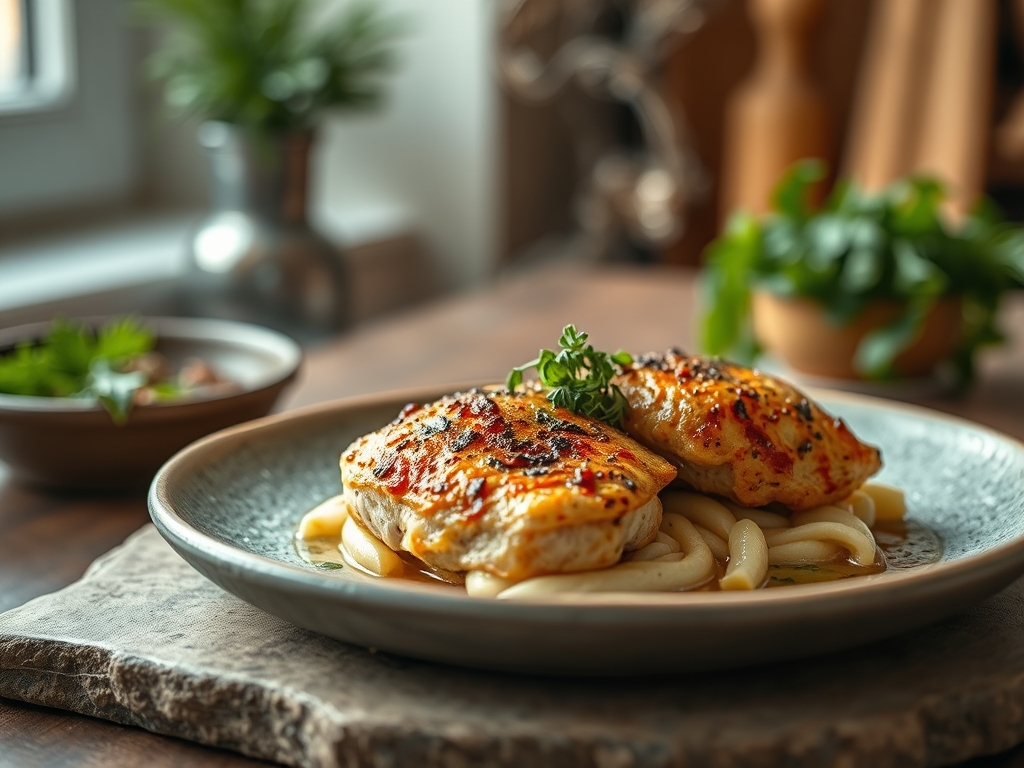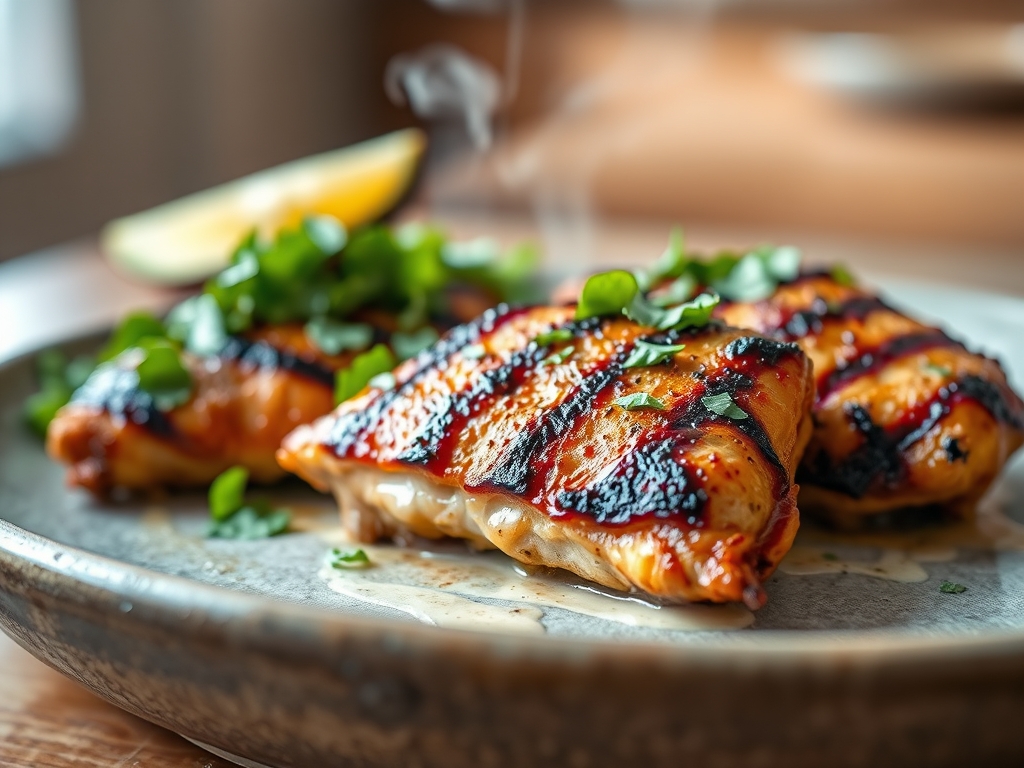
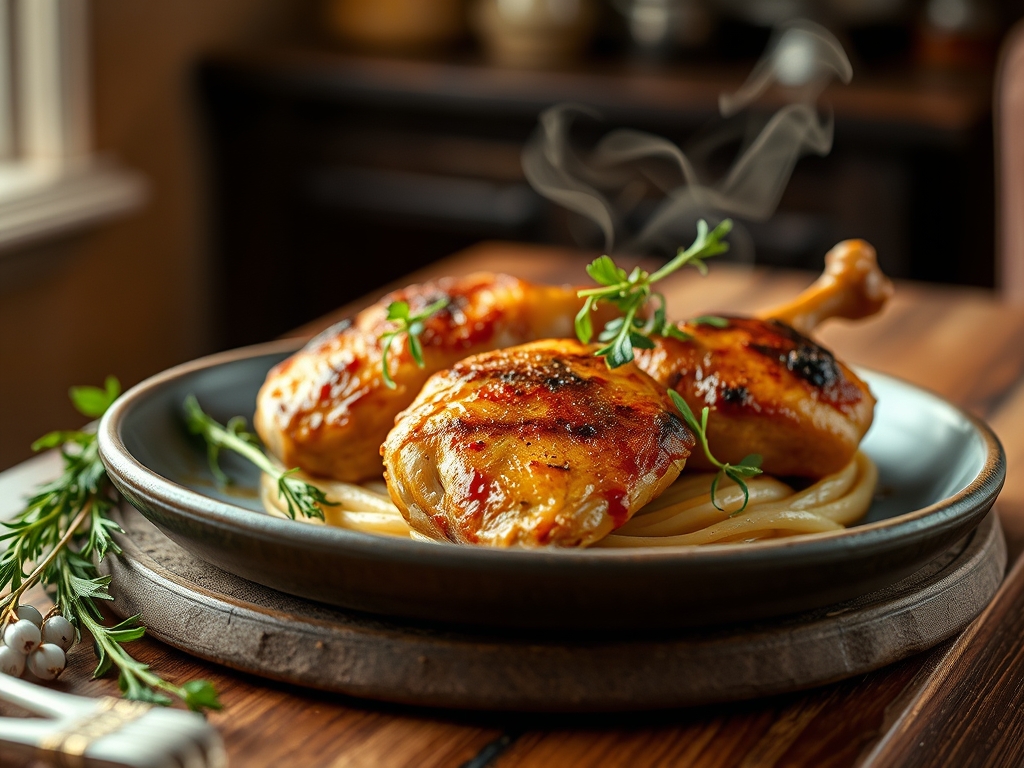
Picture this: the kitchen is bathed in golden hour light, and the air is thick with the aroma of toasted cumin and searing protein. We are moving away from heavy, cream-laden dinners and toward something far more vibrant. Finding chicken recipes light enough for a Tuesday but soulful enough for a Sunday is the ultimate culinary flex. It is about balancing the lean profile of poultry with aggressive, bright flavors that wake up your palate without weighing down your evening. We are not just cooking; we are engineering texture and flavor using high-heat techniques and acidic brightness to transform the humble bird into a masterpiece of modern wellness.
The Gathers:
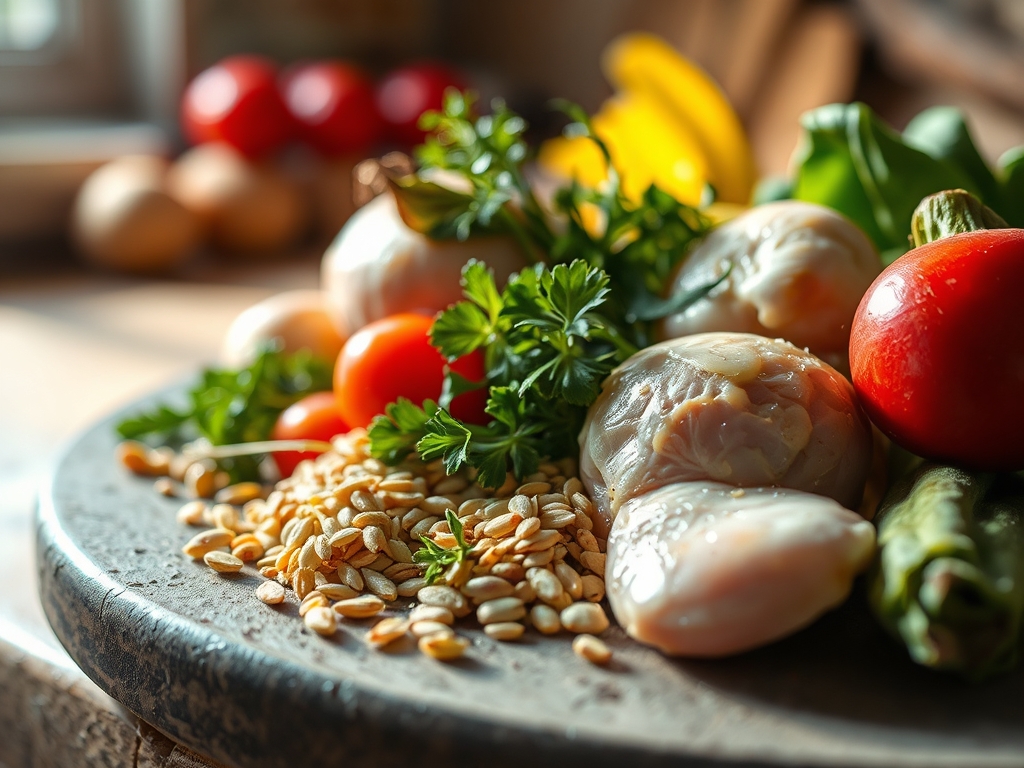
Your counter should look like a botanical laboratory. To execute these six variations, we start with the protein: organic, air-chilled chicken breasts or thighs. Air-chilling is superior to water-chilling because it prevents excess moisture absorption, ensuring your sear is crisp rather than soggy. You will need a fleet of aromatics: bulbs of garlic with high allicin content, shallots for a delicate sulfurous edge, and ginger for that sharp, gingerol-driven heat.
The pantry staples are equally vital. Reach for high-smoke-point fats like avocado oil or ghee to handle the Maillard reaction without breaking down into acrid compounds. You will also need "brighteners" like rice vinegar, preserved lemons, and a high-quality sea salt with a consistent flake size for even seasoning.
Smart Substitutions: If you are dodging nightshades, swap paprika for ground sumac to keep that piquant, acidic profile. If you need to lower the glycemic index further, replace honey with a splash of coconut aminos. Use a digital scale to measure your ingredients; precision is the difference between a recipe that works and a recipe that sings.
The Clock:
Efficiency in the kitchen is all about "Chef's Flow." Most of these dishes require a 15-minute active prep window and a 20-minute thermal transition. Total time from fridge to table averages 40 minutes. The secret is parallel processing. While your chicken reaches room temperature (to ensure even heat penetration), use your bench scraper to organize your mirepoix. Never crowd the pan; cooking in batches may seem slower, but it prevents the temperature of your heavy-bottomed skillet from dropping, which would cause the meat to steam in its own juices rather than sear.
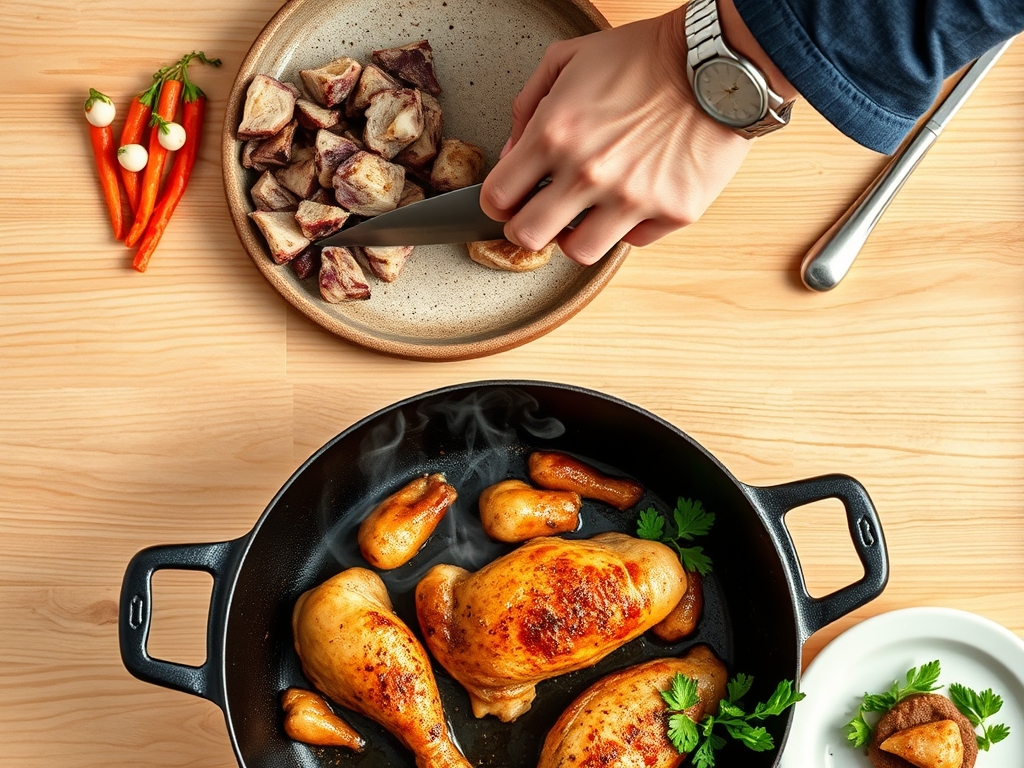
The Masterclass:
1. The Tempering and Surface Prep
Start by patting the chicken bone-dry with paper towels. Moisture is the enemy of the crust. Season aggressively with salt at least ten minutes before cooking.
Pro Tip: This utilizes osmosis. Salt initially draws moisture out, but given time, the brine is reabsorbed into the muscle fibers, seasoning the meat deeply and breaking down tough proteins for a more tender result.
2. The High-Heat Sear
Heat your saucier or skillet until the oil shimmers but does not smoke. Place the chicken skin-side down (if applicable) and do not move it.
Pro Tip: This triggers the Maillard reaction, a chemical dance between amino acids and reducing sugars. Moving the meat too early disrupts the formation of this flavorful crust. Use tongs to check for "release"—the meat will naturally let go of the pan once the crust is formed.
3. The Deglaze and Infusion
Once the chicken is browned, remove it and add your aromatics. Once translucent, pour in a liquid like white wine or chicken bone broth to scrape up the "fond" (the brown bits).
Pro Tip: Deglazing is a solvent-based extraction. The alcohol or water dissolves the concentrated flavor compounds stuck to the pan, creating a viscous sauce that carries the essence of the sear into every bite.
4. The Gentle Finish
Return the chicken to the pan and lower the heat. Cover if necessary to finish the internal cook without drying out the exterior.
Pro Tip: Use a digital thermometer to pull the chicken at 160 degrees Fahrenheit. Thermal carryover will bring the internal temperature to the safe 165-degree mark while the meat rests, preventing the protein fibers from tightening and squeezing out moisture.
5. The Emulsified Acid
Finish the dish with a squeeze of fresh lemon or a teaspoon of cold butter whisked into the sauce at the very end.
Pro Tip: This creates a temporary emulsification. The fat molecules suspend in the acidic liquid, coating the palate and mellowing the sharp edges of the spices for a balanced, professional finish.
6. The Aerated Garnish
Shower the final plate with fresh herbs like cilantro, parsley, or mint, and use a microplane to zest citrus over the top.
Pro Tip: Citrus zest contains volatile oils that dissipate quickly under heat. Adding them at the very end ensures the aromatic compounds hit the diner's nose immediately, enhancing the perceived freshness of the meal.
The Deep Dive:
When we talk about the macro profile of these chicken recipes light, we are looking at high-protein, moderate-fat, and low-carbohydrate structures. A standard 6-ounce serving provides roughly 42 grams of protein and 180 calories, making it a metabolic powerhouse.
Dietary Swaps:
- Vegan: Swap the chicken for pressed extra-firm tofu or oyster mushrooms. Both have the cellular structure to withstand high-heat searing.
- Keto: Ensure your sauces are thickened by reduction rather than starch, and lean into healthy fats like olive oil.
- GF: Use tamari or coconut aminos instead of soy sauce to keep the umami high without the gluten.
The Fix-It:
- Rubbery Chicken: This usually means the heat was too low for too long. Fix it by slicing thin and tossing in a bright, acidic dressing to mask the texture.
- Bland Sauce: It lacks acid or salt. Add a splash of apple cider vinegar or a pinch of Maldon salt to "wake up" the molecules.
- Burnt Fond: If the pan bits turn black, do not deglaze. Wipe the pan and start the sauce fresh; bitterness cannot be un-done.
Meal Prep: To maintain "day-one" quality, store chicken and sauce separately. Reheat in a pan over medium heat with a splash of water to rehydrate the proteins. Avoid the microwave, which vibrates water molecules so violently it can turn tender chicken into leather.
The Wrap-Up:
Mastering chicken recipes light is truly about the intersection of physics and pantry staples. By respecting the sear, understanding the power of deglazing, and finishing with fresh acidity, you transform a basic ingredient into a high-performance meal. You now have the technical blueprint to feed your family with confidence and flair. Go forth and sear with authority!
The Kitchen Table:
How do I keep chicken breast from drying out?
Stop cooking at 160 degrees Fahrenheit. Use a digital thermometer to ensure accuracy. Allow the meat to rest for five minutes; this allows the internal juices to redistribute into the muscle fibers rather than spilling out onto the cutting board.
Can I use chicken thighs for light recipes?
Yes, thighs are more forgiving due to higher fat content. To keep it light, trim excess skin and visible fat before cooking. Thighs offer more iron and zinc, providing a different nutritional profile while remaining highly flavorful and juicy.
What is the best way to add flavor without calories?
Utilize dry spices, fresh aromatics, and acids like citrus or vinegar. These provide intense flavor hits without adding significant caloric density. Techniques like charring peppers or toasting whole spices also add "smoky" depth for zero extra calories.
How long can I marinate chicken?
For acidic marinades, limit time to 2 to 4 hours. If left too long, the acid will denature the proteins too much, resulting in a mushy texture. For dry rubs, you can season up to 24 hours in advance.