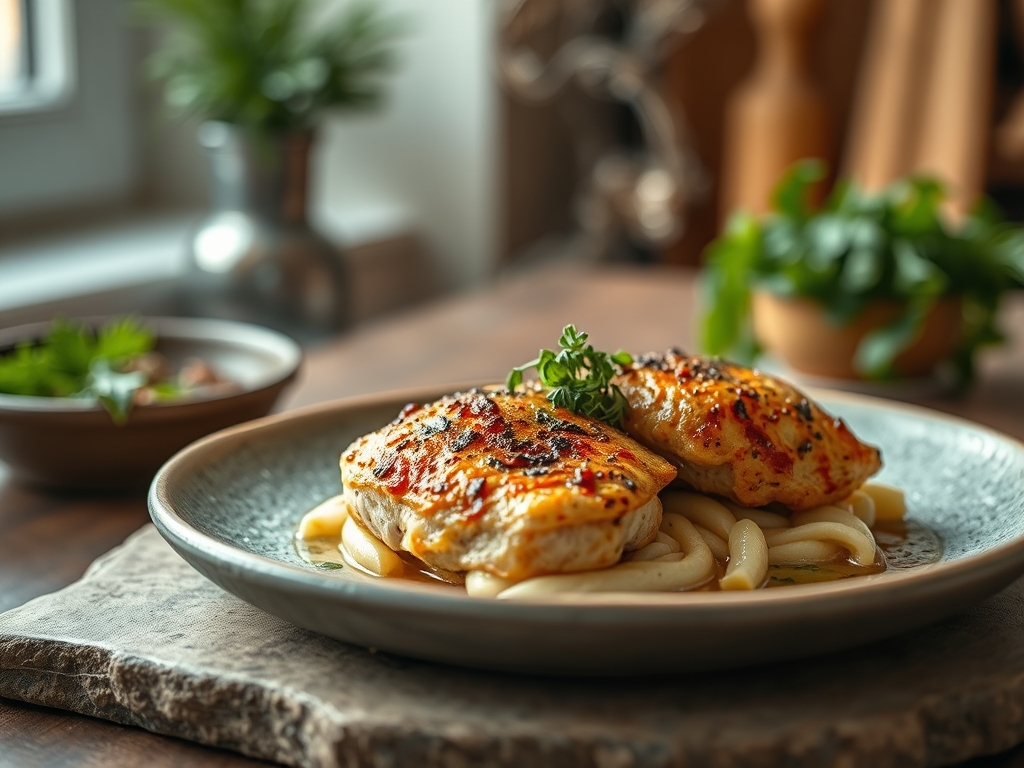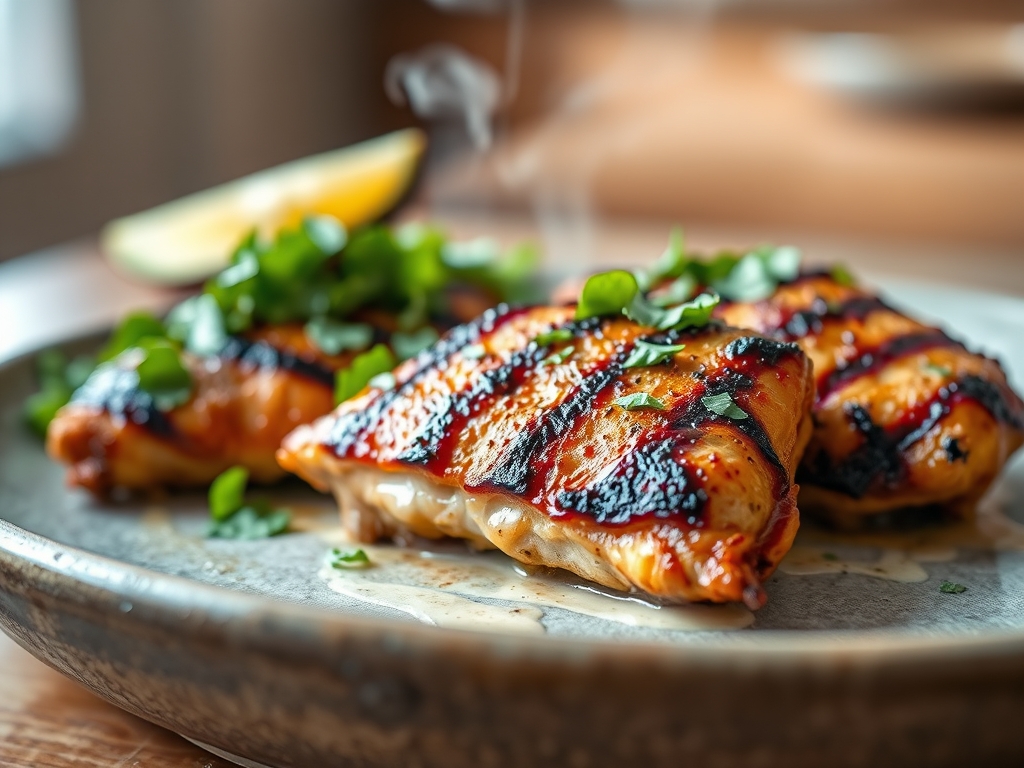
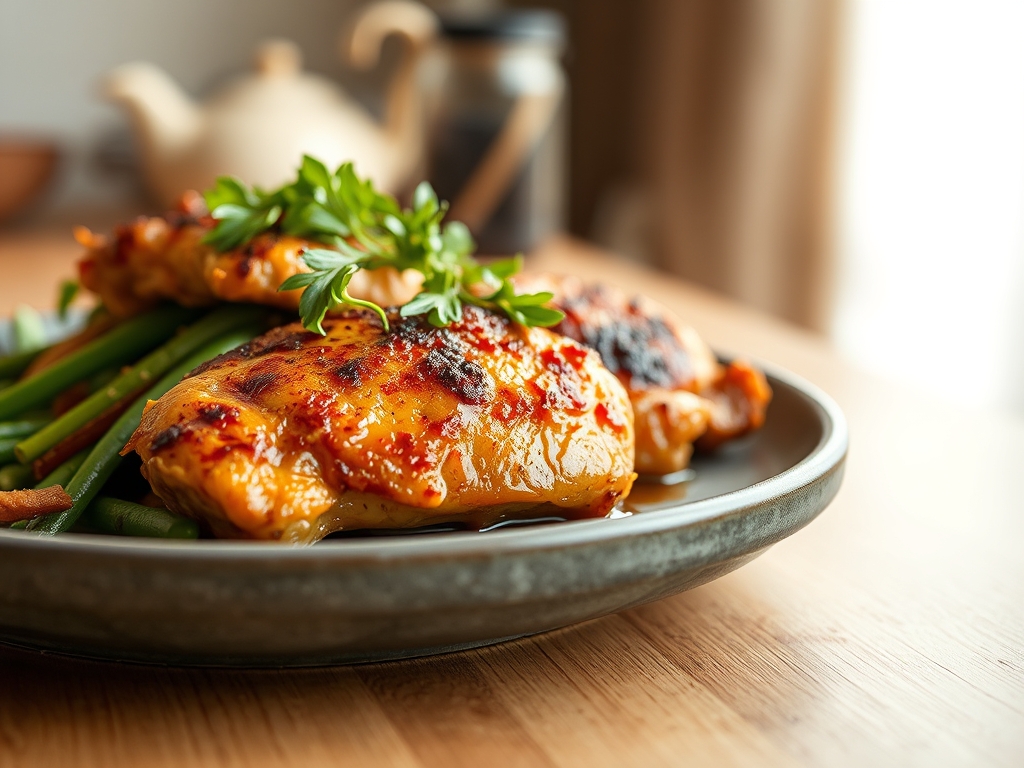
Imagine the sound of a heavy-bottomed skillet meeting a high-flame burner; it is the rhythmic percussion of a kitchen that knows exactly what it is doing. You are standing there with a glass of sparkling water, watching the steam rise as a lean breast hits the pan with a defiant hiss. We have all been told that dieting is a monochromatic landscape of boiled poultry and sadness, but that is a scientific fallacy. Finding the perfect chicken recipes weight loss strategy is not about subtraction; it is about the chemistry of flavor. We are looking for that specific golden hue of the Maillard reaction, where amino acids and reducing sugars transform into a complex profile of savory notes. By focusing on high-protein density and metabolic-boosting aromatics, we can turn a simple bird into a fat-burning masterpiece. This is about reclaiming the joy of the sear and the brightness of a citrus deglaze. We are going to build layers of flavor that satisfy the palate while keeping the caloric load lean and the satiety levels through the roof.
The Gathers:
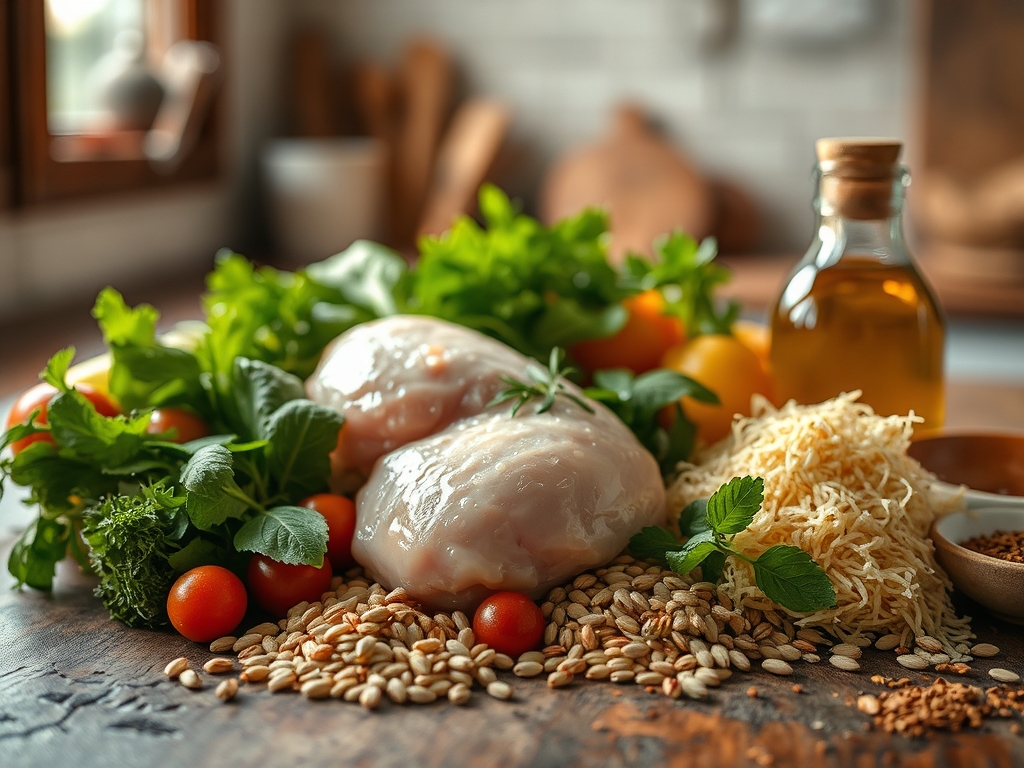
Your mise-en-place is the foundation of culinary success. Start with your protein: organic, air-chilled chicken breasts or thighs. Air-chilled poultry is superior because it has not absorbed excess water during processing, meaning it will sear rather than steam. You will need a digital scale to ensure your portions are precise; usually 150 grams per serving for optimal protein synthesis. Gather your aromatics: fresh cloves of garlic, thumb-sized ginger roots, and shallots. These contain sulfur compounds that provide a piquant depth without the need for heavy fats.
For your "Smart Substitutions," swap heavy creams for a viscous Greek yogurt or a light coconut milk to maintain creaminess without the saturated fat. Instead of refined flour for breading, use almond meal or nutritional yeast to add a nutty, cheesy profile with a fraction of the carbohydrates. Use a microplane to zest lemons and limes; the essential oils in the zest provide a massive flavor punch that salt alone cannot achieve. Finally, keep a high-quality avocado oil or grapeseed oil on hand. These have high smoke points, allowing you to achieve a crisp exterior without the oil breaking down into bitter, unhealthy compounds.
The Clock: Chef's Flow
Efficiency in the kitchen is about the "Chef's Flow," a sequence of tasks that minimizes downtime. Most of these chicken recipes weight loss favorites require a 15-minute prep and a 20-minute cook time. Start by marinating your protein; even ten minutes allows the acid to begin denaturing the proteins for a more tender bite. While the chicken rests, use your bench scraper to clear your chopping board of vegetable prep. This prevents cross-contamination and keeps your workspace mental-health friendly. By the time your pan is preheated, your sides should be ready for the steamer or the oven. Total time from fridge to table is roughly 40 minutes, making this sustainable for a busy weeknight.
The Masterclass:
1. The Perfect Sear
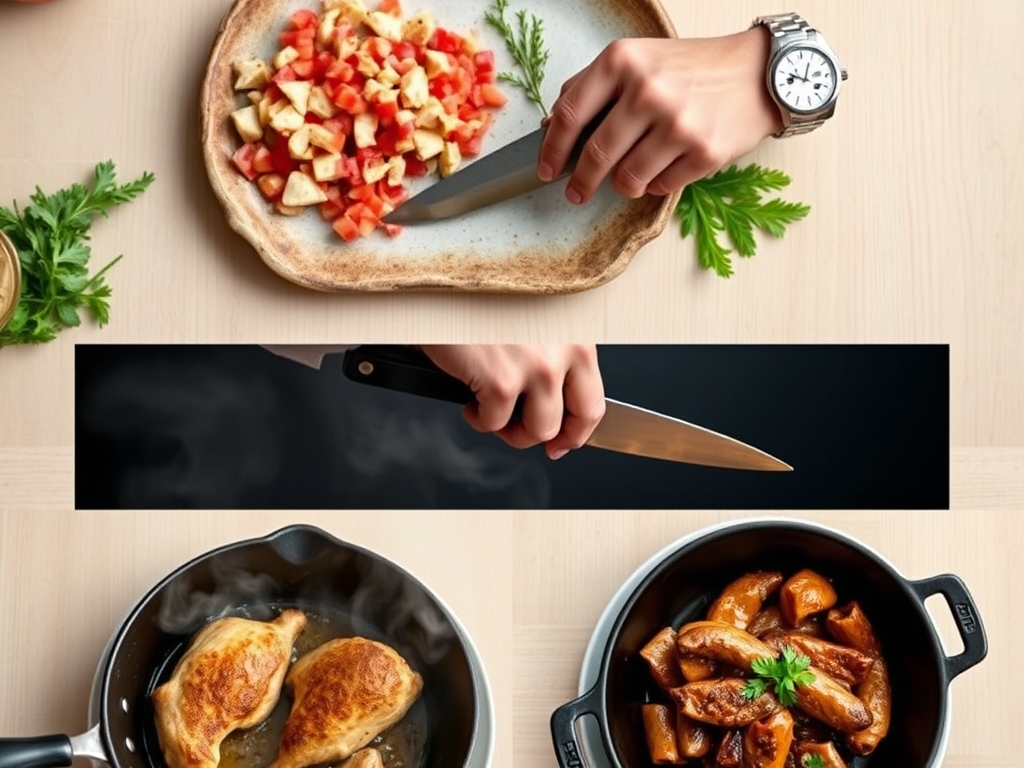
Place your seasoned chicken into a preheated heavy-bottomed skillet. Do not crowd the pan, as this lowers the temperature and causes the meat to boil in its own juices. Use tongs to press the meat down for maximum surface contact.
Pro Tip: This creates the Maillard reaction. The browning is not just color; it is a chemical rearrangement of proteins that creates hundreds of new flavor compounds.
2. Deglazing the Fond
Once the chicken is removed, you will see brown bits stuck to the pan. Pour in a splash of chicken stock or dry white wine. Use a wooden spoon to scrape these bits up.
Pro Tip: This process captures the "fond," the concentrated essence of the meat. It creates a rich, infused sauce without adding butter or oil.
3. The Gentle Poach
For shredded chicken salads, submerge the breast in a saucier filled with aromatics and simmering water. Keep the temperature just below a boil.
Pro Tip: Use a digital thermometer to pull the meat at 160 degrees Fahrenheit. Thermal carryover will bring it to the safe 165 mark while keeping the fibers succulent.
4. Aerating the Greens
When serving with a side salad, toss your greens in a large bowl to aerate them before adding a light vinaigrette.
Pro Tip: Aeration prevents the leaves from clumping, ensuring every bite is coated in a thin, molecular layer of dressing rather than being drenched and soggy.
5. Resting the Protein
Always move your chicken to a warm plate and tent it loosely with foil for five minutes before slicing.
Pro Tip: Resting allows the muscle fibers to relax and reabsorb the internal juices. If you cut it immediately, the moisture escapes, leaving the meat dry and fibrous.
The Deep Dive:
From a macro perspective, chicken is a powerhouse. A standard 6-ounce serving provides roughly 50 grams of protein with only 6 grams of fat. This high thermic effect of food (TEF) means your body burns more calories just digesting the protein compared to fats or carbs.
For dietary swaps, Keto followers can swap the citrus glazes for a buttery garlic herb rub. Vegans can replicate these flavor profiles using extra-firm tofu pressed with a heavy weight to mimic the chicken's density. For those who are Gluten-Free, ensure your soy sauce is replaced with tamari or liquid aminos to keep the sodium levels in check.
The Fix-It:
- Rubbery Texture: You likely overcooked it. Use a thermometer every time. If it is already tough, slice it very thin against the grain to break up the fibers.
- Bland Flavor: You missed the acidity. A final squeeze of fresh lemon or a dash of apple cider vinegar "wakes up" the stagnant flavors.
- Sticking to the Pan: Your pan wasn't hot enough or you tried to flip the meat too early. Chicken will naturally "release" from the pan once the crust has formed.
Meal Prep Science: To maintain day-one quality, reheat your chicken with a tablespoon of water or broth covered in the microwave. This creates a steam chamber that prevents the proteins from becoming "woody" or dry.
The Wrap-Up:
You are now equipped with the technical prowess to turn chicken recipes weight loss goals into a gourmet reality. Remember, the kitchen is your laboratory and your sanctuary. By mastering the sear, respecting the rest period, and utilizing the right tools like your saucier and digital scale, you are not just eating for a smaller waistline; you are eating for a better life. Go forth and cook with confidence; your body and your taste buds will thank you.
The Kitchen Table:
How do I keep chicken breast from getting dry?
Always use a digital thermometer to pull the chicken at 160 degrees Fahrenheit. Allow a five-minute rest period under foil. This utilizes thermal carryover to reach safety while locking in moisture for a succulent, tender texture every time.
Can I use chicken thighs for weight loss?
Yes, thighs are acceptable if you trim the excess skin and visible fat. They provide essential minerals like iron and zinc. Just track the slightly higher caloric density compared to breasts to stay within your daily energy expenditure goals.
What is the best way to meal prep chicken?
Slice your cooked chicken and store it in airtight glass containers. When reheating, add a teaspoon of water and cover tightly. This creates a steam effect that prevents the protein fibers from becoming tough and rubbery during the second heating.
What are the best spices for fat loss?
Focus on thermogenic spices like cayenne pepper, ginger, and turmeric. These ingredients slightly increase your metabolic rate. Combine them with garlic and onion powder to create a high-impact flavor profile that requires zero added fats or sugars for palatability.