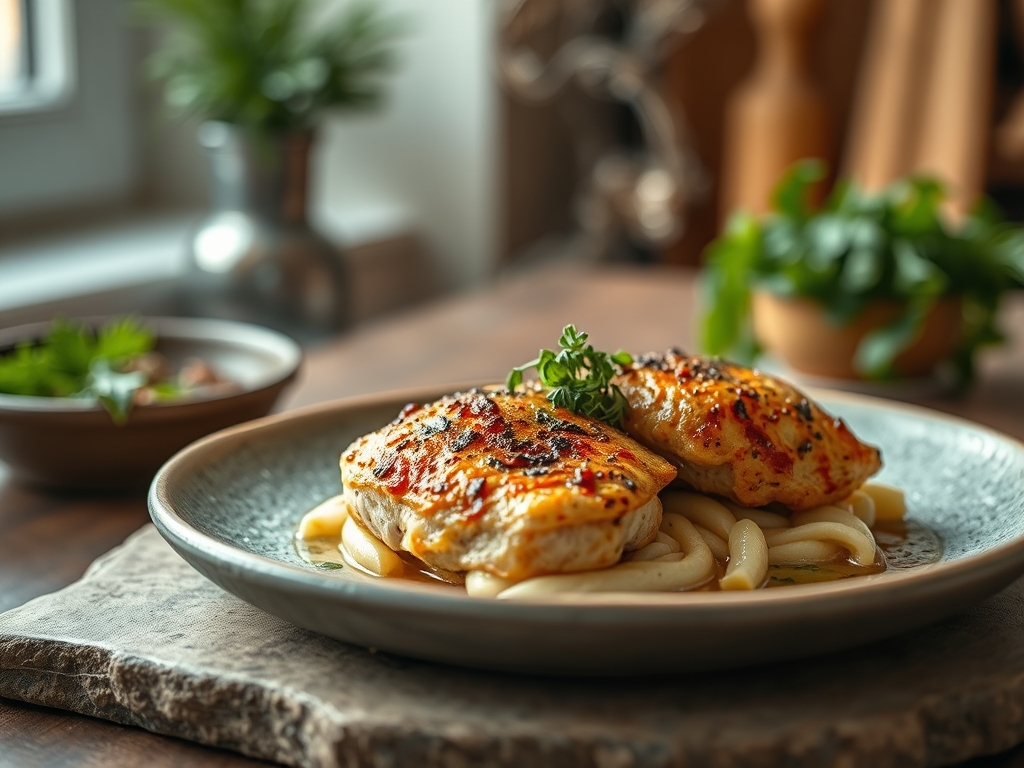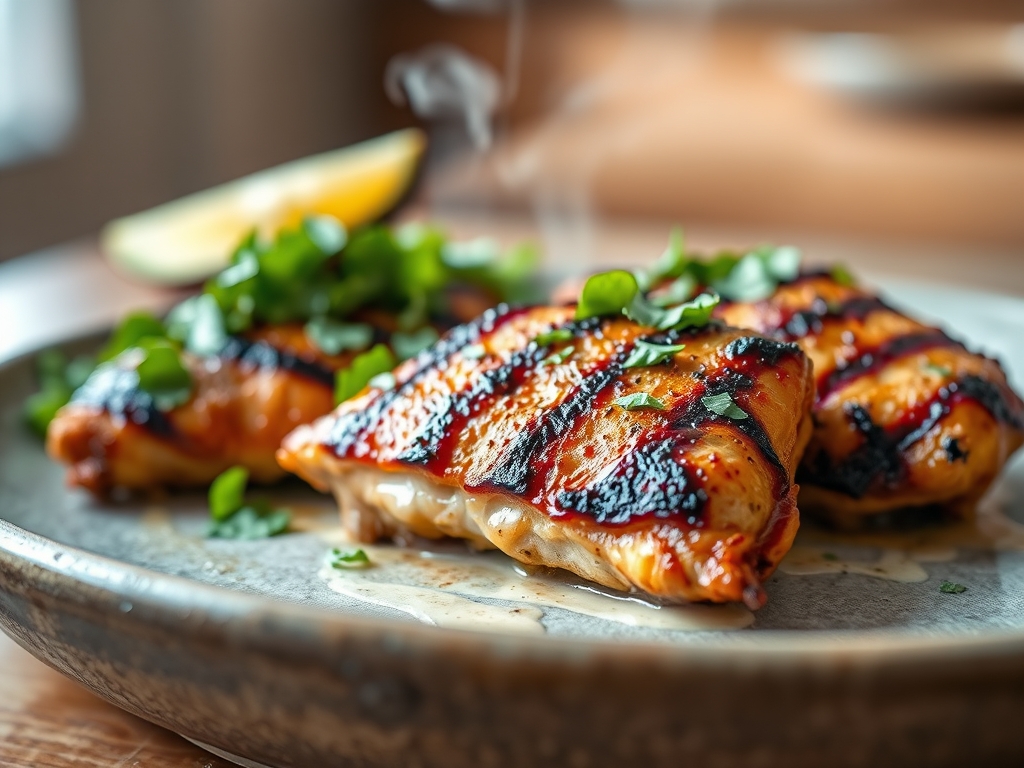
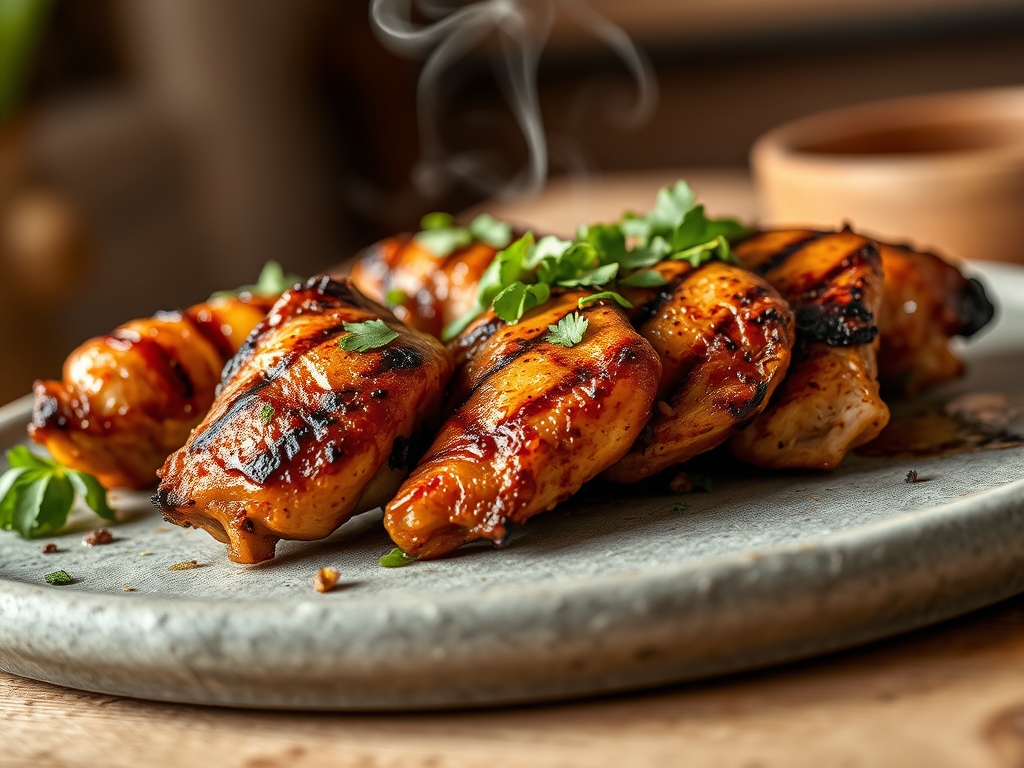
Picture the scene: smoke curls lazily off the grate while the scent of charred lime and toasted cumin hangs heavy in the air. You are not just cooking; you are orchestrating a chemical transformation. When we talk about mexican chicken recipes grilled to perfection, we are chasing that elusive balance of acid, fat, and fire. It is about the way a piquant marinade breaks down tough muscle fibers to create something buttery and sublime. This is the ultimate backyard alchemy.
The secret to mastering these dishes lies in understanding the Maillard reaction. This is the functional magic where amino acids and reducing sugars rearrange themselves under heat to create hundreds of flavor compounds. We are moving beyond basic poultry into a realm of deep umami and vibrant citrus. Whether you are hosting a massive fiesta or just prepping for a solo Tuesday, these seven variations will turn your grill into a professional grade hearth. Grab your favorite apron; we are about to get technical with our flavors.
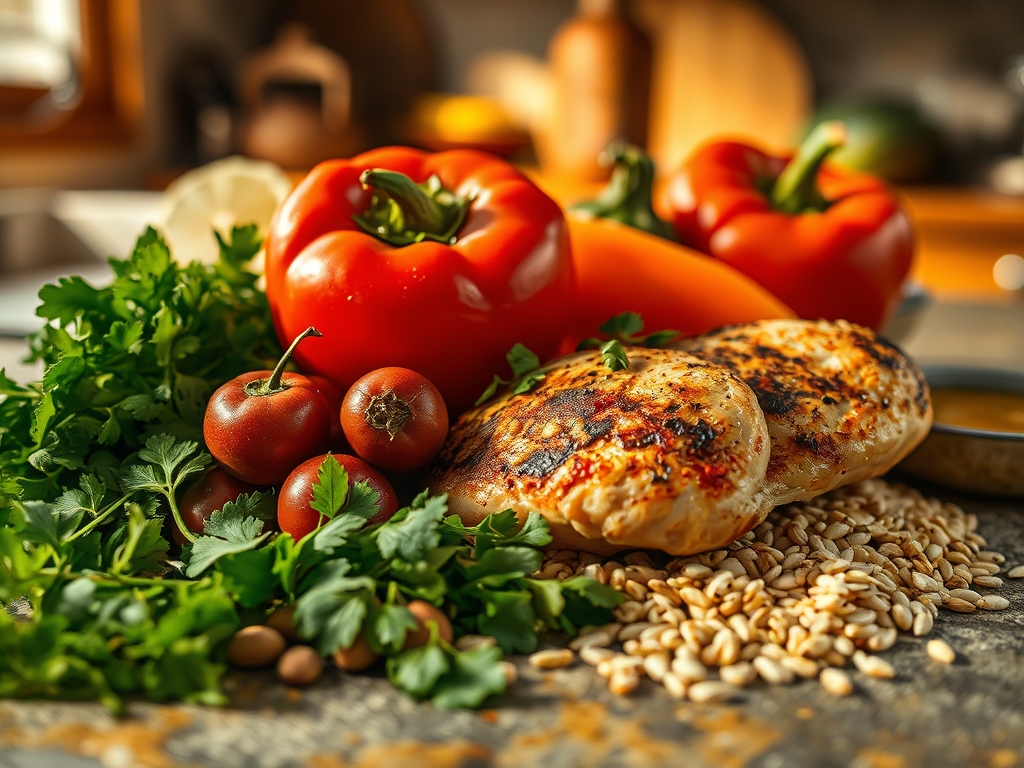
The Gathers:
To execute these recipes, your mise-en-place must be precise. Start with high quality poultry; organic, air-chilled thighs are superior because they possess a higher fat content that can withstand intense thermal radiation without drying out. You will need a microplane for zesting citrus, as the volatile oils in the peel are more concentrated than the juice itself.
Your pantry should include dried guajillo and ancho chiles. These are not just for heat; they provide a viscous base and earthy undertones. Use a digital scale to measure your spices. Volumetric measurements like teaspoons are notoriously inaccurate for coarse salts or fluffy powders. You will also need a high-smoke-point oil, such as avocado or grapeseed oil, to ensure your marinade does not burn and become bitter before the meat reaches its target internal temperature.
Smart Substitutions: If you cannot find Mexican crema, whisk heavy cream with a splash of lime juice and let it sit for ten minutes to infuse and thicken. If fresh epazote is unavailable, a mix of flat-leaf parsley and dried oregano can mimic that resinous, medicinal punch. For a keto-friendly version, replace agave nectar with a drop of liquid stevia to maintain the sugar-to-acid ratio required for balanced caramelization.
The Clock
Efficiency in the kitchen is about "Chef's Flow." This is the art of overlapping tasks so no heat is wasted. For these recipes, expect a prep time of 30 minutes, which includes cleaning the protein and blending the marinades. The "inactive" time is the most critical phase; chicken requires at least four hours to marinate, though twelve hours is the sweet spot for maximum enzymatic breakdown.
The actual cook time is surprisingly fast, usually between 12 and 18 minutes depending on the cut. However, you must factor in a 10-minute rest period. This allows the internal juices to redistribute. If you cut the meat too soon, the moisture will escape, leaving you with a fiberous, dry result. Total time from fridge to table is roughly 5 hours, but your active labor is minimal.
The Masterclass
1. The Acidic Foundation
Start by whisking your citrus juices with oil in a saucier. This creates a temporary emulsion that coats the meat evenly.
Pro Tip: This process is known as denaturation. The acid partially "cooks" the outer layers of the protein, allowing spices to penetrate deeper into the muscle structure.
2. The Spice Infusion
Toast your whole spices in a heavy-bottomed skillet before grinding them. This releases essential oils that are otherwise trapped in the cellular walls of the seeds.
Pro Tip: Heat triggers volatilization. By toasting spices until they are fragrant, you increase the flavor density of the final dish by up to 30 percent.
3. The Controlled Char
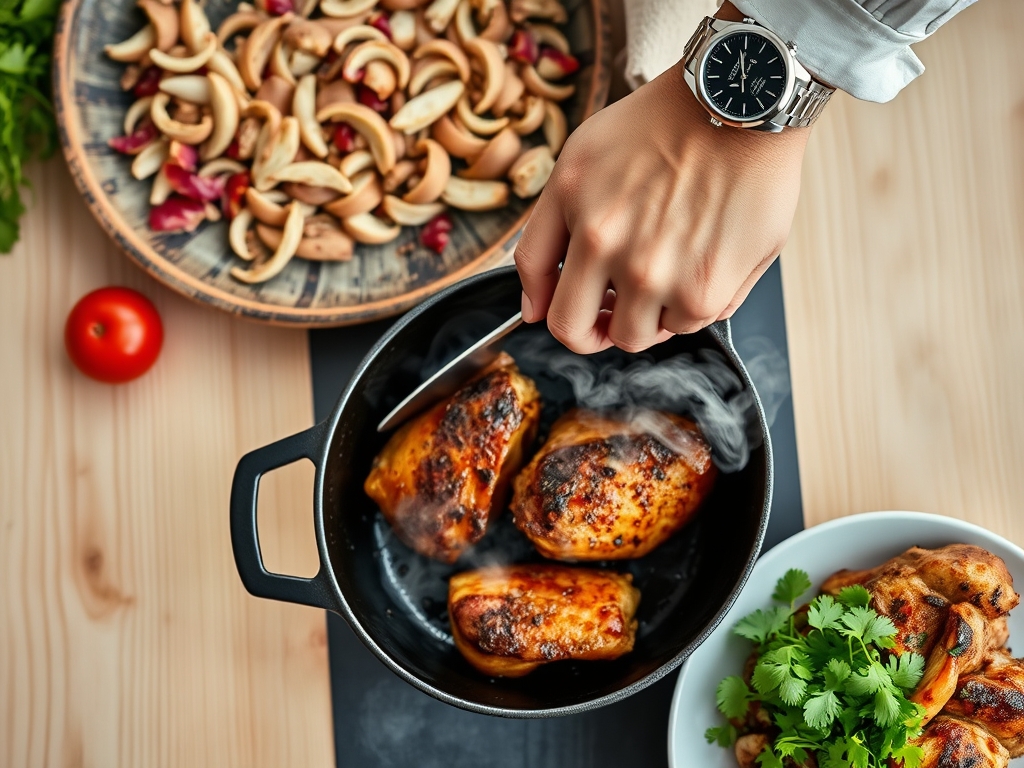
Preheat your grill to 450 degrees Fahrenheit. Use tongs to place the chicken skin-side down first to render the subcutaneous fat.
Pro Tip: This utilizes conduction heating. The direct contact with the metal grates creates those signature grill marks, which are concentrated pockets of carbonized sugars.
4. Thermal Monitoring
Use a digital probe thermometer to track the internal temperature. Remove the chicken when it hits 160 degrees Fahrenheit.
Pro Tip: Thermal carryover will continue to raise the temperature by 5 degrees while the meat rests. Pulling it early ensures it hits the perfect 165-degree safety mark without overcooking.
5. The Glaze Application
In the final two minutes of cooking, brush on any sugar-heavy glazes or honey-based sauces.
Pro Tip: Applying sugar too early leads to pyrolysis, where the sauce burns and turns acrid. Saving it for the end allows for a glossy, lacquered finish.
6. The Rest and Carve
Transfer the meat to a warm platter and tent it loosely with foil. Use a bench scraper to clear your board before carving.
Pro Tip: Resting allows the protein fibers to relax. This prevents the "squeeze" effect where the muscle fibers contract and push out all the savory liquid.
7. The Final Aeration
Squeeze fresh lime over the meat just before serving. This brightens the heavy, smoky fats.
Pro Tip: High notes of acidity help to aerate the heavier flavor molecules on your palate, making the dish feel lighter and more complex.
The Deep Dive
From a macro perspective, grilled Mexican chicken is a nutritional powerhouse. A standard 6-ounce serving of thigh meat provides roughly 35 grams of protein and 15 grams of healthy fats. If you choose breast meat, the fat drops significantly, but you must be more vigilant with your thermometer to avoid a chalky texture.
Dietary Swaps: For a vegan alternative, firm tofu or oyster mushrooms work beautifully with these marinades. Just reduce the marinating time to one hour, as plant tissues are less dense. For those following a Paleo or Whole30 protocol, ensure your spice blends do not contain added cornstarch or anti-caking agents.
The Fix-It:
- Rubbery Skin: This happens if the grill wasn't hot enough. Fix it by finishing the chicken under a high broiler for 60 seconds.
- Bland Interior: You likely didn't salt the marinade heavily enough. Fix it by slicing the meat thin and tossing it in a finishing salt like Maldon.
- Flare-ups: Excess oil in the marinade causes fire spikes. Use a two-zone grilling method, moving the chicken to the "cool" side of the grill if the flames get too aggressive.
Meal Prep: To reheat, avoid the microwave. It vibrates water molecules too violently, toughening the protein. Instead, use a low oven (300 degrees) with a splash of chicken stock to create a gentle steam environment. This preserves the "day-one" moisture levels.
The Wrap-Up
Mastering mexican chicken recipes grilled at home is about more than just following a list of ingredients. It is about respecting the science of the sear and the patience of the marinade. When you combine the right tools with a little bit of technical knowledge, you transform a simple weeknight meal into a culinary event. Go forth, fire up that grill, and let the Maillard reaction do the heavy lifting for you. Your kitchen is now a laboratory of flavor.
The Kitchen Table
How long should I marinate Mexican chicken?
For the best results, marinate for 4 to 12 hours. The acids and enzymes need this time to break down connective tissues. Do not exceed 24 hours, or the protein fibers will become mushy and unappealing.
Can I use chicken breasts instead of thighs?
Yes, but reduce the cook time. Breasts are leaner and dry out quickly. Use a meat thermometer to pull them at 160 degrees Fahrenheit. Brining them for 30 minutes before marinating helps retain moisture during the high-heat grilling process.
What is the best wood for Mexican grilling?
Mesquite provides an authentic, bold smokiness that pairs perfectly with spicy chiles. If you prefer something milder, pecan or oak offers a balanced flavor that does not overpower the bright citrus notes in your marinade or salsa.
How do I prevent chicken from sticking to the grill?
Ensure your grates are scrubbed clean and preheated thoroughly. Lightly oil the grates using a folded paper towel dipped in high-smoke-point oil. Only flip the chicken once it naturally releases from the metal through the searing process.
Is it safe to use leftover marinade as a sauce?
Only if you boil it first. Raw chicken juices contain bacteria that must be killed by reaching a full rolling boil for at least three minutes. Alternatively, set aside a portion of the marinade before adding the raw meat.