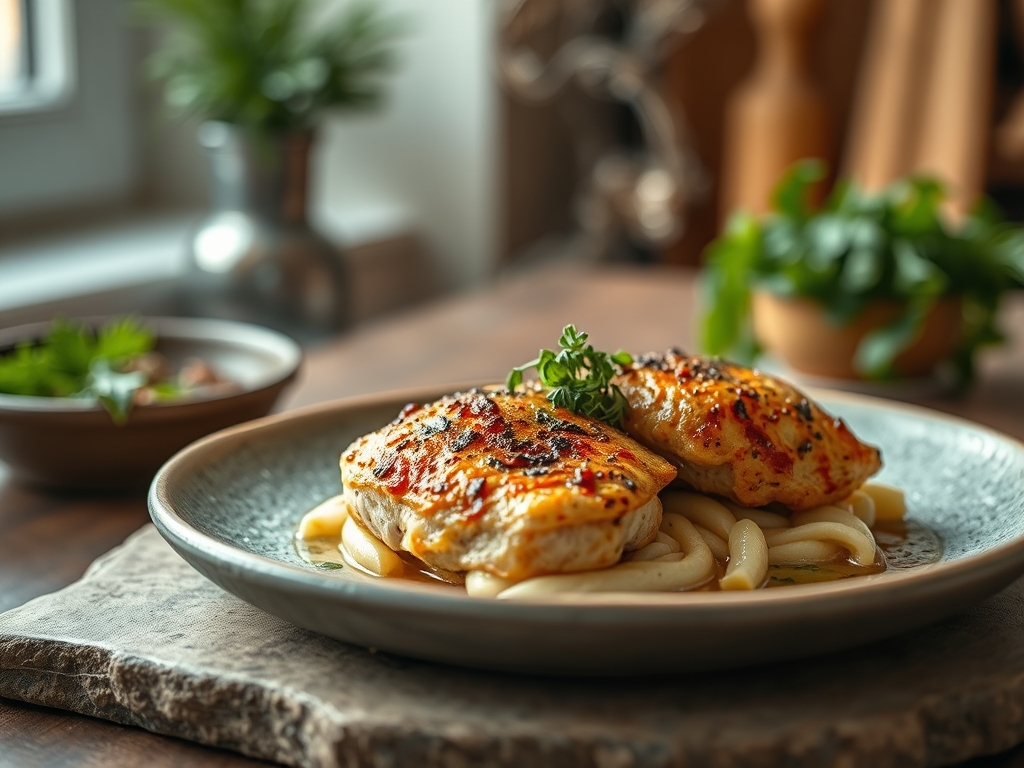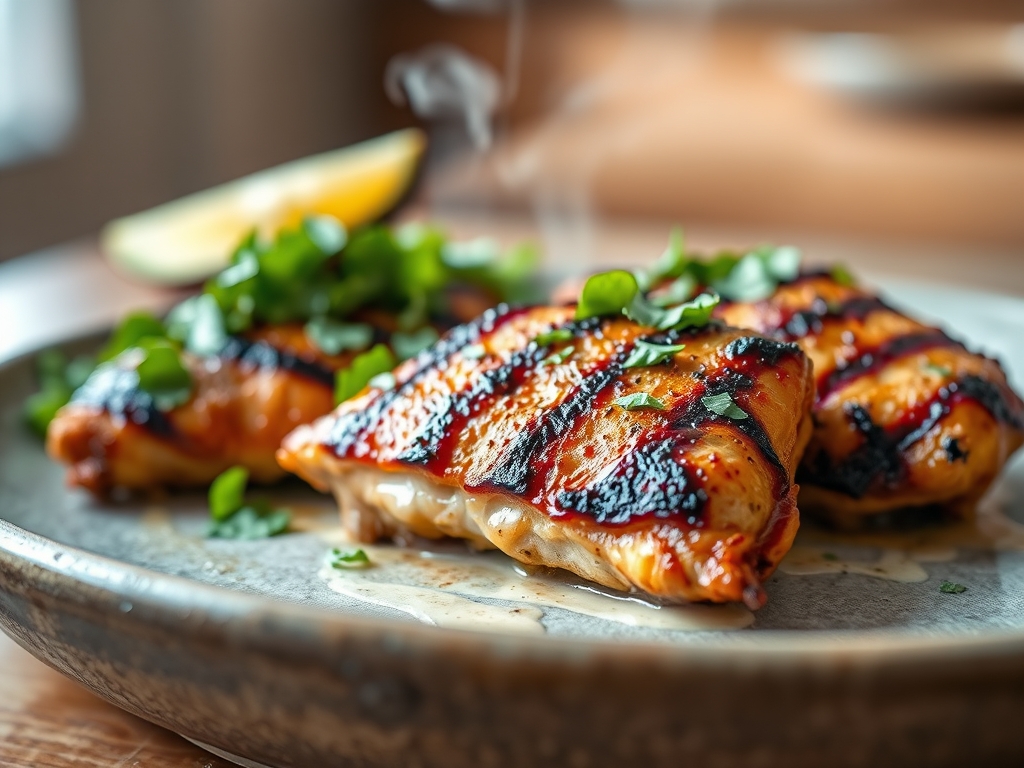
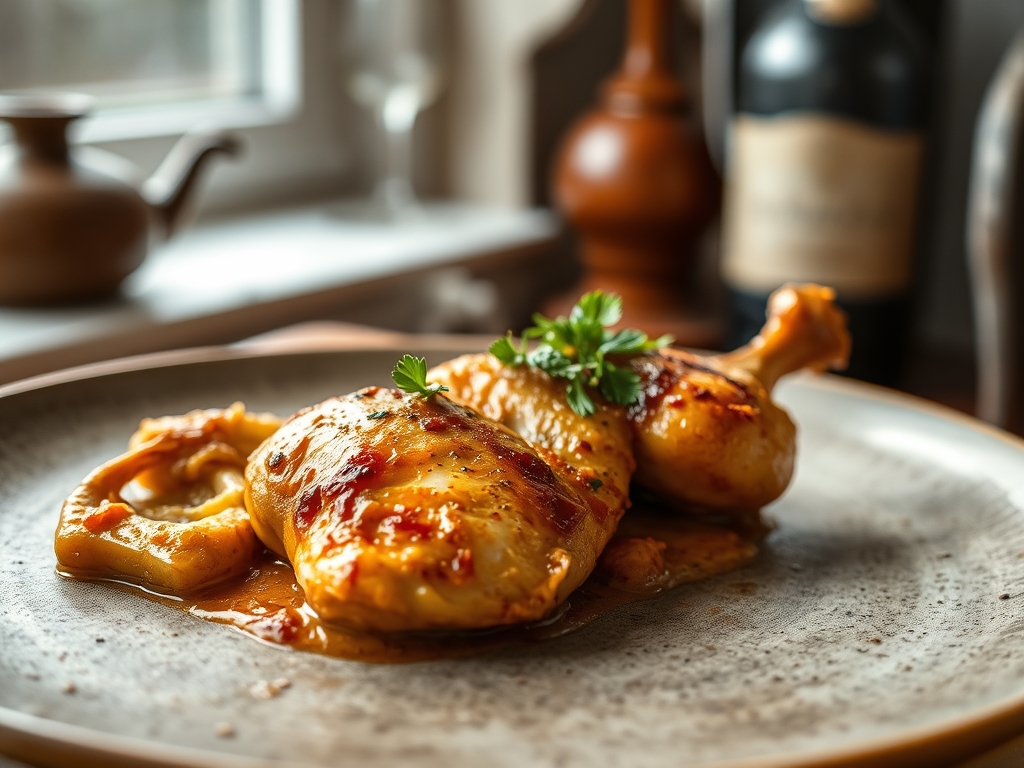
Imagine the scent of schmaltz rendering in a heavy bottomed skillet; it is the olfactory equivalent of a warm hug from your favorite aunt. When we talk about chicken recipes passover style, we are not just looking for a meal that checks a box. We are hunting for that perfect intersection of crisp, golden skin and succulent, moisture rich protein that honors tradition while embracing modern technique. The challenge of the holiday is often the restriction, but constraints are actually the secret ingredient to culinary creativity. By focusing on high quality fats and the natural sugars in root vegetables, we can achieve flavors that are far more sophisticated than anything involving a box of matzo meal. We are going to transform the humble bird into a centerpiece that commands attention. Whether you are hosting a sprawling Seder or a quiet family dinner, these nine variations leverage the science of heat and aromatics to ensure your holiday table is nothing short of legendary. Let us dive into the chemistry of the kitchen and make this year unforgettable.
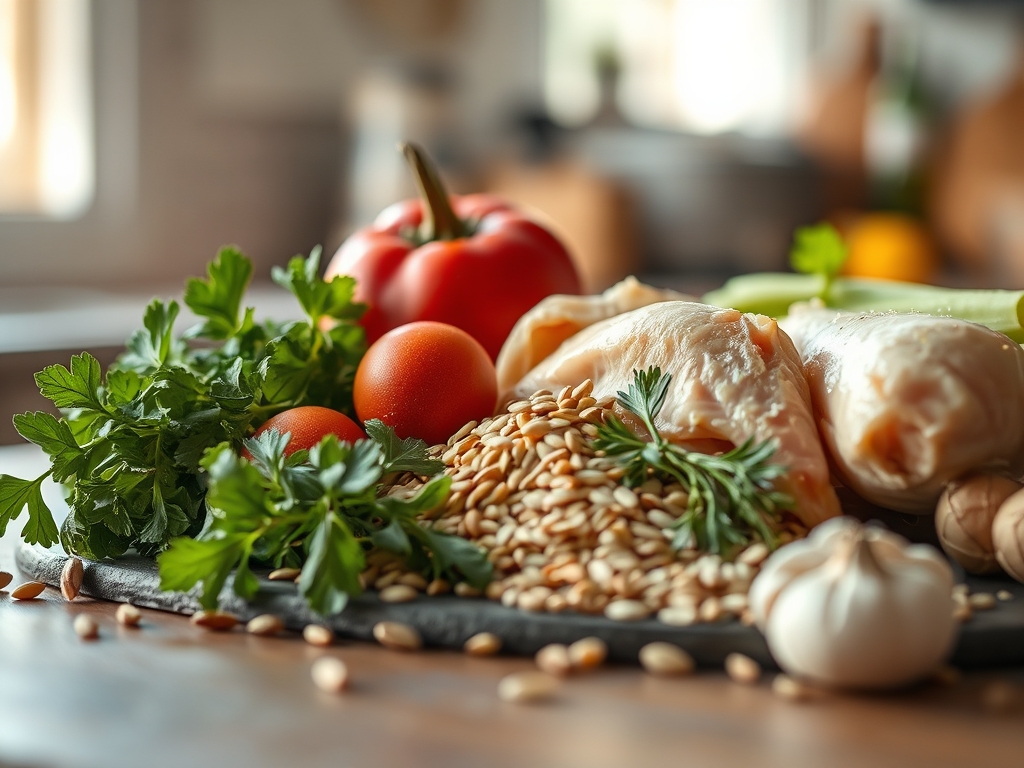
The Gathers:
Setting up your mise en place is the first step toward a stress free kitchen. For these chicken recipes passover collections, your counter should look like a botanical laboratory. You will need high smoke point fats like avocado oil or rendered chicken fat to achieve a proper sear without scorching. Gather your aromatics: fresh sprigs of rosemary, thyme, and oregano contain volatile oils that release their essence when exposed to heat. Use a microplane to zest lemons and oranges; this tool allows you to capture the piquant zest without the bitter white pith.
Smart Substitutions are the lifesavers of the week. If a recipe calls for flour, reach for potato starch or finely ground almond flour. Potato starch is a pure amylopectin powerhouse that creates a crisp, glass like crust when fried. For thickening sauces in a saucier, a slurry of potato starch and cold water provides a viscous, glossy finish that mimics a traditional roux. If you are avoiding nuts, toasted quinoa flour offers an earthy depth that complements poultry beautifully. Always use a digital scale for your dry ingredients; precision is the difference between a soggy coating and a shattering crunch.
The Clock
Efficiency in the kitchen is all about the Chef's Flow. For these nine recipes, prep time generally clocks in at thirty minutes, while active cooking ranges from forty five minutes to two hours for braised dishes. The "Flow" means you should be chopping your mirepoix while the oven preheats and the chicken tempers on the counter. Never cook cold meat; allowing the chicken to reach room temperature ensures even thermal distribution. If you are preparing the Saffron and Leek Roast, start that first as it requires a low, slow render. While the bird is in the oven, you can use your bench scraper to clear your workspace and prep the quick searing dishes like the Lemon Garlic Thighs. This staggered approach ensures that every component of your feast is served at its peak temperature and texture.
The Masterclass
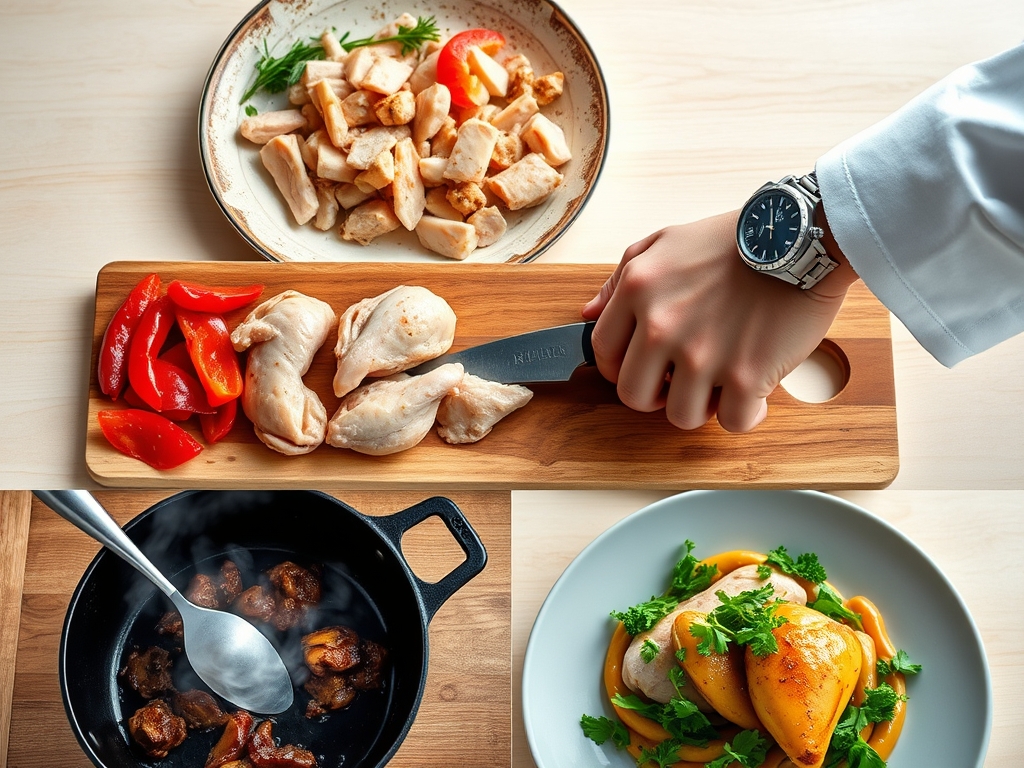
1. The Perfect Sear
Pat the chicken skin bone dry with paper towels. Heat your heavy bottomed skillet until the oil shimmers. Place the chicken skin side down and do not move it for at least six minutes. This allows the Maillard reaction to occur, creating a complex profile of flavors and a golden brown hue.
Pro Tip: This is enzymatic browning. Moving the meat too early tears the delicate proteins before they have a chance to denature and release naturally from the pan surface.
2. Deglazing the Fond
Once the chicken is removed, you will see brown bits stuck to the pan. This is called fond. Pour in a splash of dry white wine or chicken stock and use a wooden spoon to scrape those bits up. This creates the base for a deeply flavored pan sauce.
Pro Tip: Deglazing uses a solvent to dissolve caramelized sugars and proteins, effectively capturing concentrated umami that would otherwise be lost to the dishwasher.
3. The Low and Slow Braise
For recipes like the Apricot and Ginger Braise, submerge the chicken halfway in liquid. Cover the pot tightly to create a convection environment. The collagen in the connective tissues will slowly transform into gelatin, resulting in a melt in your mouth texture.
Pro Tip: This process is called hydrolysis. It requires consistent, low heat to break down tough triple helix collagen structures without toughening the muscle fibers.
4. Infusing Aromatics
Add your woody herbs and smashed garlic cloves during the last ten minutes of roasting or the first stage of sautéing. This prevents the delicate oils from burning while allowing them to infuse the fat.
Pro Tip: Fat is a flavor carrier. By infusing the schmaltz or oil, you ensure that every bite of the chicken is permeated with the essence of the herbs.
5. Resting the Bird
Once the internal temperature hits 160 degrees Fahrenheit on your digital thermometer, remove the chicken from the heat. Tent it loosely with foil and let it rest for ten minutes. The temperature will rise to the safe 165 mark during this time.
Pro Tip: This is thermal carryover. Resting allows the muscle fibers to relax and reabsorb the juices, preventing the moisture from rushing out when you first cut into it.
The Deep Dive
From a macro nutrition perspective, chicken is a lean protein powerhouse, but the festive additions like dried fruits and honey add necessary carbohydrates for a balanced holiday meal. For those following a Keto path, swap the honey for a monk fruit sweetener and stick to the herb heavy recipes. Vegan guests can often enjoy the same flavor profiles by substituting cauliflower steaks for the chicken; the same searing and deglazing techniques apply.
The Fix-It: If your skin is flabby, your pan wasn't hot enough; fix it by finishing the bird under a high broiler for two minutes. If your sauce is too thin, whisk in a teaspoon of potato starch slurry and simmer until the liquid becomes translucent and thick. If the meat is dry, you likely skipped the resting phase; fix it by serving with an extra ladle of warm, fatty pan sauce to provide artificial moisture.
For meal prep, reheating is a science. Avoid the microwave, which vibrates water molecules and makes the chicken rubbery. Instead, reheat in a 300 degree oven with a splash of broth. This maintains the integrity of the protein fibers and prevents the fat from separating.
The Wrap-Up
Mastering chicken recipes passover style is about more than just following a list of ingredients; it is about understanding how heat, fat, and acid interact to create something spectacular. When you pull that shimmering, golden bird out of the oven, you are presenting a labor of love backed by culinary physics. Remember to trust your tools, watch your temperatures, and never underestimate the power of a good rest. Your kitchen is now a temple of flavor, and your guests are about to be very, very lucky.
The Kitchen Table
How do I keep Passover chicken from drying out?
Always use a digital meat thermometer to pull the chicken at 160 degrees. Allow a ten minute rest period so the juices redistribute. Braising in a flavorful liquid also ensures the meat stays succulent throughout the cooking process.
Can I use matzo meal for breading?
Yes, but for a crunchier texture, pulse the matzo meal in a blender to create a finer dust. Mix it with potato starch to improve adhesion and create a more resilient crust that stays crispy even under sauce.
What is the best way to reheat leftovers?
Place the chicken in a shallow dish with two tablespoons of broth or wine. Cover tightly with foil and heat at 300 degrees until warmed through. This steam method prevents the protein from becoming tough or rubbery.
Why is my chicken skin not getting crispy?
Moisture is the enemy of crispiness. Ensure the skin is bone dry before it hits the pan. Also, avoid overcrowding the skillet; too many pieces will lower the pan temperature and cause the chicken to steam instead of sear.