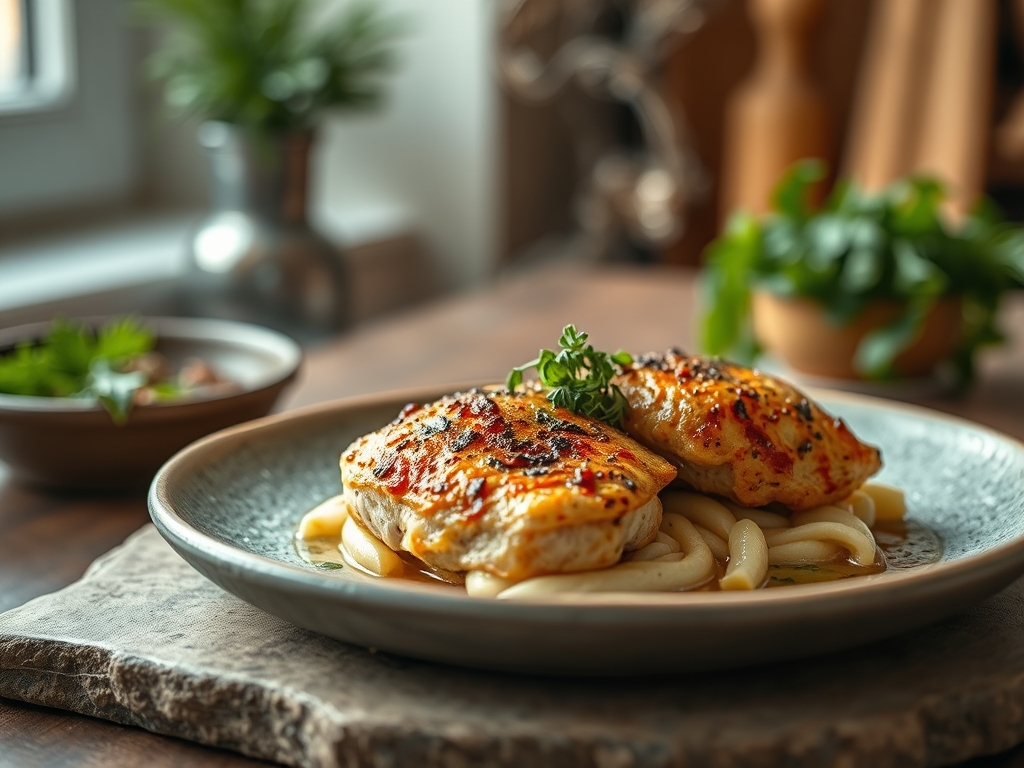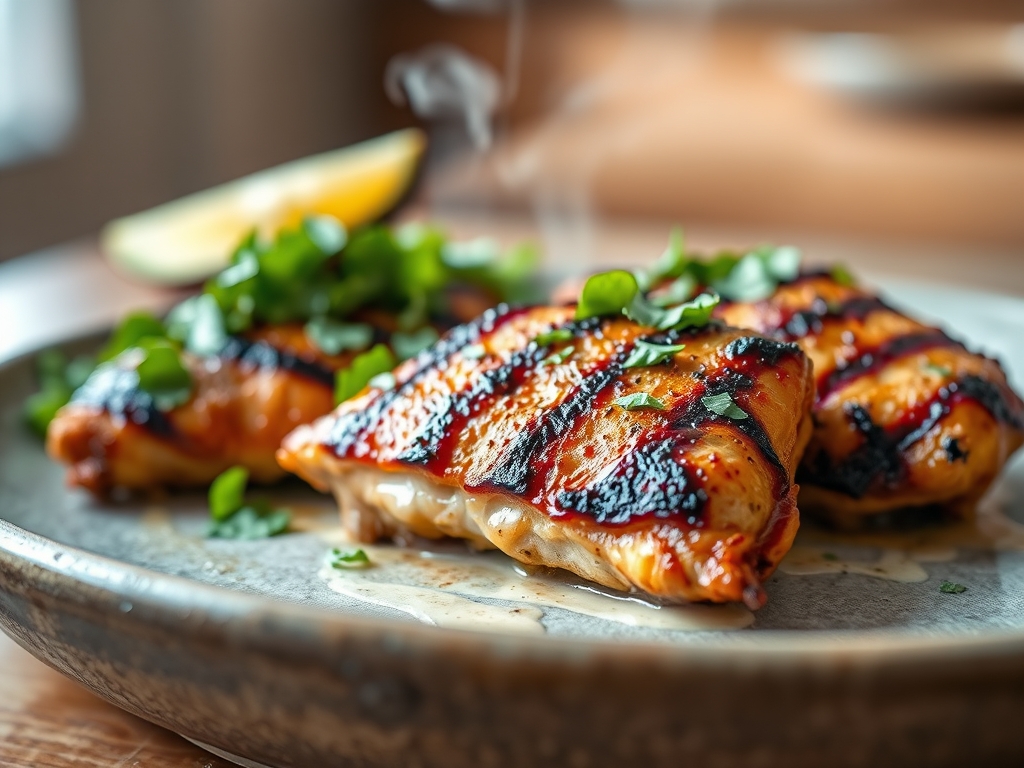
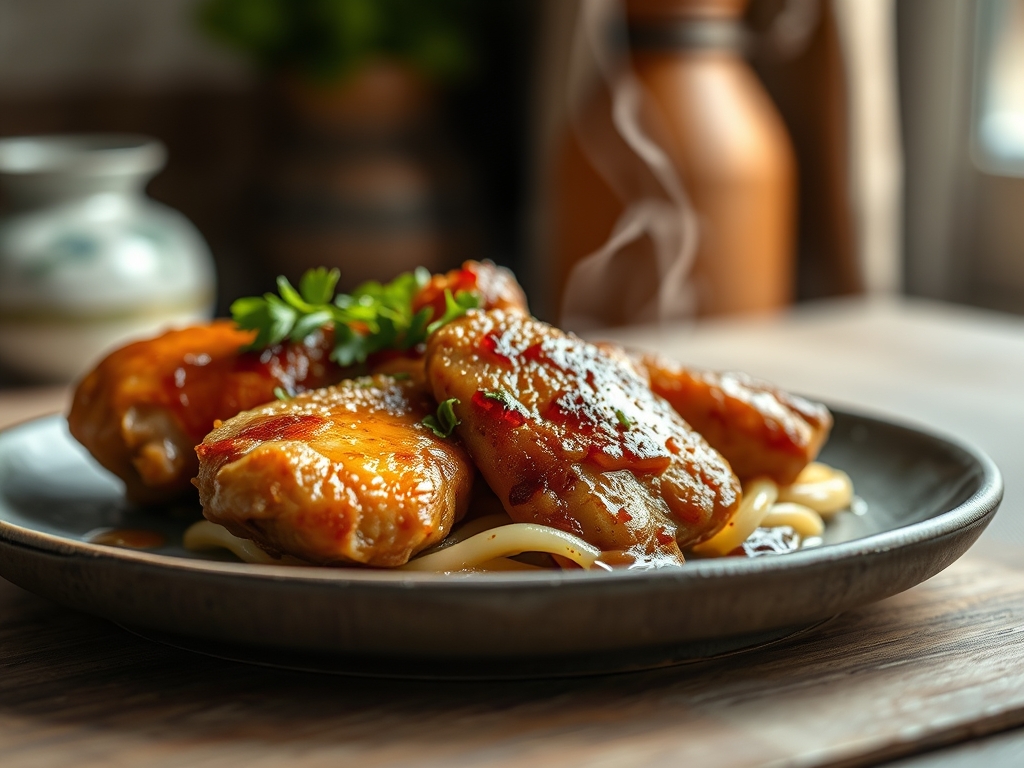
Imagine the sound of a heavy bottomed skillet hitting the burner; a sharp, metallic ring that signals the start of something transformative. As the heat climbs, you drop in a knob of butter and a generous scoop of dark brown sugar. The kitchen fills with the scent of toasted molasses and scorched vanilla. This is the foundation of the most addictive chicken recipes brown sugar enthusiasts swear by. We are not just making dinner; we are engineering a lacquered, mahogany crust that shatters under the teeth to reveal succulent, steam-rising meat. It is a balancing act between the piquant bite of acid and the deep, viscous sweetness of caramelization.
To master these eight glazes, you need to understand that sugar is more than a sweetener; it is a structural component. When we talk about chicken recipes brown sugar applications, we are discussing the Maillard reaction on steroids. We are looking for that perfect "cling" factor where the sauce coats the back of a spoon without dripping. Whether you are craving a spicy gochujang infusion or a classic balsamic reduction, the secret lies in the molecular bond between the glucose and the poultry proteins. Grab your favorite apron and a digital scale. We are about to turn your kitchen into a high-end bistro where the glaze is the undisputed star of the show.
The Gathers:
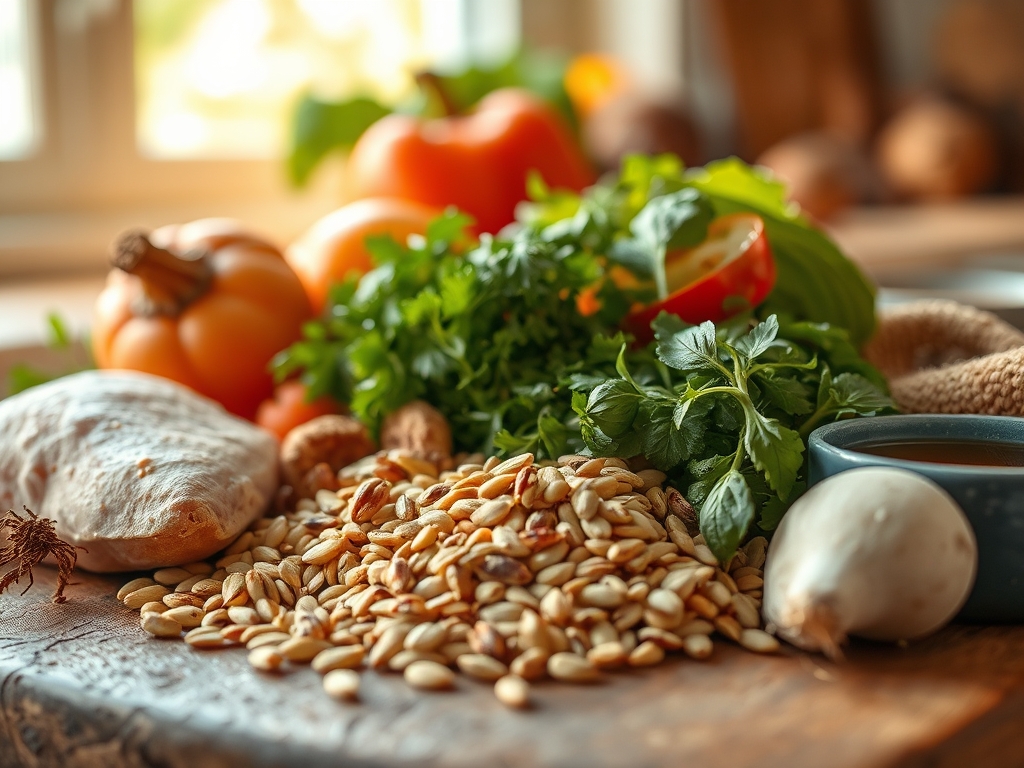
Before we ignite the flame, your mise-en-place must be surgical. Professional results require precision, so discard the "eyeballing it" method in favor of a digital scale. For these glazes, you will need high-quality dark brown sugar; the higher molasses content provides a more complex flavor profile and a deeper color than light brown varieties. You will also need aromatics like fresh ginger and garlic, which should be processed with a microplane to create a fine paste that integrates seamlessly into the liquid phase without burning.
Essential liquids include low-sodium soy sauce for umami depth, apple cider vinegar for brightness, and perhaps a splash of bourbon or pineapple juice depending on your chosen flavor profile. Do not forget the fats. A high-smoke point oil or clarified butter is necessary to render the chicken skin effectively before the sugar-heavy glaze is introduced.
Smart Substitutions: If you are out of brown sugar, you can aerate granulated white sugar with a tablespoon of molasses per cup. For a lower glycemic index, coconut sugar provides a similar earthy note, though it lacks the same hygroscopic properties, meaning your glaze might require a bit more reduction time to reach that signature syrupy consistency. If you need a soy-free option, liquid aminos or coconut aminos provide that essential salty backbone without the gluten or soy proteins.
The Clock
Efficiency in the kitchen is about "Chef's Flow." This is the art of overlapping tasks so that no heat is wasted. Prep time for these glazes is roughly 15 minutes, mostly involving the fine mincing of aromatics and the measuring of liquids. The cook time varies between 20 and 30 minutes depending on the cut of chicken.
The flow works like this: start by searing your protein to initiate the rendering process. While the chicken develops its initial golden hue, whisk your glaze components in a small saucier. By the time the chicken is seventy percent cooked, the pan is ready to be deglazed. This timing ensures the sugar does not spend too much time under high heat, which prevents the transition from delicious caramel to bitter, burnt carbon.
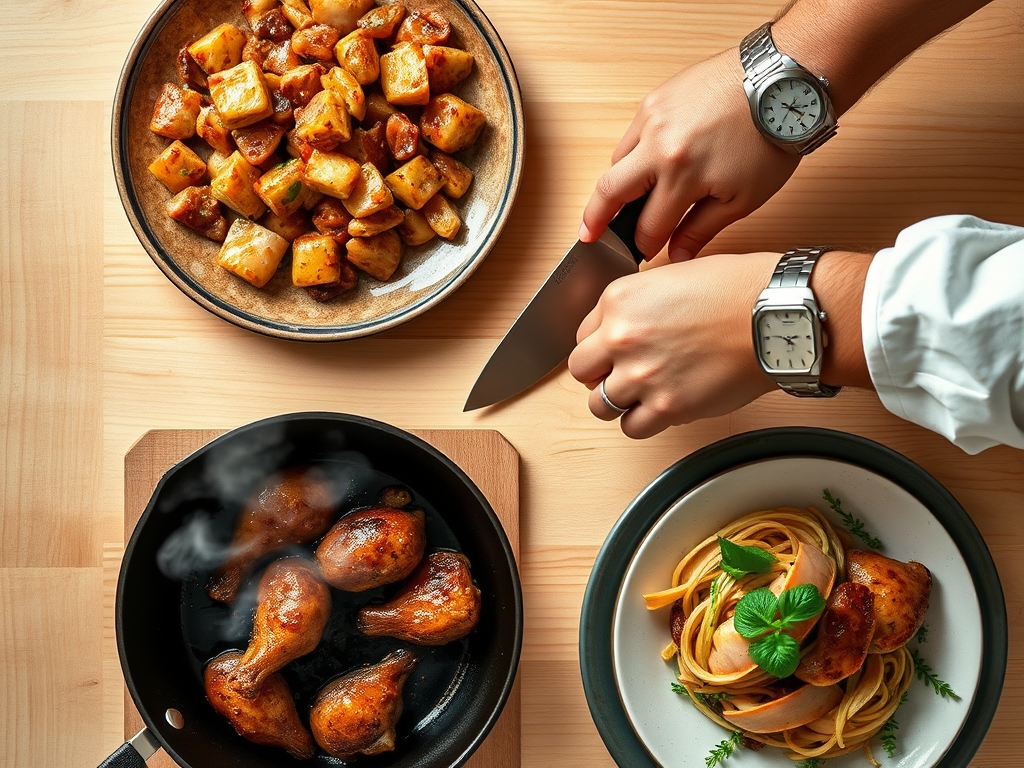
The Masterclass
1. The Sear and Render
Place your chicken skin-side down in a cold, heavy-bottomed skillet and then turn the heat to medium. This "cold start" method allows the subcutaneous fat to render slowly, ensuring a crispy exterior without overcooking the interior. Use stainless steel tongs to check for release; if the meat sticks, the crust hasn't formed yet.
Pro Tip: This technique utilizes thermal conduction to melt fat cells before the proteins tighten, preventing the skin from becoming rubbery.
2. Deglazing the Fond
Once the chicken is browned, remove it and pour off excess fat, leaving about a tablespoon. Pour in your liquid base (vinegar or citrus juice) and use a wooden spoon or bench scraper to lift the "fond"—those flavorful brown bits stuck to the bottom.
Pro Tip: Deglazing is a chemical process where the acidity breaks down the denatured proteins on the pan surface, incorporating deep savory notes into your glaze.
3. Emulsifying the Glaze
Add your brown sugar and aromatics to the deglazed pan. Whisk constantly as the sugar dissolves. You are looking for the mixture to transition from a thin liquid to a bubbling, viscous syrup.
Pro Tip: Continuous agitation encourages emulsification, preventing the fats and sugars from separating into an oily mess.
4. The Final Glaze Coating
Return the chicken to the pan. Use a spoon to continuously baste the meat with the thickening sauce. The glaze should coat the chicken in a glass-like sheen that holds its shape.
Pro Tip: This stage relies on evaporative cooling; as the water in the sauce evaporates, the sugar concentration rises, creating a protective, flavor-dense barrier.
5. Resting for Carryover Heat
Remove the chicken from the heat when it reaches 160 degrees Fahrenheit. Let it rest on a warm plate for five minutes. The temperature will climb to the safe 165 mark without drying out the meat.
Pro Tip: Thermal carryover allows the muscle fibers to relax and reabsorb juices, ensuring the glaze stays on the surface rather than being washed away by escaping moisture.
The Deep Dive
Macro Nutrition: While brown sugar adds carbohydrates, chicken remains a powerhouse of lean protein. A standard glazed breast contains approximately 280 calories, with 35 grams of protein and 12 grams of sugar. To balance the plate, pair with fibrous greens like bok choy or roasted broccoli.
Dietary Swaps: For a Keto-friendly version, use a monk fruit-based brown sugar substitute and xanthan gum to achieve the desired viscosity. For Vegan "chicken" (like seitan or tofu), ensure you press the protein thoroughly to remove water, allowing the glaze to adhere to the porous surface.
The Fix-It:
- Too Thin: If your sauce is watery, whisk in a cornstarch slurry (equal parts starch and cold water) and boil for sixty seconds to activate the thickening power.
- Too Bitter: If you over-caramelized the sugar, add a pinch of salt and a squeeze of lime; the acid and sodium will mask the bitter notes.
- Grainy Texture: This happens when sugar recrystallizes. Add a teaspoon of corn syrup or honey to the mix; the "interfering agents" prevent crystals from bonding.
Meal Prep: To reheat, avoid the microwave, which turns the glaze into a sticky, soggy coating. Instead, use a toaster oven or a skillet with a splash of water and a lid. This creates a steam-chamber that thins the glaze just enough to coat the meat again without losing the crisp texture.
The Wrap-Up
You now hold the keys to the kingdom of chicken recipes brown sugar perfection. From the sizzle of the initial sear to the final, glossy finish, you are no longer just following a recipe; you are manipulating molecules to create culinary art. Remember that the best glazes are a conversation between heat and timing. Go forth, use your tongs with confidence, and prepare for your friends to beg for your "secret" recipe. You can tell them it is just science, but we both know it is pure kitchen magic.
The Kitchen Table
How do I keep brown sugar from burning on chicken?
Apply the glaze during the final five to ten minutes of cooking. High sugar content burns quickly due to pyrolysis; adding it late ensures the chicken cooks through while the sugar only reaches the delicious caramelization stage.
Can I use light brown sugar instead of dark?
Yes, but the flavor will be milder. Dark brown sugar contains more molasses, which provides a deeper color and a more robust, slightly acidic flavor profile that stands up better to savory aromatics like garlic and soy.
Why is my brown sugar glaze grainy?
Graininess occurs when sugar crystals reform. To fix this, ensure the sugar is fully dissolved in liquid before the sauce boils. Adding a small amount of an "invert sugar" like honey or corn syrup prevents crystallization.
What is the best way to thicken a glaze?
The most effective way is reduction; simmering the sauce until water evaporates. For a faster fix, use a cornstarch slurry. Always whisk the slurry into the sauce while it is simmering to ensure a smooth, translucent finish.