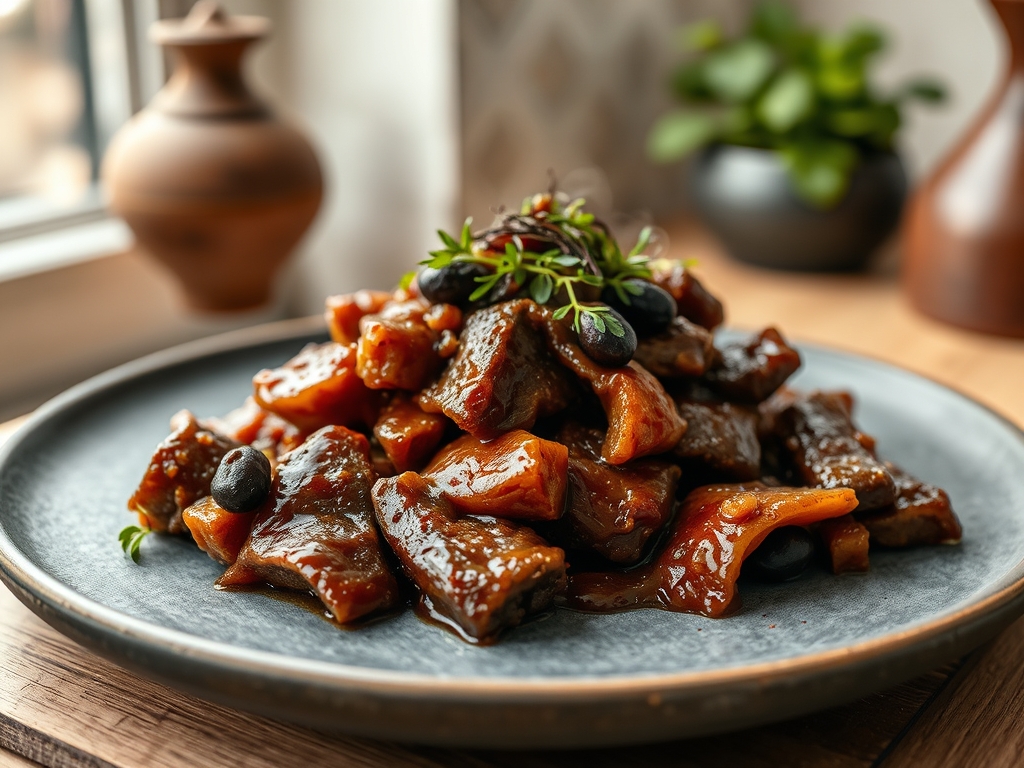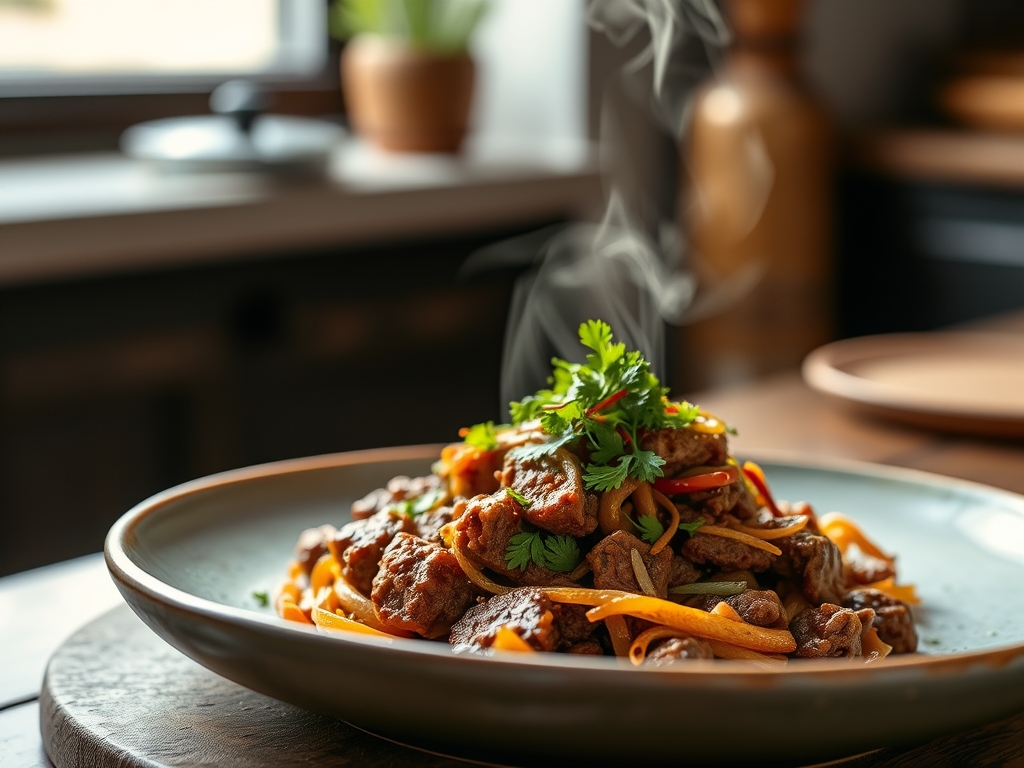
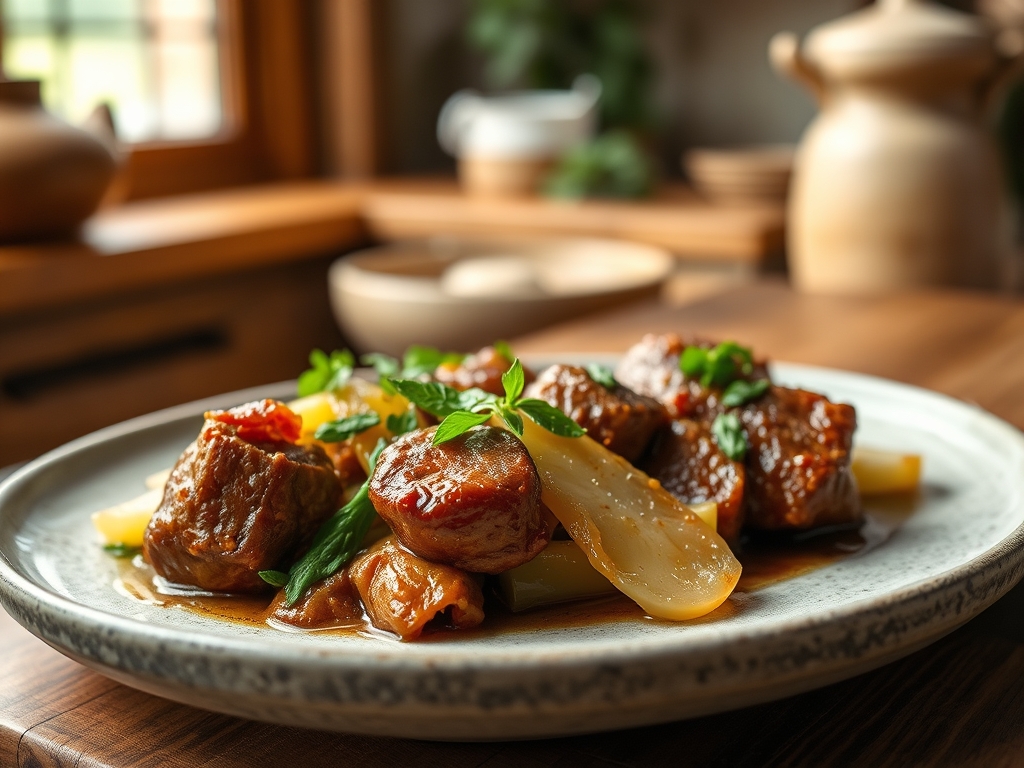
Picture this: a heavy-bottomed skillet screaming hot, the scent of rendered fat hitting the air, and that unmistakable, sharp fragrance of emerald green melon. If you have been searching for the perfect bitter melon and beef recipes, you have likely realized that this duo is the culinary equivalent of a high-tension romance. It is bold, slightly volatile, and deeply rewarding. We are moving beyond the basic stir-fry to explore how the metallic richness of beef tames the aggressive alkaloids of the melon. This is not just dinner; it is a lesson in flavor balancing that will make you the smartest cook in the room.
The secret to mastering these bitter melon and beef recipes lies in understanding the chemistry of the fruit itself. Bitter melon contains momordicin, the compound responsible for that puckering bite. When we pair it with the high glutamate content of beef, a molecular bridge forms. The fat coats the tongue, creating a physical barrier that prevents the bitter compounds from binding too intensely to your taste receptors. It is a brilliant dance of biology and heat. Today, we are diving into eight unique variations that range from classic Cantonese black bean ferments to spicy Szechuan sears and even a rich, slow-braised brisket infusion.
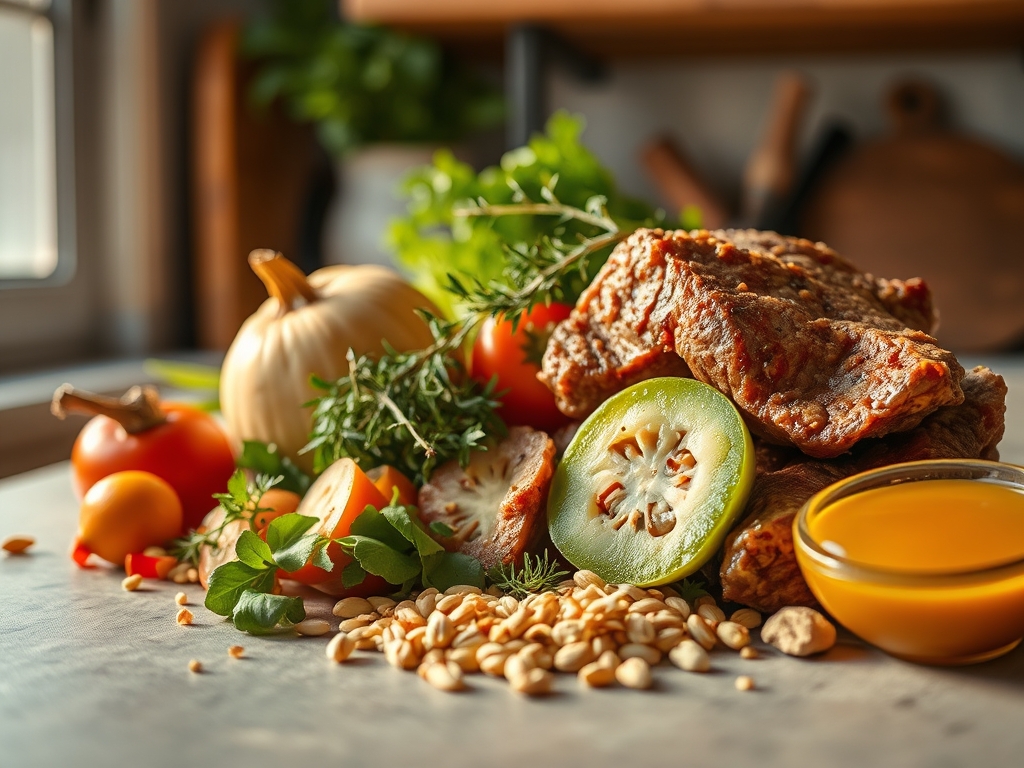
The Gathers:
To execute these bitter melon and beef recipes with precision, your mise-en-place must be flawless. Start with your protein. I recommend a well-marbled flank steak or a hanger steak for maximum flavor. You will need a digital scale to ensure your ratios are exact; usually, a 1:1 weight ratio of beef to melon provides the best structural integrity for the dish.
For the melon, look for Chinese varieties with smooth, pale green ridges if you want a milder bite, or the smaller, warty Indian Karela for a punchier, medicinal profile. You will also need aromatics: fresh ginger root, fermented black beans (douchi), and plenty of garlic. Use a microplane to zest your aromatics into a fine paste; this increases the surface area and allows the essential oils to infuse the cooking fat almost instantly.
Smart Substitutions: If you cannot find fermented black beans, a high-quality miso paste provides a similar salty, umami depth. For the beef, if you are looking for a leaner profile, top sirloin works beautifully, provided you use a velveting technique to protect the muscle fibers from toughening under high heat. If you want to go plant-based but keep the vibe, king oyster mushrooms offer a similar meaty texture and take to the marinade like a dream.
The Clock: Chef's Flow
Efficiency in the kitchen is about managing the "Chef's Flow." These bitter melon and beef recipes generally require 20 minutes of active preparation and only 6 to 8 minutes of high-heat execution. The prep is the most labor-intensive part; you must slice the beef against the grain to shorten the muscle fibers, ensuring a tender mouthfeel.
Allow 15 minutes for the beef to marinate in a mixture of soy sauce, cornstarch, and a splash of shaoxing wine. This is not just for flavor; the cornstarch creates a protective "velvet" layer that prevents moisture loss. While the beef rests, spend 5 minutes deseeding and blanching your melon. The "Flow" dictates that your pan should not even touch the burner until every single ingredient is measured and sitting in small bowls near your station. In professional kitchens, we call this "point of no return" cooking. Once that oil hits its smoke point, you have no time to go hunting for a spatula.
The Masterclass:
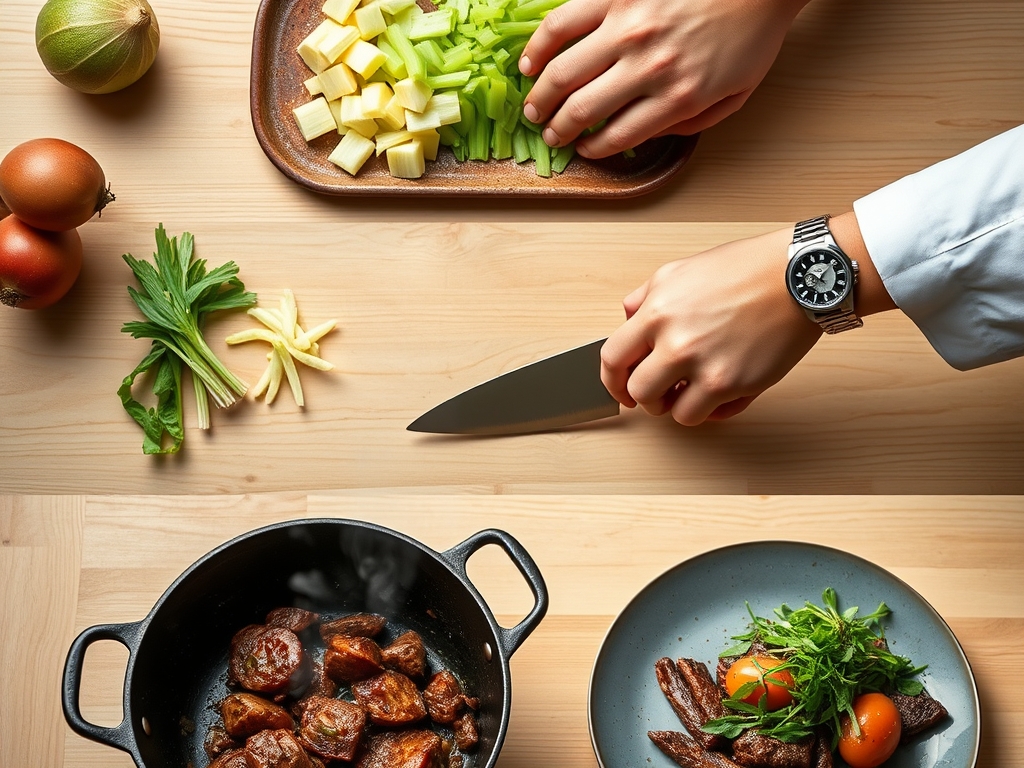
1. The Pre-Treatment of the Melon
Before the melon ever touches the beef, you must manage its moisture. Slice the melon into thin crescents and toss them with a generous amount of kosher salt. Let them sit for ten minutes, then rinse under cold water and pat dry with a lint-free towel.
Pro Tip: This process uses osmotic pressure to draw out the bitter juices and soften the cell walls. By removing the excess water, you ensure the melon will sear and caramelize in the pan rather than steaming in its own liquid.
2. The Velveting Process
Whisk together one egg white, a teaspoon of cornstarch, and your liquid seasonings. Submerge your sliced beef in this slurry for at least 20 minutes. Use your hands to massage the mixture into the meat until it feels viscous and fully coated.
Pro Tip: This is a classic Chinese technique that creates a physical barrier against thermal shock. The starch gelatinizes instantly upon hitting the hot oil, trapping the juices inside the beef fibers and resulting in a silkier texture.
3. Achieving the Maillard Reaction
Heat a heavy-bottomed skillet or carbon steel wok until a drop of water flicked onto the surface dances and evaporates instantly. Add a high-smoke-point oil like grapeseed. Add the beef in a single layer, resisting the urge to stir for at least 60 seconds.
Pro Tip: You are looking for Maillard browning, a chemical reaction between amino acids and reducing sugars. If you crowd the pan, the temperature drops, the meat releases liquid, and you end up "graying" the beef instead of searing it.
4. Deglazing for Depth
Once the beef is browned and removed, add your aromatics. Just as they become fragrant, splash in a tablespoon of rice wine or dry sherry. Use a wooden turner to scrape up the brown bits stuck to the bottom of the pan.
Pro Tip: This is called deglazing. Those browned bits (the fond) contain concentrated flavor molecules that, when dissolved back into the sauce, provide a complex, savory backbone that balances the melon's sharpness.
5. The Emulsified Finish
Return the melon and beef to the pan. Pour in a mixture of beef stock and a small amount of slurry. Toss vigorously over high heat until the liquid transforms from a watery consistency to a glossy, clinging glaze.
Pro Tip: You are creating a stable emulsion. The starch in the slurry binds the fats and liquids together, ensuring every slice of melon is coated in a savory film that helps bridge the flavor gap between the bitter and the salty.
The Deep Dive:
When we look at the macro nutrition of these bitter melon and beef recipes, they are surprisingly balanced. A standard serving provides approximately 25g of protein and is packed with Vitamin C and iron. Because bitter melon contains polypeptide-p, a plant insulin, it is a favorite for those managing blood sugar levels.
Dietary Swaps: For a Keto version, swap the cornstarch for xanthan gum (use only a tiny pinch!) and replace the sugar in the marinade with an erythritol-based sweetener. For a Gluten-Free adaptation, ensure you are using tamari or liquid aminos instead of standard soy sauce.
The Fix-It:
- Too Bitter: If the dish is overwhelmingly sharp, add a teaspoon of honey or agave. The sweetness provides a counter-balance to the bitter alkaloids.
- Tough Beef: If your beef is chewy, you likely sliced with the grain. Next time, look for the lines in the meat and cut perpendicular to them.
- Soggy Melon: This happens when the pan isn't hot enough. Ensure you see wisps of smoke from your oil before adding the vegetables.
Meal Prep: To reheat, avoid the microwave if possible. The microwave vibrates water molecules, which can make the beef rubbery. Instead, flash-fry the leftovers in a hot pan for 90 seconds. This re-activates the fats and maintains the "day-one" crispness of the melon.
The Wrap-Up:
Mastering bitter melon and beef recipes is a true badge of honor for any home cook. It shows you understand that flavor is not just about "good" or "bad" tastes, but about how different sensations interact on the palate. By using the right tools, like a seasoned wok and a precise digital scale, and respecting the science of the Maillard reaction, you transform a challenging ingredient into a sophisticated masterpiece. Now, go grab that skillet and show that melon who is boss!
The Kitchen Table:
How do I make bitter melon less bitter?
Salt the sliced melon for ten minutes to draw out juices, then blanch in boiling water for sixty seconds. This process removes the most aggressive alkaloids while preserving the vegetable's structural integrity and vibrant green color.
What is the best cut of beef for stir-fry?
Flank steak or skirt steak are the gold standards. They have long muscle fibers that soak up marinades beautifully. Always slice them thinly against the grain to ensure a tender, buttery texture after a high-heat sear.
Can I cook bitter melon without blanching it?
Yes, but the bitterness will be much more intense. If you skip blanching, ensure you slice the melon paper-thin so it cooks rapidly. This method is best for those who truly enjoy the sharp, medicinal flavor profile.
How long does leftover beef and bitter melon last?
Stored in an airtight container, it stays fresh for up to three days. For the best quality, reheat it quickly in a hot skillet rather than a microwave to maintain the texture of the beef and the crispness of the melon.