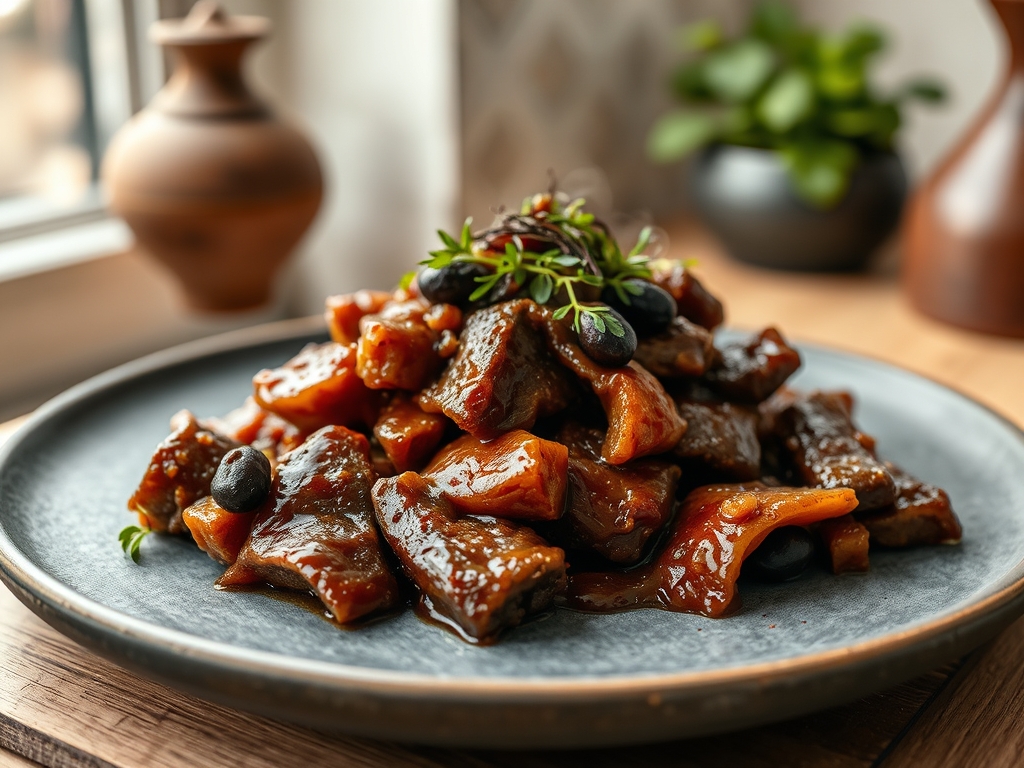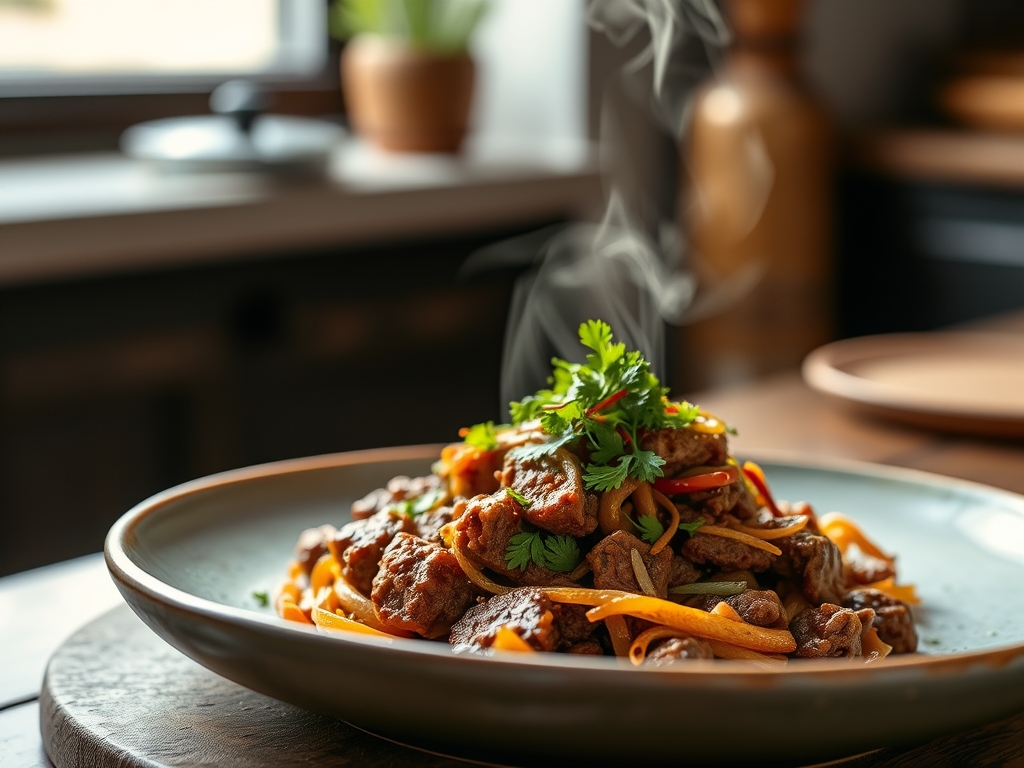
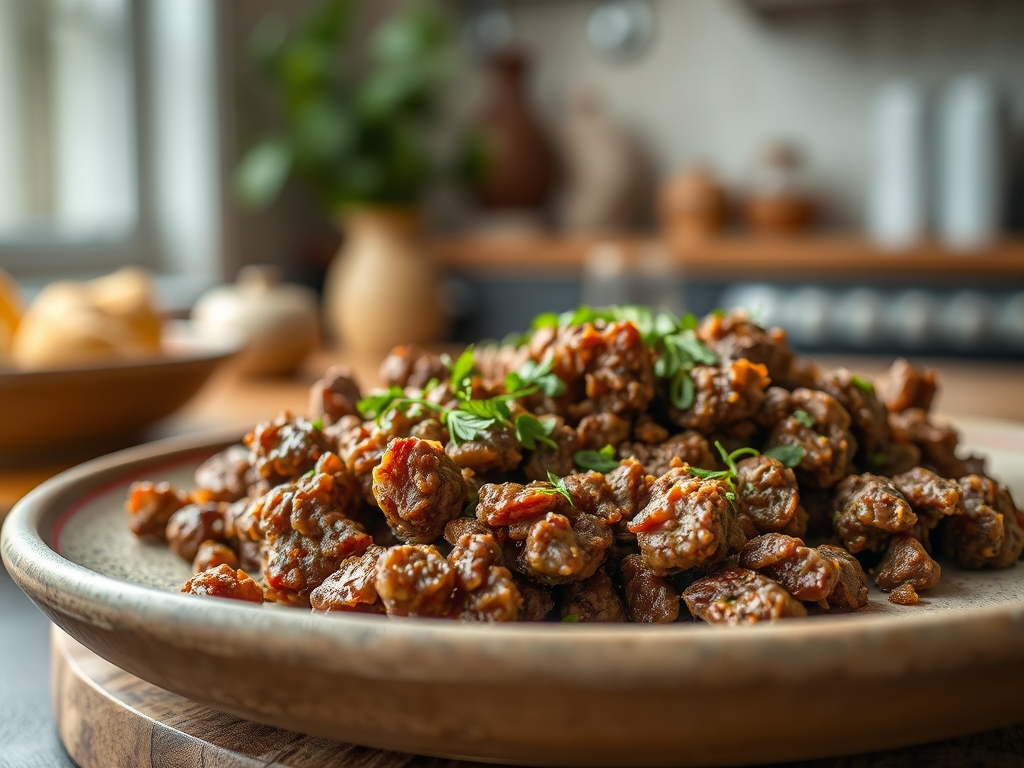
Picture the sound of a heavy-bottomed skillet meeting a high-intensity flame. Within seconds, the kitchen fills with the intoxicating aroma of fat rendering and proteins undergoing the Maillard reaction. Whether you are craving a piquant chili or a velvety stroganoff, mastering a few essential ground beef recipes is the ultimate culinary power move for any home chef.
The beauty of these dishes lies in their versatility. Ground beef is a literal blank canvas for flavor profile experimentation. It can be transformed into a silky bolognese or a charred, juice-dripping burger with just a few technical adjustments. In this guide, we are moving past basic browning and into the realm of professional texture management. We will explore nine iconic classics that rely on high-quality fat ratios and strategic seasoning to deliver restaurant-grade results every single time. Grab your favorite apron and let us get into the chemistry of comfort food.
The Gathers:
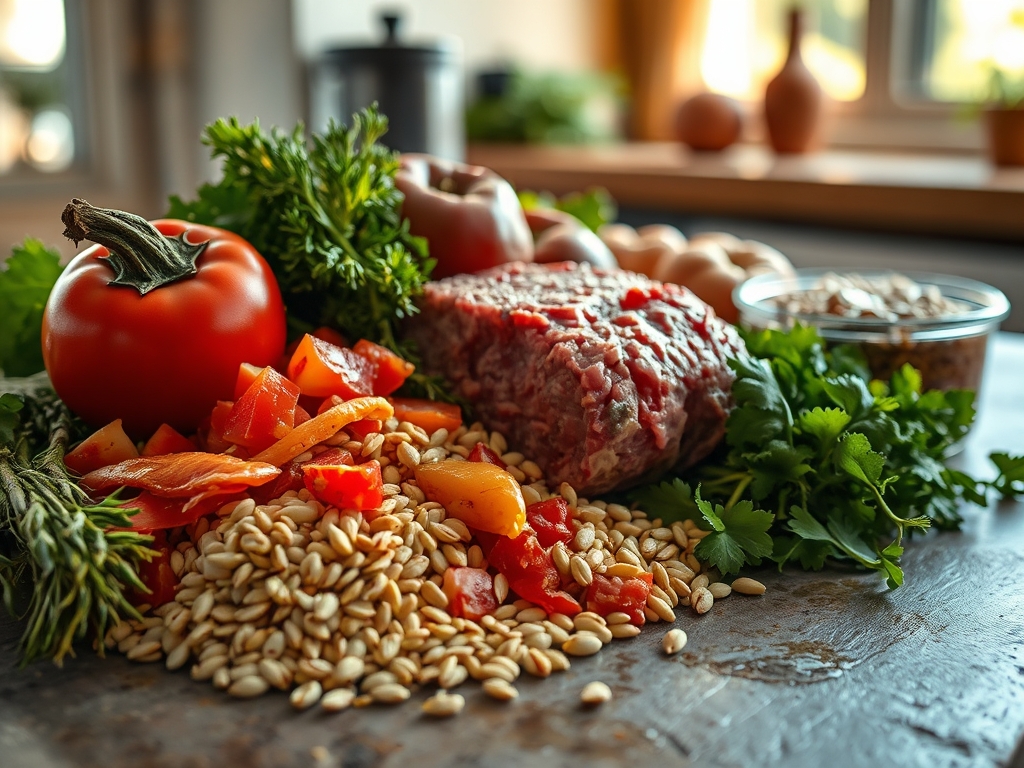
To execute these ground beef recipes with precision, your mise-en-place must be impeccable. Start with the protein itself. For most classics, an 80/20 lean-to-fat ratio is the gold standard. This specific balance ensures enough lipid content to lubricate the muscle fibers without leaving a greasy residue on the palate. You will also need aromatics like yellow onions, which provide a foundational sweetness, and garlic, which adds a pungent depth once the sulfur compounds are released via heat.
Essential tools include a digital scale for uniform patty portioning and a microplane for integrating fresh aromatics like ginger or hard cheeses. For liquids, keep a high-quality beef bone broth on hand to provide a viscous mouthfeel. If you are looking for smart substitutions, consider using ground bison for a leaner, more iron-forward profile. Alternatively, finely minced mushrooms can be folded into the meat at a 30 percent ratio to increase moisture and umami while reducing overall caloric density.
The Clock
Efficiency in the kitchen is all about the Chef's Flow. This is the art of overlapping tasks so that no second is wasted. For these ground beef recipes, the total time typically ranges from 30 to 45 minutes. Preparation usually takes 15 minutes, focusing on the knife work of dicing mirepoix and measuring spices.
The cooking phase is where the magic happens. You must account for the time it takes to deglaze the pan and allow sauces to reduce. A common mistake is rushing the browning process. Realistically, it takes about 8 to 10 minutes to achieve a deep, mahogany crust on the meat. By the time your pasta water reaches a rolling boil or your oven preheats for a meatloaf, your beef base should be perfectly simmered and ready for integration.
The Masterclass
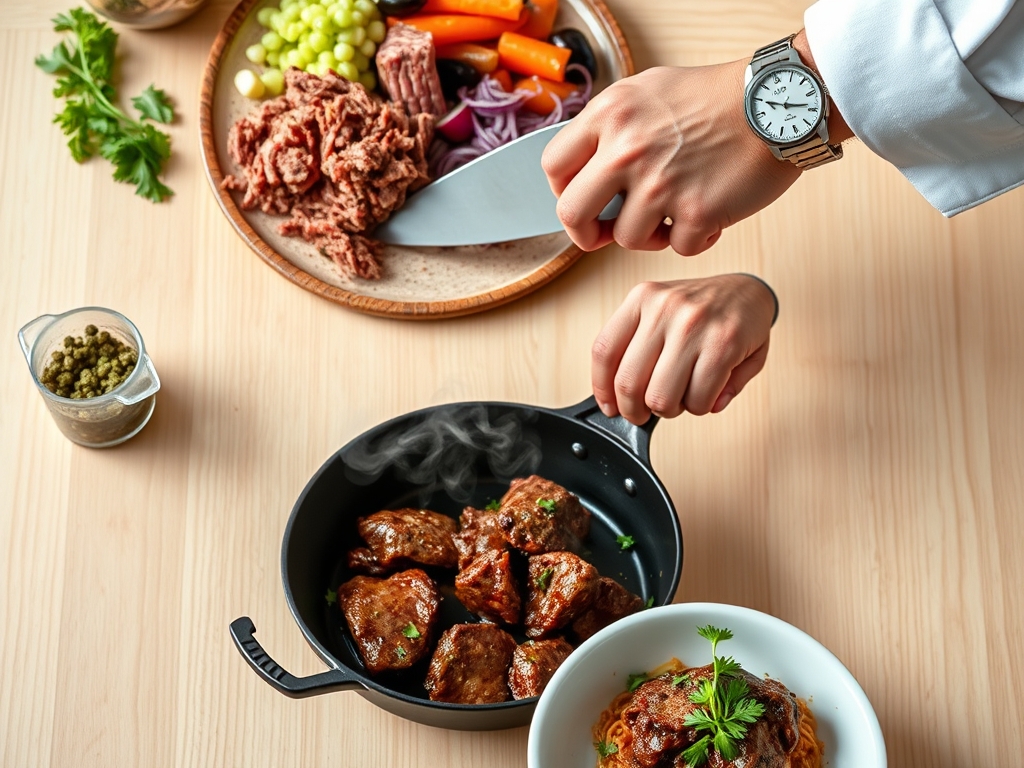
1. Tempering the Protein
Before the meat even touches the heat, remove it from the refrigerator for 20 minutes. This allows the internal temperature to rise slightly, ensuring the fibers do not seize up when they hit the hot pan. Cold meat drops the pan temperature instantly, which leads to steaming rather than searing.
Pro Tip: This prevents thermal shock. When meat is too cold, the exterior overcooks before the interior can render, resulting in a rubbery texture rather than a tender crumble.
2. High-Heat Searing
Place your heavy-bottomed skillet over medium-high heat. Do not crowd the pan. Add the beef in a single layer and resist the urge to stir it immediately. Let it sit undisturbed for three minutes to develop a crust.
Pro Tip: This facilitates the Maillard reaction. This chemical reaction between amino acids and reducing sugars creates hundreds of different flavor compounds that give the beef its characteristic savory "umami" punch.
3. Effective Fat Management
As the meat browns, you will see liquid fat pooling in the pan. Instead of discarding all of it, use a saucier or a spoon to remove the excess, leaving about one tablespoon. This remaining fat is infused with flavor and serves as the perfect medium for sautéing your aromatics.
Pro Tip: Fat is a flavor carrier. Many aromatic compounds in spices like cumin or paprika are fat-soluble, meaning they need a lipid environment to fully release their essence into the dish.
4. Deglazing for Depth
Once the meat is browned and aromatics are translucent, use a liquid like red wine, balsamic vinegar, or beef stock to scrape up the "fond" (the brown bits stuck to the bottom). Use a wooden spoon or a bench scraper to incorporate these bits back into the sauce.
Pro Tip: Deglazing captures caramelized proteins. These bits contain concentrated flavor that adds a complex, roasted dimension to your ground beef recipes that salt alone cannot replicate.
5. Emulsifying the Sauce
If your recipe involves a sauce, like a Swedish meatball gravy or a chili, finish it with a cold knob of butter or a splash of heavy cream. Stir vigorously to integrate the fats into the water-based liquid.
Pro Tip: This creates a stable emulsion. The proteins in the dairy act as a bridge between oil and water, resulting in a glossy, velvety sauce that clings to the meat rather than separating.
The Deep Dive
When we look at the macro nutrition of these ground beef recipes, a standard four-ounce serving provides roughly 28 grams of protein and 250 calories. It is a powerhouse of Vitamin B12 and zinc. For those on specific diets, the swaps are simple. Keto followers can serve these dishes over riced cauliflower, while those seeking a gluten-free option can use tamari instead of soy sauce or cornstarch instead of flour for thickening.
Even the best chefs hit snags. If your meat tastes "gray" and bland, you likely overcrowded the pan, causing the meat to boil in its own juices. To fix this, remove the meat, wipe the pan, and sear a fresh batch in smaller increments. If the dish is too salty, add an acid like lemon juice or a pinch of sugar to balance the palate. If the meat feels dry, a splash of beef broth and a lid can help rehydrate the fibers through steam.
For meal prep, the science of reheating is vital. Ground beef can become oxidized and develop a "warmed-over flavor." To prevent this, store your beef in airtight containers with a bit of extra sauce. When reheating, use low power on the microwave or a gentle simmer on the stove to avoid over-coagulating the proteins, which leads to toughness.
The Wrap-Up
Mastering ground beef recipes is about more than just feeding a crowd; it is about understanding the intersection of heat, fat, and flavor. By focusing on the Maillard reaction and proper deglazing techniques, you elevate humble ingredients into something truly spectacular. Whether you are meal prepping for a busy week or hosting a cozy dinner party, these techniques ensure every bite is rich, balanced, and deeply satisfying. Now, go forth and sear with confidence!
The Kitchen Table
What is the best fat ratio for burgers?
An 80/20 lean-to-fat ratio is ideal. The 20 percent fat content provides the necessary moisture and flavor to withstand high-heat searing without drying out the patty, ensuring a juicy, tender result every time you grill.
How do I prevent ground beef from becoming rubbery?
Avoid overworking the meat when forming patties or meatballs. Excessive handling compresses the muscle fibers and over-activates proteins. This leads to a dense, rubbery texture. Handle the beef gently and only until just combined for the best results.
Why should I drain the fat from ground beef?
Draining excess rendered fat prevents the final dish from feeling greasy on the tongue. However, leaving a small amount in the pan allows you to sauté aromatics effectively, as fat carries and intensifies the flavor of spices and herbs.
Can I freeze cooked ground beef recipes?
Yes, cooked ground beef freezes exceptionally well for up to three months. Ensure the meat is completely cooled before sealing it in airtight bags. This prevents ice crystals from forming, which can degrade the texture during the thawing process.