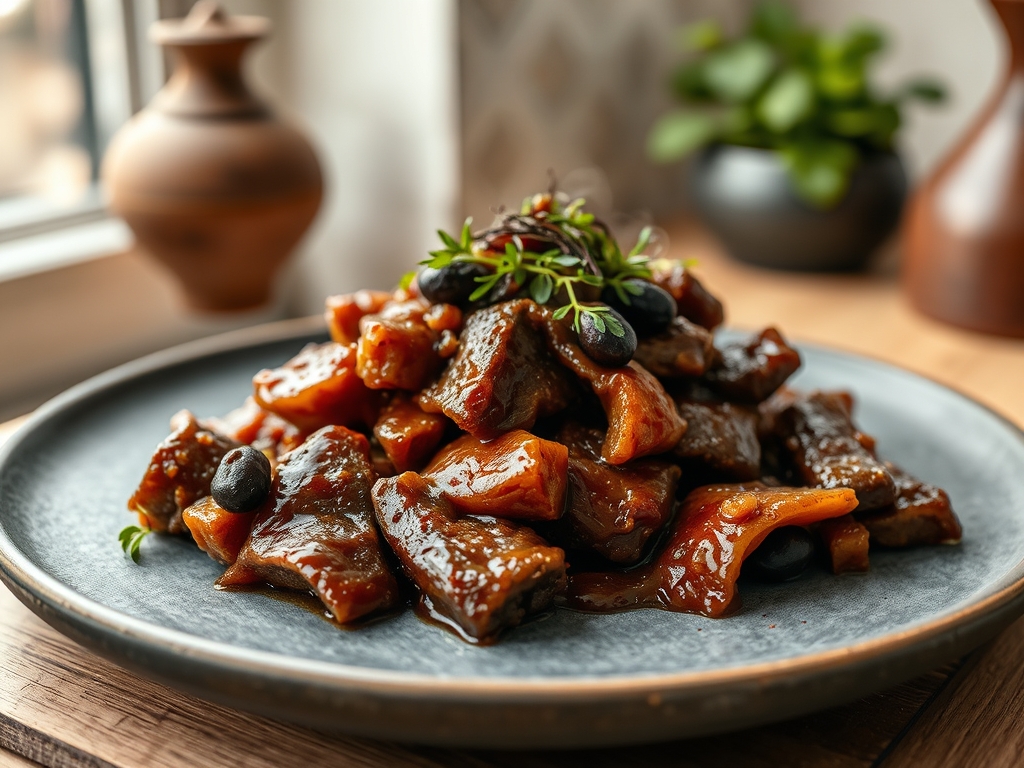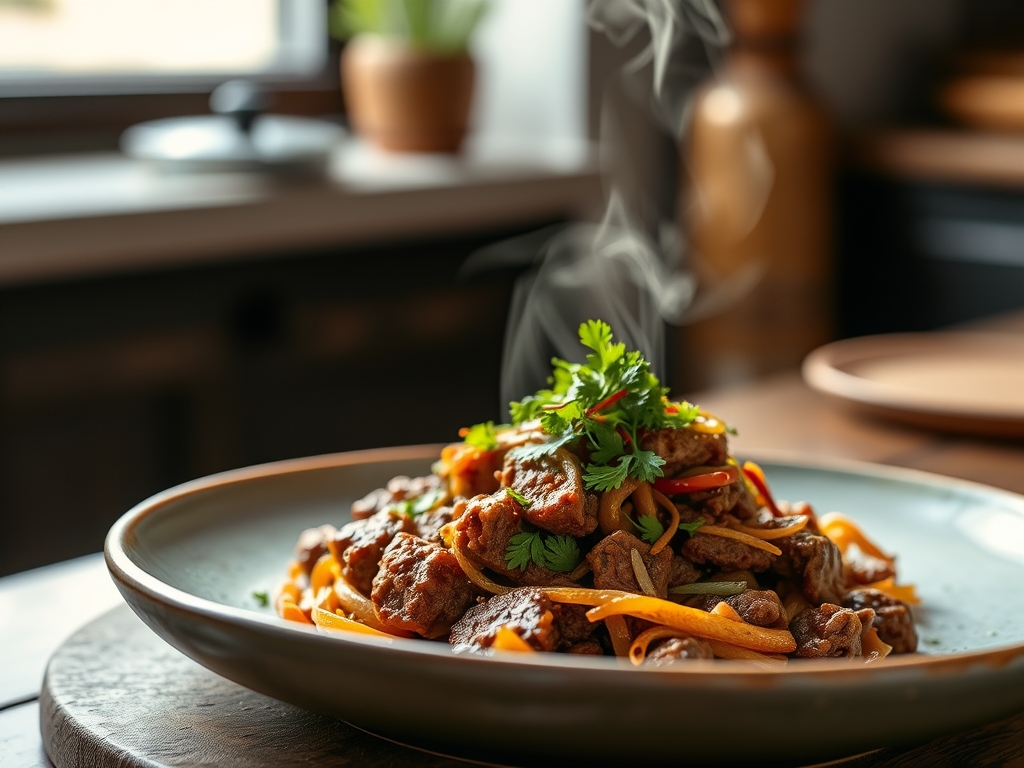
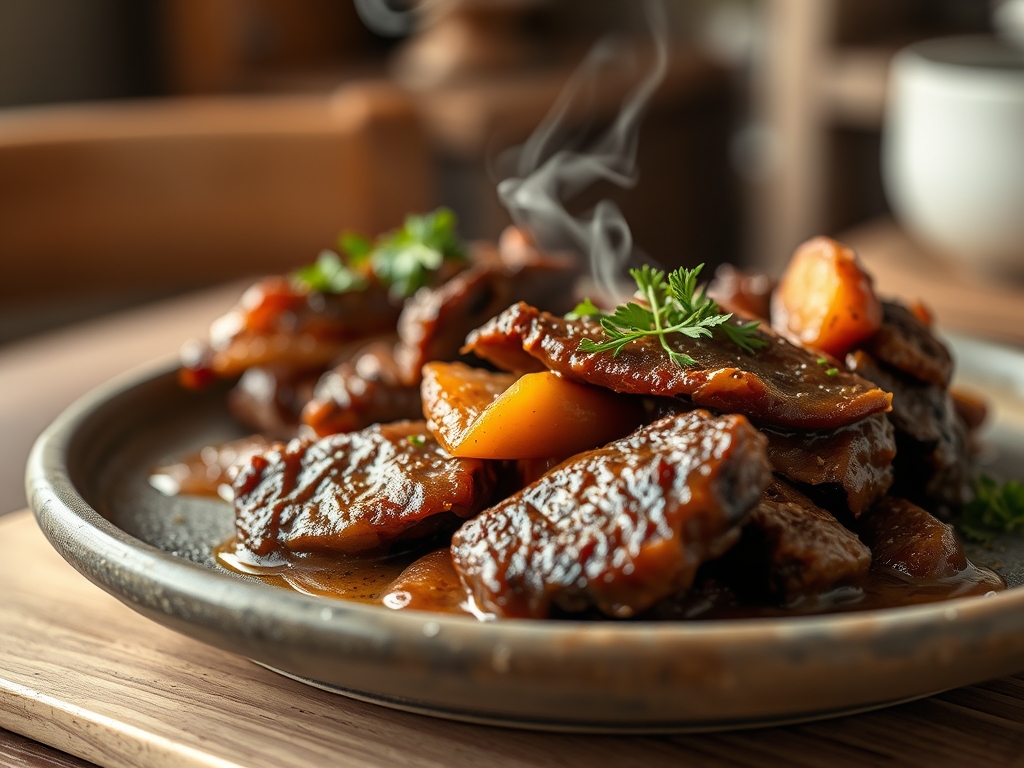
The smell of searing protein is essentially a love letter to your central nervous system. When you set out to master hearty beef recipes, you are not just making dinner; you are conducting a symphony of thermal energy and chemical transformation. Picture the steam rising from a heavy-bottomed Dutch oven, carrying notes of woodsy thyme and the deep, base-heavy aroma of rendered fat. This is the ultimate kitchen alchemy. We are looking for that specific, viscous mouthfeel that only comes from a slow breakdown of connective tissue into silky gelatin. There is a primal comfort in a bowl of stew that has spent four hours transforming from tough cubes of muscle into fork-tender morsels. It is the culinary equivalent of a weighted blanket. Whether you are craving a classic French burgundy style or a spicy Hungarian goulash, the foundation remains the same. We are going to dive deep into the mechanics of the sear, the patience of the simmer, and the precision of the season. Grab your favorite apron and a glass of something bold; we are about to elevate your weeknight rotation into a high-art form of comfort.
The Gathers:
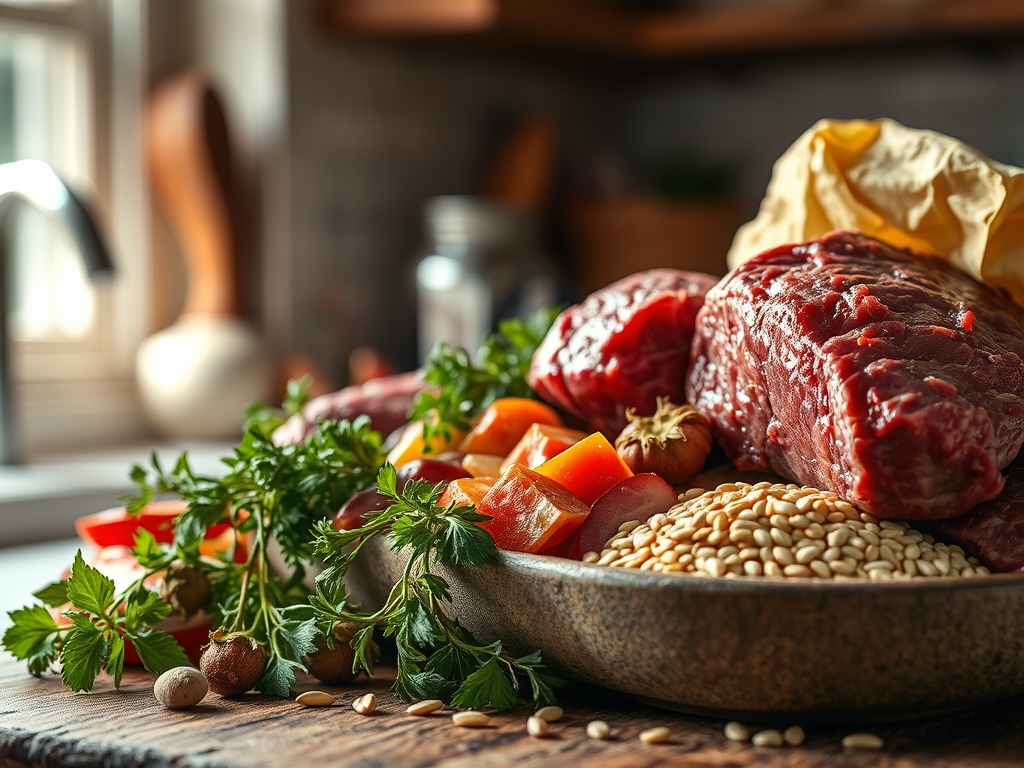
Your mise-en-place is the difference between a frantic kitchen and a focused masterpiece. For these hearty beef recipes, start with the star: three pounds of chuck roast. This specific cut is non-negotiable because its high collagen content provides the natural thickening agent we need. You will need a sharp chef knife to cube the meat into uniform two-inch pieces; uniformity ensures even heat distribution. Next, assemble your aromatics: yellow onions for their high sugar content, carrots for structural sweetness, and celery to provide a subtle salty undertone. Use a microplane to zest two cloves of garlic, which allows the essential oils to infuse more rapidly into the fat.
For the liquid base, high-quality bone broth is superior to standard stock because it contains more dissolved solids. You will also need a dry red wine, such as a Cabernet, to provide the acidity necessary to cut through the richness of the fat. Do not forget the "bouquet garni" of fresh rosemary, thyme, and bay leaves.
Smart Substitutions: If you are out of red wine, a tablespoon of balsamic vinegar mixed with a splash of pomegranate juice mimics that complex acidity. If you cannot find chuck roast, look for beef shanks or oxtail; these cuts are equally rich in connective tissue. For a deeper umami profile, add a teaspoon of anchovy paste or a splash of Worcestershire sauce during the deglazing phase.
The Clock
Efficiency in the kitchen relies on what I call the Chef's Flow. Total preparation time usually clocks in at 30 minutes, while the active cooking time is about 20 minutes. However, the passive "low and slow" phase requires 3 to 4 hours. You cannot rush the thermodynamics of collagen breakdown.
The flow begins with the sear. While the meat is browning in batches, you should be dicing your vegetables. This overlapping of tasks prevents "dead air" in your process. Once the liquid is added and the pot is in the oven, your active work is done. Use this time for cleanup so that when the timer dings, your kitchen is as serene as your dinner.
The Masterclass
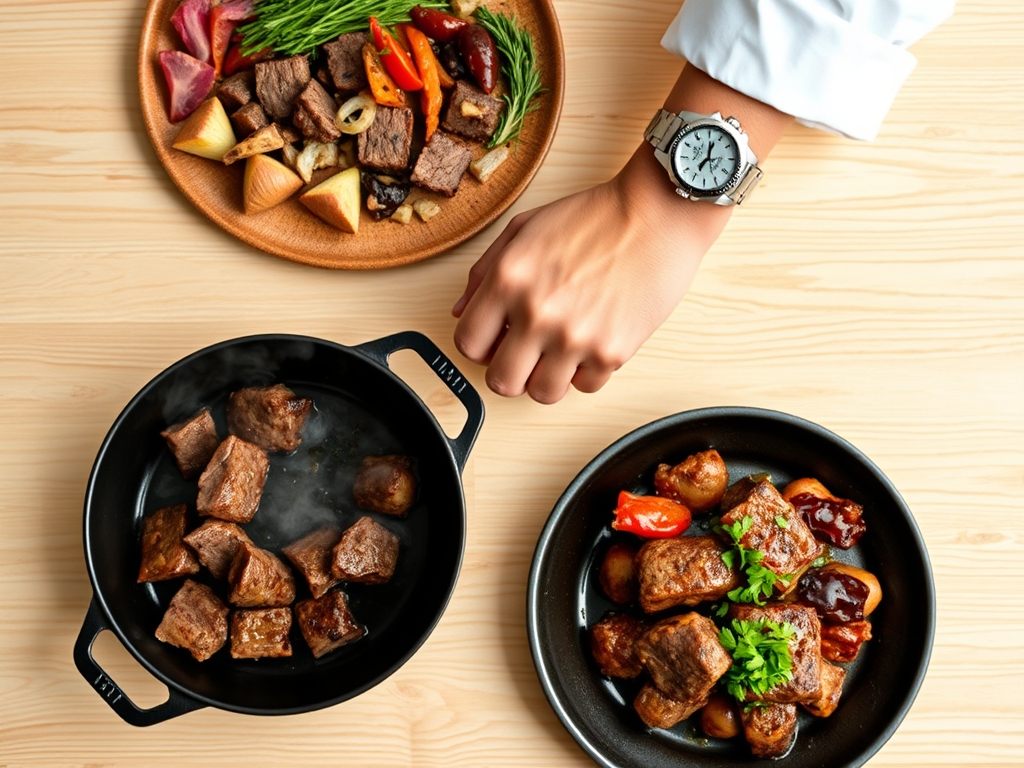
1. The High-Heat Sear
Pat the beef dry with paper towels to remove surface moisture. Heat a heavy-bottomed skillet or Dutch oven with high-smoke-point oil until it shimmers. Brown the meat in small batches to avoid overcrowding.
Pro Tip: This step triggers the Maillard reaction, a chemical reaction between amino acids and reducing sugars that creates hundreds of different flavor compounds. If the pan is too crowded, the temperature drops and the meat boils in its own juices instead of browning.
2. Sautéing the Aromatics
Remove the beef and add your mirepoix (onions, carrots, celery) to the rendered fat. Use a bench scraper to clear your cutting board and toss the vegetables into the pot. Cook until the onions are translucent and slightly caramelized.
Pro Tip: This process is called sweating. It softens the cellulose in the vegetable cell walls, allowing them to release their sugars and meld into the base of the sauce.
3. Deglazing the Fond
Pour your wine or acidic liquid into the hot pot. Use a wooden spoon to scrape up the brown bits stuck to the bottom. These bits are called the fond, and they are concentrated flavor nuggets.
Pro Tip: Alcohol acts as a solvent. It dissolves flavor compounds that are not water-soluble, ensuring that every molecule of taste is integrated into the liquid.
4. The Long Braise
Return the beef to the pot, add the broth and herbs, and bring to a bare simmer. Cover with a tight-fitting lid and move to a 300-degree oven.
Pro Tip: Keeping the temperature low prevents the muscle fibers from tightening and squeezing out all their moisture. This is the science of protein denaturation; slow heat allows the fibers to relax as the collagen melts.
5. The Final Reduction
Once the meat is tender, remove the lid and simmer on the stovetop for the last 15 minutes. This reduces the liquid and increases the viscosity.
Pro Tip: This is where evaporation concentrates the flavors. If the sauce is too thin, a small cornstarch slurry can provide immediate body through starch gelatinization.
The Deep Dive
From a nutritional standpoint, these hearty beef recipes are powerhouses of bioavailable iron, zinc, and Vitamin B12. A standard serving contains roughly 35 grams of protein and 400 calories, depending on the vegetable-to-meat ratio.
Dietary Swaps: To make this Keto, omit the potatoes and use radishes or turnips, which mimic the texture of a potato but have a fraction of the carbs. For a Gluten-Free version, ensure your broth is certified GF and use arrowroot powder as a thickener. For a Vegan alternative, swap the beef for "meaty" king oyster mushrooms and use a mushroom-based broth rich in MSG for that savory hit.
The Fix-It:
- Too Salty: Do not add water; it dilutes the flavor. Instead, add a peeled, halved potato. The starch will absorb some of the salt.
- Too Thin: Temper in a knob of cold butter at the very end. This emulsification adds shine and thickness.
- Tough Meat: It simply hasn't cooked long enough. Put the lid back on and give it another 30 minutes.
Meal Prep: Stew actually tastes better the next day. As it cools, the flavors continue to marry and the gelatin sets. When reheating, use a saucier over low heat and add a splash of water to loosen the proteins without overcooking the meat.
The Wrap-Up
Mastering these hearty beef recipes is a rite of passage for any serious home cook. It requires a balance of scientific precision and intuitive patience. You have learned how to harness the Maillard reaction, the importance of deglazing, and the thermal mechanics of a perfect braise. Now, the only thing left to do is serve it up. Ladle that rich, mahogany sauce over a bed of buttery mashed potatoes or alongside a crusty piece of sourdough. You have turned humble ingredients into a masterpiece of comfort. Enjoy every savory, tender bite.
The Kitchen Table
What is the best cut of meat for beef stew?
The beef chuck roast is the gold standard. It contains high amounts of collagen and fat, which break down during the long cooking process to create a tender texture and a rich, naturally thickened sauce.
Why is my beef stew meat still tough?
If the meat is tough, it usually means the collagen has not yet converted into gelatin. This process takes time at a low temperature. Simply continue simmering the stew for another 30 to 60 minutes until the fibers yield.
Can I make beef stew in a slow cooker?
Yes, but you must sear the meat in a skillet first. A slow cooker cannot reach the temperatures required for the Maillard reaction, so browning the beef beforehand is essential for a deep, complex flavor profile.
How do I thicken my stew without flour?
You can use a cornstarch or arrowroot slurry for a gluten-free option. Alternatively, blend a small portion of the cooked vegetables and stir them back into the pot, or add a tablespoon of tomato paste during the sautéing phase.