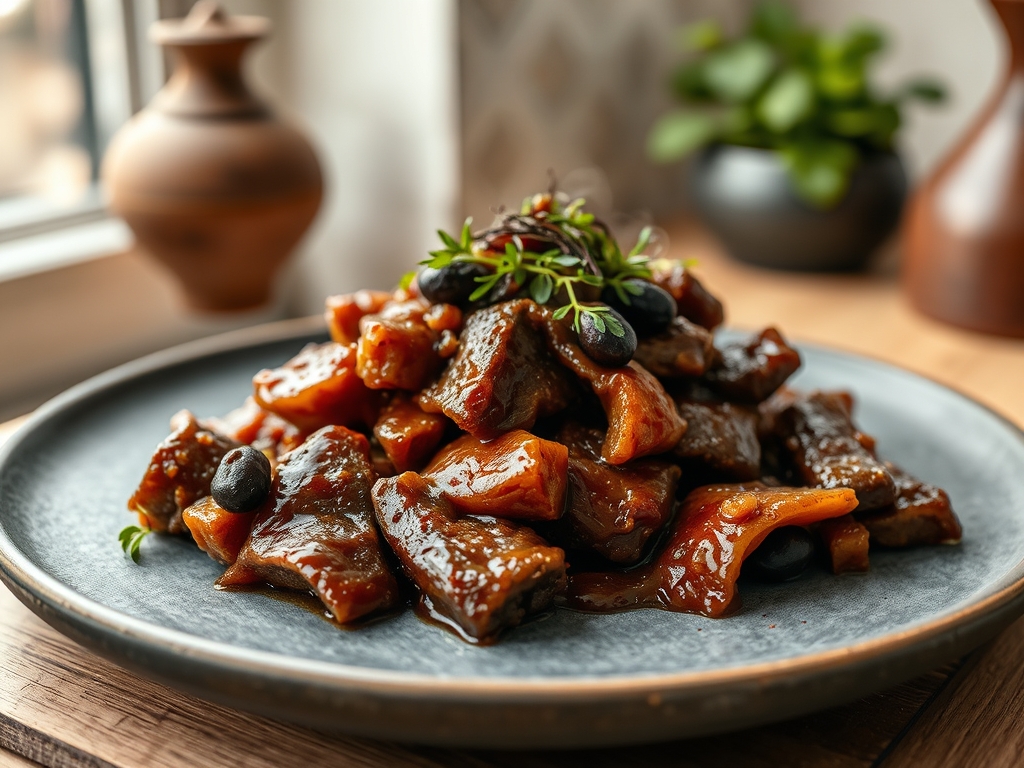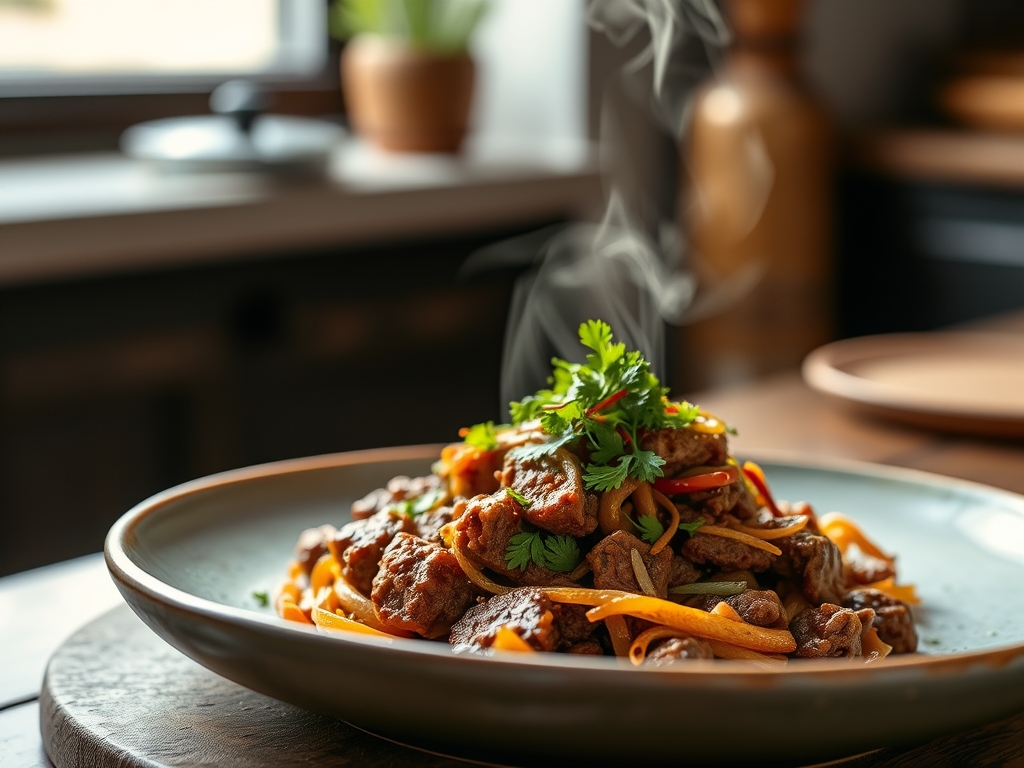
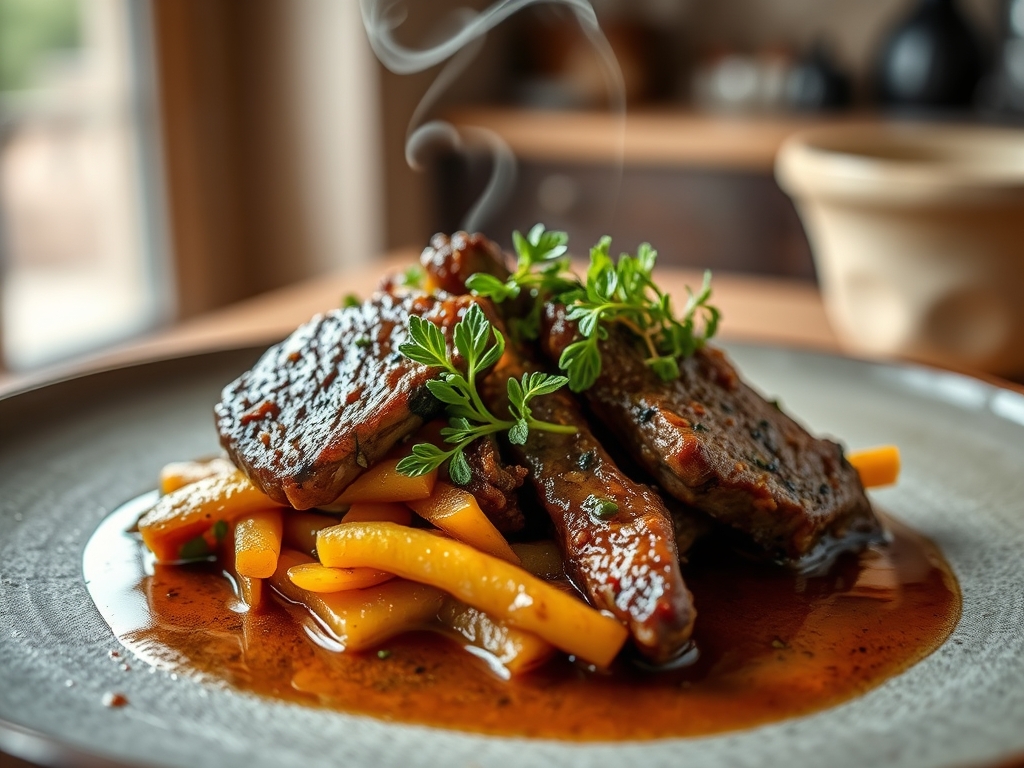
Imagine the scent of cold-pressed tallow hitting a screaming hot cast iron surface; it is a chemical siren song that triggers an immediate physiological response. Whether it is a crusty ribeye or a silky stroganoff, mastering top beef recipes requires more than a flame. It requires an understanding of how proteins unravel and how fats transform into liquid gold.
Beef is the ultimate culinary canvas because of its structural complexity. From the lean, dense fibers of a tenderloin to the collagen-rich webs of a chuck roast, every cut demands a specific thermal strategy. We are moving beyond basic grilling and into the realm of molecular gastronomy. We are going to explore the ten most iconic ways to prepare this protein, ensuring every bite is a masterclass in texture and depth.
By the time you finish this guide, you will understand why your steak needs to rest and why acid is the secret weapon of every professional saucier. We are not just making dinner; we are engineering a sensory experience that balances salt, fat, acid, and heat with surgical precision.
The Gathers:
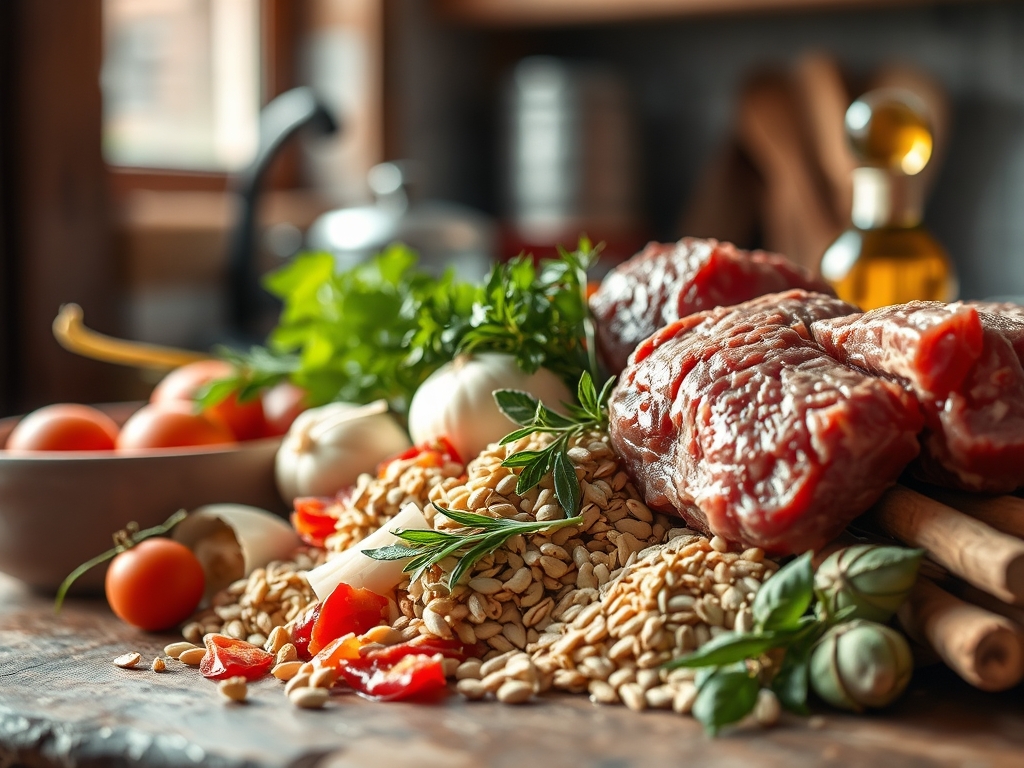
Before we ignite the range, we must assemble our laboratory. The mise-en-place for these top beef recipes is not just about convenience; it is about controlling the rate of reaction. You will need high-quality fats with high smoke points, such as avocado oil or clarified butter, to facilitate the Maillard reaction without producing acrid, scorched notes.
Your aromatics are equally vital. Fresh thyme, rosemary, and smashed garlic cloves provide fat-soluble compounds that infuse the meat as the lipids render. For your liquids, prioritize bone-deep stocks over store-bought broths. A high-quality stock contains gelatin, which provides a viscous, lip-smacking mouthfeel that water simply cannot replicate.
Smart Substitutions:
If you cannot find prime rib for your roast, a well-marbled sub-primal cut like the top sirloin cap (picanha) offers incredible flavor at a lower price point. For those avoiding dairy, replace butter with a high-quality tallow or a neutral oil infused with nutritional yeast to mimic that savory, nutty depth. If you are out of red wine for deglazing, a splash of balsamic vinegar mixed with beef stock provides the necessary piquant acidity and sugar for caramelization.
The Clock
Efficiency in the kitchen is dictated by the "Chef's Flow." This is the art of overlapping tasks so that no second is wasted. For these top beef recipes, the clock starts long before the heat. Tempering your meat (bringing it to room temperature) takes roughly 45 to 60 minutes. This ensures that the thermal gradient between the exterior and the core is not too steep, preventing a grey, overcooked ring beneath the crust.
Prep time for most of these dishes averages 30 minutes of active knife work, including dicing aromatics with a sharp chef's knife and portioning proteins. Cook times vary wildly: a seared steak takes 8 minutes, while a braised short rib requires 3 to 4 hours of low-intensity thermal energy to break down connective tissue. Always factor in a mandatory 10 to 15 minute rest period for large cuts; this allows the internal pressure to stabilize and the juices to redistribute.
The Masterclass
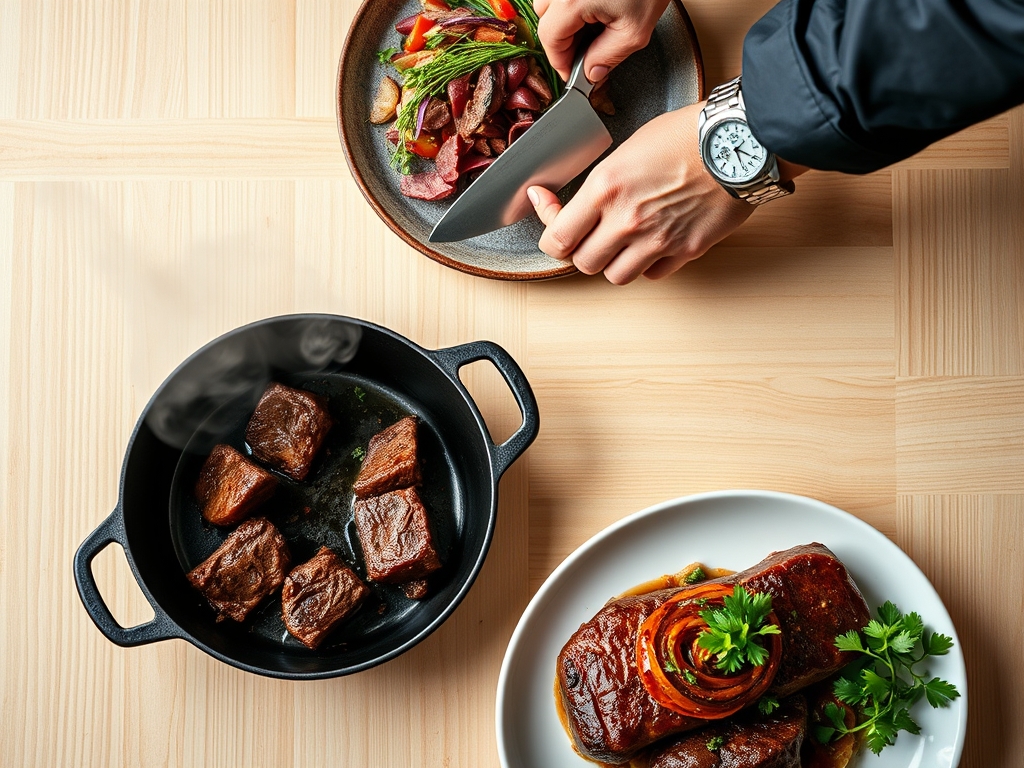
1. The Perfect Sear
Pat the beef bone-dry with paper towels to remove surface moisture. Place your heavy-bottomed skillet over high heat until the oil shimmers and just begins to smoke. Lay the beef away from you to avoid splashes.
Pro Tip: Moisture is the enemy of the Maillard reaction. If the surface is wet, the energy goes into evaporating water (boiling) rather than browning the proteins (searing).
2. The Deglaze
After removing the meat, you will see browned bits stuck to the pan. This is called "fond." Pour in a cold liquid, such as red wine or stock, and use a wooden spoon or bench scraper to lift those particles.
Pro Tip: This process captures concentrated flavor compounds created during browning. The sudden temperature shift helps release the proteins from the metal surface.
3. The Emulsified Sauce
Whisk cold cubes of butter into your reduced deglazing liquid over low heat until the sauce becomes glossy and opaque.
Pro Tip: This is a "beurre monte." The cold butter allows the milk solids and fats to suspend in the liquid, creating a stable emulsion rather than a greasy broken mess.
4. The Low and Slow Braise
For tougher cuts, submerge the beef halfway in liquid and cover tightly. Place in a low-temperature oven (300F) for several hours.
Pro Tip: Collagen begins to denature into gelatin at approximately 160F. This transformation is time-dependent, not just temperature-dependent; patience is the only way to achieve "fork-tender" results.
5. The Resting Phase
Transfer the cooked beef to a warm cutting board and tent loosely with foil. Do not cut into it immediately.
Pro Tip: This allows for "thermal carryover," where the internal temperature continues to rise by 5 to 10 degrees. It also lets the muscle fibers relax so they can reabsorb the internal moisture.
The Deep Dive
Macro Nutrition:
Beef is a nutritional powerhouse, providing high-density heme iron, which is more easily absorbed by the body than plant-based iron. A standard 6-ounce serving of lean beef contains roughly 40 to 50 grams of protein and is rich in Vitamin B12 and Zinc.
Dietary Swaps:
- Keto: Focus on high-fat cuts like ribeye and replace flour-based thickeners with heavy cream or xanthan gum.
- Vegan: Use "meaty" mushrooms like Lion's Mane or King Oyster, treated with the same searing techniques and soy-based umami boosters.
- Gluten-Free: Use tamari instead of soy sauce and cornstarch or arrowroot for thickening sauces.
The Fix-It:
- The Meat is Tough: You likely skipped the rest period or used a high-heat method on a high-collagen cut. Fix: Slice it paper-thin against the grain to mechanically break the fibers.
- The Sauce is Salty: Do not add more water. Fix: Add a splash of acid (lemon juice) or a pinch of sugar to balance the palate.
- The Sear is Grey: The pan was not hot enough or was overcrowded. Fix: Remove the meat, let the pan get white-hot, and sear in smaller batches.
Meal Prep & Reheating:
To maintain "day-one" quality, reheat beef gently. Use a sous-vide circulator or a low-temperature oven (250F) with a splash of beef stock. Avoid the microwave, as it vibrates water molecules too violently, causing the proteins to tighten and become rubbery.
The Wrap-Up
Mastering top beef recipes is about respecting the biology of the animal and the physics of the kitchen. When you understand how to harness the Maillard reaction and manage thermal carryover, you stop following recipes and start creating art. Grab your tongs, trust your digital thermometer, and remember that the best flavor comes from the boldest sear. You have the tools; now go make something legendary.
The Kitchen Table
How do I get a restaurant-style crust on my steak?
Ensure the beef is bone-dry and the pan is smoking hot. Use a heavy cast iron skillet to maintain heat and do not move the meat for the first two minutes to allow the Maillard reaction to fully develop.
Why is my pot roast still tough after three hours?
It likely hasn't reached the "sweet spot" where collagen transforms into gelatin. Check the internal temperature; it should be around 203F. If it is still tough, it simply needs more time in the low-heat environment.
What is the best oil for searing beef?
Use oils with a high smoke point, such as avocado oil, grapeseed oil, or clarified butter (ghee). Avoid extra virgin olive oil or unrefined coconut oil, as they will burn and turn bitter at high searing temperatures.
Should I salt my beef before or after cooking?
Salt at least 45 minutes before cooking or immediately before the meat hits the pan. Salting early allows the brine to be reabsorbed into the fibers, seasoning the meat deeply and improving moisture retention during the cook.