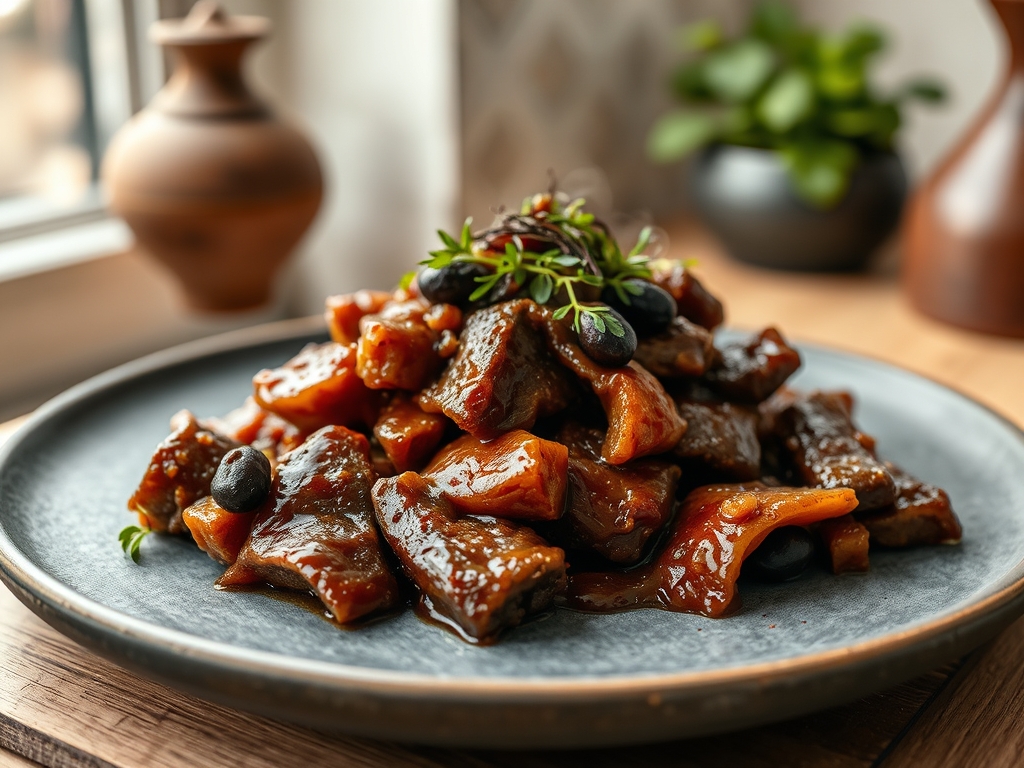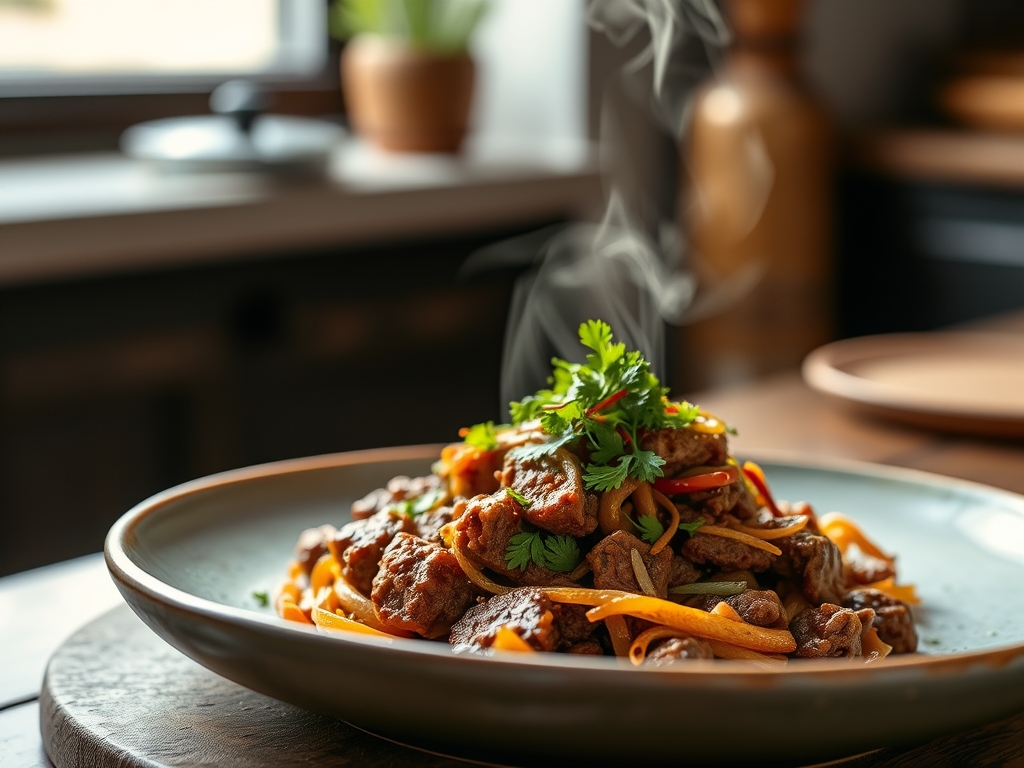
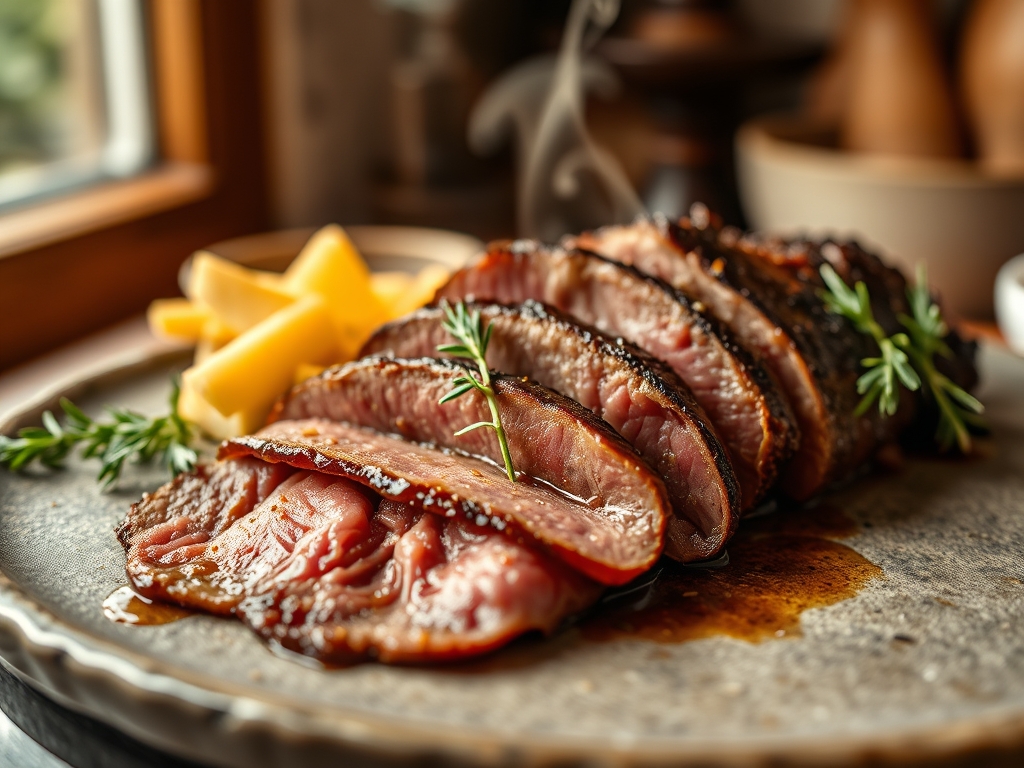
Picture the scene: you are standing in front of the refrigerator at 6:00 PM; the light is clinical and your hunger is aggressive. You reach for that pink butcher paper package because deli sliced roast beef recipes are the ultimate culinary cheat code for the weary professional. This isn't just sandwich filler; it is a pre-seasoned, perfectly cooked protein canvas waiting for a chemical transformation. Most people treat deli beef as a cold commodity, but when you understand the physics of the Maillard reaction and the structural integrity of a thin-shaved slice, you unlock a world of gourmet potential. We are talking about savory umami bombs that take minutes, not hours, to execute. Whether you are craving a piquant French Dip or a deconstructed Philly cheesesteak, the secret lies in how you manipulate the moisture content and surface area of those delicate ribbons. Let us take that humble pound of roast beef and elevate it into something that tastes like a twelve-hour slow roast, all while keeping your evening timeline perfectly intact.
The Gathers:
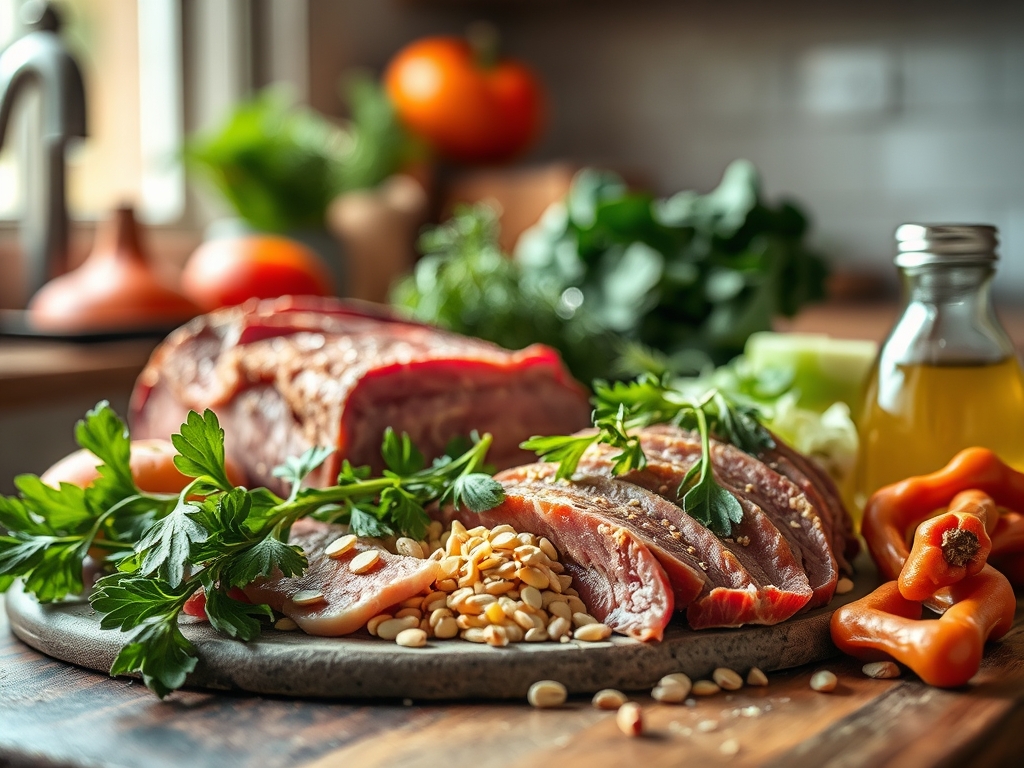
To execute these deli sliced roast beef recipes with precision, your mise-en-place must be impeccable. Start with one pound of high-quality, rare-roast deli beef. Look for "top round" or "London Broil" cuts that show visible muscle grain; this indicates a whole-muscle product rather than a pressed loaf. You will need a heavy-bottomed skillet (cast iron is king here) to maximize heat retention. Gather your aromatics: three cloves of garlic, one yellow onion for sweetness, and a bunch of fresh thyme. For the liquid components, have a high-quality beef bone broth on hand; its collagen content provides a viscous mouthfeel that standard broth lacks.
Smart Substitutions: If you cannot find roast beef, thin-shaved pastrami offers a smoky, spiced alternative, though you must adjust your salt levels accordingly. For a dairy-free richness, swap butter for a high-smoke-point avocado oil infused with a drop of liquid smoke. If you are dodging gluten, replace the traditional hoagie roll with large butter lettuce leaves or a bed of roasted cauliflower steaks. Always keep a microplane nearby to zest fresh horseradish into your sauces; the volatile oils in the root provide a sharp, nasal heat that cuts through the fatty profile of the beef perfectly.
The Clock:
Mastering the "Chef's Flow" is about overlapping tasks to minimize dead time. Your total active prep time is exactly 12 minutes. This involves the "slice and dice" phase where you use a sharp bench scraper to organize your aromatics. The cooking phase spans 15 to 20 minutes depending on your chosen application.
The flow works like this: start your pan on medium-high heat to reach thermal equilibrium while you prep the vegetables. Sauté the aromatics first to infuse the oil. The beef only requires 60 to 90 seconds of direct heat; any longer and you risk denaturing the proteins into a rubbery texture. By the time your bread is toasted and your sauce has reduced in the saucier, the beef is ready for its final toss. Total time from fridge to table is under 30 minutes.
The Masterclass:
1. The Flash Sear
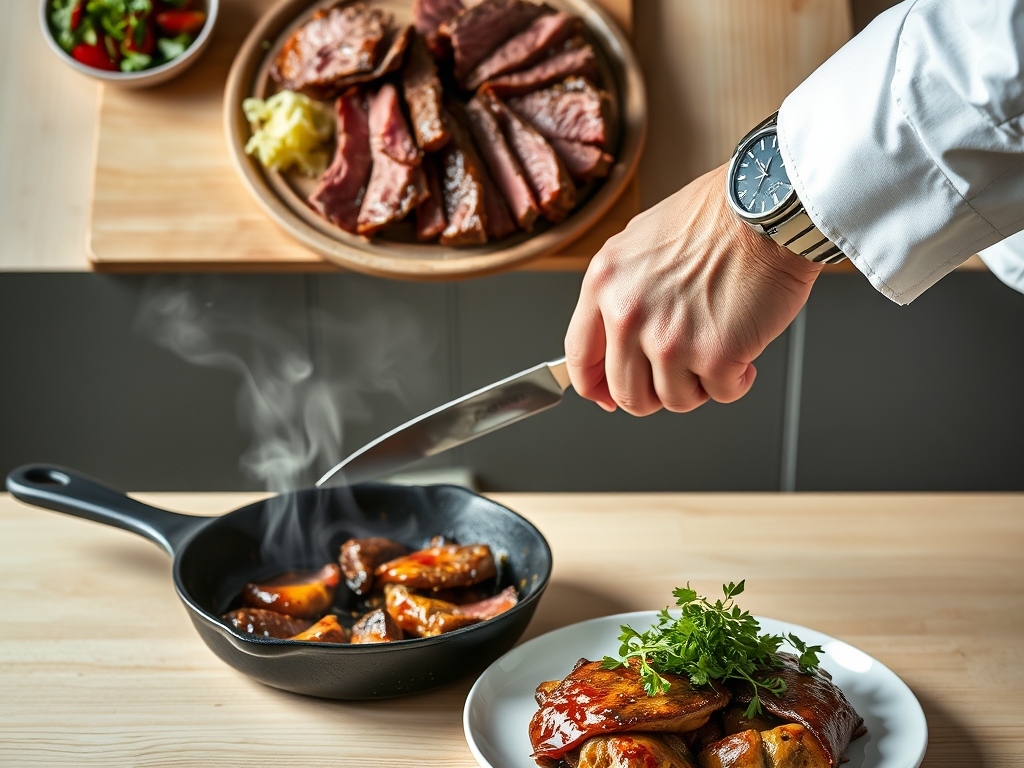
Place your heavy-bottomed skillet over high heat until it wisps with smoke. Add a teaspoon of neutral oil and drop the beef ribbons in small batches. Do not crowd the pan. Sear for only 30 seconds per side to achieve enzymatic browning without overcooking the interior.
Pro Tip: This rapid sear triggers the Maillard reaction, creating complex flavor compounds. If you overload the pan, the temperature drops and the meat boils in its own juices instead of browning.
2. The Deglaze and Emulsify
Once the beef is removed, you will see brown bits (fond) stuck to the pan. Pour in a splash of dry red wine or beef broth. Use a wooden spoon to scrape the bottom, then whisk in a cold pat of butter to emulsify the sauce.
Pro Tip: Cold butter creates a stable emulsion with the pan liquids. The fat molecules surround the water molecules, resulting in a glossy, velvet-textured sauce that clings to the meat.
3. The Aromatic Infusion
Lower the heat and add your sliced onions and peppers. Sauté until they are translucent and slightly charred. Add a pinch of baking soda to speed up the caramelization process by increasing the pH level of the vegetables.
Pro Tip: Alkalizing the environment with baking soda breaks down the pectin in the onion cell walls faster, allowing them to brown and sweeten in half the usual time.
4. The Structural Assembly
Layer your beef onto your toasted vessel. If making a sandwich, apply a thin layer of fat (mayo or aioli) to the bread first. This creates a hydrophobic barrier that prevents the juices from making the bread soggy.
Pro Tip: This is the "Moisture Migration" principle. By coating the starch in fat, you ensure the sandwich maintains its structural integrity from the first bite to the last.
The Deep Dive:
From a macro perspective, deli roast beef is a protein powerhouse. A standard 4-ounce serving provides roughly 22 grams of protein with minimal carbohydrates, making it a staple for keto-centric lifestyles. However, be mindful of sodium; deli meats are often cured in brine. To balance this, pair your beef with potassium-rich sides like spinach or avocado.
Dietary Swaps: For a vegan "roast beef" experience, use thinly sliced, marinated portobello mushrooms or seitan seared in the same manner. For a keto-friendly meal, ditch the bread and roll the beef around spears of asparagus and fontina cheese, then bake until bubbly.
The Fix-It:
- Tough Meat: If the beef becomes chewy, it was likely sliced with the grain. Finely chop it against the grain to break up the long muscle fibers.
- Salty Sauce: If your deglaze is too salty, add a splash of heavy cream or a squeeze of lemon juice. The fat or acid will mask the perception of salt on the palate.
- Soggy Sandwich: If your bread is collapsing, you likely skipped the toasting step. Use a digital scale to weigh down the sandwich in the pan (Panini style) to compress and crisp the exterior.
Meal Prep: To reheat deli beef without it turning into leather, use a "low and slow" approach. Place the meat in a shallow dish with a tablespoon of broth, cover tightly with foil, and warm at 300 degrees Fahrenheit. This creates a steam chamber that rehydrates the protein fibers.
The Wrap-Up:
You now possess the technical blueprint to turn a standard grocery store staple into a high-end culinary experience. Deli sliced roast beef recipes are not about complexity; they are about the intelligent application of heat and the strategic layering of flavors. By focusing on the Maillard reaction and proper moisture management, you can create meals that feel indulgent and sophisticated in less time than it takes to order takeout. Grab your tongs, fire up that skillet, and start experimenting with the savory, piquant world of elevated deli beef. Your weeknight dinners will never be the same.
The Kitchen Table:
How do I stop deli roast beef from getting tough?
Avoid overcooking. Deli beef is already fully cooked; you only need to warm it for 60 seconds. Use a "flash sear" technique over high heat to brown the surface without drying out the interior protein fibers.
What is the best way to store leftover deli beef?
Store it in an airtight container with a damp paper towel tucked inside. This maintains the humidity levels and prevents the edges from oxidizing and turning grey. Use within three to five days for optimal freshness and safety.
Can I freeze deli sliced roast beef?
Yes, but do it strategically. Lay the slices flat between sheets of wax paper and seal them in a vacuum-sealed bag. This prevents ice crystal formation, which can rupture the cell walls and lead to a mushy texture upon thawing.
How do I make a quick au jus for roast beef?
Deglaze your pan with beef bone broth, a teaspoon of Worcestershire sauce, and a smashed garlic clove. Simmer until reduced by one-third. Season with black pepper and strain through a fine-mesh sieve for a clear, professional finish.