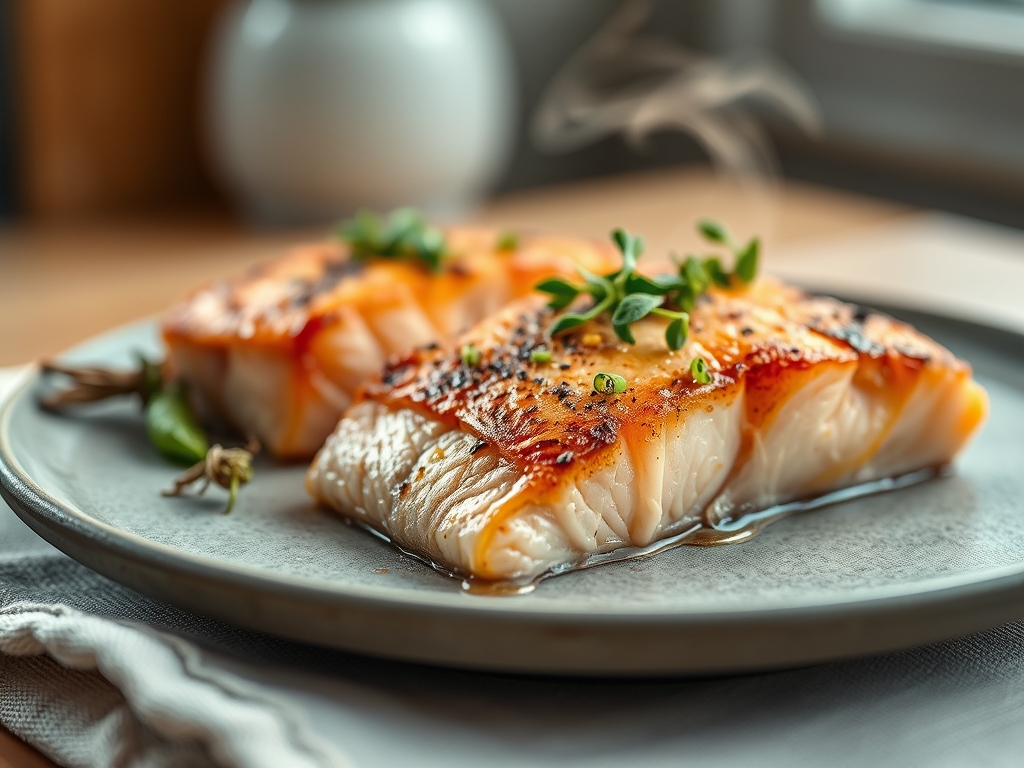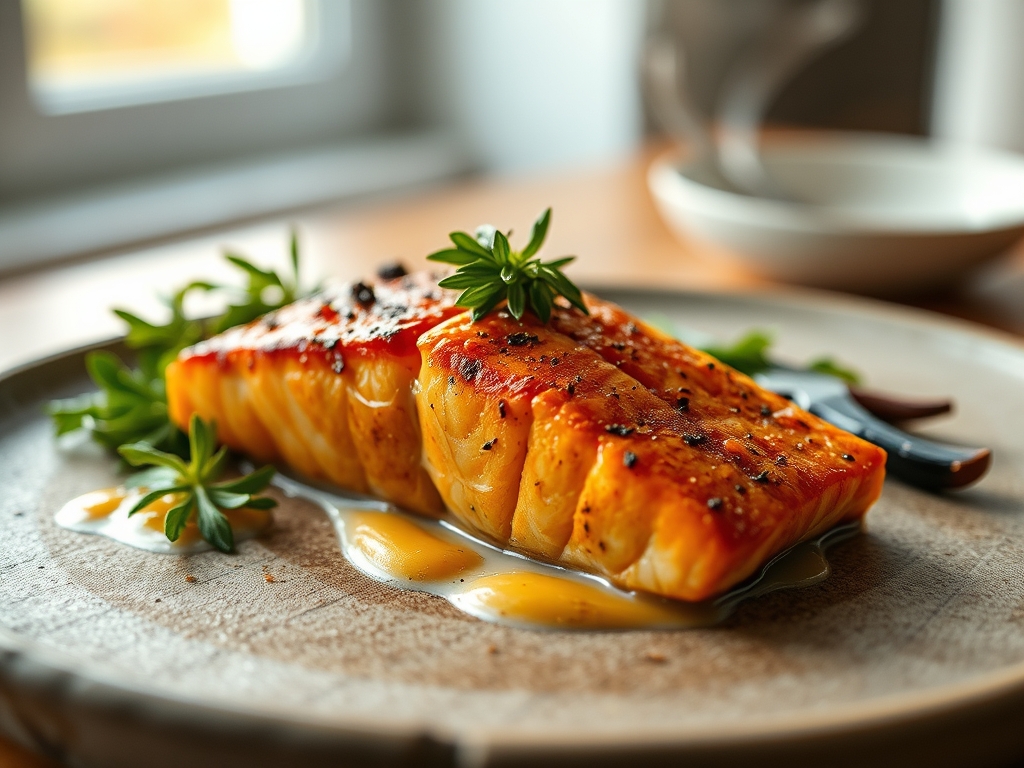
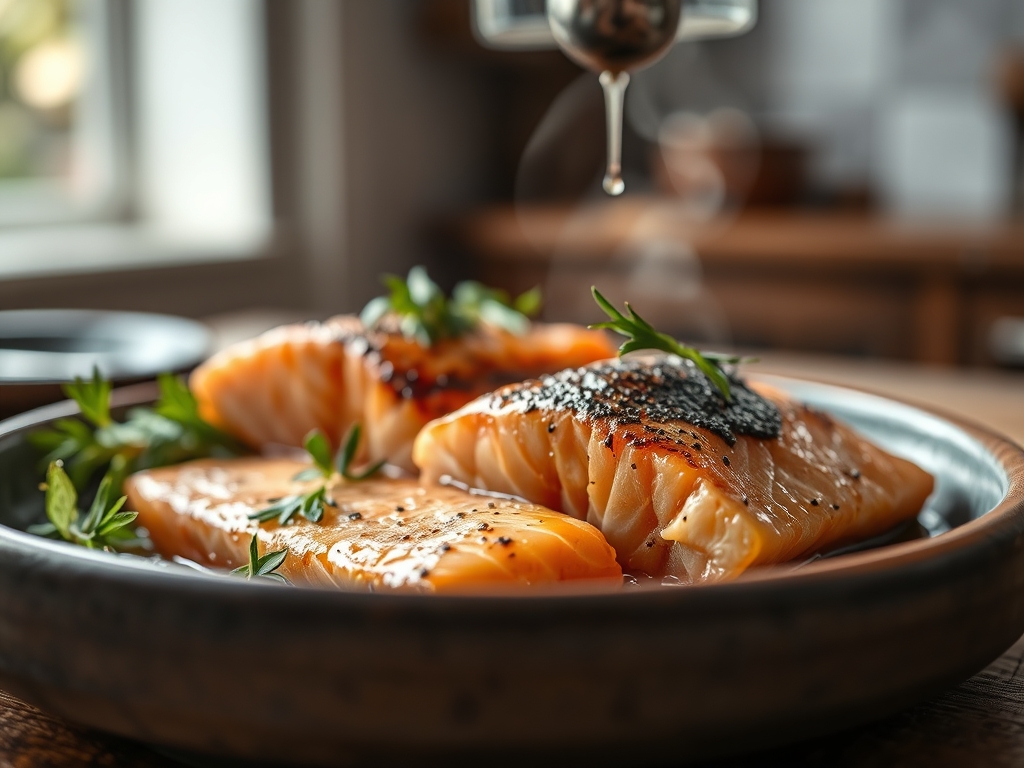
Imagine the scent of smoldering fruitwood drifting through a crisp evening air while a massive, glistening side of fish rests atop the grates. This is the pinnacle of outdoor entertaining. When you master whole smoked salmon recipes, you are not just cooking; you are performing an ancient ritual of preservation and flavor concentration. The skin turns into a crackling, mahogany armor while the flesh beneath transforms into a buttery, translucent silk that flakes at the mere suggestion of a fork. It is the ultimate centerpiece for those who crave a sophisticated balance of salt, smoke, and fat.
To get this right, you need to understand the molecular dance happening inside your smoker. We are moving beyond basic grilling into the realm of low-and-slow alchemy. Whether you are aiming for a traditional Pacific Northwest cure or a piquant maple-glaze finish, the goal is consistent: achieving that perfect pellicle. This sticky outer layer is the secret to smoke adhesion. By the time we are done, you will have seven distinct ways to serve this masterpiece, ensuring your next gathering is nothing short of legendary.
The Gathers:
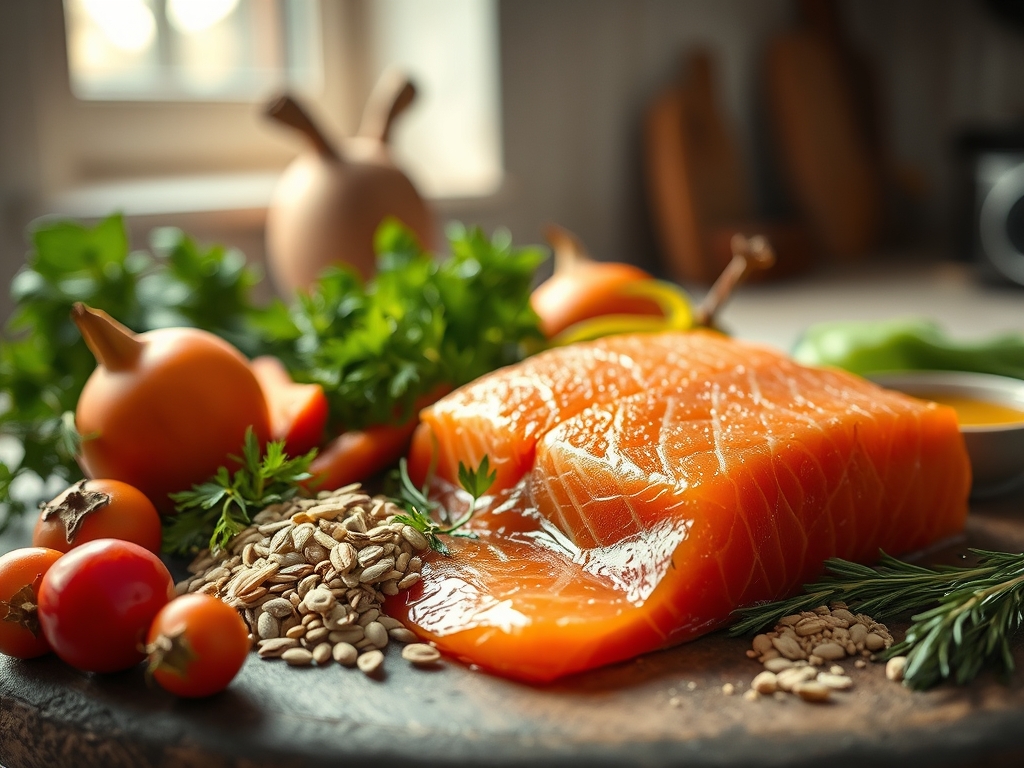
Your mise-en-place is the foundation of success. Start with a high-quality, four-to-six-pound side of salmon, ideally skin-on to provide a thermal buffer against the heat. You will need a digital scale to measure your dry brine precisely; the ratio of salt to sugar is non-negotiable for proper cellular osmosis. Gather your aromatics: fresh dill, cracked peppercorns, and lemon zest. Use a microplane to ensure the zest is fine enough to release its volatile oils without adding bitter pith.
For the smoke, select wood chunks rather than chips for a more consistent burn. Alder is the classic choice for its subtle sweetness, but fruitwoods like apple or cherry offer a delicate, floral profile. You will also need a saucier to prepare your glazes, ensuring a viscous consistency that clings to the fish.
Smart Substitutions: If you cannot find high-quality maple syrup for your glaze, honey or agave nectar works beautifully. For those avoiding refined sugar in the brine, coconut sugar provides a deep, earthy sweetness that mimics molasses. If fresh dill is unavailable, fennel fronds offer a similar herbaceous note with a hint of anise.
The Clock
Preparation for whole smoked salmon recipes is a marathon, not a sprint. Your Chef's Flow begins 24 hours in advance with the brining process. This stage is crucial for denaturing the proteins, which prevents the unappealing white albumin from leaking out during the cook.
- Brining: 12 to 24 hours (inactive).
- Pellicle Formation: 2 to 4 hours of air-drying in the refrigerator.
- Smoking: 2 to 3 hours, depending on the thickness of the fillet and your target internal temperature.
- Resting: 20 minutes to allow for thermal carryover and moisture redistribution.
Total active time is roughly 45 minutes, but the calendar time is significant. Plan accordingly to ensure the fish is ready exactly when your guests arrive.
The Masterclass
1. The Precision Cure
Apply a 2:1 ratio of kosher salt to brown sugar across the entire surface of the fish. Use your hands to massage the mixture into the flesh, ensuring even coverage. Wrap tightly in plastic and refrigerate.
Pro Tip: This process uses osmosis to draw out excess moisture and season the fish deeply. Reducing the water activity in the cells creates a denser, more luxurious texture that resists overcooking.
2. The Pellicle Development
Rinse the brine off thoroughly under cold water and pat the fish bone-dry with paper towels. Place the salmon on a wire rack over a baking sheet and leave it uncovered in the fridge for several hours.
Pro Tip: This creates the "pellicle," a tacky surface layer. This is vital because smoke particles are attracted to moisture; the pellicle acts as a chemical "glue" that captures smoke flavor more efficiently than raw flesh.
3. Calibrating the Smoke
Preheat your smoker to a steady 225 degrees Fahrenheit. Use a heavy-bottomed skillet or a dedicated smoker box to manage your wood. Aim for "thin blue smoke" rather than thick, white clouds.
Pro Tip: Heavy white smoke contains creosote, which imparts a bitter, medicinal taste. Clean combustion ensures that the phenols in the wood smoke provide a sweet, campfire-like aroma without the acridity.
4. The Gentle Render
Place the salmon skin-side down on the grates. As the temperature rises, the subcutaneous fat will begin to render, basting the meat from the bottom up. Monitor the internal temperature using a probe thermometer.
Pro Tip: Keeping the skin on acts as an insulator. The fat layer between the skin and meat melts at approximately 110 degrees, creating a self-basting mechanism that keeps the fillet moist throughout the long cook.
5. The Glaze Infusion
When the salmon reaches an internal temperature of 135 degrees, use a silicone brush to apply your glaze. This could be a bourbon-maple reduction or a ginger-soy viscous syrup.
Pro Tip: Applying the glaze late in the process prevents the sugars from burning. The heat will cause the glaze to undergo a slight Maillard reaction, deepening the color and complexity without turning bitter.
6. The Final Pull
Remove the salmon from the heat when it hits 140 degrees. The temperature will continue to rise to the ideal 145 degrees during the rest. Use a bench scraper or large tongs to carefully move the fish to a serving platter.
Pro Tip: This is called thermal carryover. If you wait until 145 degrees to pull the fish, the residual heat will push it toward 150 degrees, resulting in a dry, chalky texture.
7. The Aerated Finish
Once the fish has rested, use a microplane to grate fresh horseradish or lemon zest over the top. Serve with a side of creme fraiche that has been whipped to aerate it, providing a light contrast to the dense fish.
Pro Tip: Fresh aromatics added at the very end provide "high notes" that cut through the heavy, fatty richness of the smoked salmon, balancing the palate.
The Deep Dive
Macro Nutrition: Smoked salmon is a nutritional powerhouse, rich in Omega-3 fatty acids, high-quality protein, and Vitamin D. A 4-ounce serving typically contains 200 calories, 25 grams of protein, and 10 grams of healthy fats.
Dietary Swaps: For a Keto-friendly version, replace the brown sugar in the brine with erythritol. For a Vegan "salmon" alternative, use large carrots or slabs of watermelon that have been marinated in liquid smoke and soy sauce, then slow-roasted to mimic the texture.
The Fix-It:
- White Albumin Leaking: This happens if the heat is too high. Fix it by lowering the temperature immediately and gently dabbing the white spots away with a paper towel.
- Dry Texture: If you overshot the temp, flake the meat and fold it into a fatty binder like cream cheese or Greek yogurt to create a rillette.
- Too Salty: If you over-brined, soak the fillet in cold water for 30 minutes before smoking to leach out excess sodium.
Meal Prep: To reheat without losing quality, place the salmon in a shallow dish with a tablespoon of water, cover tightly with foil, and warm in a 275-degree oven. This creates a steam chamber that prevents the fats from oxidizing and turning "fishy."
The Wrap-Up
Mastering whole smoked salmon recipes is about more than just a meal; it is about the confidence to handle a premium ingredient with technical grace. From the initial salt cure to the final, shimmering glaze, every step is a deliberate move toward flavor perfection. Now that you have the science and the steps, get out there and fire up that smoker. Your friends are waiting, the wood is dry, and the salmon is ready for its transformation.
The Kitchen Table
How do I prevent salmon from sticking to the smoker?
Always start with a clean, oiled grate. Placing the salmon skin-side down on a piece of parchment paper or a bed of sliced lemons also creates a non-stick barrier that allows smoke to circulate without the flesh tearing.
What is the best wood for smoking salmon?
Alder is the gold standard for its mild, sweet profile. However, fruitwoods like apple, cherry, or peach are excellent alternatives. Avoid heavy woods like hickory or mesquite, as they can easily overwhelm the delicate flavor of the fish.
Can I smoke a frozen salmon fillet?
It is not recommended. For the brine to penetrate the cells and for the pellicle to form correctly, the fish must be fully thawed. Thawing in the refrigerator ensures the protein structure remains intact for the best texture.
How long does home-smoked salmon last?
When properly cured and smoked, whole smoked salmon will last up to seven days in the refrigerator. For longer storage, vacuum-seal the portions and freeze them for up to three months without significant loss of quality or flavor.