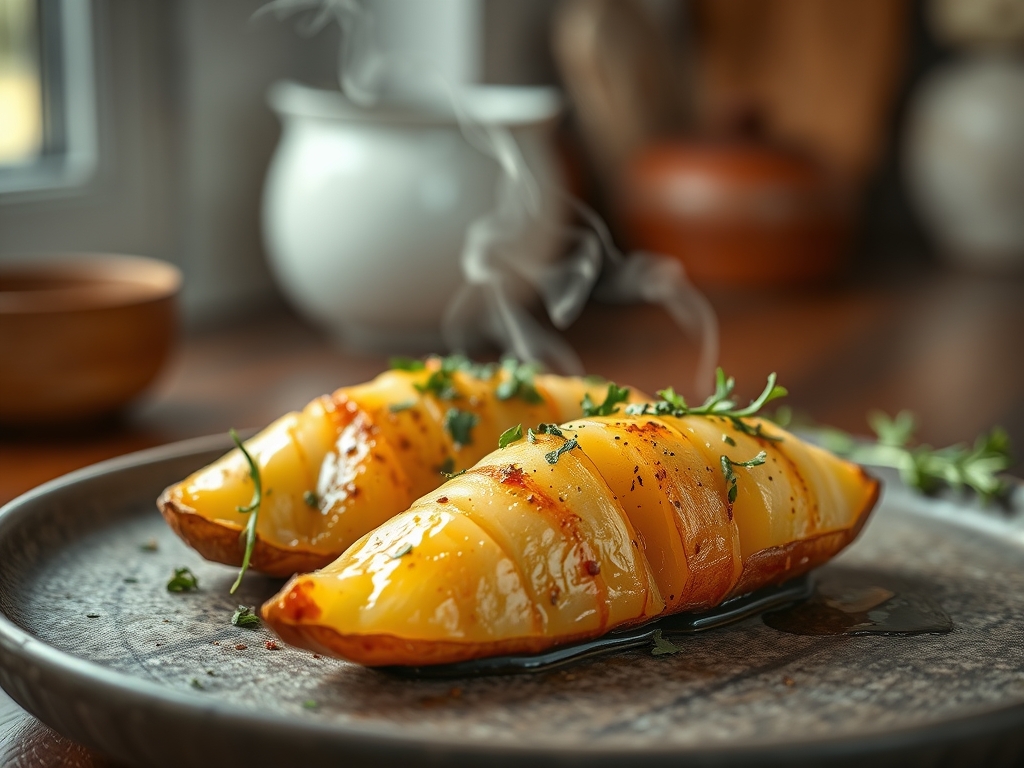
Imagine a kitchen filled with the scent of caramelizing sugars and earthy vanilla. While the orange variety gets the fame, the white sweet potato is the elegant, creamy cousin that actually holds its shape under fire. Mastering baked white sweet potato recipes transforms your weeknight dinner from a basic starch into a velvety, nutrient dense masterpiece. It is the ultimate canvas for both savory and sweet experimentation.
The white sweet potato, often labeled as the Hannah or Jersey variety, possesses a higher starch content and a lower moisture level than its orange counterparts. This means that when you apply high heat, you are not just cooking it; you are triggering a sophisticated series of chemical reactions. The exterior crisps into a delicate shell while the interior undergoes a structural change, turning fluffy rather than mushy. It is the perfect marriage of a Russet potato texture and a subtle, honey like sweetness. If you have been looking for a way to upgrade your meal prep without sacrificing flavor or nutrition, you have found the holy grail of tubers.
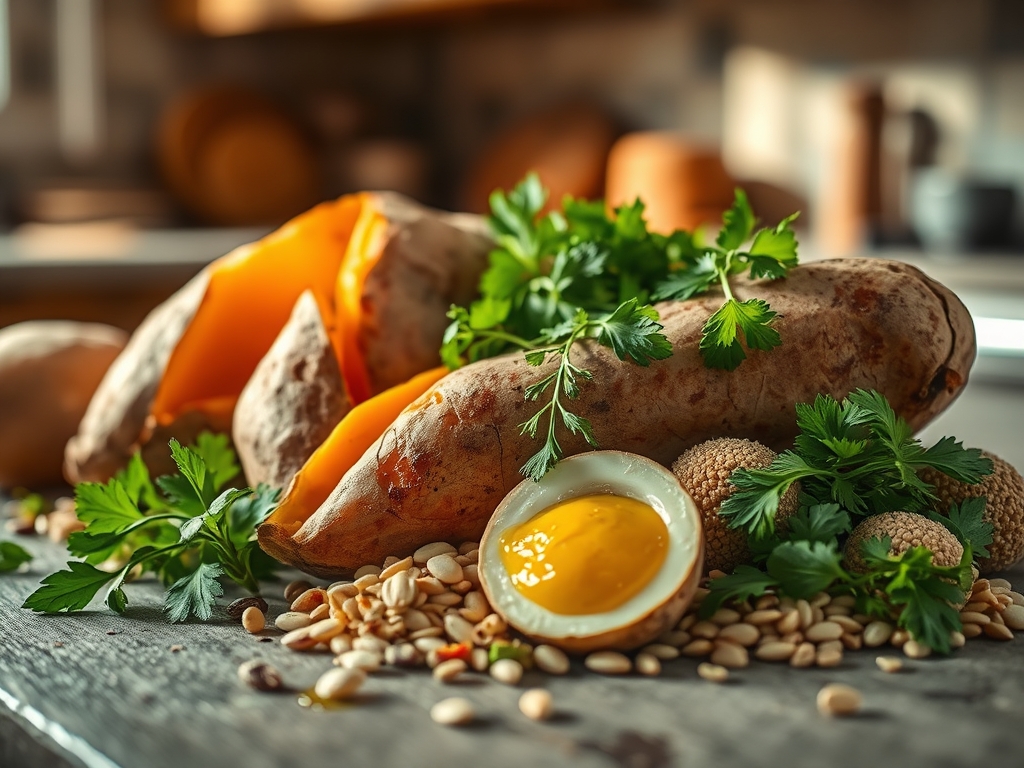
The Gathers:
To execute these hacks with precision, your mise-en-place must be intentional. Start with three to four medium Hannah sweet potatoes. Look for firm skins without soft spots, as these indicate a high sugar concentration that hasn't yet begun to ferment. You will need a high smoke point fat like avocado oil or clarified butter to ensure the skin undergoes proper crisping without the oil breaking down into acrid compounds.
Gather your aromatics: fresh rosemary sprigs, cloves of garlic, and perhaps a pinch of smoked paprika for a piquant edge. For the structural elements, keep a digital scale nearby to ensure uniform sizing, which guarantees even heat distribution. If you are leaning into the sweet hacks, have some high quality maple syrup and flaky sea salt ready.
Smart Substitutions: If you cannot find white sweet potatoes, Japanese Murasaki potatoes are an excellent alternative. They have a purple skin but a creamy white interior with a similar starch profile. For a vegan fat swap, use cold pressed coconut oil to add a luxurious, viscous mouthfeel that mimics the richness of dairy.
The Clock
Efficiency in the kitchen is about managing the Chef's Flow. The total active prep time for these hacks is roughly 15 minutes, but the magic happens during the 45 to 55 minutes of roasting.
- The Prep (0-15 min): Scrubbing, drying, and slicing. Using a bench scraper to move your cut potatoes to the tray keeps your station clean and your workflow fast.
- The Roast (15-60 min): This is when the Maillard reaction occurs. You want a steady 425 degrees Fahrenheit to ensure the sugars caramelize before the interior dries out.
- The Rest (60-65 min): Never skip the five minute rest. This allows the internal steam to redistribute, ensuring every bite is moist.
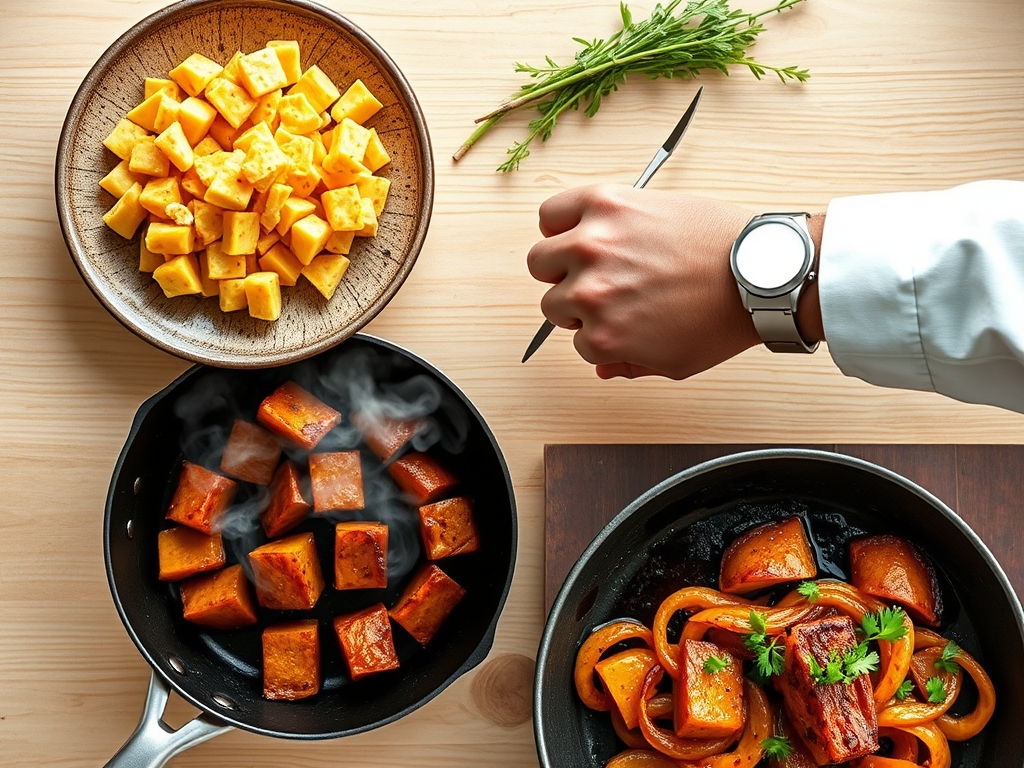
The Masterclass
1. The Hasselback Precision Cut
Place the potato between two wooden spoons and slice thin rounds. The spoons act as a guard so you do not cut all the way through. This increases the surface area for the oil to penetrate.
Pro Tip: This technique maximizes thermal radiation. By increasing the surface area exposed to the hot air, you accelerate the evaporation of surface moisture, leading to a crunchier texture.
2. The Salt Crust Cure
Rub the skins with a generous amount of fine sea salt and oil before baking. This draws out excess moisture from the skin through osmosis.
Pro Tip: Salt acts as a desiccant. It pulls water to the surface where it evaporates quickly, preventing the skin from becoming leathery and instead making it shatteringly crisp.
3. The Smashed and Seared Method
Par-boil the potatoes, smash them flat with a heavy-bottomed skillet, and then bake at high heat.
Pro Tip: This utilizes mechanical breakdown to create jagged edges. Those edges provide more sites for the Maillard reaction to occur, resulting in a deeper, more complex flavor profile.
4. The Infused Fat Injection
Use a small paring knife to poke deep holes and pour in a mixture of melted ghee and garlic.
Pro Tip: This creates internal convection pockets. The hot fat travels deep into the tuber, cooking it from the inside out and ensuring the aromatics infuse the entire starch structure.
5. The Microplane Zest Finish
Once baked, grate fresh nutmeg or lemon zest over the hot potato using a microplane.
Pro Tip: Heat triggers the release of volatile organic compounds in the zest. Adding these at the very end prevents the delicate oils from burning and losing their bright, citrusy notes.
6. The Whipped Aeration
Scoop out the flesh of a baked potato and whip it with a splash of coconut milk until light.
Pro Tip: Whisking introduces air, which helps aerate the dense starch molecules. This changes the density of the dish, making it feel lighter on the palate while maintaining its nutritional integrity.
7. The Twice-Baked Savory Boat
Refill the skins with the whipped flesh mixed with chives and Greek yogurt, then bake again.
Pro Tip: The second bake relies on protein coagulation. If you add an egg white or yogurt, the heat sets the proteins, giving the filling a souffle-like lift.
8. The Maple Glaze Reduction
Brush a mixture of maple syrup and balsamic vinegar on the potatoes during the last ten minutes of baking.
Pro Tip: This is a lesson in sugar concentration. As the water in the syrup evaporates, the sugar becomes more concentrated and eventually reaches the "hard ball" stage, creating a candy-like coating.
9. The Herb-Oil Emulsion
Toss the hot, baked cubes in a blender-made herb oil.
Pro Tip: Using a high speed blender creates a stable emulsion. The oil coats the starch particles evenly, preventing them from clumping and ensuring a silky finish.
10. The Cold-Start Roast
Start the potatoes in a cold oven and then turn the heat up.
Pro Tip: This gradual temperature rise activates amylase enzymes. These enzymes break down complex starches into simple sugars more effectively than a sudden blast of heat, resulting in a naturally sweeter potato.
The Deep Dive
From a nutritional standpoint, white sweet potatoes are a powerhouse. They are rich in potassium, which regulates fluid balance, and Vitamin C, which supports collagen synthesis. Because they have a lower glycemic index than white Russets, they provide sustained energy without the insulin spike.
Dietary Swaps: For a Keto-friendly version, focus on the skin and use high-fat toppings like avocado or bacon bits to offset the carb count. For a Vegan approach, replace butter with a saucier-prepared cashew cream.
The Fix-It:
- Soggy Skins: You likely overcrowded the pan. Use two trays to allow air to circulate.
- Hard Centers: Your oven temperature might be too high, cooking the outside before the inside softens. Lower the heat by 25 degrees.
- Bland Flavor: You forgot to season the interior. Always salt the potatoes after the first cut.
Meal Prep: To reheat, avoid the microwave. Use a toaster oven or an air fryer at 350 degrees for five minutes. This restores the crispness of the skin through re-dehydration, whereas a microwave would just make the starch gummy.
The Wrap-Up
Baked white sweet potato recipes are more than just a side dish; they are an exercise in culinary science that yields delicious, nutritious results. By understanding how starch, heat, and fat interact, you can turn a humble root vegetable into a gourmet experience. Whether you are smashing, whipping, or glazing, remember that the secret lies in the details. Now, grab your tongs and get roasting!
The Kitchen Table
Can I eat the skin of a white sweet potato?
Absolutely. The skin contains a high concentration of fiber and minerals. Just ensure you scrub it thoroughly and coat it in fat before baking to achieve a crisp, palatable texture.
How do I keep them from turning brown after cutting?
To prevent enzymatic browning, submerge the cut potatoes in cold water. This blocks oxygen from reaching the surface enzymes. Pat them completely dry before roasting to ensure they still get crispy.
Why are my white sweet potatoes drier than orange ones?
White varieties have more starch and less water. This makes them fluffier but also prone to dryness. Counteract this by using a lid for part of the bake or adding healthy fats.
What is the best way to store leftovers?
Store them in an airtight glass container in the fridge for up to five days. For the best texture, reheat them in an oven or air fryer to maintain the structural integrity of the skin.