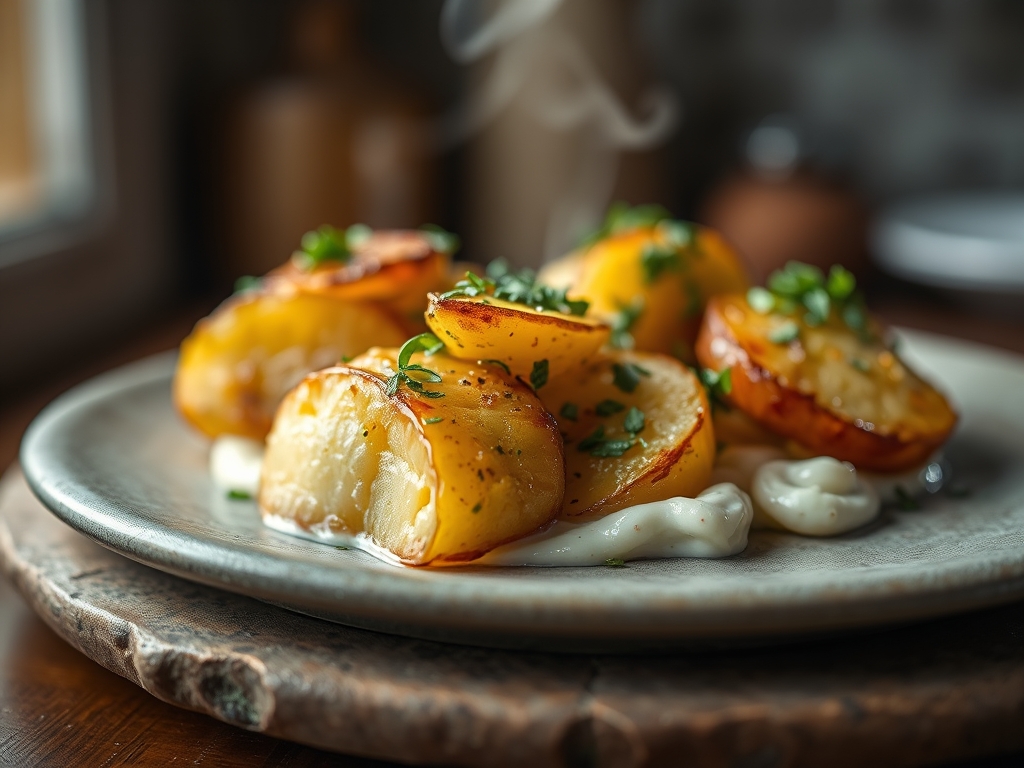
Picture a heavy-bottomed skillet sizzling on a gas flame while the air thickens with the scent of toasted cumin and clarified butter. When you dive into the world of middle eastern potato recipes, you are not just making a side dish; you are engineering a masterpiece of texture and spice. From the crispy edges of Batata Harra to the silky interior of a Levant-style mash, these seven classics redefine the humble tuber through high-heat chemistry and bold, acidic infusions.
The secret to these dishes lies in the starch. Whether we are talking about the waxy bite of a red potato or the fluffy, high-amylose content of a Russet, the Middle East treats the potato as a canvas for intense flavor profiles. We are looking for that perfect Maillard reaction; the chemical dance between amino acids and reducing sugars that creates a golden-brown crust. Grab your chef's knife and a sturdy cutting board. We are about to transform your pantry staples into a vibrant, piquant feast that will make your kitchen smell like a spice market in Beirut.
The Gathers:
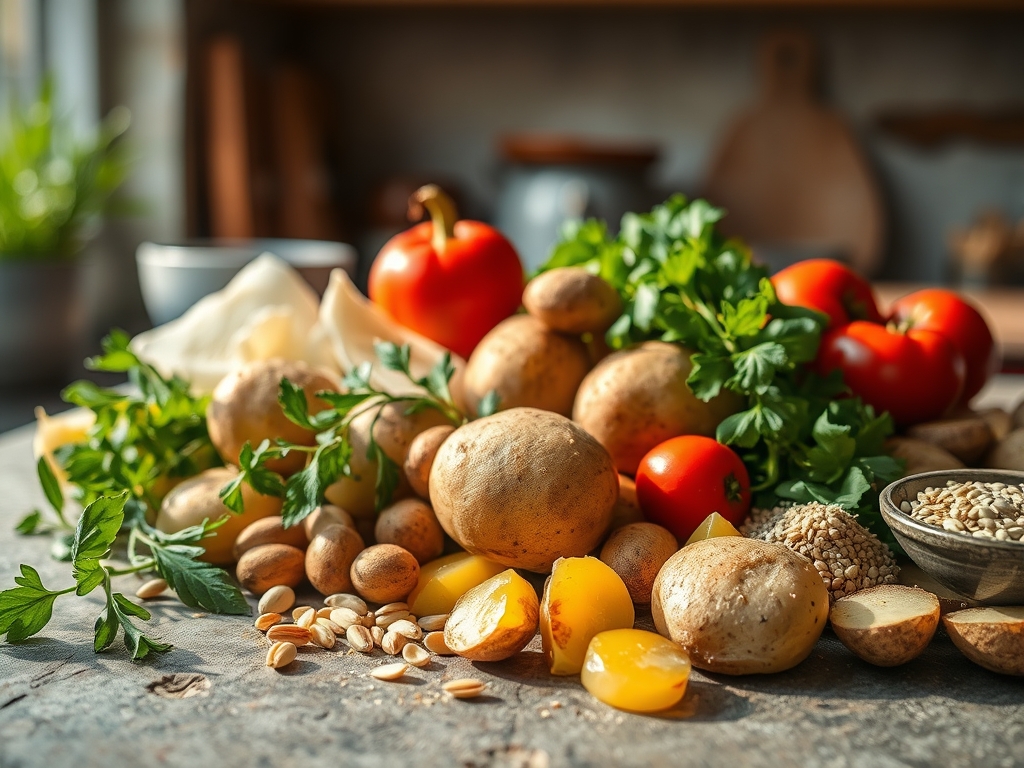
Before we ignite the burners, we must organize our mise-en-place. Accuracy is the soul of consistency, so I recommend using a digital scale for your aromatics. You will need high-starch potatoes (Russets) for frying and waxy varieties (Yukon Gold) for stews. The pantry stars include Aleppo pepper for a mild, fruity heat; sumac for a citrusy, astringent kick; and high-quality extra virgin olive oil to emulsify our sauces.
You will also need a microplane for zesting lemons and grating garlic into a fine paste. This ensures the garlic oils infuse evenly without leaving bitter, burnt chunks in the pan. Have your bench scraper ready to move diced potatoes from the board to the bowl without bruising the flesh.
Smart Substitutions:
If you cannot find Aleppo pepper, a 2:1 mix of sweet paprika and cayenne provides a similar profile. For those avoiding nightshades, firm Japanese yams offer a sweet counterpoint to the savory spices, though the starch-to-sugar ratio will alter the caramelization point. If you lack fresh cilantro, flat-leaf parsley mixed with a pinch of dried coriander can mimic the herbal depth, though the volatile oils will be less pronounced.
The Clock
Efficiency in the kitchen is all about the "Chef's Flow." Total active prep time for these seven classics ranges from 20 to 30 minutes, with cooking times spanning 15 to 45 minutes depending on the specific dish.
To optimize your time, start by parboiling your potatoes in heavily salted water. This pre-gelatinizes the starch on the exterior, which leads to a superior crunch later. While the potatoes simmer, use your saucier to bloom your spices in oil. This extraction process pulls the fat-soluble flavor compounds out of the spices and into the fat, ensuring every bite is seasoned at a molecular level. By the time your potatoes are drained and air-dried, your flavor base is ready for the final sear.
The Masterclass
1. The Batata Harra Sear
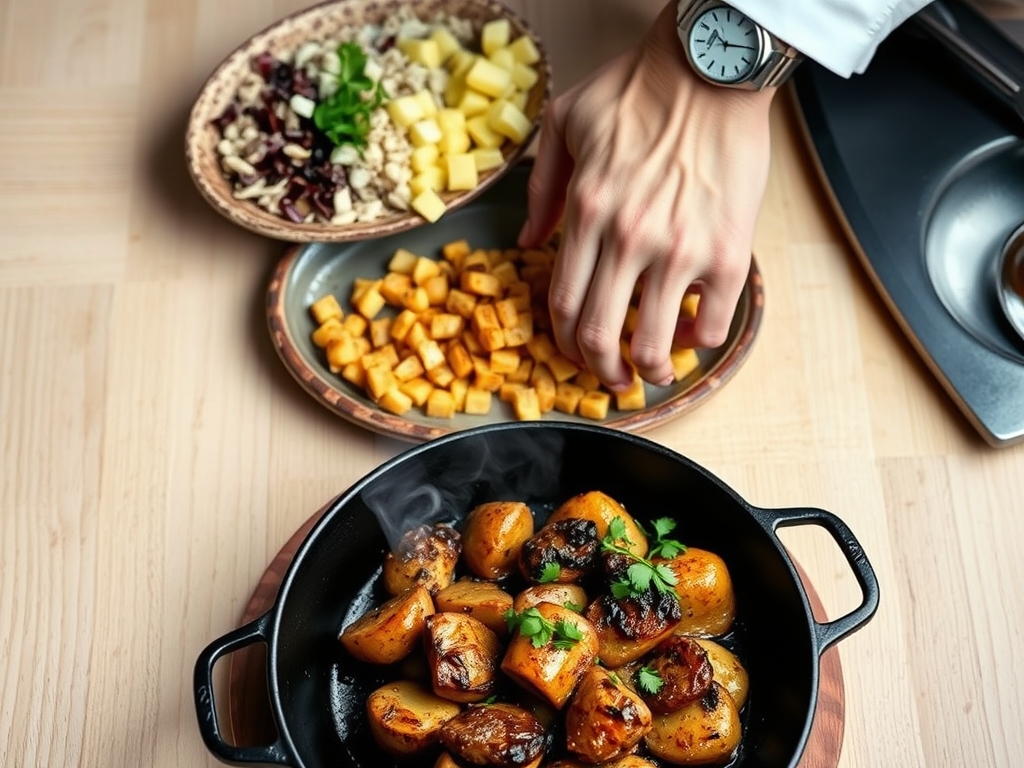
Heat a heavy-bottomed skillet with a high-smoke-point oil. Toss your cubed, parboiled potatoes until a thick crust forms. Add garlic, chili flakes, and cilantro at the very end to prevent the delicate herbs from oxidizing.
Pro Tip: This relies on thermal carryover. Remove the potatoes from the heat just before they reach your desired darkness; the internal heat will continue to cook the starch for several minutes.
2. The Sumac Infusion
For roasted varieties, toss the tubers in a mixture of olive oil and sumac. The sumac provides an acidic brightness that cuts through the density of the potato starch.
Pro Tip: Sumac contains organic acids that can inhibit the softening of pectin. If you want a softer interior, add the sumac halfway through the roasting process.
3. The Garlic-Lemon Emulsification
When making Lebanese garlic potatoes, you must create a stable emulsion. Slowly whisk lemon juice and olive oil into your hot potatoes until the liquid becomes viscous and coats each piece.
Pro Tip: Use a wooden spoon to slightly crush a few potato edges. The released starch acts as a natural emulsifier, binding the oil and lemon juice together.
4. The Whipped Moussaka Layer
For potato-based moussaka, slice potatoes into thin rounds and fry them lightly before layering. This creates a structural barrier that prevents the vegetable juices from making the dish soggy.
Pro Tip: This process is called "sealing." By frying the exterior, you create a hydrophobic layer that resists moisture absorption from the meat sauce.
5. The Saffron Bloom
In Persian-style potato dishes, bloom saffron in warm water before drizzling it over the potatoes. The crocin in saffron is water-soluble and provides that iconic golden hue.
Pro Tip: Avoid boiling the saffron water. Excessive heat destroys the volatile aromatic compounds, leaving you with color but no flavor.
6. The Cumin Tempering
For Egyptian-style potatoes, toast whole cumin seeds in a dry pan until they become fragrant, then grind them. This releases the oils more effectively than using pre-ground powder.
Pro Tip: This is known as the "Maillard reaction of spices." Toasting creates new flavor molecules that are more complex and earthy.
7. The Tahini Drizzle
Finish your roasted potatoes with a drizzle of nutty tahini. The fats in the sesame paste provide a rich mouthfeel that balances the piquant spices.
Pro Tip: If your tahini seizes when adding lemon juice, simply add a teaspoon of warm water and whisk vigorously to re-emulsify the fats.
The Deep Dive
Macro Nutrition: Potatoes are naturally fat-free and high in potassium and Vitamin C. Most of the caloric density in these recipes comes from the healthy fats in olive oil and tahini. A standard serving provides roughly 250 calories, with 35g of complex carbohydrates and 4g of fiber.
Dietary Swaps: To keep these recipes Keto, swap the potatoes for cauliflower florets; the roasting times will decrease by half. For a Vegan approach, ensure you use oil or vegan butter instead of ghee. All these recipes are naturally Gluten-Free, making them perfect for sensitive palates.
The Fix-It:
- Soggy Potatoes: Usually caused by overcrowding the pan. This creates steam instead of a sear. Solution: Cook in smaller batches to allow moisture to escape.
- Bitter Garlic: This happens when garlic is scorched. Fix: Add a splash of water or lemon juice to the pan immediately to drop the temperature and stop the cooking.
- Bland Interior: This occurs when the water wasn't salted enough during parboiling. Fix: Toss the finished potatoes in a fine sea salt or a dash of soy sauce for an umami boost.
Meal Prep: To maintain "day-one" quality, reheat your potatoes in an air fryer or a hot oven at 400 degrees Fahrenheit. Avoid the microwave, as it vibrates water molecules and turns the crispy starch into a gummy mess.
The Wrap-Up
Mastering middle eastern potato recipes is about more than just following a list of ingredients; it is about understanding how heat, acid, and fat interact to elevate a simple root vegetable. Whether you are serving a crowd or just treating yourself to a solo feast, these techniques ensure a professional result every time. Go ahead, get that skillet screaming hot, and let the spices do the talking. Your kitchen is now a laboratory of flavor.
The Kitchen Table
Can I make these recipes ahead of time?
Yes, you can parboil and chop the potatoes up to 24 hours in advance. Store them in an airtight container in the fridge. This actually helps the starch crystallize, resulting in a crispier exterior when you finally fry them.
What is the best potato for Batata Harra?
Russet potatoes are ideal because their high starch content creates the crunchiest crust. However, Yukon Golds are a fantastic secondary choice if you prefer a creamier, more buttery interior texture that holds its shape well during high-heat sautéing.
Why is my garlic sauce separating?
Separation occurs when the oil is added too quickly or the temperature is too high. To fix it, whisk in a teaspoon of cold water or an egg yolk to help re-bind the fat and acid into a smooth, viscous sauce.
How do I get the brightest yellow color?
For that vibrant glow, use a combination of turmeric and saffron. Turmeric provides a deep, earthy base color, while saffron adds a brilliant, sophisticated golden hue and a floral aroma that defines authentic Middle Eastern cuisine.