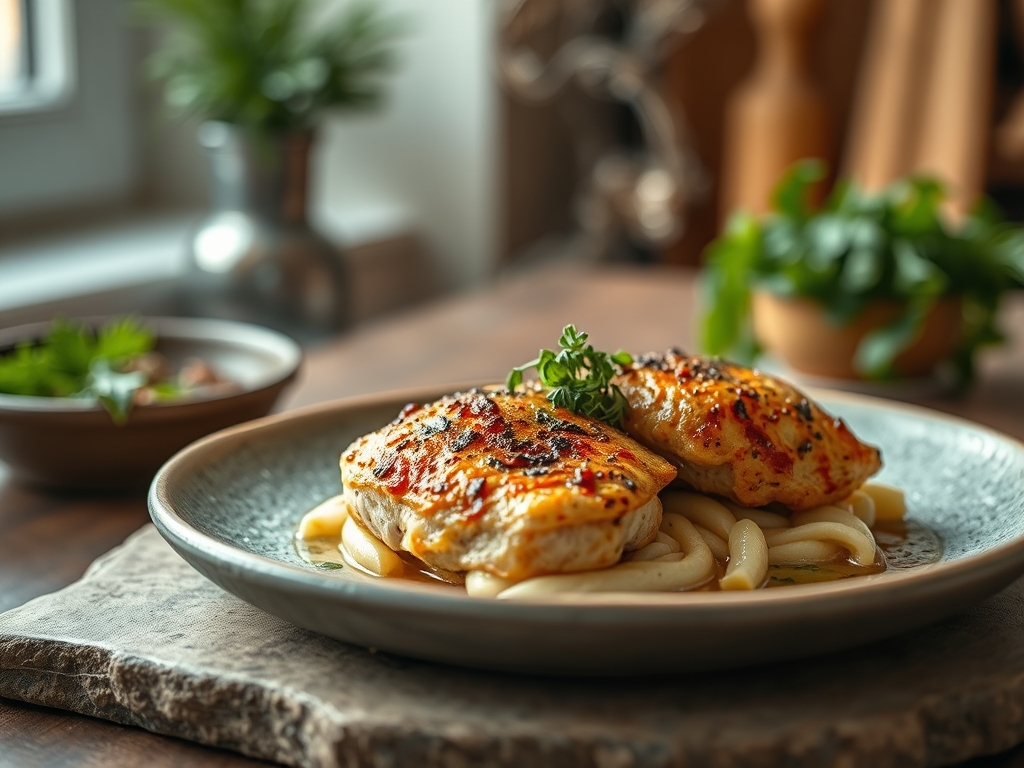
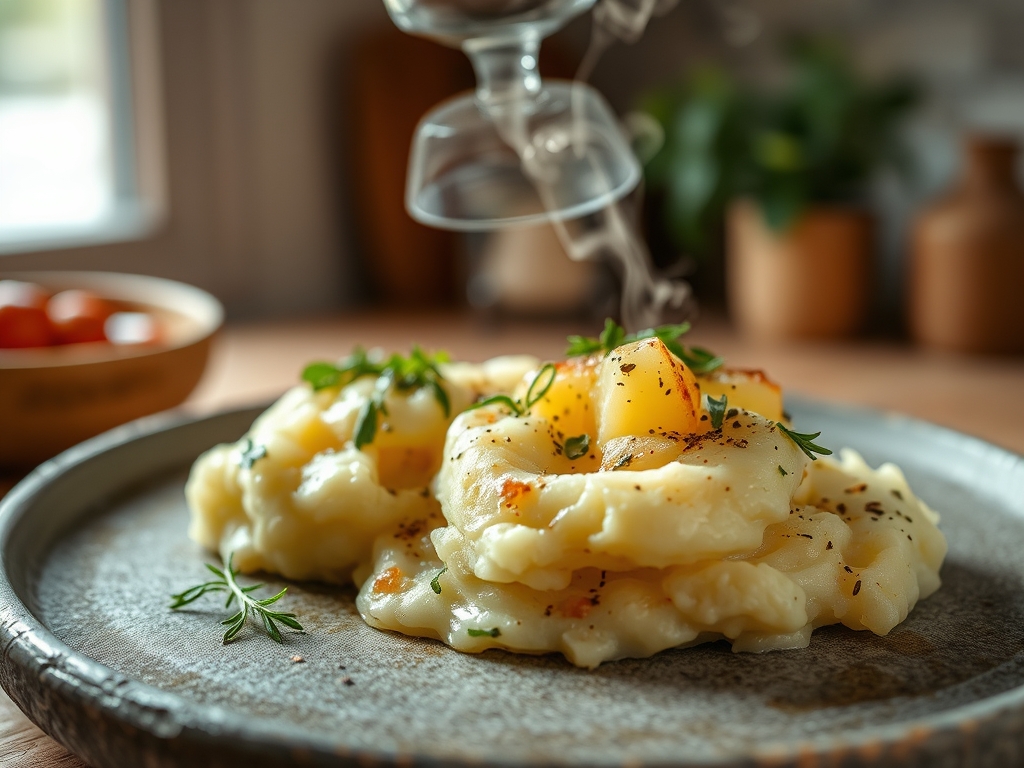
Imagine a cloud of steam rising from a heavy bottomed pot, carrying the scent of earthy starch and melted lipids. We are not just making dinner; we are engineering the ultimate comfort food. Finding unique mashed potato recipes is about more than just butter. It is about the intersection of cellular structure and flavor chemistry.
Most people treat the potato as a humble background player, but we are going to treat it like a canvas for molecular transformation. We are talking about textures that range from velvet silk to rustic, smashed gold. Whether you are hosting a high stakes holiday dinner or just want to elevate a Tuesday night protein, these upgrades turn a side dish into the main event. We are going to manipulate starch granules, master the art of the emulsion, and use piquant infusions to wake up your palate. Forget everything you know about the grainy, bland spuds of the past. We are entering the world of professional grade mash where every bite is a calculated balance of salt, fat, and acidity.
The Gathers:
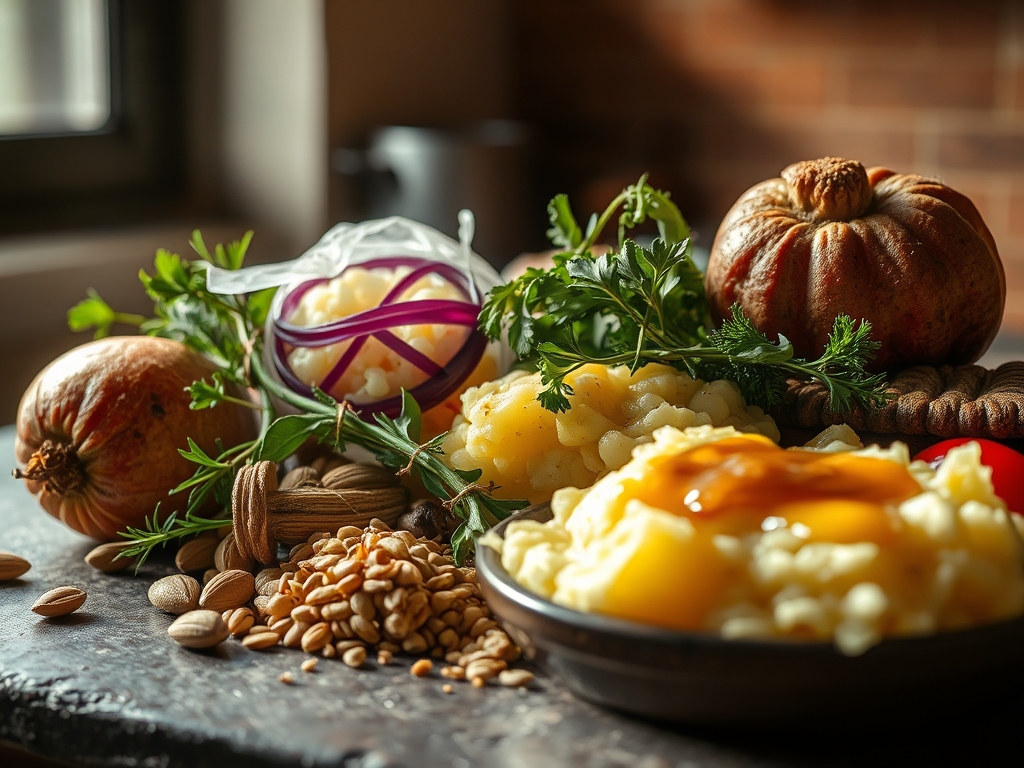
To execute these unique mashed potato recipes, your mise en place must be precise. Start with high starch tubers like Russets for fluffiness or waxy Yukon Golds for a buttery, viscous finish. You will need high quality fats: European style butter with at least 82 percent butterfat, heavy cream, and perhaps some mascarpone for a lactic tang.
For the "Smart Substitutions," consider using parsnips or celery root for a lower glycemic index and an herbaceous aromatic profile. If you lack a traditional masher, a bench scraper can be used to break down the tubers on a flat surface, though a food mill or ricer is preferred for a lump free texture. Keep a microplane handy for grating fresh nutmeg or hard cheeses like Pecorino Romano. For the liquid component, keep a saucier on the burner to warm your cream; adding cold dairy to hot potatoes shocks the starch and creates a gummy consistency.
The Clock
Efficiency in the kitchen is about "Chef's Flow." Expect a total active time of 20 minutes with a passive simmer time of 25 minutes. The secret to timing is starting your potatoes in cold, salted water. This ensures the exterior does not disintegrate before the core reaches the ideal 210 degrees Fahrenheit. While the potatoes simmer, use that window to infuse your fats. This is when you steep garlic cloves, rosemary, or even miso paste into your butter. By the time the potatoes are fork tender, your flavor base is concentrated and ready for integration.
The Masterclass
1. The Cold Start Simmer
Place your peeled and cubed potatoes into a pot of cold, heavily salted water. Starting cold allows the heat to penetrate the starch granules evenly from the outside in.
Pro Tip: This prevents the "sloughing" effect where the outside becomes mushy while the inside remains raw. It ensures a uniform gelatinization of starch.
2. The Steam Dry Phase
Once drained, return the potatoes to the hot pot for two minutes over low heat. Shake the pot vigorously to evaporate excess moisture.
Pro Tip: Removing residual water is crucial because it creates space within the potato cells to absorb fat instead of water, leading to a richer mouthfeel.
3. The Precision Breakdown
Pass the potatoes through a ricer or food mill into a warm bowl. Avoid using a food processor, as the high speed blades will shear the starch molecules and turn your mash into glue.
Pro Tip: Mechanical shearing releases amylopectin, which creates a sticky, elastic texture that is undesirable in a fluffy mash.
4. The Fat First Rule
Incorporate your room temperature butter before adding any liquid. Stir gently with a silicone spatula until the fat coats the starch.
Pro Tip: Coating the starch in fat before adding moisture creates a lipid barrier that prevents the potatoes from becoming gummy when the cream is added.
5. The Warm Infusion
Slowly fold in your warm, infused cream or milk from the saucier. Add it in three stages, allowing the potatoes to fully absorb the liquid before adding more.
Pro Tip: This gradual integration maintains the emulsion, ensuring the fat and water phases stay bonded for a glossy finish.
6. The Umami Boost (Miso & Brown Butter)
Whisk in two tablespoons of white miso and brown butter that has been rendered until the milk solids are toasted and nutty.
Pro Tip: The Maillard reaction in the brown butter provides complex aromatic compounds that bridge the gap between salty and savory.
7. The Acid Brightener
Fold in a teaspoon of lemon juice or a dollop of creme fraiche at the very end.
Pro Tip: Acidity cuts through the heavy lipid profile, lifting the flavors and making the dish feel less "heavy" on the palate.
8. The Aeration Fold
Use a whisk to gently aerate the mixture for thirty seconds. This incorporates tiny air bubbles for a souffle like lightness.
Pro Tip: Over whisking will ruin the texture, but a quick whip adds volume and improves the "melt in your mouth" sensation.
9. The Herbaceous Finish
Finely mince chives or tarragon and fold them in just before serving. Use a digital scale to ensure consistent seasoning.
Pro Tip: Adding herbs at the end prevents them from wilting or losing their volatile oils to the heat of the potatoes.
10. The Final Seasoning Check
Taste for salt and white pepper. White pepper is preferred here to maintain a pristine, ivory aesthetic without black specks.
Pro Tip: Thermal carryover will continue to cook the potatoes slightly even after they are plated, so season slightly more than you think is necessary.
The Deep Dive
Macro Nutrition: A standard serving provides approximately 220 calories, dominated by complex carbohydrates and healthy fats. To boost protein, consider folding in Greek yogurt.
Dietary Swaps: For a Vegan version, substitute butter with a high quality olive oil and use cashew cream for thickness. For Keto enthusiasts, replace 50 percent of the potatoes with steamed cauliflower to reduce the net carb count without sacrificing the creamy texture. All potatoes are naturally Gluten Free, but ensure your bouillon or flavor additives are certified.
The Fix-It:
- Gummy Texture: You overworked the starch. Fix it by spreading the mash in a baking dish, topping with cheese, and turning it into a gratin. The crust hides the texture.
- Too Salty: Fold in more plain mashed potatoes or a spoonful of unsalted sour cream to dilute the sodium concentration.
- Cold Mash: Never microwave on high. Use a double boiler method to gently bring the temperature back up without breaking the emulsion.
Meal Prep: To reheat and maintain "day one" quality, add a splash of milk and heat in a covered pot over low heat. The steam will rehydrate the starches without drying out the edges.
The Wrap-Up
Mastering unique mashed potato recipes is a superpower that elevates every meal from basic to brilliant. By focusing on the science of starch and the art of the infusion, you have transformed a simple root vegetable into a culinary masterpiece. Remember to respect the temperature, treat your fats with love, and never, ever use a blender. Now, go forth and whip up something spectacular; your dinner guests are not going to know what hit them!
The Kitchen Table
Why are my mashed potatoes gummy?
Gummy potatoes happen when starch granules are ruptured by over mixing or using a food processor. This releases excess amylopectin. To avoid this, use a ricer and fold ingredients gently with a spatula rather than whipping them aggressively.
Can I make mashed potatoes ahead of time?
Yes, you can prepare them up to two days in advance. Store them in an airtight container. When reheating, use a double boiler and add a splash of warm cream to restore the original silky texture and moisture.
What is the best potato for mashing?
Yukon Golds are the gold standard for a creamy, buttery mash due to their middle of the road starch content. Russets are better if you want a very light, fluffy, and airy texture that absorbs lots of butter.
How do I fix bland potatoes?
Blandness usually stems from a lack of salt or acidity. Add salt in small increments and a teaspoon of lemon juice or apple cider vinegar. The acid acts as a flavor enhancer, making the potato taste more like itself.