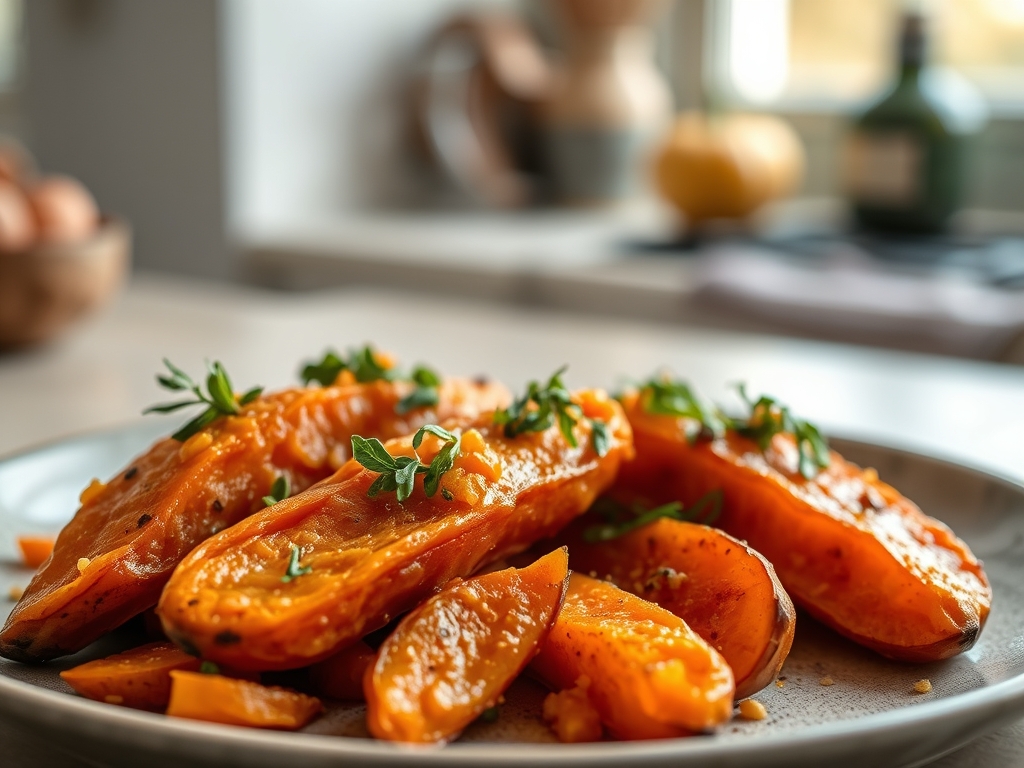
Crisp air and the smell of woodsmoke mean it is officially the season of the tuber. When we talk about fall sweet potato recipes, we are looking for more than just a side dish; we want a transformation of starch into silk. There is a specific magic that happens when a garnet yam hits a hot oven. The natural sugars begin to migrate toward the skin, creating a sticky, caramelized crust that smells like toasted marshmallows and earth. It is the ultimate culinary hug.
To get that perfect result, you have to understand that sweet potatoes are not just orange potatoes. They are complex biological units packed with amylase enzymes. When we roast them, we are essentially performing a slow-motion chemistry experiment. We are aiming for that glorious Maillard reaction where amino acids and reducing sugars dance together to create hundreds of new flavor compounds. Whether you are hosting a festive dinner or just need a Tuesday night win, mastering these six roasts will change your autumn kitchen game forever. We are moving beyond the marshmallow-topped casseroles of the past and stepping into a world of sophisticated, savory, and deeply sweet profiles that celebrate the harvest.
The Gathers:
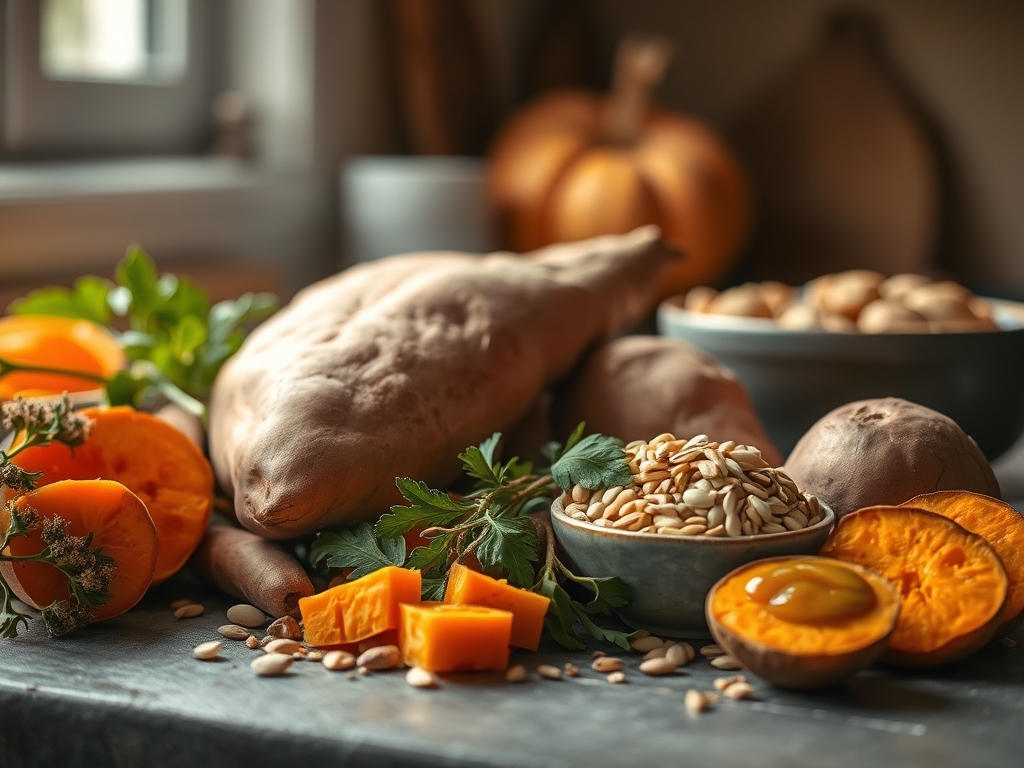
Setting up your station is about more than just convenience; it is about controlling the variables of heat and moisture. You will need a digital scale to ensure your potatoes are uniform in weight, which guarantees they cross the finish line at the same time. Gather your high-smoke-point fats like avocado oil or clarified butter. Avoid extra virgin olive oil for high-heat roasting as its solids will scorch and turn bitter.
For the aromatics, reach for woody herbs like rosemary and thyme. These contain volatile oils that can withstand the intense environment of a 425-degree oven. You will also need a microplane for zesting citrus and grating fresh nutmeg, which provides a piquant contrast to the dense sweetness of the starch.
Smart Substitutions:
If you cannot find jewel or garnet yams, Japanese sweet potatoes (Satsuma-imo) offer a chestnut-like flavor and a starchy, dry texture that is incredible for roasting. For a vegan fat swap, use refined coconut oil; it provides a viscous mouthfeel similar to animal fats without the tropical scent. If you lack maple syrup, a dark agave or a simple syrup infused with star anise will provide that necessary sugar hit to kickstart caramelization.
The Clock
Efficiency in the kitchen is what separates a stressed cook from a culinary artist. I call this the Chef's Flow. Your total active prep time is 20 minutes, but the oven does the heavy lifting for about 45 to 55 minutes.
Start by preheating your oven with the sheet pans inside. This creates an immediate sear the moment the potatoes touch the metal. While the oven climbs to temperature, use a bench scraper to clear your board as you chop. This keeps your workspace clean and your mind focused. By the time the timer dings, your kitchen will be filled with the scent of browning sugars, and you will have had plenty of time to whisk together a tahini drizzle or a spicy herb oil.
The Masterclass
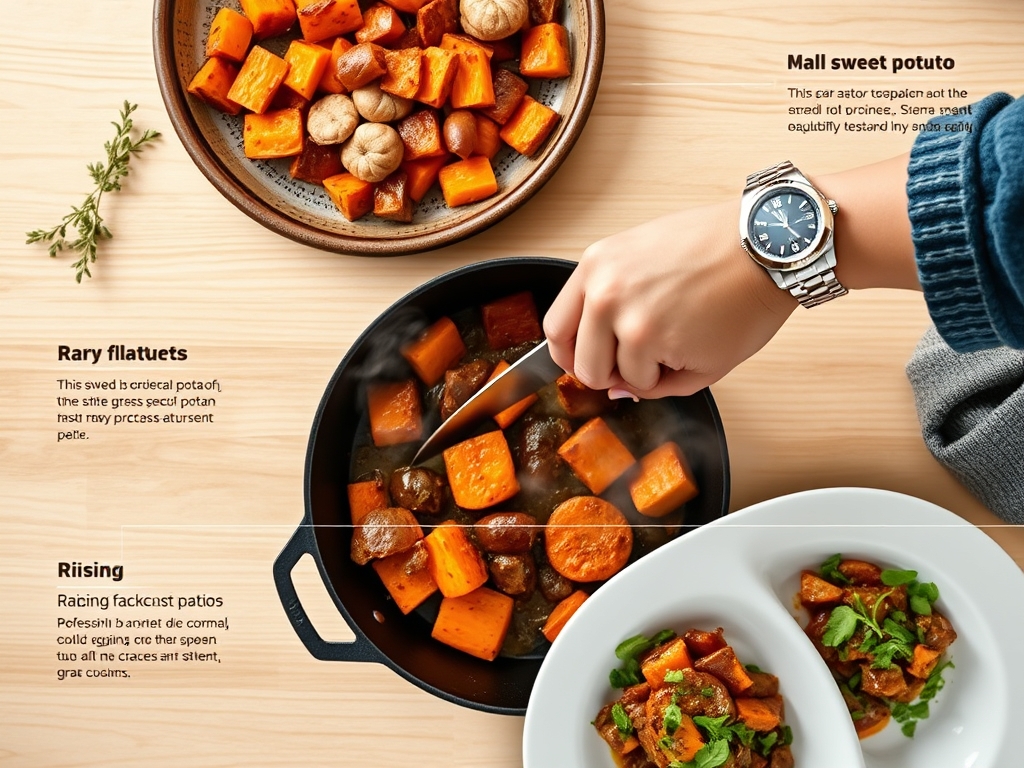
1. The Precision Slice
Uniformity is your best friend. Use a sharp chef's knife or a mandoline to cut your potatoes into even rounds or wedges. Aim for a thickness of three-quarters of an inch. This ensures the exterior has enough time to crisp before the interior turns to mush.
Pro Tip: This prevents enzymatic browning. If you are prepping ahead, submerge your cuts in cold water to prevent oxidation, but make sure to pat them bone-dry before roasting so they do not steam.
2. The Fat Emulsification
Place your dry potatoes in a large bowl and pour over your chosen fat. Use your hands to massage the oil into every crevice. You want a thin, even coating that acts as a heat conductor. Sprinkle with kosher salt from a height to ensure even distribution.
Pro Tip: Salt draws out moisture through osmosis. By salting right before they hit the heat, you create a slight brine on the surface that helps the skin crisp up into a shatter-tight crust.
3. The High-Heat Impact
Arrange the potatoes on your preheated heavy-duty sheet pan. You should hear a distinct sizzle. Do not crowd the pan; if the potatoes are touching, they will trap steam and become soggy. Give them at least an inch of breathing room.
Pro Tip: This utilizes conductive heat. The direct contact with the hot metal initiates the Maillard reaction instantly, locking in the internal moisture while browning the base.
4. The Mid-Point Agitation
Halfway through the roasting time, use tongs to flip each piece. This is the moment to add your hard herbs or whole garlic cloves. The fat on the pan has now been rendered and infused with potato essence, making it the perfect medium for frying the herbs.
Pro Tip: Watch for thermal carryover. Potatoes continue to cook for several minutes after leaving the oven. Pull them when they look slightly less dark than your desired final result.
5. The Glaze Infusion
For the final five minutes, brush on any sugary glazes like maple or honey. If you add these too early, the sugars will burn before the potato is soft. This late-stage application allows the glaze to become viscous and tacky without carbonizing.
Pro Tip: This is caramelization in its purest form. The high heat breaks down complex carbohydrates into simple sugars, creating that signature fall sweetness we crave.
6. The Aeration Rest
Slide the potatoes off the hot pan and onto a cooling rack or a room-temperature platter immediately. If they sit on the hot pan, the bottoms will continue to cook and potentially scorch, ruining the delicate balance of flavors.
Pro Tip: Resting allows the internal starches to gelatinize and set. This ensures that when you bite in, the center is creamy and stable rather than watery.
The Deep Dive
When we look at the macro profile, sweet potatoes are a powerhouse of complex carbohydrates and beta-carotene. They provide sustained energy without the glucose spikes associated with refined flours. To keep this keto-friendly, focus on smaller portions and pair them with high-protein elements like roasted pecans or a dollop of Greek yogurt. For a vegan version, a drizzle of cashew cream provides the necessary fat to carry the fat-soluble vitamins.
The Fix-It:
If your potatoes are mushy, your oven temperature was likely too low; crank it to 425F next time. If they are burnt on the outside but raw inside, your pieces were too thick; aim for smaller cuts. If they lack flavor, you likely under-salted; salt is the "volume knob" for all other flavors.
Meal Prep:
To reheat while maintaining "day-one" quality, avoid the microwave. The microwave agitates water molecules, making the potato rubbery. Instead, use an air fryer or a heavy-bottomed skillet over medium heat to recrisp the exterior while gently warming the core.
The Wrap-Up
Mastering fall sweet potato recipes is a rite of passage for any home cook who loves the transition into cooler months. By focusing on the science of heat and the precision of your tools, you turn a humble root vegetable into a gourmet experience. Remember to watch your temperatures, give your veggies space to breathe, and never skip the resting phase. Now, go grab your favorite apron and let the scent of roasting autumn fill your home.
The Kitchen Table
Why are my roasted sweet potatoes soggy?
Sogginess usually happens because the pan was overcrowded. When potatoes are too close, they release steam that gets trapped. This steams the vegetables instead of roasting them. Always leave at least an inch of space between each piece for airflow.
Do I need to peel sweet potatoes before roasting?
Peeling is optional but keeping the skin on adds texture and fiber. The skin also acts as a barrier that helps the potato hold its shape. If you keep the skin, just ensure you scrub it thoroughly to remove any grit.
What is the best temperature for roasting?
The sweet spot is 425 degrees Fahrenheit. This high heat is essential for triggering the Maillard reaction and caramelizing the natural sugars. Lower temperatures will cook the interior but leave the outside pale and limp rather than crisp and golden.
How do I stop my maple glaze from burning?
Sugar burns quickly at high temperatures. To prevent a bitter, charred mess, apply your maple syrup or honey glaze during the last five to ten minutes of roasting. This allows the glaze to thicken and adhere without reaching its smoke point.