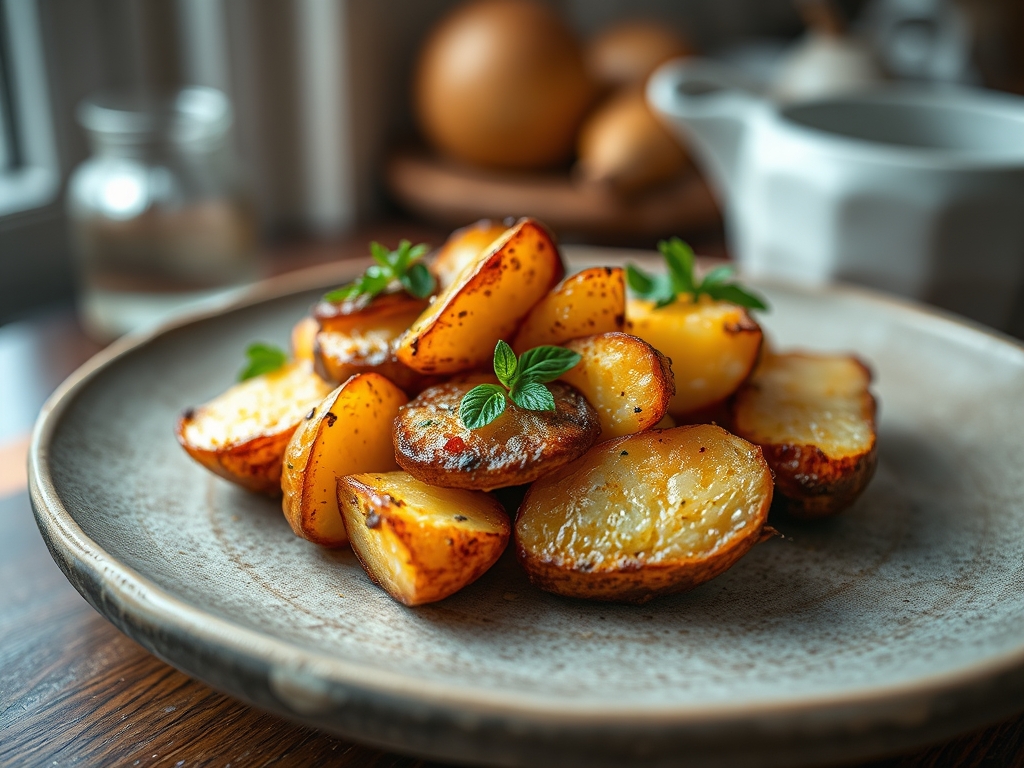
Close your eyes and listen for that specific, high-frequency sizzle that only happens when a starch meets a shimmering layer of fat. We are not just making lunch; we are engineering the perfect bite. If you have been searching for pan potato recipes that actually deliver on the promise of a glass-like crust and a fluffy, cloud-like interior, you have finally arrived. Most home cooks fail because they treat the potato like a passive vegetable, but we are going to treat it like a scientific subject. We are manipulating amylose levels and surface area to create a culinary masterpiece that shatters upon impact.
The Gathers:
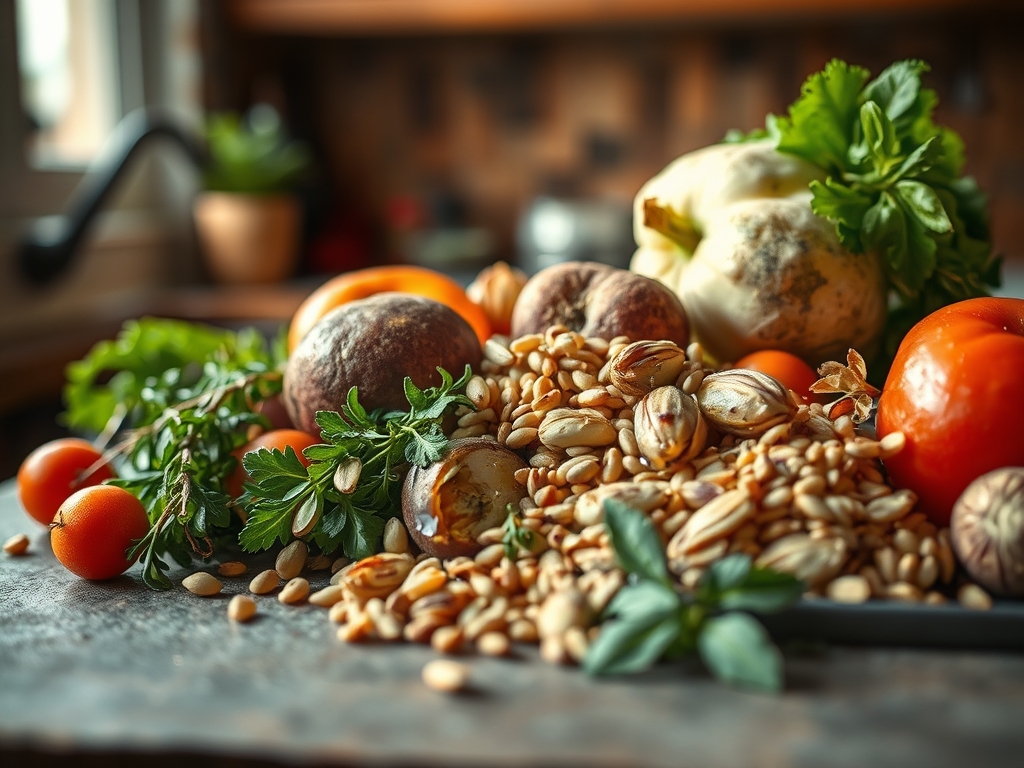
To achieve elite status, your mise-en-place must be precise. Start with high-starch Russets or buttery Yukon Golds; the former offers the best crunch due to high solids, while the latter provides a luxurious, waxy mouthfeel. You will need a high-quality fat with a high smoke point, such as clarified butter (ghee) or duck fat, to ensure the Maillard reaction occurs without the bitter notes of burnt milk solids.
Gather your heavy-bottomed skillet, preferably cast iron or carbon steel, to ensure even heat distribution. You will also need a digital scale for uniform sizing, a bench scraper to move your spuds without bruising the delicate starch, and a microplane for finishing with fresh garlic or hard cheeses.
Smart Substitutions: If you are avoiding animal fats, avocado oil provides the necessary thermal stability. For a flavor boost without the moisture of fresh onions, use toasted onion powder or nutritional yeast to add a piquant umami depth.
The Clock:
Mastering the "Chef's Flow" is about overlapping tasks to minimize downtime. Expect a total commitment of 45 minutes.
- Prep (15 mins): Peeling, dicing, and the crucial "starch wash."
- The Parboil (8 mins): Pre-gelatinizing the exterior starch.
- The Render (15-20 mins): The actual pan-frying where the magic happens.
- The Rest (2 mins): Allowing the internal steam to stabilize so the crust stays rigid.
The Masterclass:
1. The Precision Dice
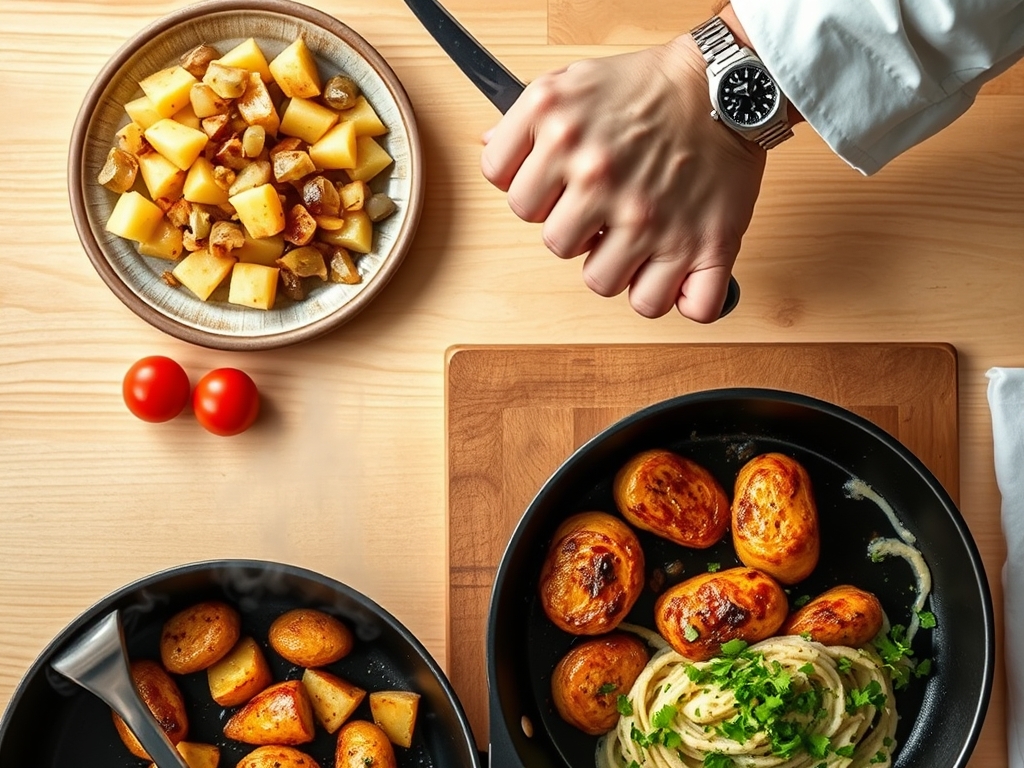
Uniformity is not just for aesthetics; it ensures every piece finishes at the exact same micro-second. Use a sharp chef knife to create 3/4-inch cubes. Use your bench scraper to clear the board efficiently.
Pro Tip: Uniformity prevents smaller pieces from carbonizing while larger ones remain raw. This is known as thermal equilibrium.
2. The Alkaline Parboil
Drop your cubes into boiling water spiked with half a teaspoon of baking soda. This breaks down the pectin on the surface, creating a starchy "slurry" that will eventually fry into a thick crust.
Pro Tip: The alkaline environment accelerates the breakdown of cell walls, increasing the surface area for the Maillard reaction to take hold later.
3. The Rough-Up
Drain the potatoes and give them a vigorous shake in the pot. You want the edges to look fuzzy and mashed. This creates "micro-crags" that trap fat.
Pro Tip: Increasing the surface-area-to-volume ratio allows for more contact with the hot oil, resulting in a more audible "crunch."
4. The Fat Infusion
Heat your heavy-bottomed skillet until the fat is viscous and shimmering. Do not crowd the pan. If you hear the sizzle drop in pitch, you have added too many potatoes and are now steaming them.
Pro Tip: Crowding the pan causes a temperature drop that leads to oil absorption rather than searing, making the potatoes greasy.
5. The No-Touch Zone
Once the potatoes hit the pan, leave them alone for at least five minutes. Resist the urge to stir. You are waiting for the proteins and sugars to bond.
Pro Tip: This stage relies on conduction. Moving the potatoes too early tears the developing crust before it can release naturally from the metal.
6. The Aerate Flip
Use tongs or a metal spatula to flip the potatoes once the bottom is golden. You want to aerate the pan by tossing them slightly, ensuring the hot fat coats every new surface.
Pro Tip: Aeration prevents the buildup of localized steam, which can soften the crust you just worked so hard to build.
7. The Aromatics Deglaze
In the final three minutes, add smashed garlic and rosemary. The water content in the herbs will slightly deglaze the flavorful brown bits (fond) from the bottom of the pan and stick them to the potatoes.
Pro Tip: Adding aromatics too early leads to enzymatic browning turning into burnt bitterness. Always add them during the final descent.
8. The Fat Render Drain
Tilt the pan and use a spoon to baste the potatoes in the flavored fat, then move them to a wire rack rather than a paper towel.
Pro Tip: A wire rack allows air to circulate under the potato, preventing "steam-back" which happens when a hot potato sits on a flat surface.
9. The Finishing Acid
Just before serving, use a microplane to zest a bit of lemon over the top or a tiny splash of malt vinegar.
Pro Tip: Bright acidity cuts through the viscous lipids, balancing the palate and highlighting the earthy notes of the potato.
The Deep Dive:
Macro Nutrition: A standard serving provides approximately 220 calories, 35g of carbohydrates, and 8g of healthy fats (if using olive or avocado oil). Potatoes are surprisingly high in Vitamin C and potassium, making them an excellent recovery fuel.
Dietary Swaps:
- Vegan: Use refined coconut oil or avocado oil for that high-heat sear.
- Keto: Swap potatoes for daikon radish or cauliflower florets using the same "rough-up" technique.
- GF: Naturally gluten-free, but ensure your spices are not bulked with flour.
The Fix-It:
- Soggy Potatoes: Usually caused by skipping the parboil or crowding the pan. Fix it by cranking the heat for the last two minutes.
- Burnt Outside/Raw Inside: Your heat was too high. Next time, lower the flame and use a lid for the first 4 minutes to trap steam, then remove to crisp.
- Sticking to Pan: The pan wasn't hot enough before adding the fat. Always pre-heat the dry pan first.
Meal Prep: To reheat, avoid the microwave at all costs. Use an air fryer at 400F for 4 minutes or a dry skillet. This re-activates the fats and drives out any moisture that migrated to the crust during refrigeration.
The Wrap-Up:
You are now armed with the chemical secrets to the ultimate pan potato recipes. Remember, cooking is just delicious physics. By controlling the starch, the pH of your water, and the surface tension of your fats, you have graduated from a recipe-follower to a kitchen scientist. Now, go grab that cast iron and make some noise!
The Kitchen Table:
Why are my pan-fried potatoes mushy?
Mushy potatoes usually result from overcrowding the pan or skipping the drying phase. When cubes are too close, they trap steam instead of venting it. This moisture softens the starch, preventing the Maillard reaction from forming a rigid, crispy crust.
Should I peel potatoes before frying?
Peeling is a preference, but for maximum crunch, removing the skin is best. Peeling allows the alkaline parboil to create a starchy slurry on the entire surface, which eventually fries into a thick, glass-like exterior that skins often prevent.
What is the best oil for pan potato recipes?
Use fats with high smoke points like ghee, duck fat, or avocado oil. These can withstand the 400F+ temperatures required for searing without breaking down into acrid smoke. Avoid extra virgin olive oil or butter for the primary frying stage.
Why add baking soda to the boiling water?
Baking soda raises the pH of the water, which breaks down the potato's pectin more effectively. This creates a fuzzy, starchy surface on the potato cubes. Once fried, this extra surface area transforms into a deeply crunched, golden-brown crust.