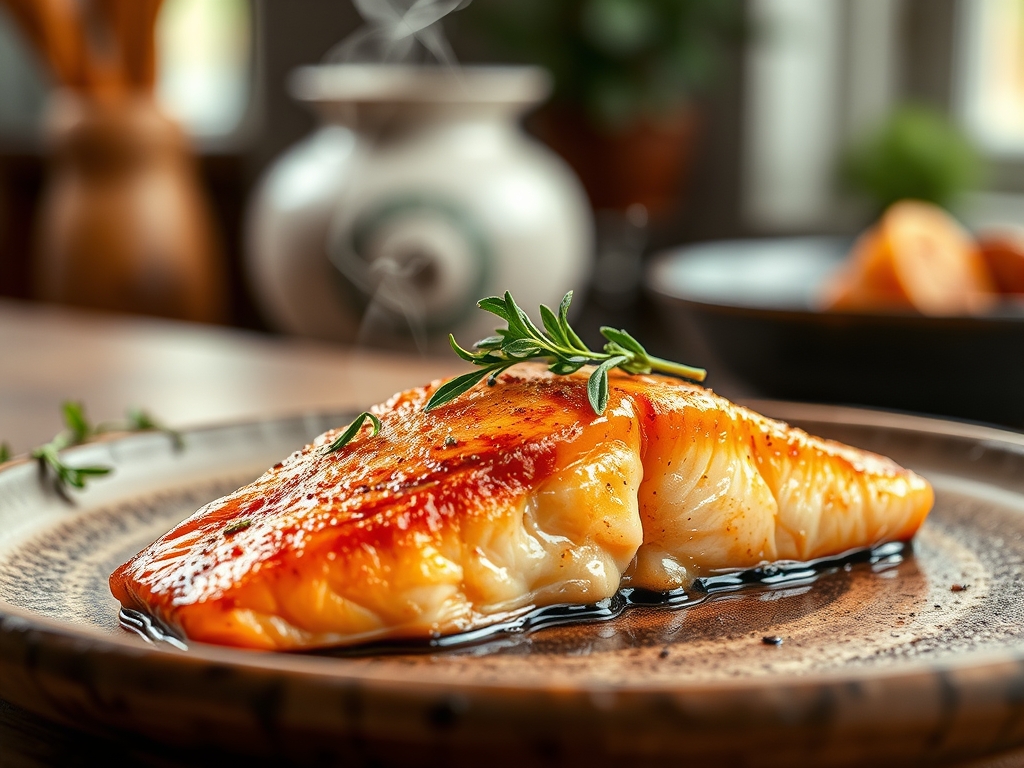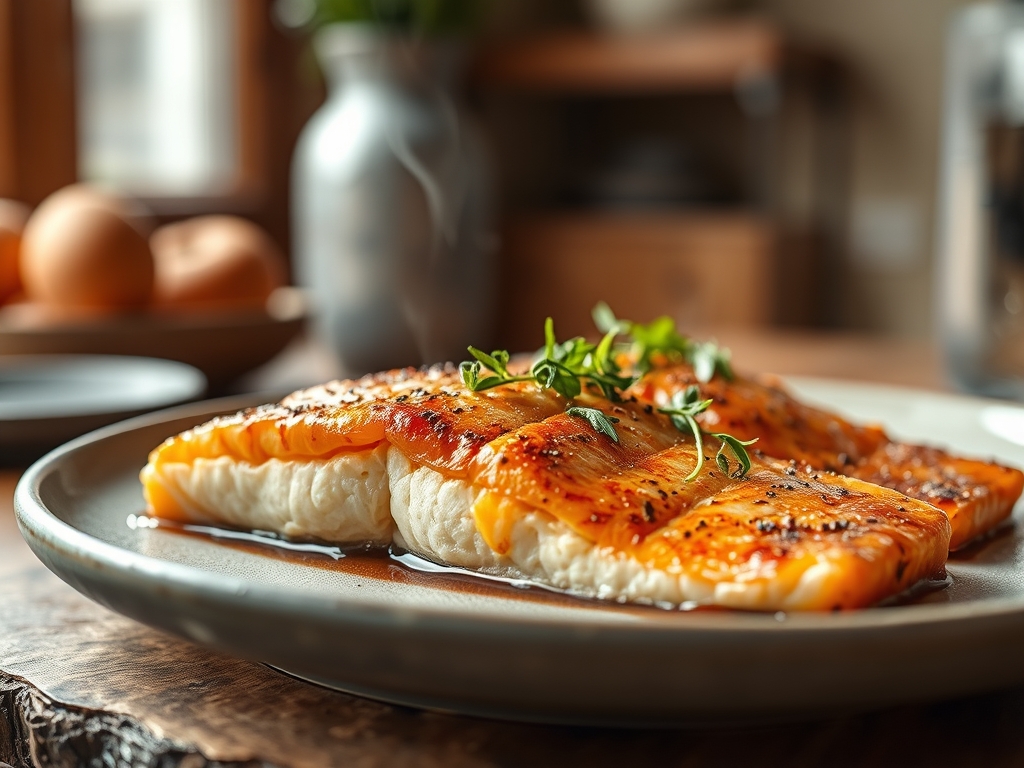
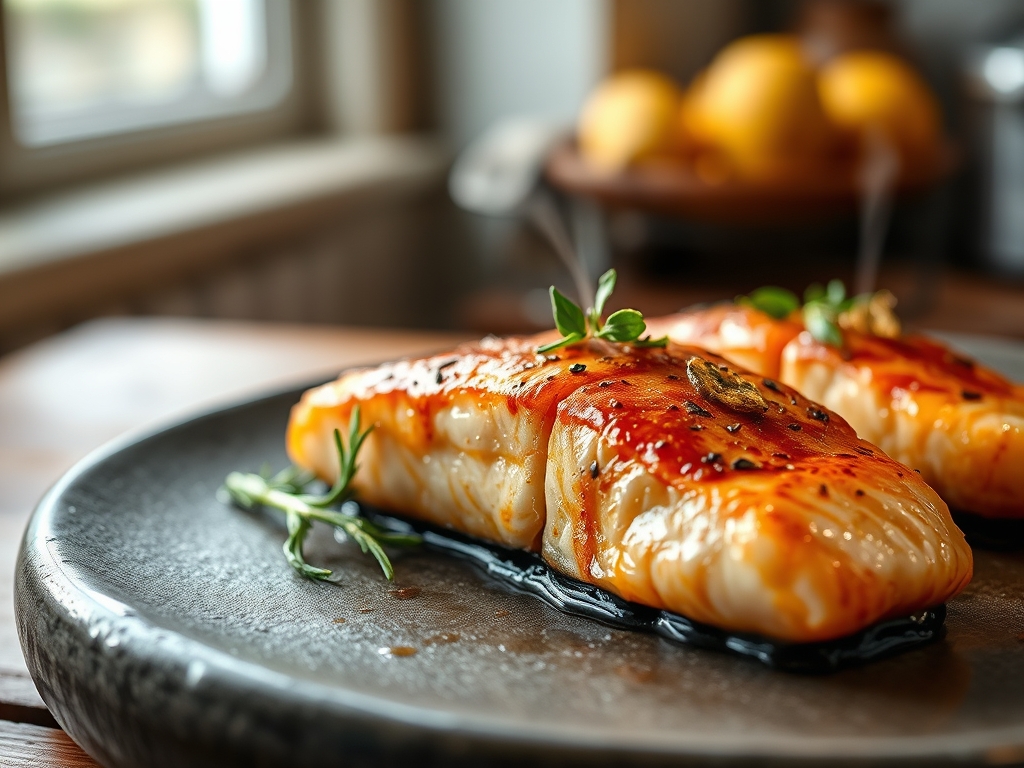
Imagine the sound of a cold, heavy-bottomed stainless steel skillet meeting a bead of high-smoke-point oil. It is a sharp, rhythmic hiss that signals the start of something transformative. When you dive into the world of epicurious salmon recipes, you are not just cooking dinner; you are managing a delicate biological structure. Salmon is a marvel of muscle fibers held together by collagen that melts at much lower temperatures than beef. To master it, you must respect the fat content and the way heat migrates through the flesh. Whether you are aiming for a glass-like crispy skin or a translucent, butter-poached interior, the goal is total control over protein denaturation. We are going to take the guesswork out of the process by leaning into the chemistry of the kitchen. By the time we are done, you will treat a fillet with the same precision as a diamond cutter, ensuring every bite is a perfect balance of salt, acid, and heat.
The Gathers:
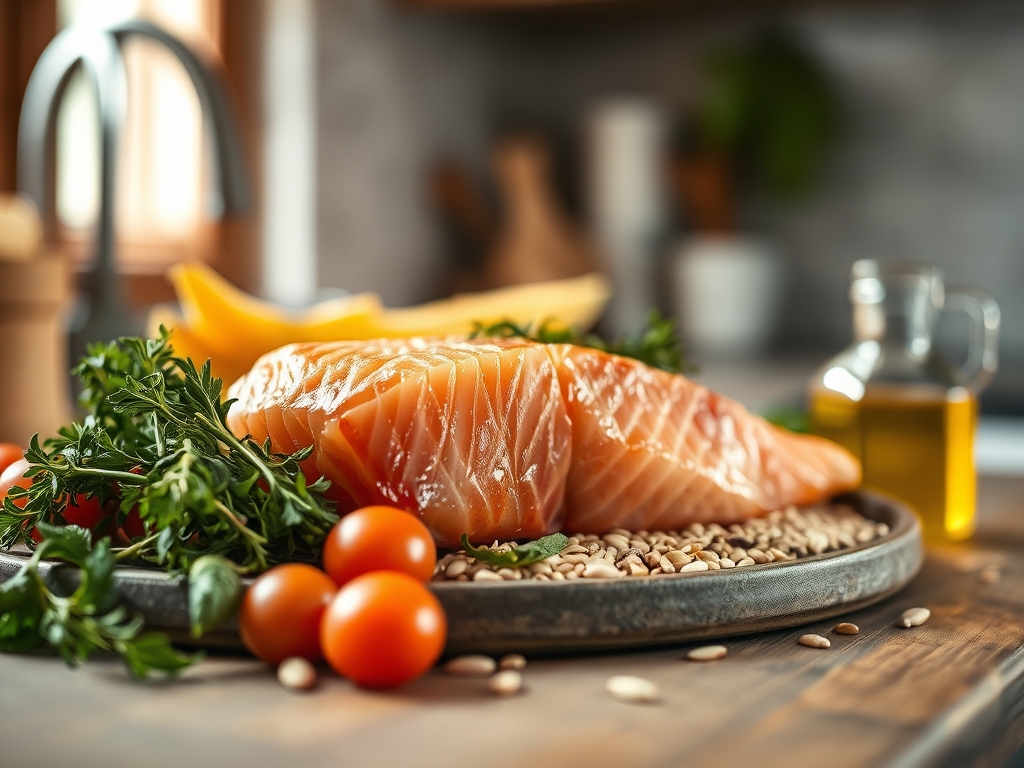
Before the heat even touches the pan, your mise-en-place must be clinical. Start with center-cut fillets; these provide a uniform thickness that ensures even thermal distribution. You will need a microplane for zesting citrus, which releases the essential oils without the bitter white pith. Grab your digital scale to measure out exactly 15 grams of kosher salt per kilogram of fish for a dry brine. This process uses osmosis to pull moisture out and then reabsorb a seasoned brine, deeply seasoning the flesh.
Your aromatic kit should include fresh dill, sprigs of thyme, and paper-thin slices of garlic. For the liquids, have a high-quality olive oil and a saucier filled with a reduction of dry white wine and shallots. If you are looking for smart substitutions, swap the butter for ghee if you need a higher smoke point, or use coconut aminos instead of soy sauce for a lower glycemic index without sacrificing that deep umami profile. Note the vibrant color of the raw flesh in the photos; that comes from astaxanthin, a powerful antioxidant found in the wild-caught varieties we prefer for their lean muscle structure.
The Clock:
Efficiency in the kitchen is about "Chef's Flow." This is the art of overlapping tasks so that no second is wasted. Your total active prep time is 15 minutes, with a cook time ranging from 6 to 12 minutes depending on your desired internal temperature.
The flow begins with the dry brine. While the salt works its magic for 20 minutes, you are prepping your garnishes and whisking your emulsions. The "Golden Hour" of salmon cooking happens in the final two minutes, where thermal carryover becomes your best friend. You must pull the fish when it is 5 degrees below your target temperature because the residual heat will continue to cook the center while the fish rests on a warm plate.
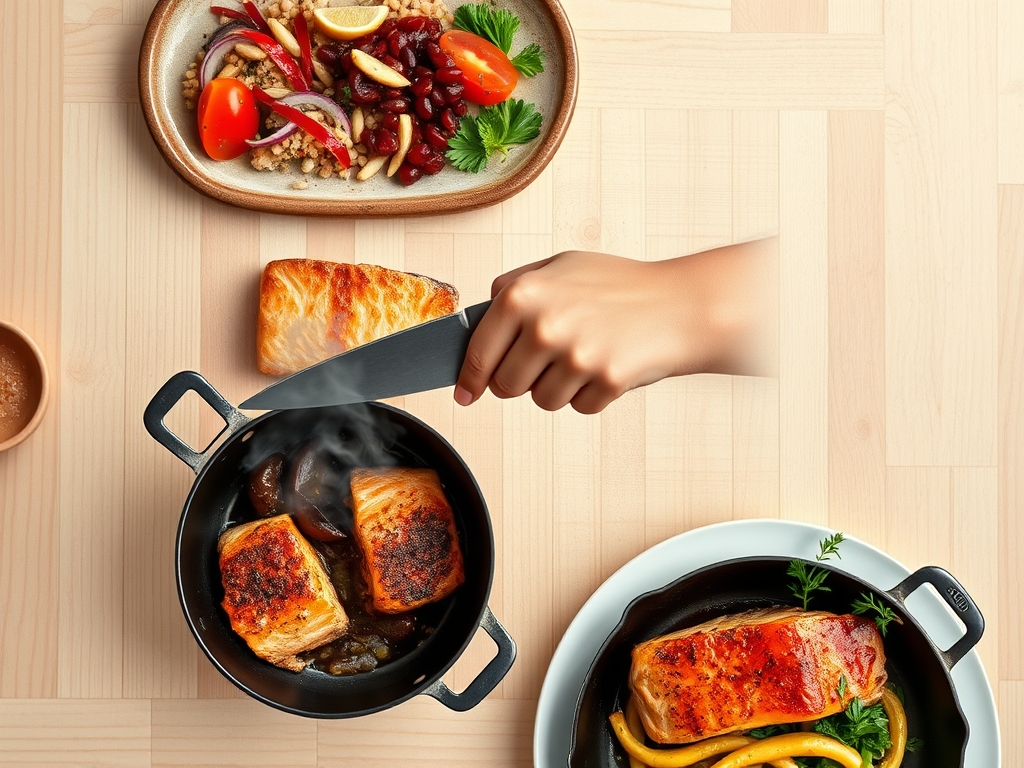
The Masterclass:
1. The Desiccation Phase
Use a paper towel to pat the skin until it is bone dry. Moisture is the enemy of the Maillard reaction. If there is water on the surface, the energy of the pan goes into evaporating that water rather than browning the proteins.
Pro Tip: This is known as evaporative cooling. By removing surface moisture, you allow the surface temperature to exceed 300 degrees Fahrenheit instantly, creating that shattered-glass skin texture.
2. The Cold Start or Hot Sear
Place the salmon skin-side down in a cold pan for a slower render of the subcutaneous fat, or into a shimmering hot pan for an instant crust. Use tongs to press the fillet down firmly for the first 30 seconds to prevent the skin from curling as the proteins contract.
Pro Tip: Pressing the fish ensures 100 percent surface area contact. This prevents "hot spots" and ensures the heat moves vertically through the fillet at a predictable rate.
3. The Butter Baste
Once the skin is crisp and the fish is 70 percent cooked, flip it gently. Toss a knob of butter, crushed garlic, and thyme into the pan. Use a large spoon to continuously douse the skin with the foaming butter.
Pro Tip: This is called "arroser." The hot fat acts as a convective heat source, gently finishing the top of the fish while infusing it with the fat-soluble compounds from the aromatics.
4. The Acid Finish
Deglaze the pan with a splash of lemon juice or verjuice. This lifts the fond (the browned bits) from the bottom of the pan and creates an instant pan sauce that cuts through the richness of the salmon fat.
Pro Tip: Acid breaks down the long-chain fats on your palate, which brightens the flavor profile and prevents the dish from feeling heavy or "fishy."
5. The Rest Period
Transfer the salmon to a wire rack rather than a flat plate. This allows air to circulate under the skin, keeping it crispy while the internal juices redistribute.
Pro Tip: Resting allows the muscle fibers to relax. If you cut into it immediately, the high internal pressure will force the juices out, leaving you with a dry fillet.
The Deep Dive:
From a macro perspective, salmon is a nutritional powerhouse. A standard 6-ounce portion delivers roughly 34 grams of high-quality protein and 18 grams of heart-healthy fats, specifically Omega-3 fatty acids. For those on a Keto path, this is the ultimate fuel. If you are cooking for a Vegan guest, you can replicate the texture using marinated "watermelon steaks" or firm tofu, though the emulsification of the sauces will remain the same.
The Fix-It:
- White Gunk (Albumin): If you see white beads appearing, you are cooking it too fast. The muscle fibers are contracting so hard they are squeezing out the liquid protein. Fix: Lower the heat immediately.
- Soggy Skin: This happens when you cover the fish or crowd the pan. Fix: Never tent crispy salmon with foil; it creates a steam chamber.
- Sticking to the Pan: You tried to flip it too early. Fix: Wait for "protein release." The fish will naturally detach from the metal once the crust has formed.
Meal Prep: To reheat salmon without turning it into rubber, avoid the microwave. Use a low oven (275 degrees) with a splash of water in the pan, covered tightly. This creates a gentle steam environment that rehydrates the proteins without over-denaturing them.
The Wrap-Up:
Mastering epicurious salmon recipes is about moving from a recipe-follower to a heat-manager. Once you understand how fat renders and how salt restructures proteins, the kitchen becomes your laboratory. You have the tools, the science, and the technique to turn a simple piece of seafood into a five-star experience. Go forth, get that pan shimmering, and remember that the best ingredient you can add to any dish is your own technical confidence.
The Kitchen Table:
How do I know when salmon is perfectly done?
Use a digital thermometer to pull the fish at 125 degrees Fahrenheit for medium-rare. The texture should be succulent and flake easily with a fork while remaining translucent in the very center of the thickest part.
Why does my salmon always smell too fishy?
Freshness is key, but rinsing the fillet in cold water and patting it dry removes trimethylamine, the compound responsible for that odor. Additionally, an acidic marinade with lemon or vinegar will neutralize any remaining volatile aromatics.
Can I cook salmon directly from the freezer?
It is not recommended for high-heat searing. Uneven thawing leads to a rubbery exterior and a raw, icy interior. For the best results, thaw slowly in the refrigerator for 24 hours to maintain the cellular integrity of the fish.
Is wild-caught salmon really better than farmed?
Wild salmon is leaner and has a more complex, mineral-forward flavor due to its natural diet. Farmed salmon has a higher fat content and a milder taste, making it more forgiving for beginners who might accidentally overcook it.