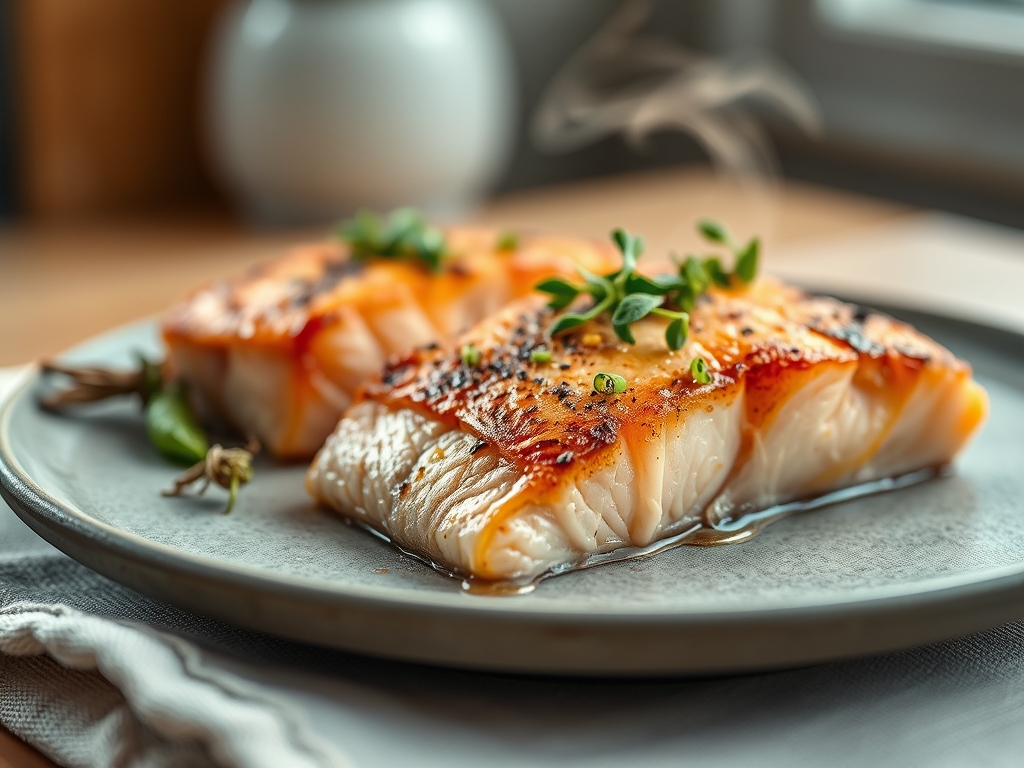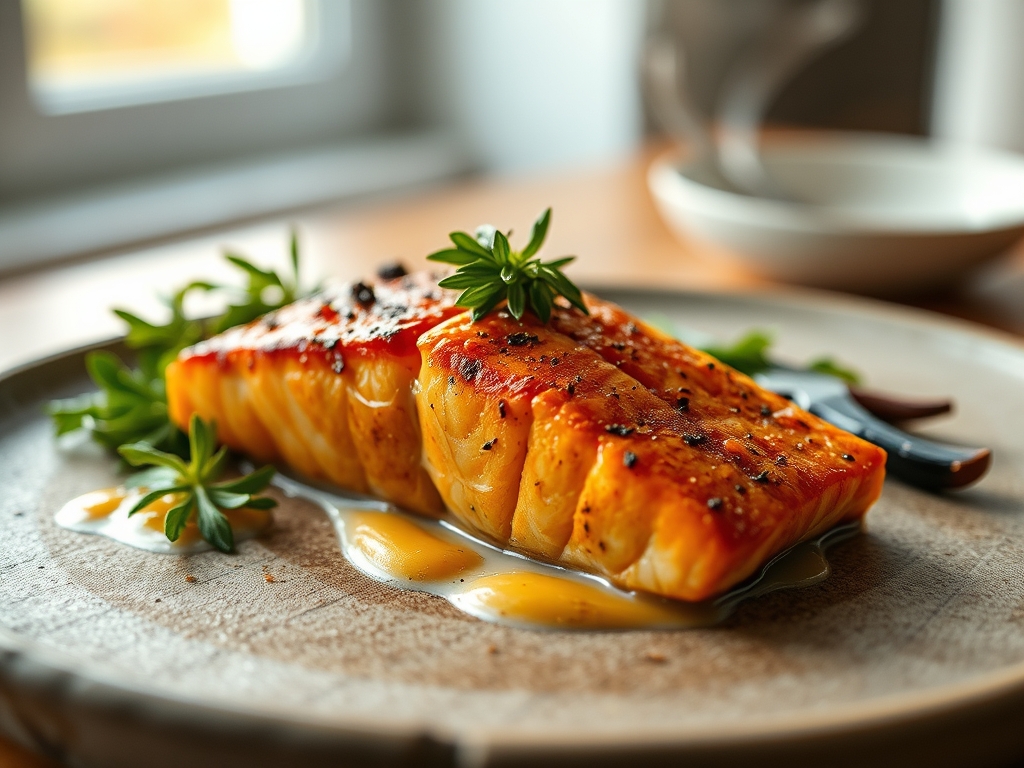
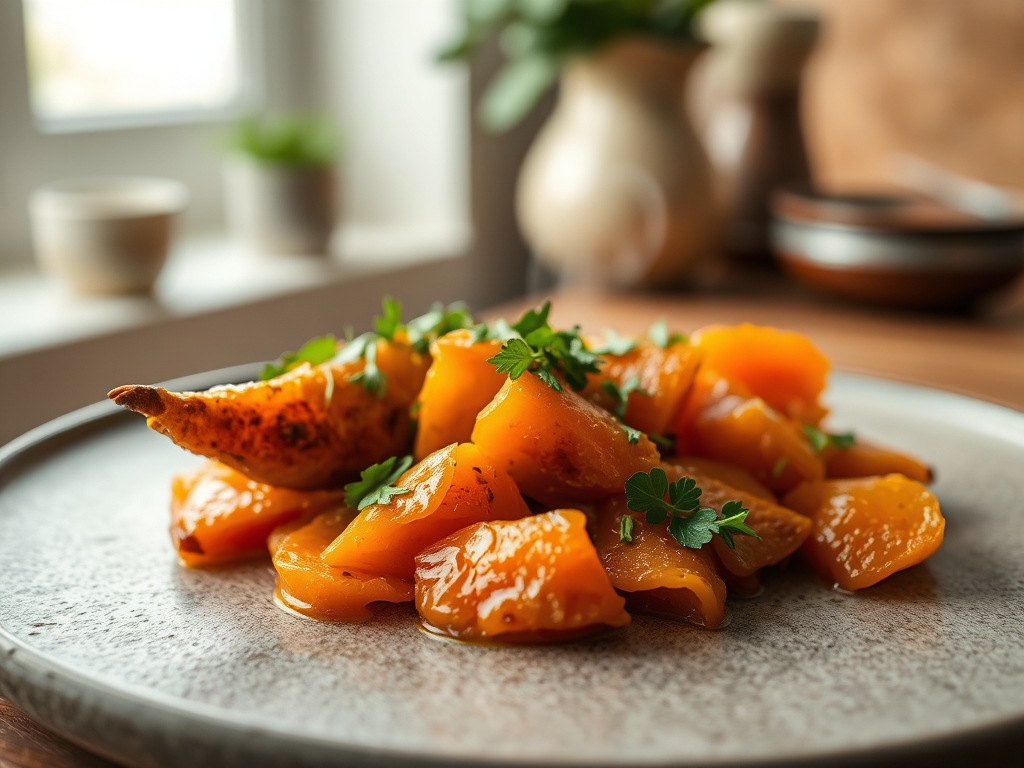
Imagine the scent of caramelizing sugars wafting through your kitchen as a humble tuber transforms into a culinary masterpiece. When we talk about sweet potato recipes entree options, we are moving far beyond the sugary marshmallows of holiday side dishes. We are entering the realm of complex carbohydrates meeting high-heat roasting and savory umami balances. The sweet potato is a botanical marvel; its starch converts to maltose during the slow climb of internal temperature, creating a natural sweetness that demands a salty, acidic, or spicy counterpoint. Tonight, we are elevating this root vegetable to the center of the plate. Whether it is a stuffed poblano-style yam or a thick-cut "steak" seared in a heavy-bottomed skillet, these dishes provide a dense, velvety mouthfeel that rivals any protein-heavy meal. We are going to harness the power of the Maillard reaction to turn these orange gems into hearty, satisfying dinners that will make you forget the meat entirely. Grab your favorite apron and a sharp chef knife; we are about to turn your weeknight dinner into a high-end bistro experience.
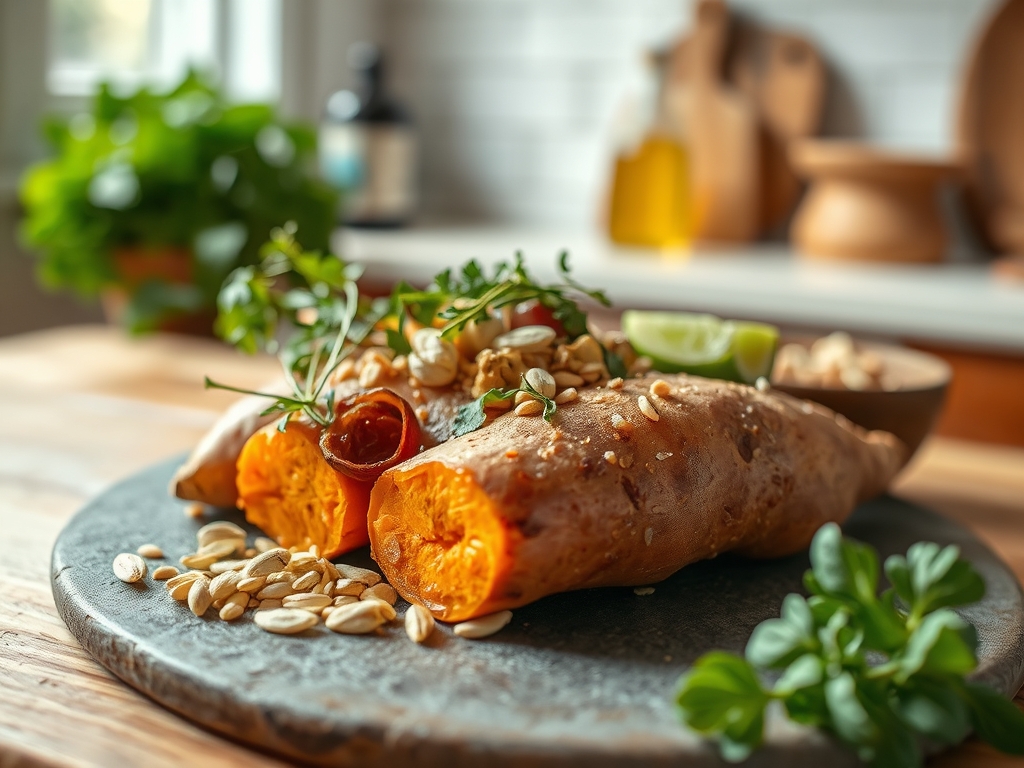
The Gathers:
To execute these sweet potato recipes entree selections, your mise-en-place must be precise. Start with firm, unblemished Beauregard or Jewel varieties, which offer the highest moisture content for a viscous interior texture. You will need a high-quality fat for roasting; avocado oil is preferred for its high smoke point of 520 degrees Fahrenheit. For your aromatics, gather fresh garlic, shallots, and ginger to infuse the oil. You should also have a bright acid on hand, such as lime juice or apple cider vinegar, to provide a piquant contrast to the earthiness of the tubers.
Smart Substitutions: If you cannot find traditional sweet potatoes, Japanese Okinawan potatoes offer a denser, starchier profile that holds its shape better in stews. For those avoiding nightshades, a mix of parsnips and carrots can mimic the sweetness, though you will lose the specific creamy pectin structure of the yam. If you lack fresh herbs, use a microplane to zest citrus over the finished dish to provide that essential aromatic lift.
The Clock:
Efficiency in the kitchen is all about the Chef's Flow. For most sweet potato recipes entree preparations, you are looking at a total time of 45 to 60 minutes. The prep phase takes roughly 15 minutes, focusing on uniform dicing to ensure even heat distribution. The cooking phase is where the magic happens; roasting usually requires 30 to 40 minutes at 400 degrees Fahrenheit.
The flow works like this: start by preheating your oven with the sheet pan inside. This creates an immediate sear upon contact, preventing the potatoes from sticking. While the oven reaches temperature, perform your knife work. Once the potatoes are roasting, use that 30-minute window to prepare your sauces, proteins, or garnishes. This overlapping strategy ensures that every component of the meal reaches its peak temperature simultaneously, preventing the dreaded "cold plate" syndrome.
The Masterclass:
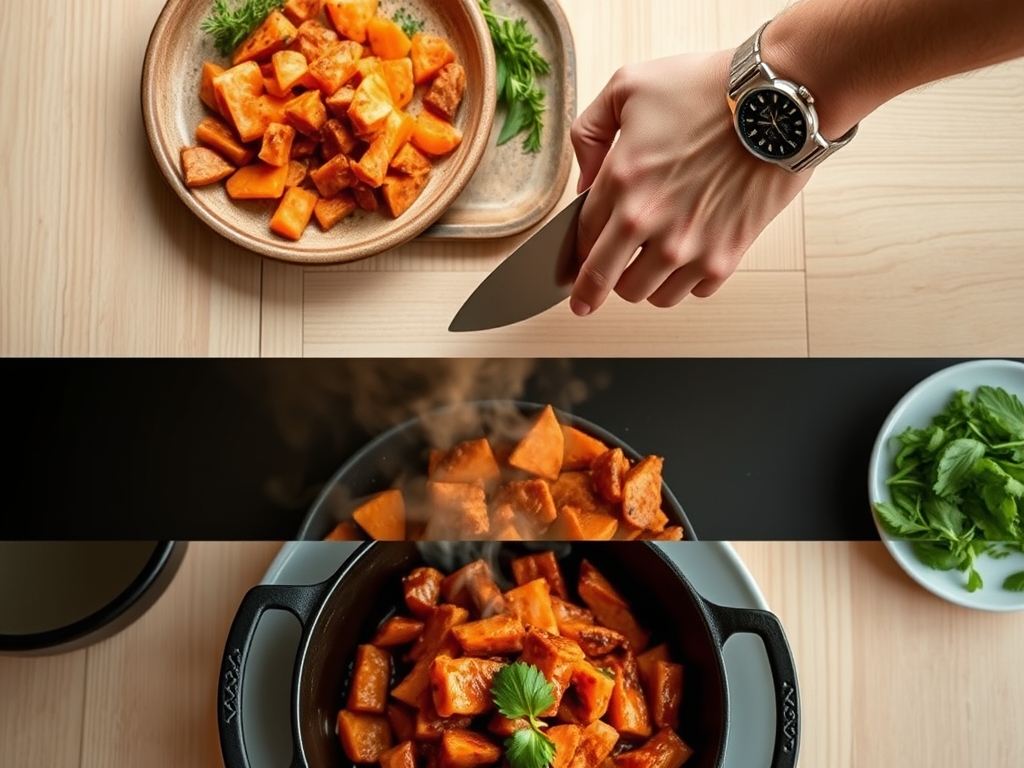
1. The Precision Cut
Using a sharp chef knife and a bench scraper, dice your potatoes into uniform one-inch cubes. Uniformity is not just for aesthetics; it ensures that every piece reaches the same degree of gelatinization at the same time.
Pro Tip: This prevents enzymatic browning. By keeping the cuts uniform and tossing them immediately in oil, you limit oxygen exposure, preserving the vibrant beta-carotene color.
2. The High-Heat Sear
Place your seasoned potatoes onto a preheated heavy-bottomed skillet or roasting pan. You should hear an immediate sizzle, which indicates the beginning of the Maillard reaction, where amino acids and reducing sugars create that savory crust.
Pro Tip: Do not crowd the pan. Overcrowding creates steam, which leads to a mushy texture rather than a crisp exterior. Leave at least half an inch of space between each cube.
3. The Deglaze and Infuse
Once the potatoes are tender, move them to the side of the pan and add a splash of vegetable stock or white wine to deglaze the brown bits (fond) from the bottom. Add your aromatics now to prevent them from burning during the long roast.
Pro Tip: Use a saucier if you are making a glaze. The rounded bottom allows for constant whisking, ensuring a perfectly emulsified sauce that coats the potatoes evenly.
4. The Final Aeration
Before serving, toss the potatoes with fresh greens or herbs. The residual heat will wilt the greens just enough to release their oils without turning them into a soggy mess.
Pro Tip: This utilizes thermal carryover. The internal temperature of the potato continues to rise for a few minutes after leaving the heat, perfectly finishing the texture of accompanying vegetables.
The Deep Dive:
When analyzing the macro nutrition of sweet potato recipes entree choices, you are looking at a powerhouse of fuel. A medium sweet potato provides about 4 grams of fiber and zero fat, making it an ideal canvas for healthy fats like tahini or olive oil. For Dietary Swaps, vegans can replace honey glazes with maple syrup, while those on a Keto-adjacent path should limit portion sizes and pair the potato with high-protein elements like blackened salmon or grilled tempeh.
The Fix-It:
- Soggy Potatoes: This happens when you wash the potatoes and do not dry them. Use a clean kitchen towel to bone-dry the surface before oiling.
- Bitter Char: If your glaze burns, it is likely due to high sugar content. Apply glazes only in the last 5 to 10 minutes of roasting.
- Uneven Cooking: If some pieces are hard while others are mush, your knife work was inconsistent. Use a digital scale to ensure portions are equal by weight if you are struggling with visual estimation.
Meal Prep: To maintain "day-one" quality, reheat your sweet potatoes in an air fryer or toaster oven at 350 degrees. This restores the crisp exterior. Avoid the microwave, as it agitates water molecules and turns the starch into a gummy, rubbery texture.
The Wrap-Up:
Mastering the art of the sweet potato recipes entree is a game-changer for your weekly rotation. These tubers are resilient, affordable, and incredibly versatile. By focusing on the science of the sear and the balance of acidity, you turn a simple root into a sophisticated dinner. Remember to trust your tools; use that heavy-bottomed skillet and keep your cuts precise. Cooking is as much about physics and chemistry as it is about flavor. Now, go forth and turn those orange beauties into the star of your dinner table!
The Kitchen Table:
How do I keep sweet potatoes from getting mushy?
Ensure the potatoes are completely dry before roasting. Space them out on a preheated baking sheet to allow steam to escape. High heat, around 400 degrees Fahrenheit, is essential for creating a crisp, caramelized exterior.
Can I eat the skin of the sweet potato?
Yes, the skin is edible and contains significant fiber and potassium. Just be sure to scrub the exterior thoroughly with a vegetable brush to remove any dirt or debris before roasting or boiling.
What is the best way to store leftovers?
Store leftovers in an airtight glass container in the refrigerator for up to four days. To maintain texture, reheat them in an oven or air fryer rather than a microwave to preserve the roasted crust.
Why do my sweet potatoes turn brown after cutting?
This is caused by enzymatic browning when the flesh is exposed to oxygen. To prevent this, toss the cut pieces in oil immediately or submerge them in cold water if you are not cooking them right away.