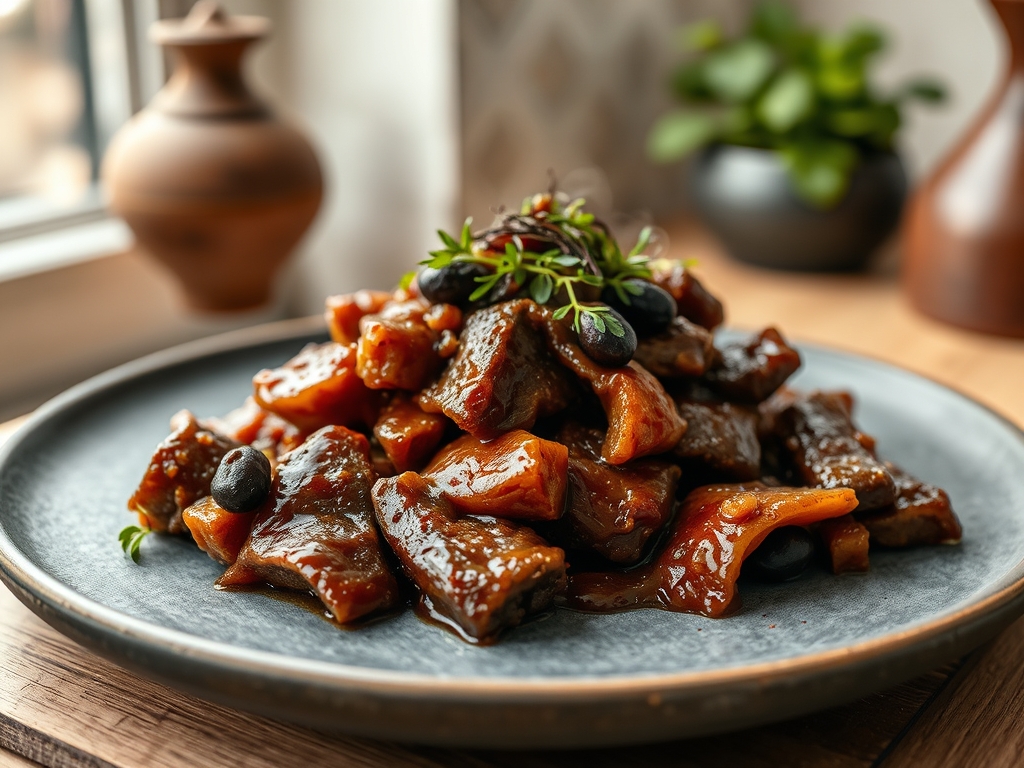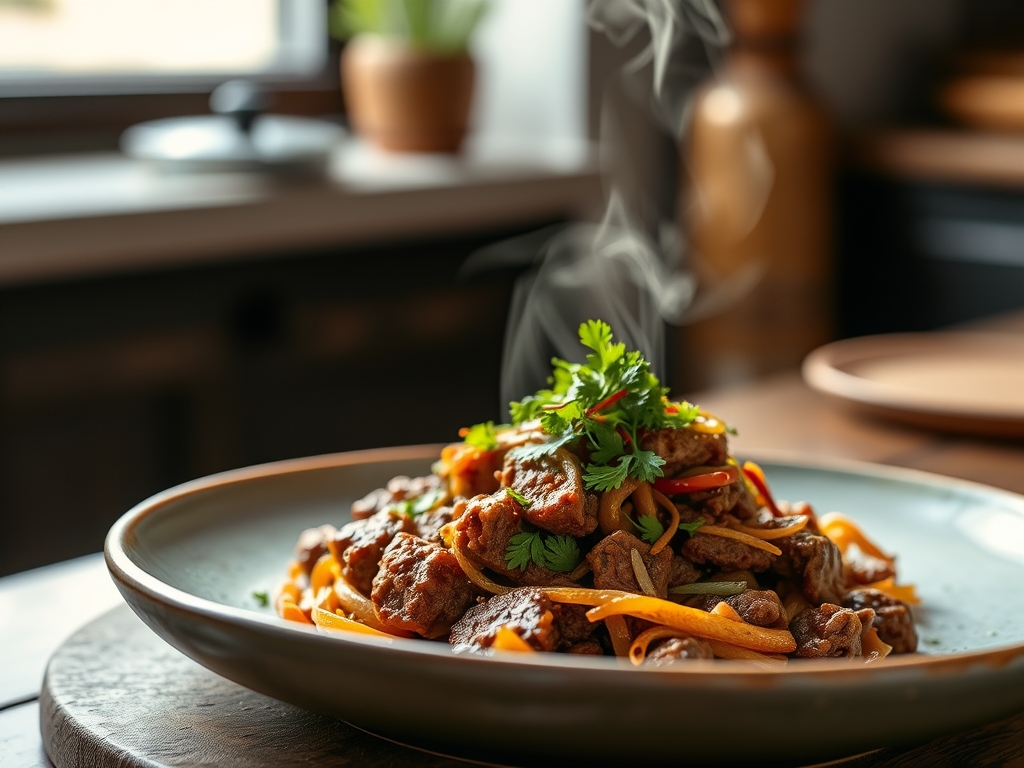
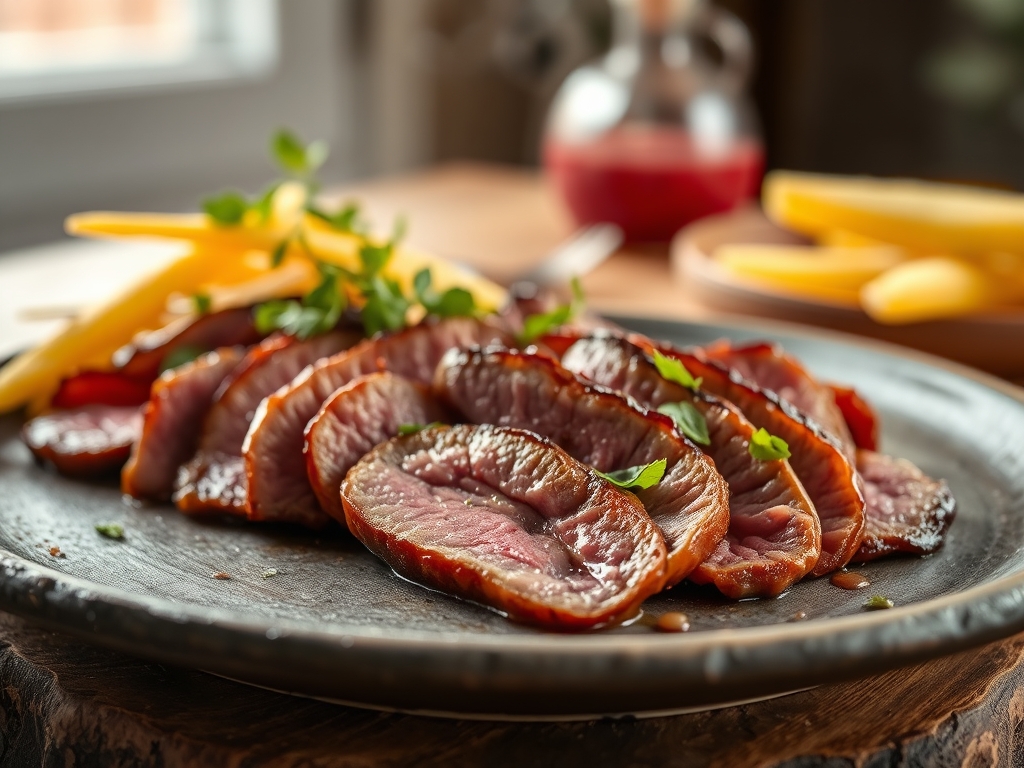
Imagine the sound of a heavy bottomed skillet hitting the burner; a resonant, metallic ring that promises a high quality sear. As the pan reaches its thermal peak, you drop in a thin ribbon of marbled ribeye. The immediate hiss is not just noise; it is the sound of moisture rapidly evaporating to make way for the Maillard reaction. Finding reliable sliced beef recipes for dinner is about more than just convenience. It is about mastering the art of the flash sear. We are talking about paper thin cuts that transform from raw protein to caramelized perfection in under ninety seconds. This is the ultimate weeknight cheat code for the hungry and the hurried.
When you work with pre sliced beef, you are bypassing the labor intensive breakdown of primal cuts. Instead, you are focusing on surface area. More surface area means more contact with the heat source, which translates to a higher concentration of savory, roasted flavor compounds. Whether you are craving a piquant ginger soy stir fry or a rich, viscous stroganoff, these six variations utilize the same fundamental physics of heat transfer. We are going to turn your kitchen into a high output bistro where the prep is minimal but the chemical complexity is off the charts. Grab your favorite tongs; we are diving into the world of rapid fire gourmet.
The Gathers:
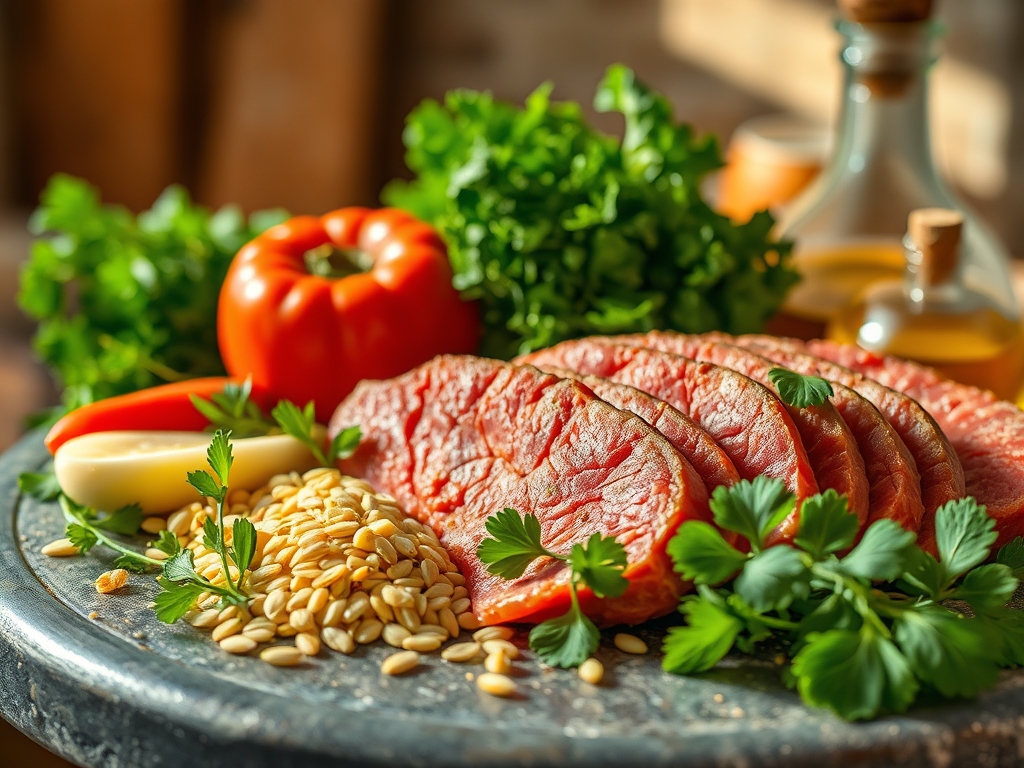
To execute these sliced beef recipes for dinner, your mise en place must be precise. Start with your protein. I recommend high quality ribeye or flank steak, sliced against the grain to a thickness of approximately three millimeters. If the beef is too soft to slice thinly, place it in the freezer for twenty minutes to firm up the lipid structures. For the aromatics, you will need fresh ginger and garlic. Use a microplane to create a fine paste; this increases the surface area and allows the essential oils to infuse the cooking fat almost instantly.
Your liquid pantry should include a high smoke point oil like avocado or grapeseed oil. Avoid extra virgin olive oil here; its low smoke point will result in acrid, burnt flavors during a high heat sear. You will also need a viscous soy sauce, toasted sesame oil for a nutty finish, and a splash of Shaoxing wine or dry sherry to deglaze the pan. For smart substitutions, if you are avoiding soy, coconut aminos offer a similar umami profile with a slightly sweeter finish. If you lack fresh aromatics, a dash of high quality garlic oil can serve as a functional bridge for flavor.
The Clock
Efficiency in the kitchen is governed by the Chef's Flow. This is the practice of overlapping tasks to minimize downtime. For these recipes, the total active time is approximately fifteen minutes, with a cook time of less than ten. Because the beef is so thin, it cooks at an accelerated rate. You must have all your vegetables chopped and your sauces whisked before the first drop of oil hits the pan.
The flow begins with the marinade. Even a five minute soak in a saline and acid solution will tenderize the fibers. While the beef rests, use a bench scraper to clear your board of vegetable trimmings. The goal is to reach a state of readiness where the actual cooking is a continuous, fluid motion. Once the skillet is hot, there is no time to reach for a measuring spoon. Precision happens in the prep; speed happens at the stove.
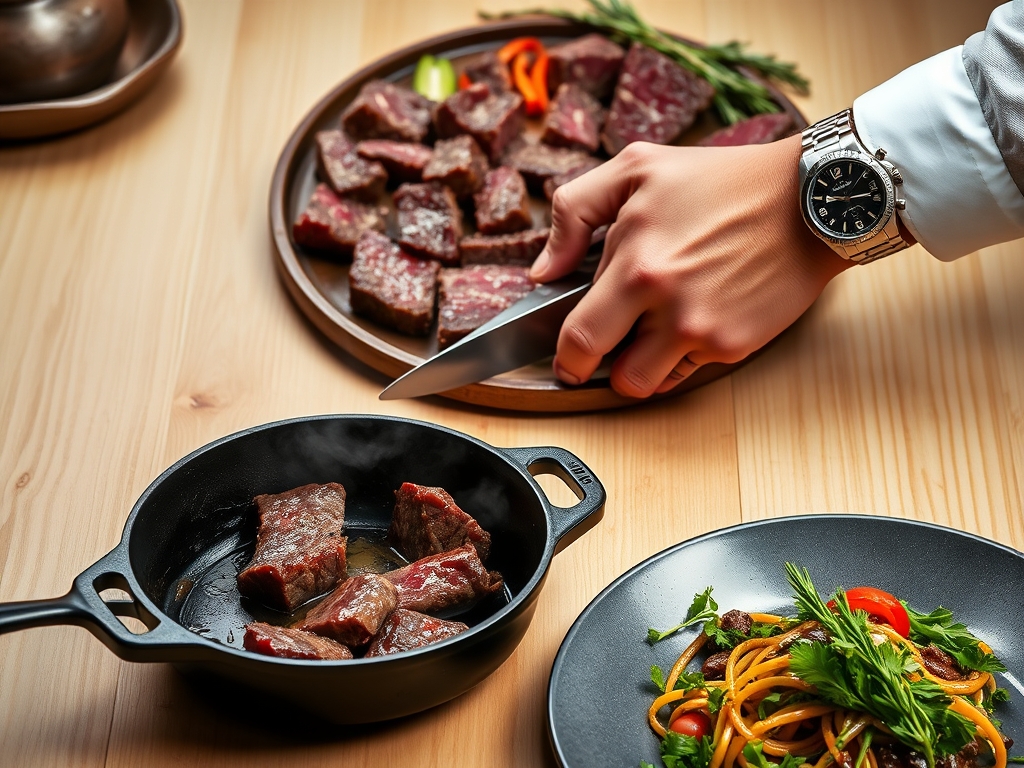
The Masterclass:
1. The High Heat Tempering
Place your heavy bottomed skillet over medium high heat until a drop of water dances and evaporates instantly. Add two tablespoons of high smoke point oil, swirling to coat the entire surface.
Pro Tip: This is known as the Leidenfrost effect. Ensuring the pan is sufficiently hot prevents the beef from sticking by creating a thin layer of steam that suspends the meat above the metal.
2. The Strategic Sear
Lay the beef slices in a single layer, ensuring they do not overlap. Overcrowding the pan will drop the temperature and cause the meat to steam in its own juices rather than sear.
Pro Tip: Avoid moving the meat for the first sixty seconds. This allows for uninterrupted enzymatic browning, creating the complex flavor profile essential for professional sliced beef recipes for dinner.
3. The Deglaze and Emulsify
Once the beef is browned, toss in your aromatics for thirty seconds. Immediately pour in your liquid base, using a wooden spoon to scrape up the browned bits, or fond, from the bottom of the pan.
Pro Tip: The fond contains concentrated umami. By adding a liquid, you are deglazing the pan and incorporating those deep flavors into a viscous, cohesive sauce.
4. The Flash Finish
Add your quick cooking vegetables, like snap peas or shaved carrots. Toss everything together using tongs to ensure every ribbon of beef is coated in the reduction.
Pro Tip: Watch for thermal carryover. Remove the pan from the heat when the beef looks slightly underdone; the residual heat will finish the cooking process without toughening the proteins.
5. The Aeration and Rest
Transfer the beef to a warm platter. Allow it to rest for three minutes before serving. This allows the muscle fibers to relax and reabsorb the internal juices.
Pro Tip: Resting is a thermodynamic necessity. It prevents the moisture from leaking out the moment you bite into the meat, ensuring a succulent mouthfeel.
6. The Final Infusion
Garnish with fresh herbs or a squeeze of lime to provide a bright, acidic contrast to the rich, savory beef.
Pro Tip: Acid acts as a flavor enhancer by stimulating the salivary glands, which helps the palate perceive the intricate nuances of the spices and fats.
The Deep Dive
From a nutritional standpoint, sliced beef is a powerhouse of bioavailable iron and vitamin B12. For those following a Keto lifestyle, these recipes are naturally low carb if you omit the sugar in the sauces. For a vegan swap, frozen and shaved extra firm tofu or seitan strips provide a similar structural integrity and protein density. If you are Gluten Free, simply swap the soy sauce for tamari to maintain that essential umami backbone.
The Fix It: If your beef turns out "gray" instead of brown, your pan wasn't hot enough or you crowded the meat; next time, sear in smaller batches. If the sauce is too thin, a cornstarch slurry (one part starch to two parts cold water) will provide the necessary viscosity. If the meat is tough, you likely sliced with the grain instead of against it; always cut perpendicular to the muscle fibers to shorten them for a tender bite. For meal prep, reheat the beef in a saucier with a tablespoon of water over low heat to prevent the proteins from overcoagulating and becoming rubbery.
The Wrap-Up
Mastering sliced beef recipes for dinner is like learning a magic trick that actually feeds people. It is the perfect intersection of kitchen science and domestic efficiency. By understanding how surface area affects heat transfer and why deglazing is non negotiable, you have leveled up from a home cook to a culinary technician. Now, take these techniques, experiment with different aromatics, and turn your weeknight routine into a high energy flavor fest. You have got the tools, the science, and the appetite; go make something legendary.
The Kitchen Table
What is the best cut of beef for quick slicing?
Ribeye or flank steak are ideal due to their fat content and grain structure. For the best results, partially freeze the meat before using a sharp chef's knife to achieve paper thin, uniform slices.
How do I prevent the beef from becoming chewy?
Always slice against the grain to break up long muscle fibers. Additionally, avoid overcooking; thin slices only need about ninety seconds of high heat contact to reach a perfect, tender medium rare.
Can I make these recipes in a slow cooker?
While possible, the high heat sear method is superior for sliced beef. Slow cooking thin slices often leads to a "shredded" texture rather than the distinct, caramelized ribbons achieved in a heavy bottomed skillet.
What is the secret to a glossy restaurant style sauce?
The secret is emulsification and a cornstarch slurry. Adding a cold fat, like butter, or a starch thickener at the end of the cooking process creates a viscous, light reflecting coating on the beef.