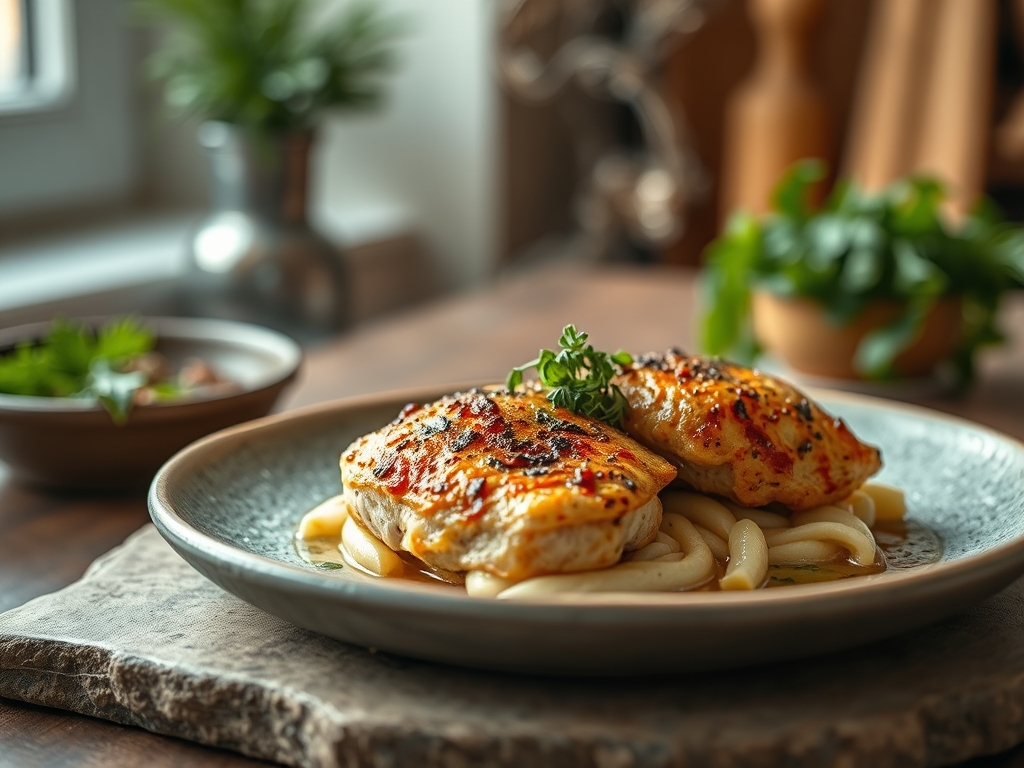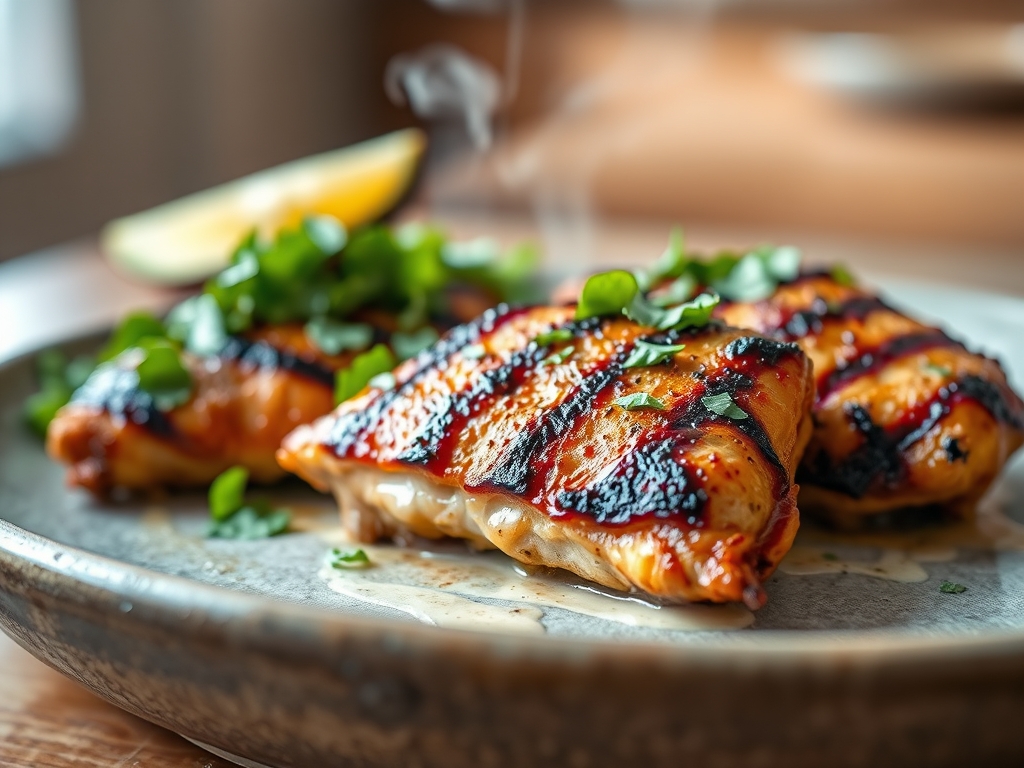
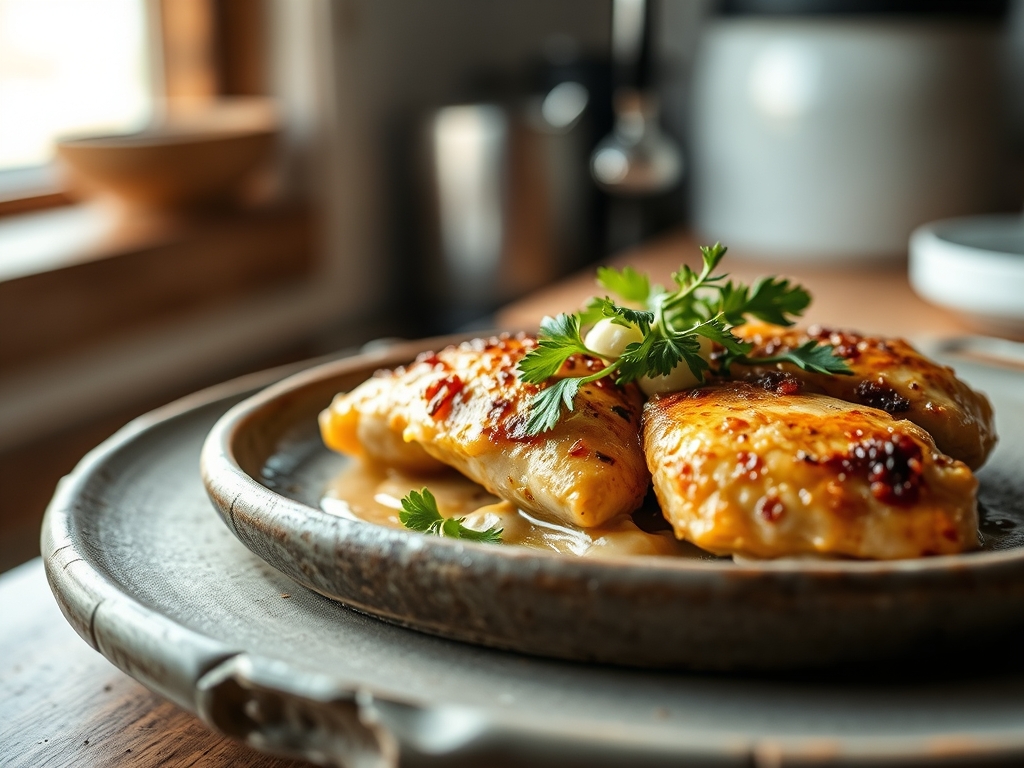
Imagine a rain-slicked cobblestone street in Dublin where the air smells of turf smoke and roasted poultry. There is a specific kind of magic in Irish home cooking that turns humble birds into legendary feasts. When you search for chicken recipes ireland, you are looking for more than just dinner; you are seeking that perfect balance of crispy skin and velvet gravy. Irish cuisine has evolved far beyond the potato. It is now a playground of high-quality poultry and sophisticated flavor profiles. Whether it is a slow-simmered pot pie or a spicy chicken fillet roll, the secret lies in the quality of the bird and the patience of the cook. We are going to dive into the molecular mechanics of these seven iconic dishes. We will transform your kitchen into a high-end gastropub. Grab your apron and your favorite heavy-bottomed skillet because we are about to master the art of the Emerald Isle. We are going to explore the Maillard reaction and the beauty of a perfectly emulsified sauce. This is Irish comfort food with a PhD in deliciousness.
The Gathers:
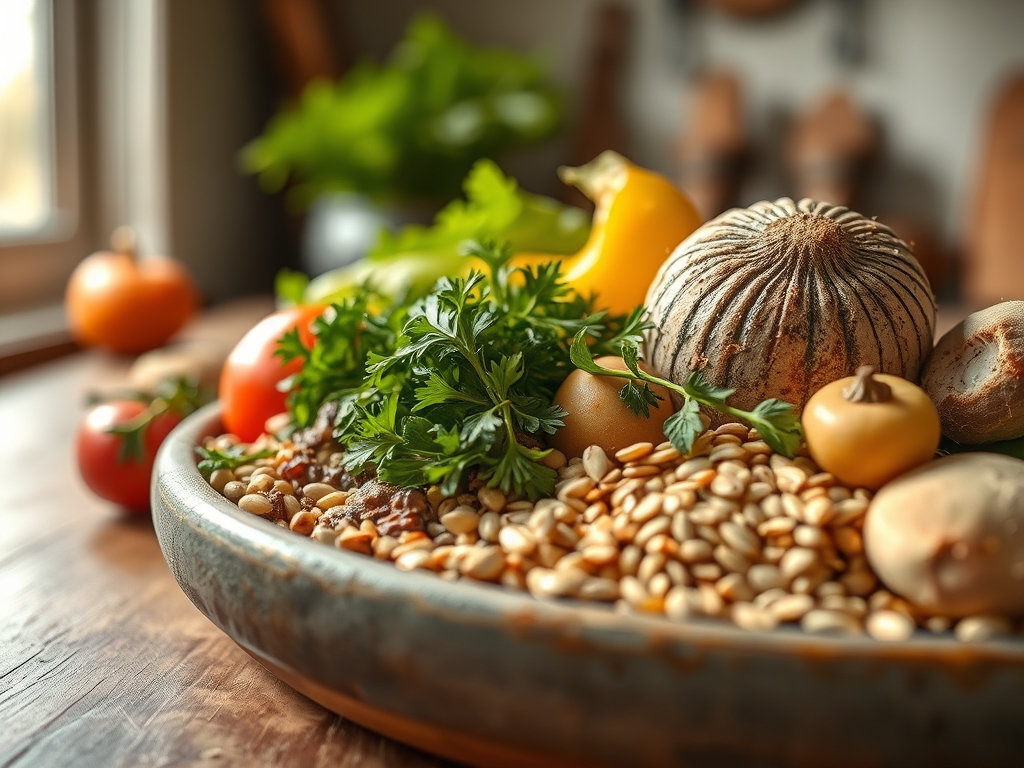
To execute these chicken recipes ireland favorites, your mise-en-place must be precise. We are looking for high-fat dairy and aromatics that have reached peak volatile oil expression. You will need high-quality chicken thighs for their collagen content; this ensures a viscous mouthfeel in stews. Gather your sea salt, cracked black pepper, and fresh thyme. You will also need a bottle of dry Irish cider and a pint of heavy cream. For the vegetable base, focus on the "holy trinity" of Irish cooking: carrots, onions, and celery, but add leeks for a more piquant and complex sulfur profile.
Smart Substitutions:
If you cannot find Irish farmhouse butter, look for a high-butterfat European style. It has less water and more butterfat, which is crucial for a stable emulsion. If you are avoiding alcohol, replace the cider with a sharp apple juice mixed with a teaspoon of white wine vinegar to mimic the acidity. For a lighter version of the traditional cream sauce, use a cashew-based cream to maintain the viscosity without the dairy load. Always use a digital scale to measure your flour for the roux; volume measurements are notoriously unreliable for thickening agents.
The Clock:
Mastering the "Chef's Flow" is about managing thermal energy and time. For these seven dishes, expect a total preparation time of 45 minutes and a combined cooking window of 2 hours. The key is parallel processing. While your chicken is undergoing enzymatic browning in the skillet, you should be using your bench scraper to organize your chopped aromatics.
The flow works like this: start with your "long-haul" items like the Irish Chicken and Leek Pie filling. While that simmers to infuse the flavors, move to high-heat tasks like the Pan-Seared Chicken with Whiskey Cream. By the time your quick-sear dishes are resting, your stews will be ready for the final thickening. This staggered approach ensures that nothing sits under a heat lamp and every component reaches the plate at its thermal peak.
The Masterclass:
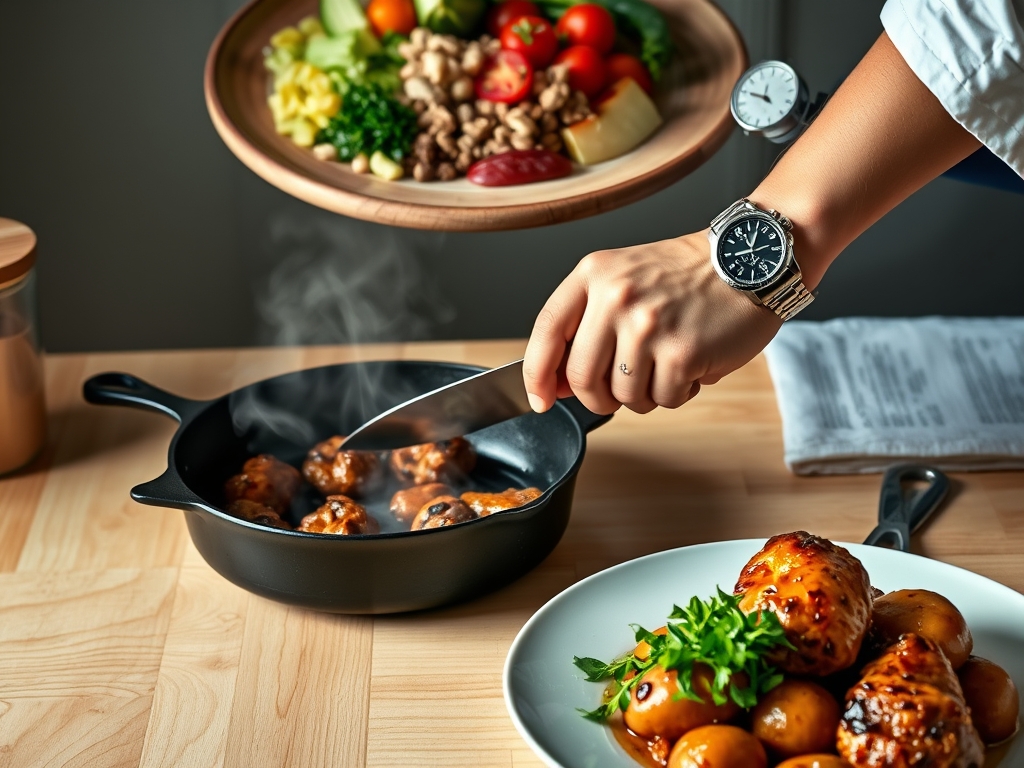
1. The Sear and Render
Place your chicken skin-side down in a cold heavy-bottomed skillet before turning on the heat. This allows the subcutaneous fat to render slowly, resulting in a glass-like crunch rather than a rubbery texture. Use tongs to press the meat flat against the surface for maximum contact.
Pro Tip: This technique utilizes conductive heat transfer to melt fat before the proteins on the surface tighten, ensuring the skin becomes crispy without overcooking the delicate meat underneath.
2. Deglazing the Fond
After removing the chicken, you will see brown bits stuck to the pan. This is called fond. Pour in your Irish cider or whiskey and use a wooden spoon to scrape these bits into the liquid. This is where the deepest flavor lives.
Pro Tip: This process is a chemical "flavor harvest." The liquid acts as a solvent, dissolving the concentrated products of the Maillard reaction and incorporating them into your sauce for a savory punch.
3. The Aromatics Sweat
Add your leeks and onions to the pan. Do not brown them; you want them to become translucent and soft. Use a microplane to zest in a bit of lemon or garlic at the very end to keep the volatile oils from burning.
Pro Tip: "Sweating" vegetables at a low temperature breaks down the cellulose walls without caramelizing the sugars, creating a sweet and mellow base that supports the chicken rather than overpowering it.
4. Emulsifying the Sauce
Slowly whisk in your heavy cream or chilled butter cubes into the simmering liquid. Use a saucier if you have one, as the rounded bottom prevents the sauce from scorching in the corners. Whisk vigorously to create a stable bond between the fats and the water-based liquids.
Pro Tip: This creates a colloidal suspension. The proteins in the cream act as emulsifiers, wrapping around fat droplets to prevent them from pooling on top of your sauce.
5. The Low and Slow Simmer
For dishes like the Irish Chicken Stew, return the meat to the pot and lower the heat. The liquid should barely bubble. This is where the connective tissue in the thighs transforms into gelatin.
Pro Tip: Maintaining a temperature of around 180 degrees Fahrenheit allows for collagen hydrolysis. This turns tough fibers into a silky, melt-in-your-mouth texture while keeping the meat juicy.
6. The Herb Infusion
Add your soft herbs, like parsley and chives, only in the final sixty seconds of cooking. High heat destroys the delicate aromatic compounds that give Irish cooking its "fresh from the garden" appeal.
Pro Tip: Herbs contain essential oils that are highly volatile. Adding them at the end ensures that the heat releases the aroma into the steam right as you serve, rather than losing it to the exhaust fan.
7. The Resting Phase
Transfer your chicken to a warm plate and let it sit for at least five to ten minutes before slicing. This is the most skipped step, but it is the most vital for quality.
Pro Tip: This allows for thermal carryover and moisture redistribution. As the muscle fibers relax, they reabsorb the juices. If you cut too soon, the pressure from the tightened fibers will push all that delicious moisture out onto the cutting board.
The Deep Dive:
When we look at the macro profile of these chicken recipes ireland, we see a high-protein foundation balanced by complex carbohydrates from root vegetables. A standard serving provides approximately 35g of protein, 15g of fat, and 20g of carbohydrates. To make these Keto-friendly, swap the potatoes for roasted cauliflower and use xanthan gum instead of flour for thickening. For a Vegan twist, use "soy curls" or oyster mushrooms, which mimic the fibrous texture of chicken, and substitute coconut cream for the dairy.
The Fix-It:
- Broken Sauce: If your cream sauce separates, whisk in a tablespoon of very hot water or a splash of cold cream to re-emulsify the fats.
- Tough Meat: If the chicken is rubbery, it likely experienced a "heat shock." Next time, ensure the meat is at room temperature before it hits the pan.
- Bland Gravy: If the flavor is flat, it needs acidity. A tiny squeeze of lemon or a drop of apple cider vinegar will "brighten" the salt and fats.
Meal Prep Science:
When reheating, do not use the microwave on high power. It vibrates water molecules too violently, toughening the protein. Instead, use a low oven or a stovetop with a splash of broth. This rehydrates the starches and prevents the fats from "breaking" or becoming greasy.
The Wrap-Up:
You are now equipped with the technical prowess to master chicken recipes ireland like a professional. From the perfect render of the skin to the scientific precision of a colloidal cream sauce, these dishes represent the soul of Irish hospitality. Remember that great cooking is half chemistry and half heart. Use your tools, trust your senses, and do not be afraid to deglaze with a little extra whiskey for the cook. Your kitchen is now a sanctuary of Irish flavor; go forth and feed your favorite people with confidence.
The Kitchen Table:
What is the best chicken cut for Irish stews?
Chicken thighs are superior because their high collagen content transforms into gelatin during simmering. This provides a rich, viscous texture to the broth that breast meat cannot achieve. Thighs also remain succulent during the longer cooking times required for stews.
How do I get the skin extra crispy?
Start with dry skin by patting it with paper towels. Begin the sear in a cold pan to slowly render the fat. This prevents the skin from steaming in its own moisture, resulting in a superior, glass-like crunch every time.
Can I make Irish chicken recipes dairy-free?
Yes. Substitute heavy cream with full-fat coconut milk or a cashew cream blend. For butter, use a high-quality vegan block butter. These provide the necessary fats to create a stable emulsion and maintain the signature creamy mouthfeel of Irish sauces.
Why does my sauce always turn out thin?
You likely didn't cook the roux long enough or used too much liquid. Ensure your flour and butter mixture bubbles for a minute to cook out the raw starch taste before slowly whisking in your liquid to ensure proper thickening.