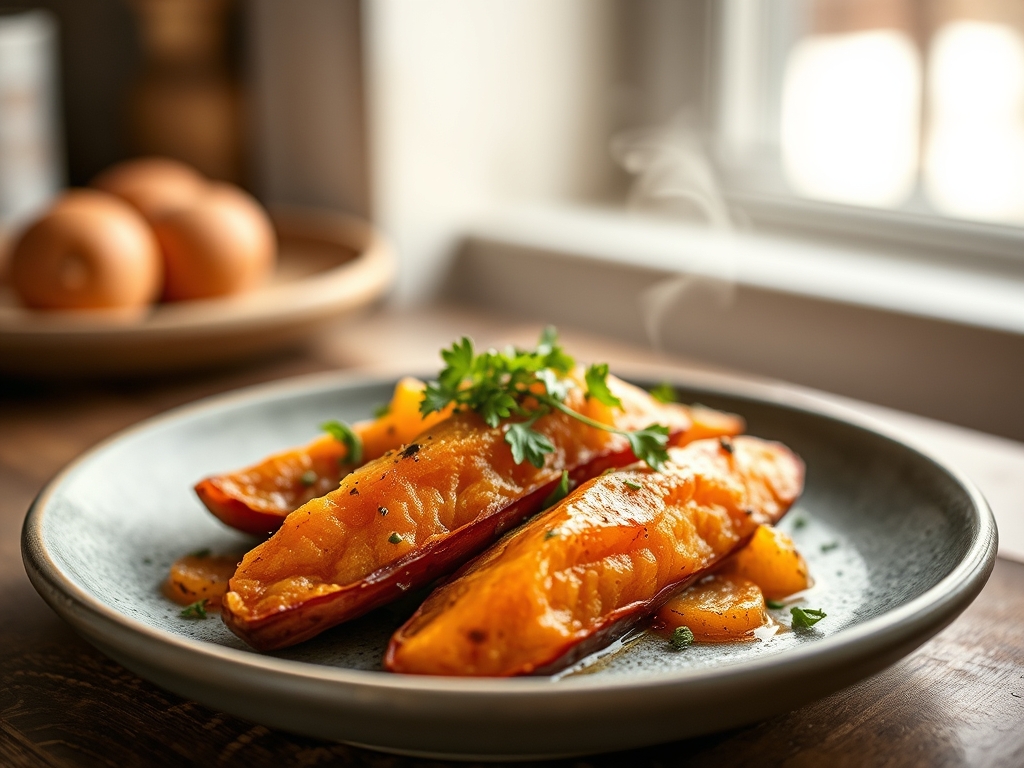
Close your eyes and imagine the scent of brown butter swirling with the earthy, caramel sweetness of a slow roasted tuber. This is the sensory landscape of Tiffany Derry sweet potato recipes; a masterclass in Southern soul meets professional culinary precision. We are not just making a side dish here. We are engineering a masterpiece of texture and flavor profile.
The magic of Tiffany Derry sweet potato recipes lies in the balance of acidity and sugar. Whether she is crafting a silky puree or a crispy roasted medallion, the goal is always the same: maximizing the natural sugars through controlled heat while layering in savory complexity. We are going to dive deep into the molecular reasons why these recipes work. You will learn how to manipulate starches into velvet and how to use salt to unlock hidden floral notes in the potato. Grab your apron and your sharpest chef knife. We are about to transform a humble root vegetable into a five star experience that will have your guests questioning if you secretly attended culinary school.
The Gathers:
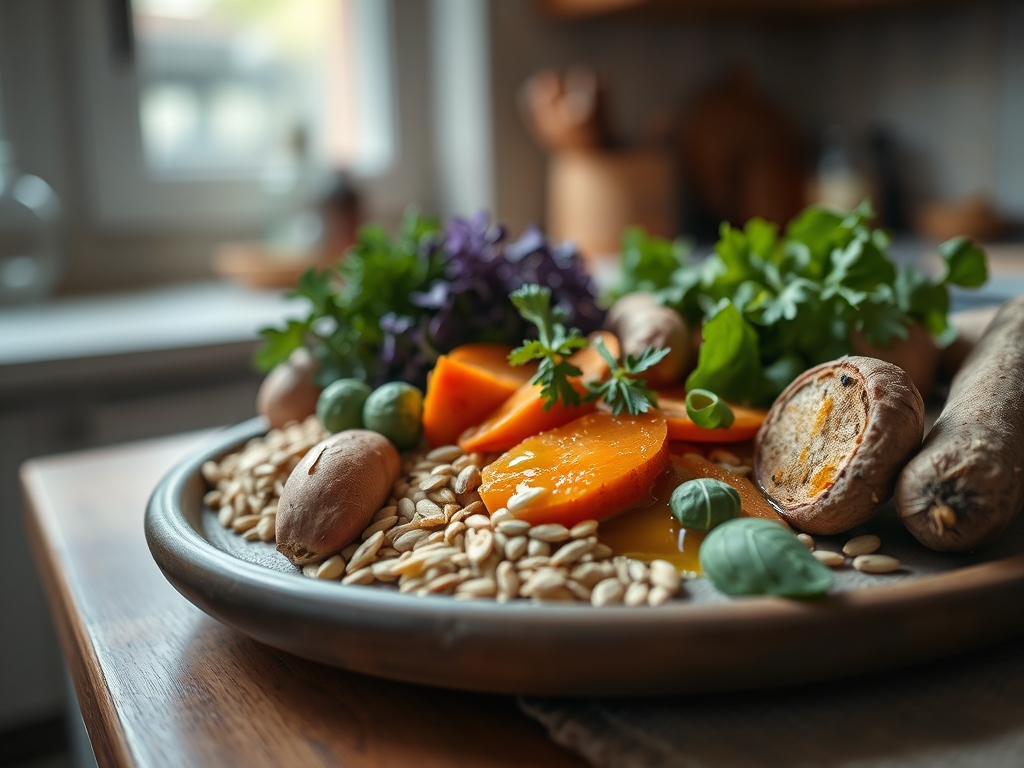
To execute these masterpieces, your mise-en-place must be impeccable. Start with high-quality Beauregard or Jewel sweet potatoes. Look for firm skins and heavy weights; this indicates a high moisture content which is essential for a viscous final texture. You will need a heavy-bottomed skillet for even heat distribution and a microplane for integrating aromatics like fresh ginger and nutmeg without creating gritty pockets.
Your pantry list should include unsalted European-style butter for its higher fat content and lower water percentage. This allows for a cleaner render when browning. You will also need kosher salt, dark brown sugar for its molasses depth, and a piquant element like apple cider vinegar to brighten the finish. For the "Smart Substitutions," if you are avoiding dairy, a high-quality coconut cream provides the necessary lipids to emulsify the mash, while maple syrup can stand in for brown sugar to add a woody, complex sweetness.
The Clock
Efficiency in the kitchen is about understanding the "Chef's Flow." For these recipes, expect a total active prep time of 25 minutes and a passive cook time of 45 to 60 minutes. The flow begins with the oven preheat; never put your potatoes in a cold box. While the potatoes roast, you should be preparing your infusions.
If you are making the signature spiced butter, that happens in the middle twenty minutes. This ensures the spices have time to infuse into the fats without burning. The final ten minutes are reserved for the "mount," where you incorporate cold fats into the warm starch to create a stable emulsion. Understanding this timeline prevents the frantic "scramble" and ensures every component is at its peak temperature when it hits the plate.
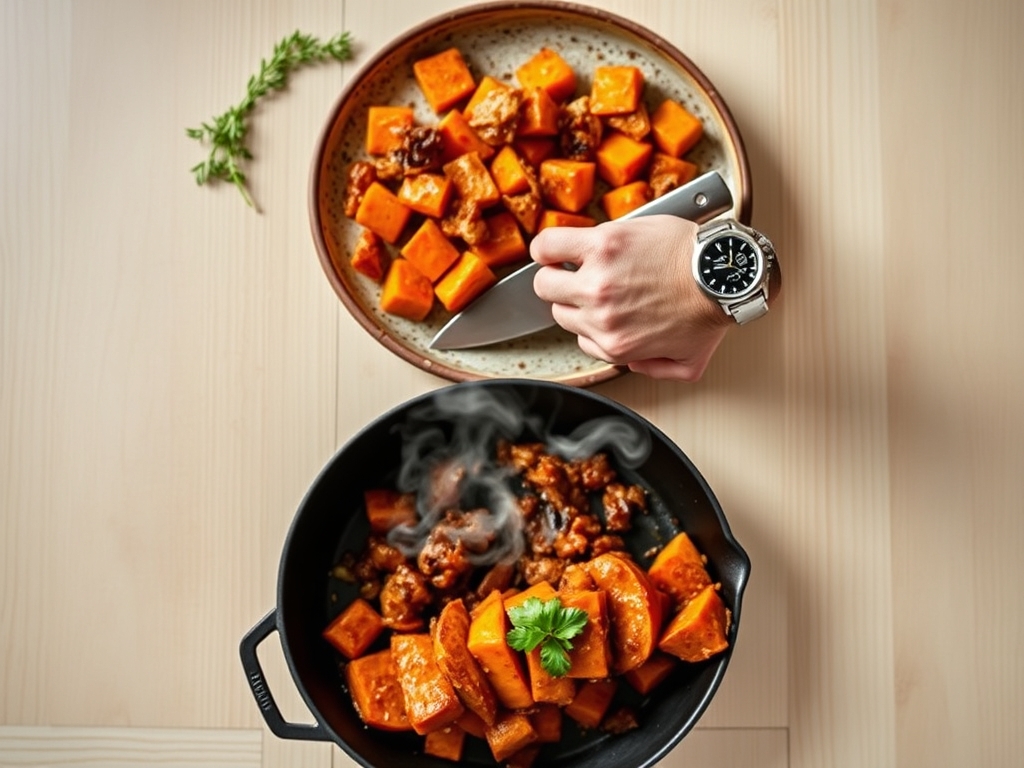
The Masterclass:
1. The High-Heat Roast
Place your scrubbed potatoes directly on a baking sheet lined with parchment paper. Pierce the skins multiple times with a fork to allow steam to escape. Roast at 400 degrees Fahrenheit until the internal temperature reaches 210 degrees.
Pro Tip: This temperature triggers the Maillard reaction on the skin while simultaneously breaking down complex starches into maltose. This enzymatic conversion is why a slow-roasted potato tastes significantly sweeter than one that has been boiled or microwaved.
2. The Clean Peel and Pass
Once the potatoes are cool enough to handle, use a paring knife to strip the skins. Immediately pass the warm flesh through a fine-mesh tamis or a ricer into a stainless steel bowl.
Pro Tip: Speed is essential here to prevent starch retrogradation. If the potato cools too much before it is processed, the starches will crystallize; this results in a gummy, glue-like texture rather than a silky smooth finish.
3. The Brown Butter Infusion
In a small saucier, melt your butter over medium heat. Whisk constantly as the milk solids separate and begin to toast. Once the butter smells nutty and looks like toasted hazelnuts, remove it from the heat and add your aromatics.
Pro Tip: This is the process of pyrolysis. You are browning the proteins and sugars in the butter to create a complex flavor compound called lactones. This adds a savory "umami" backbone to the sweet potato.
4. The Emulsification
Slowly stream the warm brown butter into the riced potatoes while folding gently with a silicone spatula. Do not overwork the mixture. Add your salt and acid at the very end to sharpen the flavors.
Pro Tip: You are creating a fat-in-water emulsion. By adding the fat slowly, you allow the potato starches to coat the fat globules; this prevents the butter from "breaking" and leaving an oily residue on the tongue.
5. The Aeration Lift
For the soufflé-style masterpieces, use a whisk to vigorously aerate the mixture for thirty seconds. This incorporates micro-bubbles that expand during the final bake, providing a light and fluffy mouthfeel.
Pro Tip: This step relies on thermal expansion. The air trapped in the dense puree expands when hit with the heat of the oven; this creates a structural lift that prevents the dish from feeling heavy or cloying.
6. The Glaze Application
If the recipe calls for a spiced maple glaze, apply it during the last five minutes of cooking. Use a pastry brush to ensure even coverage over the surface of the potatoes.
Pro Tip: This creates a sucrose shell. The high heat evaporates the remaining water in the syrup; this leaves behind a concentrated sugar coating that provides a textural contrast to the soft interior.
7. The Final Rest
Allow the dish to sit for five minutes before serving. This is not just for cooling; it is a critical step for structural integrity.
Pro Tip: This allows for thermal carryover to finish. The internal moisture redistributes throughout the starch molecules; this ensures that the first bite is just as moist and flavorful as the last.
The Deep Dive:
From a nutritional standpoint, sweet potatoes are a powerhouse of beta-carotene and fiber. However, when we elevate them to "Masterpiece" status, we are focusing on flavor density. One serving typically contains about 250 calories, with a significant portion coming from the healthy fats used in the emulsion.
For dietary swaps, you can easily make these recipes Vegan by using a high-quality avocado oil or coconut oil in place of butter. For a Keto-friendly version, reduce the portion size and swap the brown sugar for a monk fruit erythritol blend. If you are Gluten-Free, you are in luck; sweet potatoes are naturally GF, just ensure any thickeners used are cornstarch or arrowroot based.
The "Fix-It" guide for common pitfalls:
- The Puree is Gummy: You likely overworked the potatoes or used a food processor. Fix it by folding in a little warm heavy cream to loosen the starch bonds.
- The Butter Separated: The potato was too cold when the fat was added. Fix it by placing the bowl over a simmering pot of water and whisking vigorously to re-emulsify.
- The Flavor is Flat: You are missing acidity. Fix it with a tiny splash of lemon juice or a pinch of flaky sea salt to brighten the sugars.
For meal prep, reheating is a science. Avoid the microwave if possible; it causes the starches to toughen. Instead, reheat in a covered dish in a 350-degree oven with a tablespoon of water or milk to restore the moisture levels to "day-one" quality.
The Wrap-Up
Mastering Tiffany Derry sweet potato recipes is about more than just following a list of ingredients. It is about respecting the chemistry of the ingredients and the precision of the technique. When you treat the sweet potato with the same rigor as a fine cut of meat, the results are nothing short of spectacular. You now have the technical knowledge to balance flavors, manipulate textures, and present a dish that is as beautiful as it is delicious. Go forth and conquer your kitchen; your dinner guests are not going to know what hit them.
The Kitchen Table:
Why are my sweet potatoes always watery?
You likely boiled them. Boiling allows water to infiltrate the cellular structure. Roasting or steaming keeps the moisture internal; this concentrates the natural sugars and prevents a soggy texture in your final dish.
Can I use canned yams for these recipes?
Technically yes, but the texture will suffer. Canned versions are often sitting in heavy syrup which alters the pH balance. For the authentic Tiffany Derry experience, always start with fresh, whole tubers to control the sugar levels.
What is the best way to get a smooth texture?
Use a tamis or a fine-mesh strainer. Pushing the cooked potato through a screen breaks down every single fiber; this results in a professional, velvet-like consistency that a standard masher simply cannot achieve.
How do I stop the potatoes from turning brown?
Oxidation is the enemy. Once peeled, keep the potatoes in acidulated water or process them immediately while warm. The heat halts the enzymatic browning process; this ensures your dish maintains its vibrant orange hue.