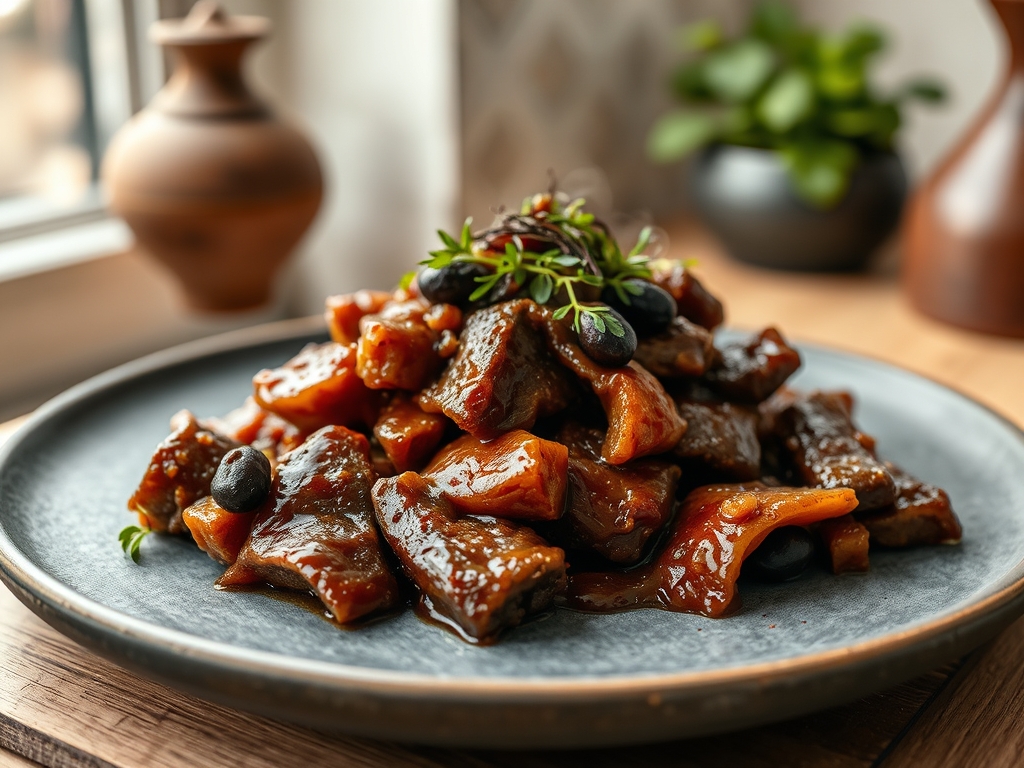
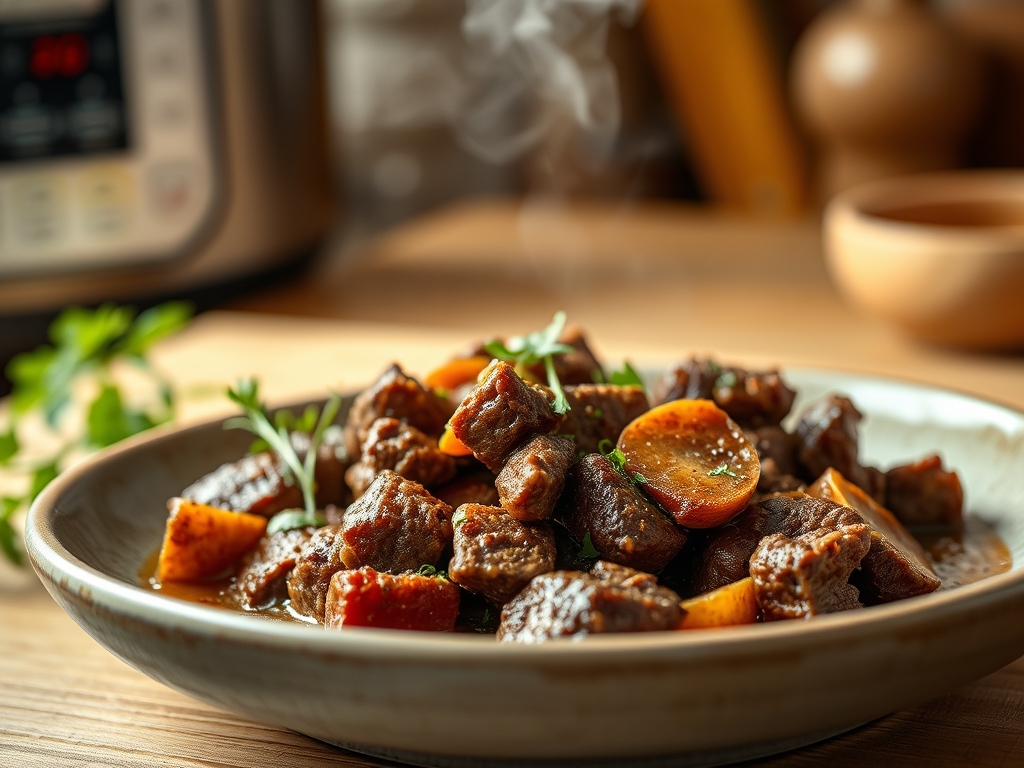
Imagine the scent of slow roasted onions and searing marrow hitting your senses the moment you walk through the door. It is that rich, deep umami that feels like a warm hug for your soul. When you are scouring the internet for stew beef recipes instant pot versions often fall flat because they skip the essential chemistry of traditional braising. We are not just tossing cubes of meat into a pressurized box; we are orchestrating a symphony of molecular changes. We are talking about the kind of gravy that coats the back of a spoon with a glossy, velvet sheen and beef that yields to the gentlest pressure of a fork. This is not just dinner; it is a masterclass in efficiency and flavor extraction. By leveraging the physics of high pressure, we can mimic a six hour Dutch oven simmer in a fraction of the time. Grab your favorite apron and a glass of red wine because we are about to transform humble chuck into a five star masterpiece.
The Gathers:
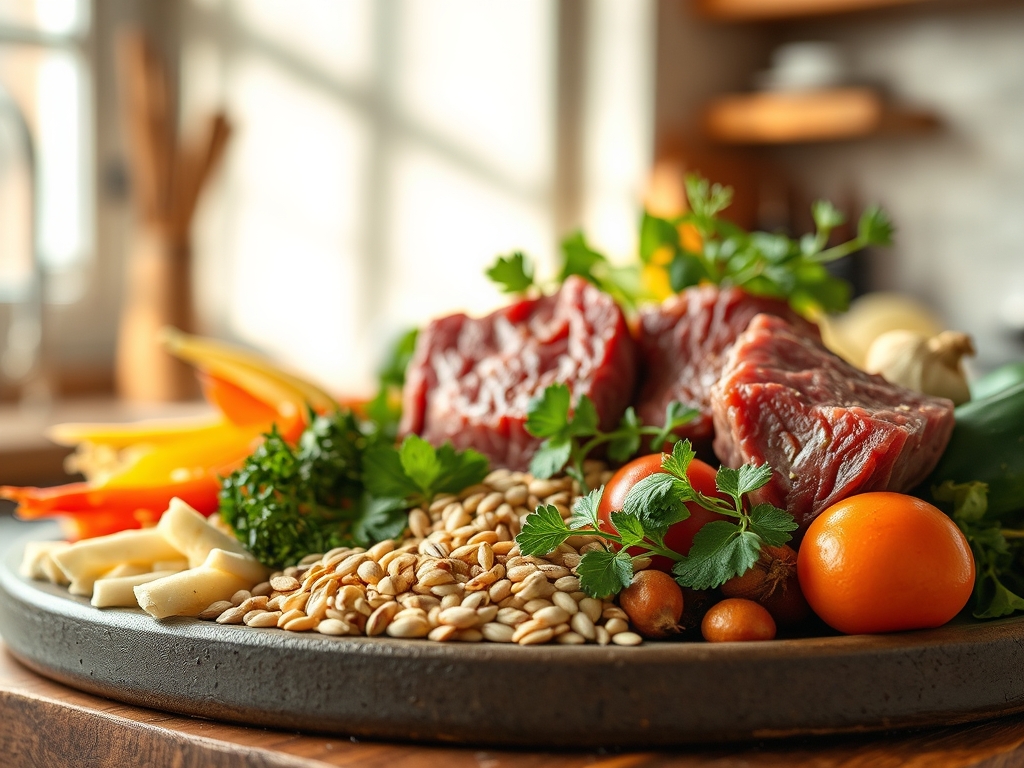
Creating a legendary stew starts with the quality of your raw materials. You want two pounds of chuck roast, hand cut into 1.5 inch cubes. Avoid the pre-cut "stew meat" packs at the grocer; those are often scraps from various muscle groups with inconsistent fat content and cook times. You need that intramuscular marbling to render properly. For the aromatics, gather three large carrots, two stalks of celery, and one massive yellow onion. We are looking for a classic mirepoix ratio.
The liquid gold of this recipe is the beef bone broth. If you can find a gelatin-rich version, your sauce will have a naturally viscous mouthfeel. You will also need tomato paste for a concentrated acidic punch, Worcestershire sauce for fermented depth, and a bouquet garni of fresh thyme, rosemary, and bay leaves.
Smart Substitutions:
If you are out of red wine, a splash of balsamic vinegar mixed with extra broth provides that necessary piquant acidity. For those avoiding nightshades, swap the tomato paste with a teaspoon of anchovy paste; it provides the same savory "oomph" without the lectins. Use a digital scale to measure your beef to ensure your salt ratios are chemically perfect.
The Clock
Efficiency in the kitchen is about the Chef's Flow. This is the art of overlapping tasks so you are never standing still.
- Prep Time: 20 minutes. Use a sharp chef knife and a bench scraper to move your chopped aromatics cleanly.
- Sauté Phase: 15 minutes. This is where we build the foundation of flavor.
- Pressure Cook: 35 minutes at High Pressure.
- Natural Release: 15 minutes.
- Total Time: Approximately 1 hour and 25 minutes.
While the beef is searing, you should be dicing your vegetables. While the pot is coming to pressure, you should be cleaning your station. A clean workspace leads to a clear culinary mind.
The Masterclass:
1. The Sear and the Maillard Reaction
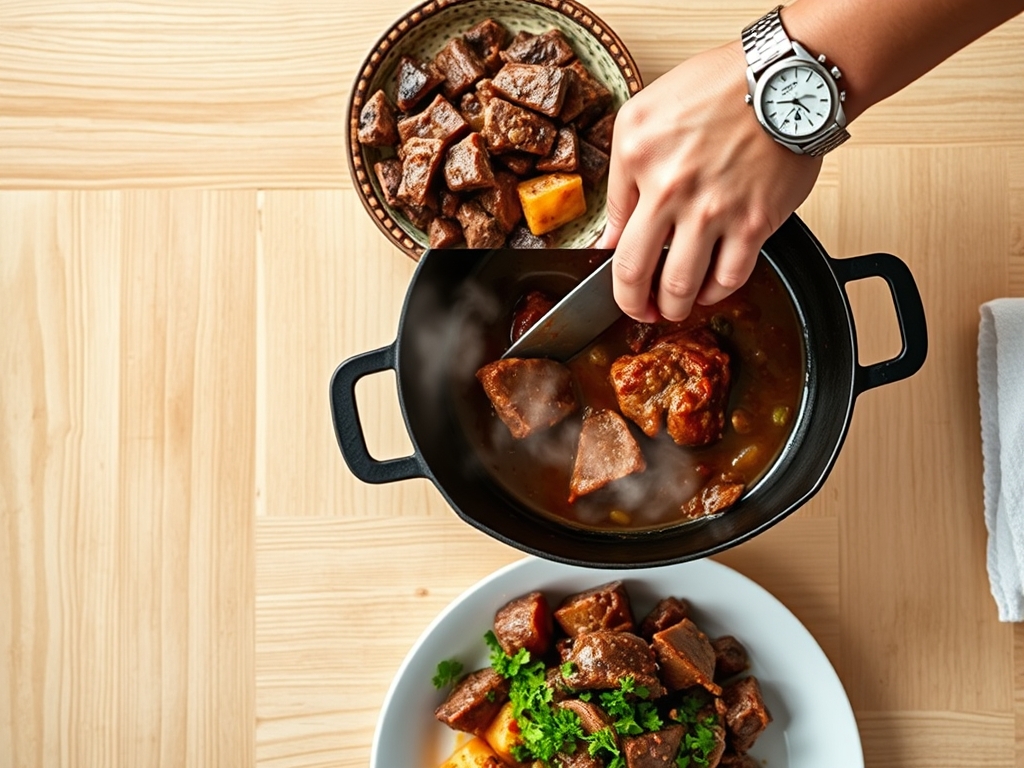
Pat your beef cubes bone-dry with paper towels. Set your Instant Pot to Sauté (High) and add a high smoke point oil like avocado oil. Sear the meat in batches using tongs to ensure every side is deeply browned.
Pro Tip: This is the Maillard Reaction. This chemical reaction between amino acids and reducing sugars creates hundreds of different flavor compounds. If the meat is crowded, it will steam rather than sear, ruining the flavor profile.
2. Deglazing the Fond
Remove the beef. Toss in your onions and celery. Use a wooden spoon to scrape the brown bits (the fond) off the bottom of the pot as the vegetables release their moisture.
Pro Tip: Deglazing is not just for cleaning the pot. Those caramelized bits are concentrated essence of beef. Failing to scrape them up can also trigger the "Burn" notice on your device.
3. Developing the Base
Add your tomato paste and garlic. Sauté for two minutes until the paste turns a dark brick red. This aerates the aromatics and mellows the raw garlic bite.
Pro Tip: Cooking out the tomato paste is called pincé. It removes the metallic tinny taste and replaces it with a sweet, toasted complexity.
4. The Pressure Phase
Return the beef to the pot along with any accumulated juices. Add your broth, herbs, and potatoes. Lock the lid and set to High Pressure.
Pro Tip: Pressure cooking raises the boiling point of water. This allows the tough collagen in the chuck roast to convert into gelatin much faster than a standard simmer.
5. The Gentle Release
Once the timer beeps, let the pot sit for 15 minutes of natural release before flicking the valve.
Pro Tip: A sudden drop in pressure causes the muscle fibers to contract violently, squeezing out moisture. A slow, natural release keeps the beef succulent and tender through thermal carryover.
6. The Final Thickening
If the sauce is too thin, whisk a tablespoon of cornstarch with cold water and stir it into the bubbling stew on the Sauté setting.
Pro Tip: This creates a slurry. The starch granules swell and trap water molecules, creating a glossy, thick texture without the graininess of raw flour.
7. The Brightness Finish
Just before serving, stir in a teaspoon of lemon juice or a handful of fresh parsley.
Pro Tip: Fat and salt can feel heavy on the palate. A final hit of acid or fresh chlorophyll cuts through the richness and makes the flavors "pop."
The Deep Dive
Macro Nutrition: One serving of this stew provides approximately 350 calories, 32g of protein, 14g of fat, and 22g of carbohydrates. It is a balanced, high protein meal that keeps you satiated.
Dietary Swaps:
- Keto: Replace potatoes with cauliflower florets or radishes. They mimic the texture of potatoes perfectly once pressurized.
- Vegan: Use "beefless" tips and mushroom broth. Add a splash of soy sauce for that missing umami.
- Gluten-Free: Ensure your beef broth is certified GF and use arrowroot powder instead of flour for thickening.
The Fix-It:
- Too Salty? Add a peeled, halved potato and simmer for 10 minutes; it will absorb some of the excess sodium.
- Too Thin? Use an immersion blender to blitz just one cup of the vegetables and stir it back in.
- Bland? You likely need more acid. Add a teaspoon of Worcestershire or a splash of red wine vinegar.
Meal Prep: Stew is famously better the next day. As it cools, the flavors continue to infuse. To reheat, use a saucier over medium low heat. Avoid the microwave if possible; it can turn the beef rubbery by overcooking the proteins.
The Wrap-Up
Mastering stew beef recipes instant pot style is about respecting the science of the ingredients. When you understand why we sear the meat and why the natural release is non-negotiable, you stop following a recipe and start cooking with intuition. This dish is a testament to how modern technology can honor ancient culinary traditions. Go ahead, serve this up in big ceramic bowls with a side of crusty sourdough. You have earned the title of the kitchen scientist tonight.
The Kitchen Table
Can I use frozen beef for this stew?
Yes, but you will miss the Maillard flavor from searing. Increase the pressure cook time by 20 minutes to ensure the center of the beef reaches the proper temperature for collagen breakdown.
Why is my beef still tough after 35 minutes?
Toughness usually means the collagen hasn't fully converted to gelatin. If it is still chewy, lock the lid and cook for another 10 minutes on High Pressure.
Can I add the vegetables at the beginning?
You can, but root vegetables like carrots and potatoes may become very soft. For firmer vegetables, add them halfway through or cut them into larger, uniform chunks to withstand the pressure.
What is the best wine for beef stew?
Choose a dry red with moderate tannins, such as Cabernet Sauvignon or Merlot. Avoid "cooking wines" which contain excess salt; use something you would actually enjoy drinking with the meal.