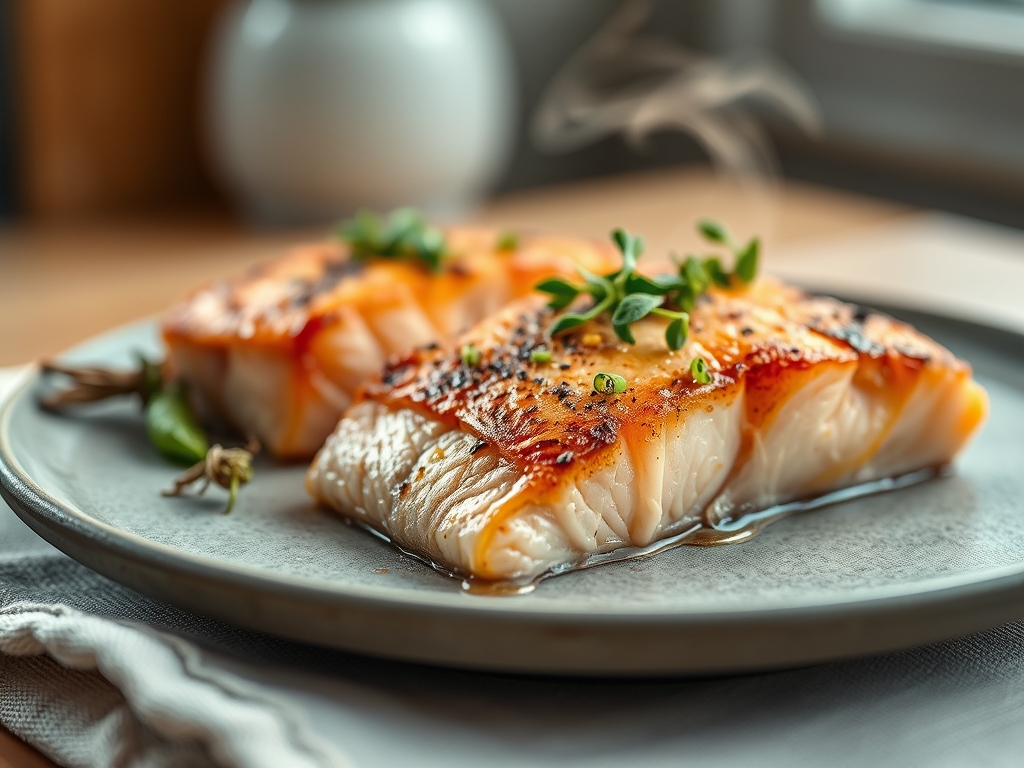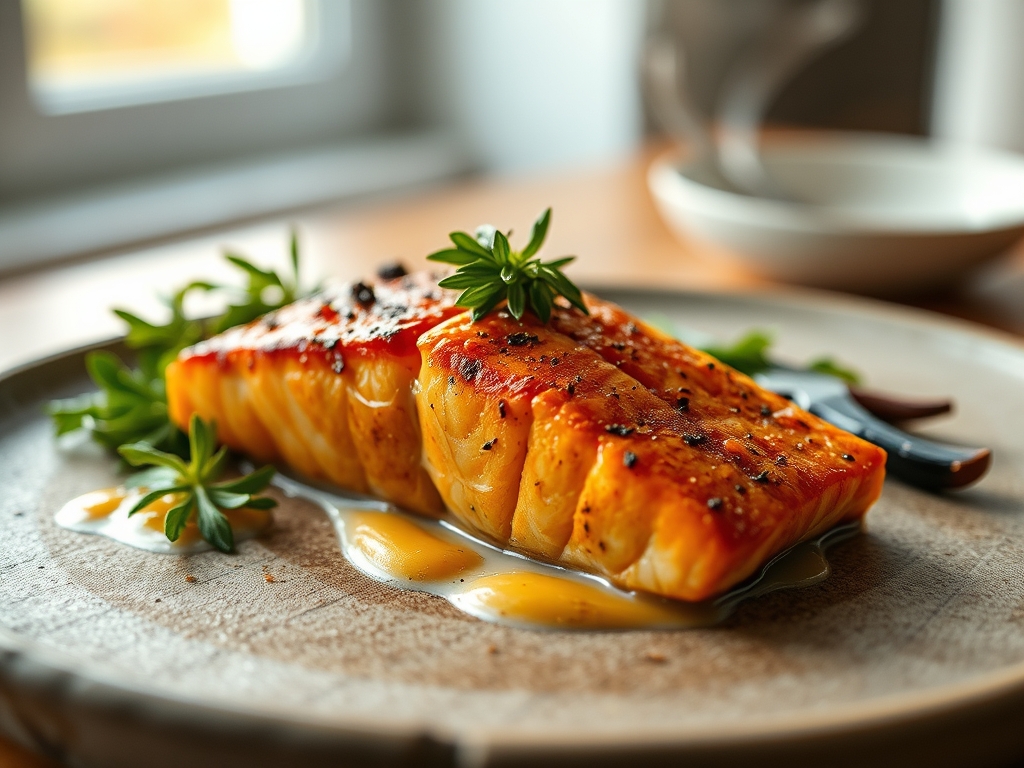
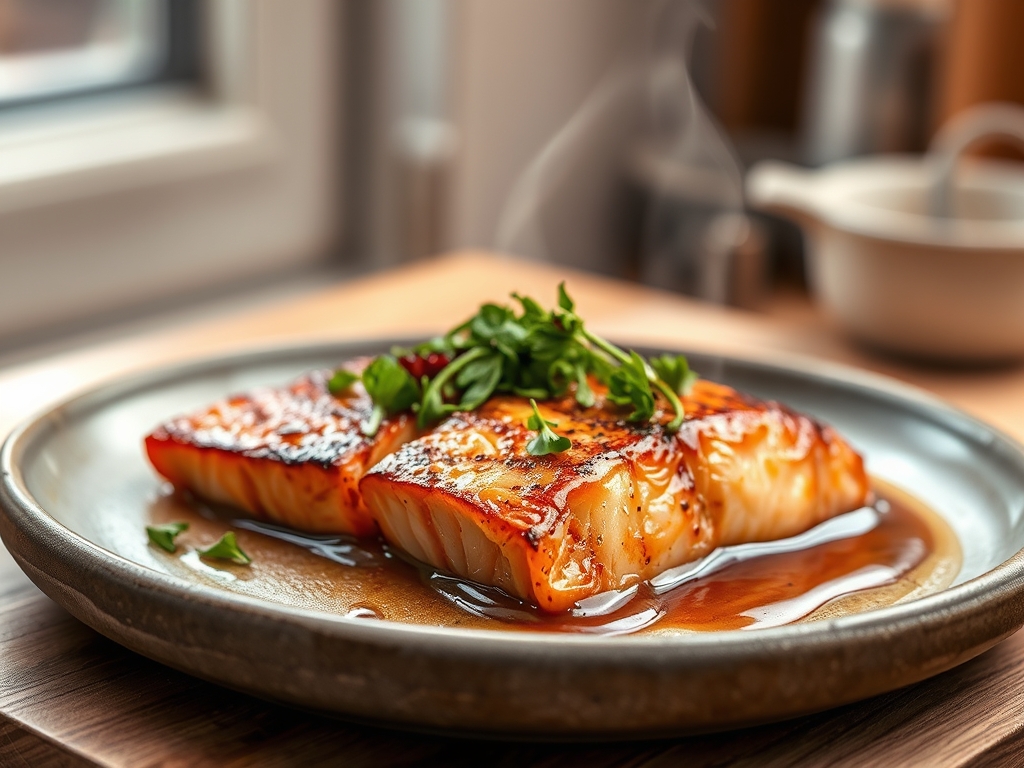
Imagine the sound of a cold, damp fillet hitting a shimmering layer of oil in a heavy-bottomed skillet. That sharp, aggressive hiss is the sound of moisture rapidly evaporating to make way for the golden, glass-like crust we crave. Achieving the perfect sear is the holy grail of serious eats salmon recipes; it is the difference between a sad, grey slab of protein and a restaurant-quality masterpiece. We are chasing that specific contrast: a skin so crisp it shatters like parchment paper, protecting a center that remains translucent, buttery, and barely set.
Most home cooks treat salmon like a chore, but we are going to treat it like a chemistry experiment with delicious consequences. To get there, we have to respect the biology of the fish. Salmon is rich in long-chain omega-3 fatty acids and connective tissues that behave differently than beef or chicken. If you have ever been frustrated by that weird white goo (albumin) leaking out of your fish, or skin that sticks to the pan like superglue, you are in the right place. We are going to master the thermal dynamics of the stovetop to ensure every bite is a textural triumph.
The Gathers:
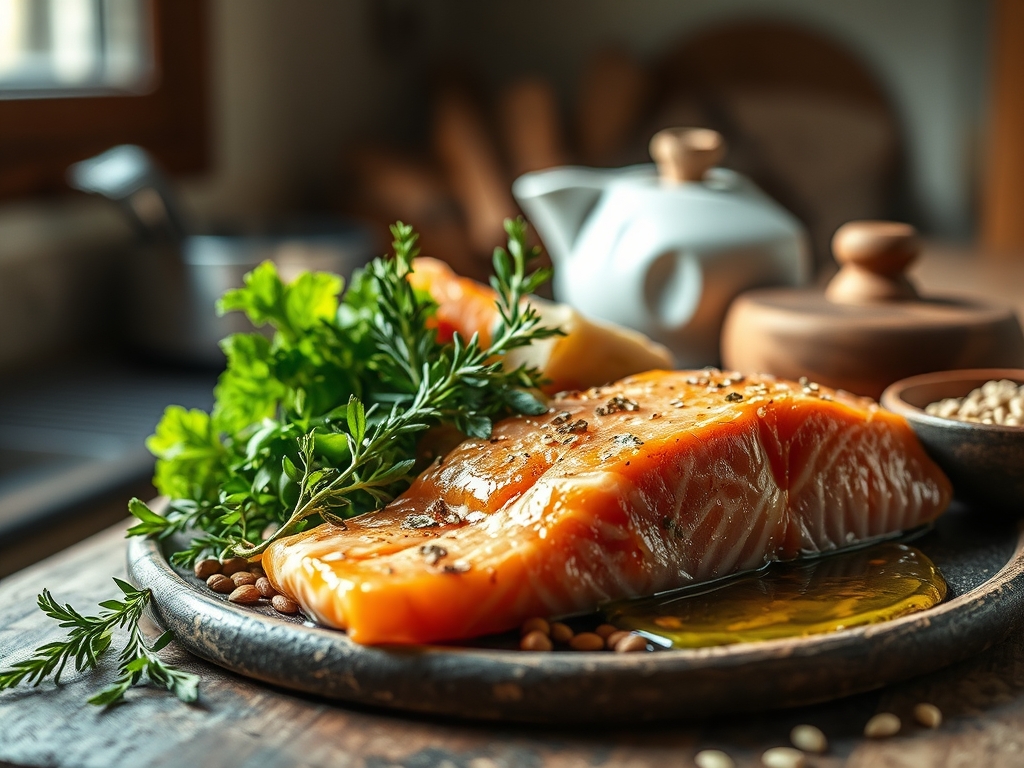
To execute these serious eats salmon recipes with precision, your mise-en-place must be immaculate. Start with center-cut Atlantic or King salmon fillets, ideally 6 to 8 ounces each. You will need a high-smoke-point fat; avocado oil or clarified butter (ghee) is superior to extra virgin olive oil here because we need to reach 400 degrees Fahrenheit without the oil breaking down into acrid smoke.
Gather your aromatics: fresh thyme sprigs, crushed garlic cloves, and a lemon for zest. You will also need a "dry brine" component consisting of kosher salt and a pinch of sugar. The sugar is not for sweetness; it acts as a catalyst for the Maillard reaction, helping the proteins brown at a slightly lower temperature.
Smart Substitutions: If you cannot find high-quality fresh salmon, frozen "flash-thawed" fillets are scientifically acceptable because the rapid freezing process prevents large ice crystals from rupturing the cell walls. For a piquant twist, swap the lemon for lime and use neutral grapeseed oil if avocado oil is unavailable. Always have your digital scale ready to ensure uniform fillet weight, which guarantees even cooking across the pan.
The Clock
Efficiency in the kitchen is about "Chef's Flow," which means aligning your tasks so no heat is wasted. Your total active prep time is exactly 15 minutes, primarily focused on moisture removal and seasoning. The cooking phase is a rapid 8 to 10 minutes.
The most critical time block is the "Resting Phase." You must allow the fish to sit for at least 3 to 5 minutes after it leaves the heat. This allows for thermal carryover, where the internal temperature continues to rise by 5 degrees while the muscle fibers relax, reabsorbing the internal juices. If you cut into it immediately, those viscous oils will spill onto the plate instead of staying inside the flake.
The Masterclass
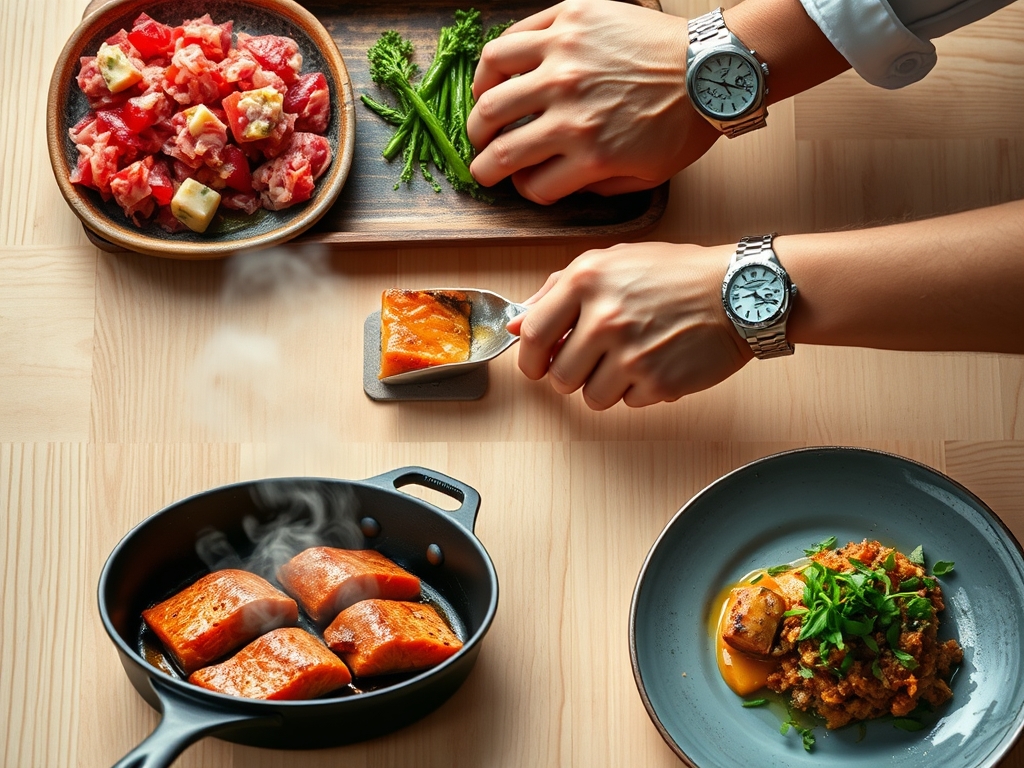
1. The Desiccation Ritual
Use a paper towel to press firmly onto the skin and flesh of the fish. Moisture is the enemy of the sear. If the surface is wet, the energy of the pan goes into boiling water rather than browning protein.
Pro Tip: This is about latent heat of vaporization. By removing surface water, you bypass the "steaming" phase and move directly into the Maillard reaction, where amino acids and sugars create complex flavor compounds.
2. The Cold-Pan Press
Place your fillets skin-side down in a cold, heavy-bottomed skillet before turning the heat to medium-high. Use a flexible fish spatula to press the fillet flat against the metal for the first 30 seconds of heating.
Pro Tip: Salmon skin contains collagen that contracts violently when hitting heat, causing the fish to curl. Pressing it flat ensures maximum surface contact, allowing the fat to render evenly across the entire skin surface.
3. The Uninterrupted Sear
Once the fish is in the pan, leave it alone. Do not poke, prod, or slide it. Wait until you see the opaque color of the cooked flesh creep up about one-third of the way from the bottom of the fillet.
Pro Tip: This is "kinetic energy management." Constant movement drops the surface temperature of the pan. Let the heat build a crust that naturally releases from the metal once the proteins have fully denatured.
4. The Aromatic Baste
Flip the fish gently using tongs and a spatula. Drop in your butter, garlic, and thyme. As the butter foams, tilt the pan and use a large spoon to shower the hot, flavored fat over the crispy skin.
Pro Tip: This is an infusion technique. The fat-soluble compounds in the garlic and herbs are carried by the butter into the nooks and crannies of the fish, adding depth without overcooking the delicate interior.
5. The Temperature Check
Use an instant-read thermometer to pull the salmon when the thickest part hits 125 degrees Fahrenheit for medium-rare or 130 degrees for medium.
Pro Tip: Salmon proteins begin to tighten and squeeze out moisture (albumin) once they pass 140 degrees. Pulling early accounts for thermal carryover, ensuring a succulent, translucent center.
The Deep Dive
From a macro nutrition perspective, this preparation is a powerhouse. A standard 6-ounce serving provides roughly 34 grams of high-quality protein and 22 grams of healthy fats. It is naturally Keto and Gluten-Free. For a Vegan alternative, the same searing techniques can be applied to "King Oyster Mushroom steaks," which mimic the dense, meaty texture of fish when deglazed with soy sauce and seaweed broth.
The Fix-It: Common Pitfalls
- The Albino Ooze: If white gunk appears, your heat was too high too fast. Fix it by dry-brining with salt for 10 minutes before cooking to partially dissolve the muscle proteins.
- The Sticky Situation: If the skin sticks, do not force it. It usually means the pan wasn't seasoned or the protein hasn't finished browning. Add a teaspoon of oil to the "sticking" spot and wait 30 seconds.
- The Soggy Bottom: If the skin loses its crunch, it is likely because you rested it on a flat plate. Rest your salmon on a wire cooling rack to allow air to aerate the bottom.
Meal Prep Science: To reheat salmon without it becoming "fishy" or dry, avoid the microwave. Use a toaster oven at 275 degrees with a splash of water in the tray to create a gentle steam environment that rehydrates the fats without re-cooking the proteins.
The Wrap-Up
Mastering serious eats salmon recipes is about moving from "cooking by vibes" to "cooking by physics." When you understand how moisture, heat, and fat interact, you gain the confidence to pivot and experiment. You now have the blueprint for a fillet that boasts a crackling skin and a melt-in-your-mouth interior. Grab your skillet, dry those fillets, and go create something incredible. Your kitchen is now a high-end bistro; enjoy the results of your scientific precision!
The Kitchen Table
How do I prevent salmon from sticking to the pan?
Ensure the pan is preheated and the fish is bone-dry. Use a thin, flexible metal spatula to gently lift the edge. If it resists, the Maillard crust has not fully formed; give it another thirty seconds to release naturally.
Why does white stuff come out of my salmon?
That white substance is albumin, a protein that coagulates and pushes to the surface when the muscle fibers contract too quickly. To minimize this, cook the fish at a lower temperature or use a salt brine to relax the fibers.
Can I cook salmon straight from the fridge?
Yes, and it is actually preferred for a perfect sear. Cold flesh allows you to achieve a hard, crispy crust on the outside without overcooking the delicate center. Just ensure the surface moisture is thoroughly patted dry first.
What is the best oil for searing salmon?
Use an oil with a high smoke point, such as avocado, grapeseed, or refined light olive oil. Avoid extra virgin olive oil or unrefined coconut oil, as they will burn and become bitter at the high temperatures required for crisp skin.