Imagine the sound of a knife blade shattering through a crust so crisp it mimics glass. The potato is the ultimate culinary chameleon; it is a humble tuber capable of transforming into velvet or armor depending on how you manipulate its starch molecules. If your side dish routine feels like a repetitive loop of basic mashes, it is time to pivot toward these crazy potato recipes that prioritize texture and chemical precision. We are moving beyond the simple boil and bake to embrace the complex beauty of the Maillard reaction.
The secret to a transcendent potato dish lies in the balance of moisture and heat. When we treat potatoes with the respect they deserve, we are not just cooking; we are engineering a sensory experience. Whether we are laminating thin slices into a buttery brick or subjecting them to a high-pressure steam before a deep sear, the goal is always the same: maximum surface area for browning and a cloud-like interior. Let us sharpen our knives and prepare to redefine what this root vegetable can do on a weeknight.
The Gathers:
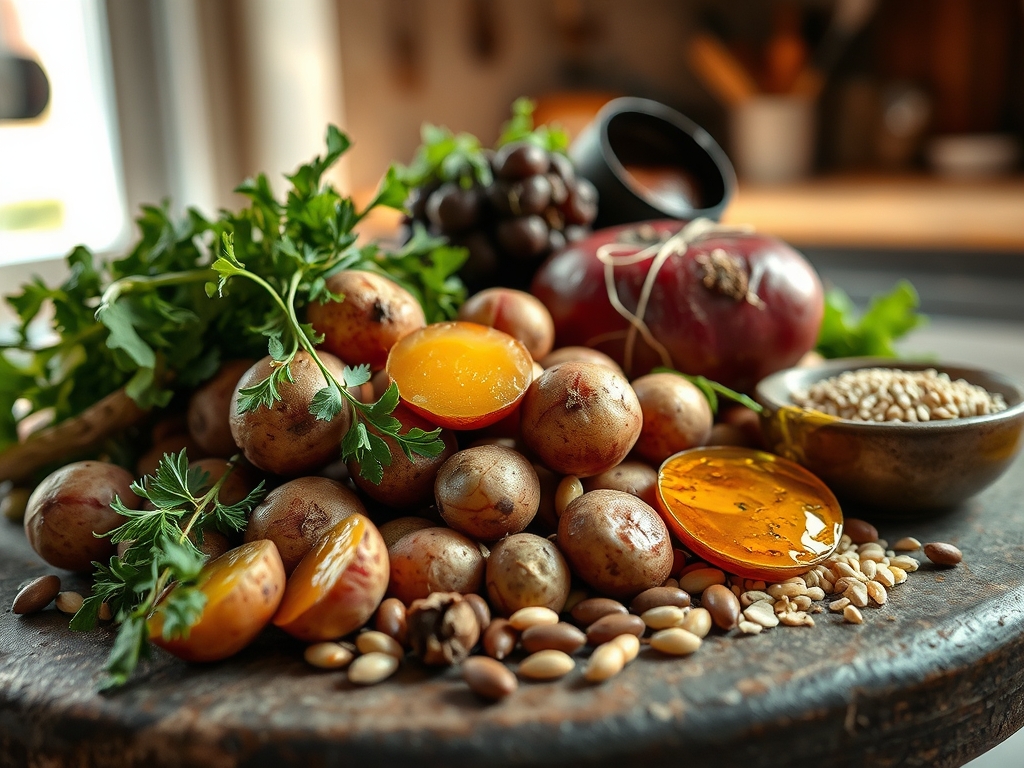
To execute these crazy potato recipes with professional finesse, your mise-en-place must be exact. You will need high-starch varieties like Russets for fluffiness and waxy Yukon Golds for structural integrity. Your pantry should boast high-smoke-point fats like clarified butter or duck fat; these allow for intense searing without the bitter notes of burnt milk solids. Have your microplane ready for zesting citrus or grating hard cheeses, and ensure your digital scale is calibrated for precise flour-to-potato ratios in dough-based variants.
Smart Substitutions: If you lack duck fat, beef tallow provides a similar savory depth. For a vegan profile, use refined coconut oil to achieve a crisp exterior without the coconut flavor. If you are avoiding nightshades but crave the texture, parsnips offer a similar starch profile though they contain more natural sugars, which means they will caramelize much faster than a standard spud.
The Clock:
Mastering the "Chef's Flow" is about overlapping tasks to minimize downtime. Expect a total active prep time of 40 minutes, with passive cooking times ranging from 20 to 90 minutes depending on the density of the dish. Start with your longest cook-time items, such as the slow-roasted fondant potatoes, then move to high-heat tasks like searing. Use a saucier to whisk together emulsified toppings while the potatoes undergo their final crisping phase. This ensures everything hits the table at the peak of its thermal potential.
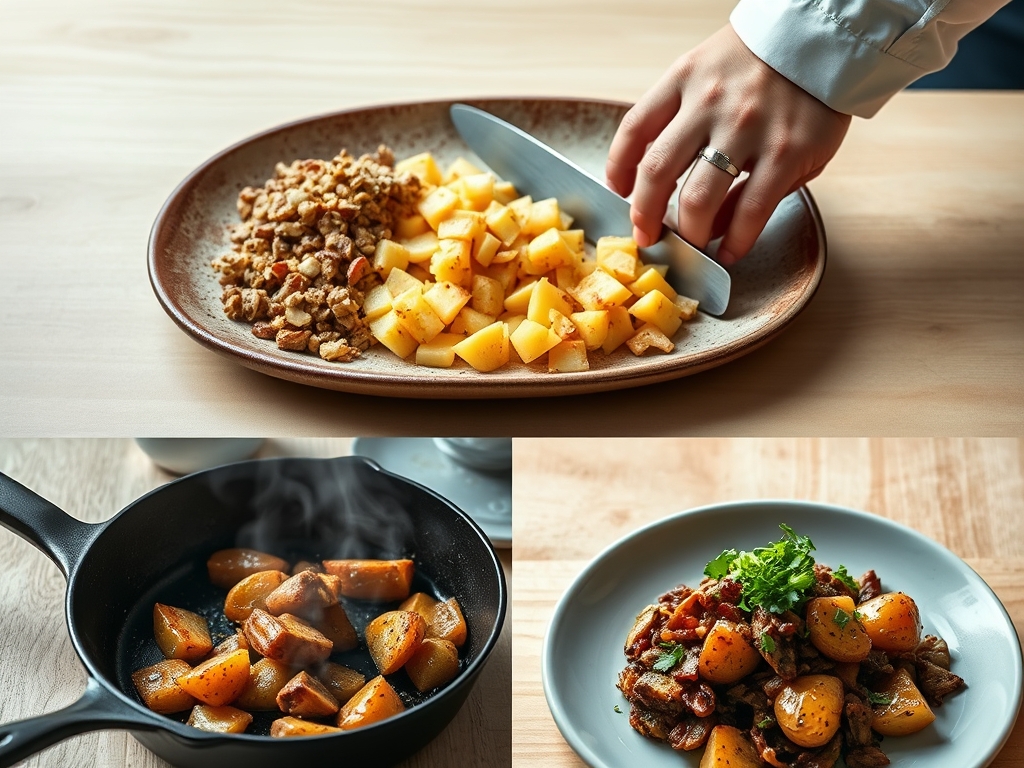
The Masterclass:
1. The 15-Hour Potato Brick
Using a mandoline, slice your potatoes into translucent sheets. Layer them in a parchment-lined tin with melted butter and salt, pressing them down firmly. Bake at a low temperature until tender, then weight them down in the fridge overnight. The next day, cut them into cubes and deep-fry.
Pro Tip: This relies on starch retrogradation. Cooling the cooked potato allows the starch molecules to realign into a rigid structure, which creates those distinct, shatteringly crisp layers when reintroduced to high heat.
2. Smashed Lemon-Garlic Crisps
Boil baby potatoes in highly salted water until the skins begin to pull away. Use a bench scraper to flatten them into discs, then sear in a heavy-bottomed skillet with olive oil and aromatics.
Pro Tip: Adding baking soda to the boiling water raises the pH level. This breaks down the pectin on the potato's surface, creating a starchy slurry that browns into a thick, crunchy crust during the frying stage.
3. Miso-Butter Fondant Potatoes
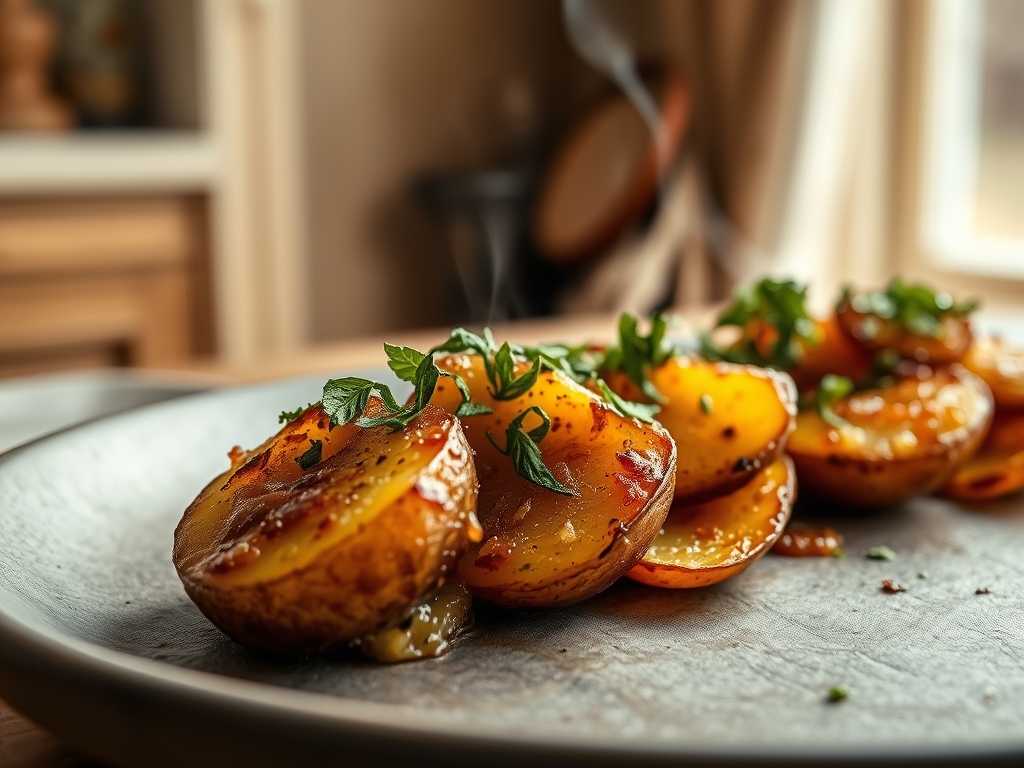
Cut potatoes into uniform cylinders and sear the ends in a skillet. Deglaze with a mixture of dashi and miso, then transfer the whole pan to the oven to braise until the liquid is reduced to a viscous glaze.
Pro Tip: This technique utilizes osmotic pressure. The savory liquid moves into the cells of the potato, seasoning it from the inside out while the fat sears the exterior.
4. Whipped Goat Cheese Mash
Boil peeled Yukon Golds and pass them through a ricer to ensure zero lumps. Fold in room-temperature goat cheese and heavy cream using a silicone spatula.
Pro Tip: Never use a food processor for mash. The high-speed blades tear the starch granules, releasing amylose and turning your side dish into a gummy, glue-like paste.
5. Parmesan-Crusted Hasslebacks
Slice the potato nearly all the way through at 2mm intervals. Brush with a garlic-infused oil and roast. Halfway through, shove shards of Parmesan between the layers.
Pro Tip: This increases the surface-area-to-volume ratio. More surface area means more room for the Maillard reaction, the chemical bridge between amino acids and reducing sugars that creates savory flavors.
6. Truffle-Infused Potato Carpaccio
Shave raw potatoes into paper-thin rounds and soak in ice water to remove excess surface starch. Pat dry and fry quickly until they curl into delicate ribbons, then finish with truffle salt.
Pro Tip: Soaking prevents the slices from sticking together. Removing the surface starch allows the oil to contact the potato cells directly, ensuring a uniform golden hue.
7. The Ultimate Loaded Hasselback
Take the traditional Hasselback and fill the gaps with sharp cheddar and thick-cut bacon bits. Return to the oven until the cheese is infused with the smoky fat.
Pro Tip: Use tongs to gently pry the slices apart without snapping the base. This allows the heat to circulate into the center of the tuber for even cooking.
8. Chimichurri Roasted Wedges
Toss thick wedges in a high-heat oil and roast at 425 degrees. Once they are blistered, toss them in a bowl with a fresh, piquant chimichurri made of parsley, oregano, and vinegar.
Pro Tip: Acid should always be added at the end. If you add vinegar before roasting, the acid will toughen the cell walls of the potato and prevent it from softening properly.
The Deep Dive:
Potatoes are a nutritional powerhouse, providing more potassium than a banana and a significant hit of Vitamin C. For those on a Keto diet, these recipes can be adapted using radishes or cauliflower, though the starch chemistry will differ. Vegan diners should prioritize high-quality olive oils or avocado oil to maintain the richness.
The Fix-It:
- Soggy Potatoes: Usually caused by overcrowding the pan. The moisture escaping the potatoes turns to steam rather than evaporating, which kills the crunch. Use two pans if necessary.
- Grey Mash: This is enzymatic browning. Keep peeled potatoes submerged in cold water until the moment they go into the boiling pot to prevent oxygen from reacting with the phenols.
- Burnt Garlic: If your aromatics turn bitter, you added them too early. Add garlic and delicate herbs in the last 3 minutes of roasting.
Meal Prep: To reheat and maintain "day-one" quality, avoid the microwave. Use an air fryer or a hot oven to re-crisp the exterior. This evaporates any moisture that migrated from the center to the crust during refrigeration.
The Wrap-Up:
Elevating your dinner game does not require a complete menu overhaul; it just requires a smarter approach to the ingredients you already have. By focusing on starch manipulation and temperature control, these crazy potato recipes turn a pantry staple into a gourmet highlight. Grab your heavy-bottomed skillet and start experimenting with those textures. Your kitchen is now a lab for the most delicious science experiment you have ever tasted.
The Kitchen Table:
Why are my roasted potatoes always soft?
You likely overcrowded the pan or didn't dry the potatoes enough. Excess moisture creates steam, which prevents the Maillard reaction. Use a large baking sheet and pat the potatoes dry with a paper towel before oiling them.
What is the best potato for frying?
Russets are the gold standard for frying. Their high starch and low moisture content result in a light, fluffy interior and a sturdy, golden-brown exterior that holds its shape after leaving the oil.
Can I make these recipes ahead of time?
Yes, most can be par-boiled or sliced in advance. Store cut potatoes in cold water in the fridge to prevent oxidation. For the "15-hour" version, the overnight chill is actually a mandatory part of the process.
How do I get the skin extra crispy?
Add a teaspoon of baking soda to your boiling water. It breaks down the exterior starch into a paste that, once roasted, dehydrates into an incredibly thick and crunchy layer that rivals any restaurant fry.