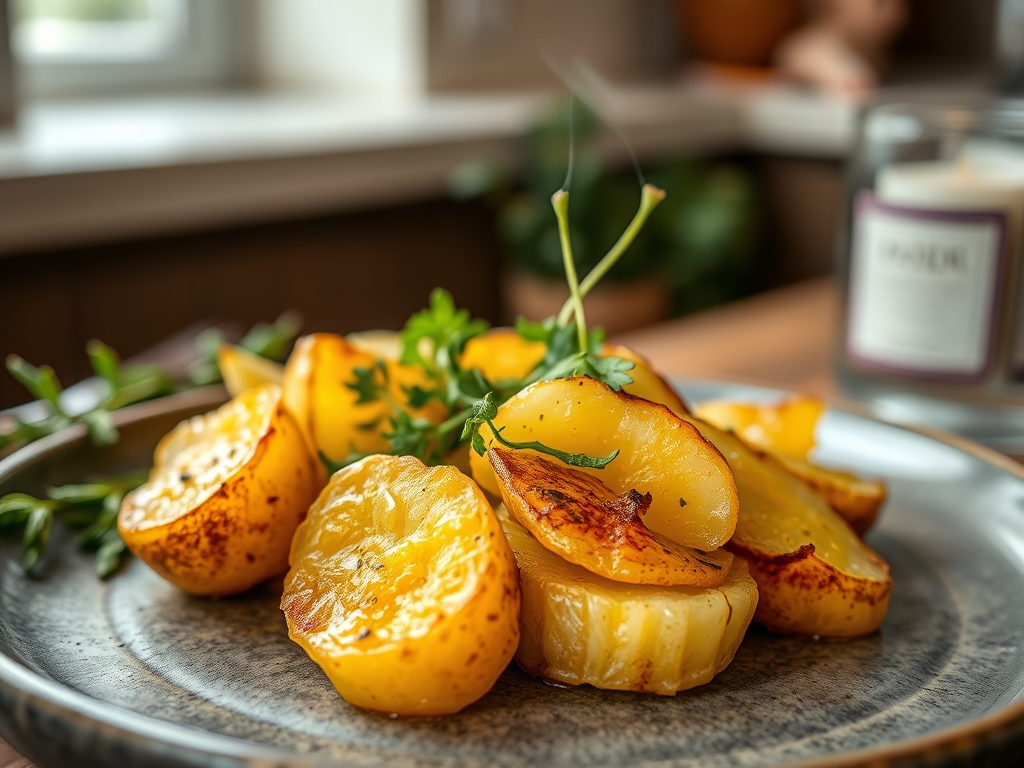
Picture a cast iron skillet sizzling on a French stovetop; the sound is a rhythmic crackle that signals the transformation of humble tubers into gold. We are chasing the perfect contrast between a shatter-crisp exterior and a creamy, velvet interior. Most lyonnaise potato recipes fail because they treat the potato like a side dish rather than the star of a chemical reaction. We are not just frying; we are orchestrating a precise balance of Maillard browning and lipid infusion. This dish is the soul of Lyon, a city that treats butter like a food group and onions like fine lace. To master this, you must understand how starch behaves under pressure and how sugar caramelizes in the presence of animal fat. It is a dance of heat management and patience.
The secret lies in the architecture of the slice. If your potatoes are too thin, they turn into chips; too thick, and they remain mealy and stubborn. We want that middle ground where the edges lace up into a brown crust while the centers remain pillowy. This is the ultimate comfort food for the intellectually curious cook. It is sophisticated yet primal. As we dive into these eight secrets, remember that your kitchen is a laboratory and every sizzle is data. We are about to turn a few simple ingredients into a legendary French staple that will make your brunch guests weep with joy.
The Gathers:
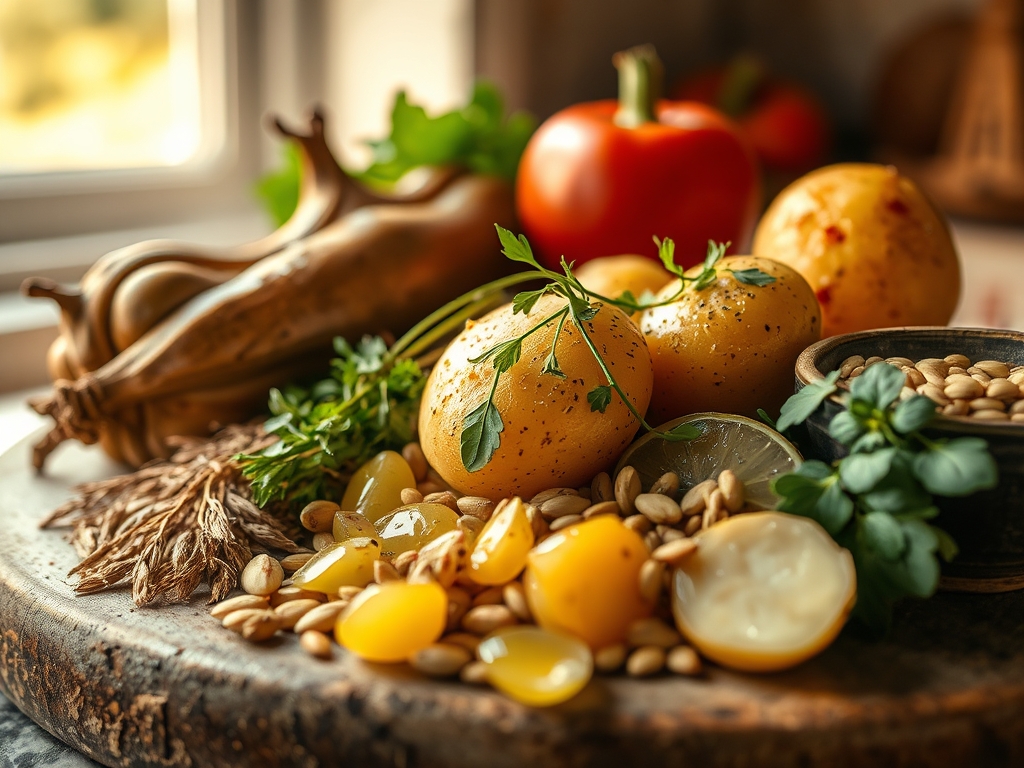
To execute this properly, your mise-en-place must be impeccable. You will need 2 lbs of Yukon Gold potatoes, chosen for their medium starch content and high amylopectin levels which ensure they hold their shape. You also need two large yellow onions, 4 tablespoons of unsalted European-style butter (which has a higher butterfat percentage and lower water content), and 3 tablespoons of a high-smoke-point oil like grapeseed. Do not forget the Maldon sea salt for texture and fresh flat-leaf parsley for a piquant, herbaceous finish.
Smart Substitutions: If you are out of Yukon Golds, red bliss potatoes offer a similar waxy profile that resists falling apart. For a deeper flavor profile, swap a portion of the butter for rendered duck fat; the flavor density is incomparable. If you lack fresh parsley, a small amount of dried chervil can provide that classic French aromatic profile without the bitterness of older dried herbs. Use a digital scale to ensure your ratios are exact, as the onion-to-potato balance is the fulcrum of this dish.
The Clock
The "Chef's Flow" for this recipe requires about 45 minutes of active engagement. You will spend 10 minutes on prep, focusing on precision slicing with a mandoline or a very sharp chef's knife. The parboiling stage takes 8 to 10 minutes; this is a critical window where we gelatinize the exterior starch. The final sauté and caramelization phase takes 20 to 25 minutes.
Total time is roughly 50 minutes. The flow is designed to prevent "crowding the pan," a cardinal sin that leads to steaming rather than searing. By staggering the onion caramelization and the potato browning, you ensure that neither ingredient is overcooked or mushy. Timing is everything in a high-heat environment.
The Masterclass
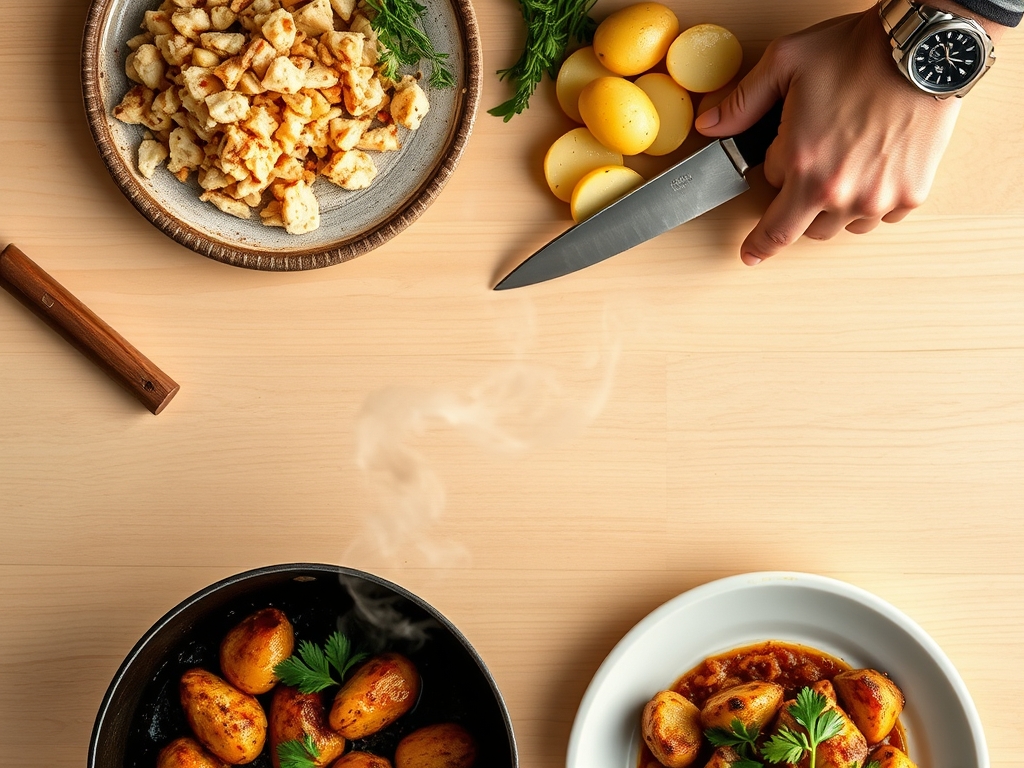
1. The Precision Slice
Use a mandoline to slice your potatoes into uniform 1/8-inch rounds. Consistency is not just about aesthetics; it ensures that every slice reaches the same level of thermal conductivity at the same time.
Pro Tip: Uniformity prevents enzymatic browning from occurring unevenly. By keeping slices consistent, you ensure the starch granules swell at the same rate during the parboiling phase.
2. The Alkaline Parboil
Place the slices in a saucier with cold salted water and a pinch of baking soda. Bring to a simmer until just fork-tender, then drain immediately.
Pro Tip: Adding baking soda raises the pH of the water, which breaks down the pectin on the potato's surface. This creates a starchy "slurry" that eventually dehydrates into an ultra-crisp crust in the pan.
3. The Onion Infusion
In a heavy-bottomed skillet, melt half the butter and oil. Sauté thinly sliced onions over medium heat until they reach a deep mahogany color. Use a bench scraper to clear the pan and set the onions aside.
Pro Tip: This is the Maillard reaction in its purest form. The long, slow cook transforms the onion's pungent sulfur compounds into complex, sweet molecules.
4. The Surface Dehydration
After draining the potatoes, spread them out on a baking sheet to air-dry for five minutes. This step is vital to remove surface moisture that would otherwise create steam.
Pro Tip: Removing moisture allows for immediate lipid-protein bonding when the potato hits the hot oil. Water is the enemy of the crunch.
5. The High-Heat Sear
Wipe the skillet and add the remaining oil. Arrange the potatoes in a single layer. Do not toss them immediately; let the bottom develop a hard, golden crust.
Pro Tip: This relies on conduction heating. Moving the potatoes too soon disrupts the formation of the crust and leads to "tearing" of the delicate starch surface.
6. The Butter Baste
Once the potatoes are flipped, add the remaining butter and the caramelized onions back into the pan. Use a spoon to baste the foaming butter over the potatoes.
Pro Tip: The foaming butter indicates that water is evaporating. This browning of milk solids (beurre noisette) adds a toasted, nutty aroma to the dish.
7. The Herb Aeration
Turn off the heat and toss in the freshly chopped parsley. Use tongs to gently fold the herbs through so they wilt slightly but retain their vibrant green color.
Pro Tip: Residual heat is enough to release the volatile oils in the parsley without scorching them, which would result in a muted, hay-like flavor.
8. The Final Seasoning
Finish with a flourish of flaky salt and a crack of black pepper from a high-quality mill. Serve immediately while the temperature is at its peak.
Pro Tip: Thermal carryover will continue to soften the very center of the potato for a few minutes after it leaves the pan, creating that perfect "snap-then-cream" texture.
The Deep Dive
Macro Nutrition: One serving typically contains 280 calories, 14g of fat (mostly from butter), 35g of carbohydrates, and 4g of fiber. While energy-dense, it provides significant potassium and vitamin C.
Dietary Swaps: For a Vegan version, substitute butter with a high-quality vegan block or extra virgin olive oil. For Keto, this dish is difficult to adapt; however, you can use the same technique with daikon radish rounds for a lower-carb alternative. It is naturally Gluten-Free.
The Fix-It:
- Soggy Potatoes: Usually caused by crowding. Fix: Remove half the potatoes and sear in two batches to allow steam to escape.
- Burnt Onions: If onions get too dark, deglaze the pan with a splash of water or white wine to stop the cooking and redistribute the sugars.
- Sticking: If potatoes stick to the skillet, the pan wasn't hot enough or the "crust" hasn't fully formed. Wait 60 seconds; the potato will often "release" itself once the crust is dry.
Meal Prep: To reheat, avoid the microwave at all costs. Use a dry skillet over medium heat to re-crisp the edges. The science of starch retrogradation means potatoes can become firm when cold, but a quick trip to a hot pan will re-gelatinize those starches for day-one quality.
The Wrap-Up
Mastering lyonnaise potato recipes is a rite of passage for any serious home cook. It is about moving beyond the "boil and mash" mentality and embracing the technical beauty of French bistrot cooking. When you get that perfect ratio of sweet, melted onions to salty, shattered potato crust, you have achieved culinary harmony. Take your time, watch your heat, and don't be afraid of the butter. Your kitchen now smells like a dream in the heart of Lyon.
The Kitchen Table
Which potato is best for Lyonnaise recipes?
Yukon Gold is the superior choice. Its medium starch content provides a creamy interior while holding its shape during the sauté process. Avoid starchy Russets, which tend to crumble, or overly waxy fingerlings that won't crisp as effectively.
Why do my potatoes stick to the pan?
Sticking occurs if the pan is not sufficiently preheated or if you try to flip the potatoes before the Maillard crust has formed. Ensure your oil is shimmering and wait for the potato to naturally release from the surface.
Can I make Lyonnaise potatoes ahead of time?
You can parboil the potatoes and caramelize the onions up to 24 hours in advance. Store them separately in the refrigerator. Perform the final high-heat sear just before serving to ensure the texture remains crisp and the fat stays emulsified.
Do I have to peel the potatoes?
Traditional lyonnaise potato recipes call for peeled potatoes to achieve a refined, uniform look. However, leaving the skins on adds rustic texture and extra nutrients. If skipping the peel, ensure you scrub the tubers thoroughly to remove all grit.