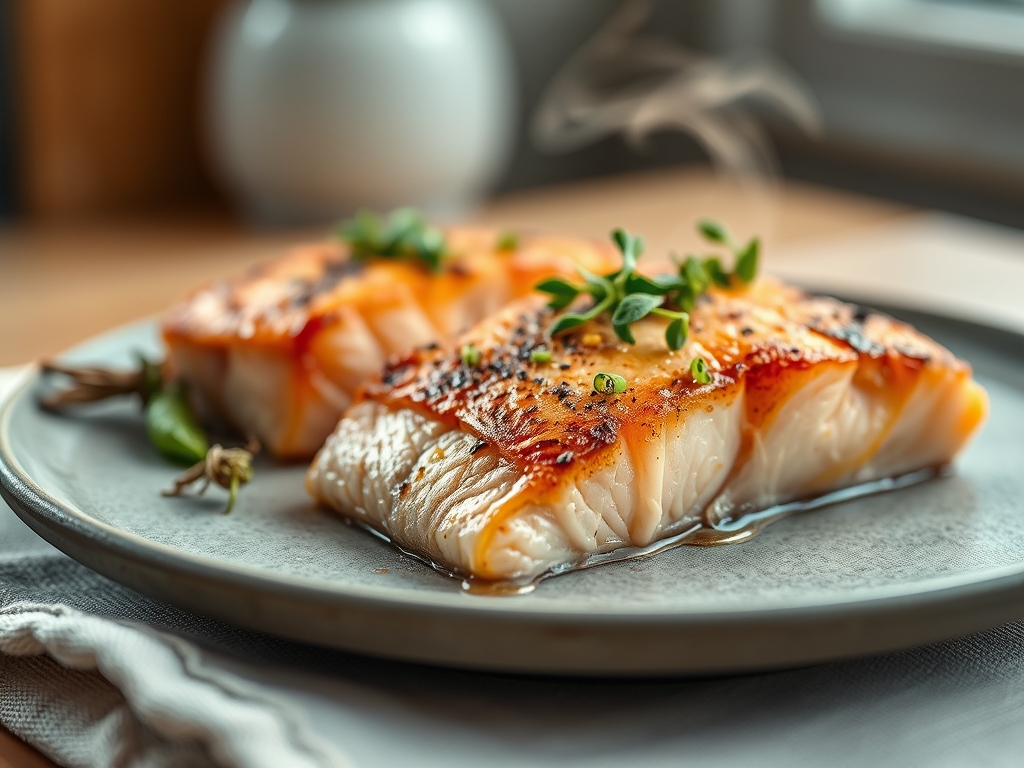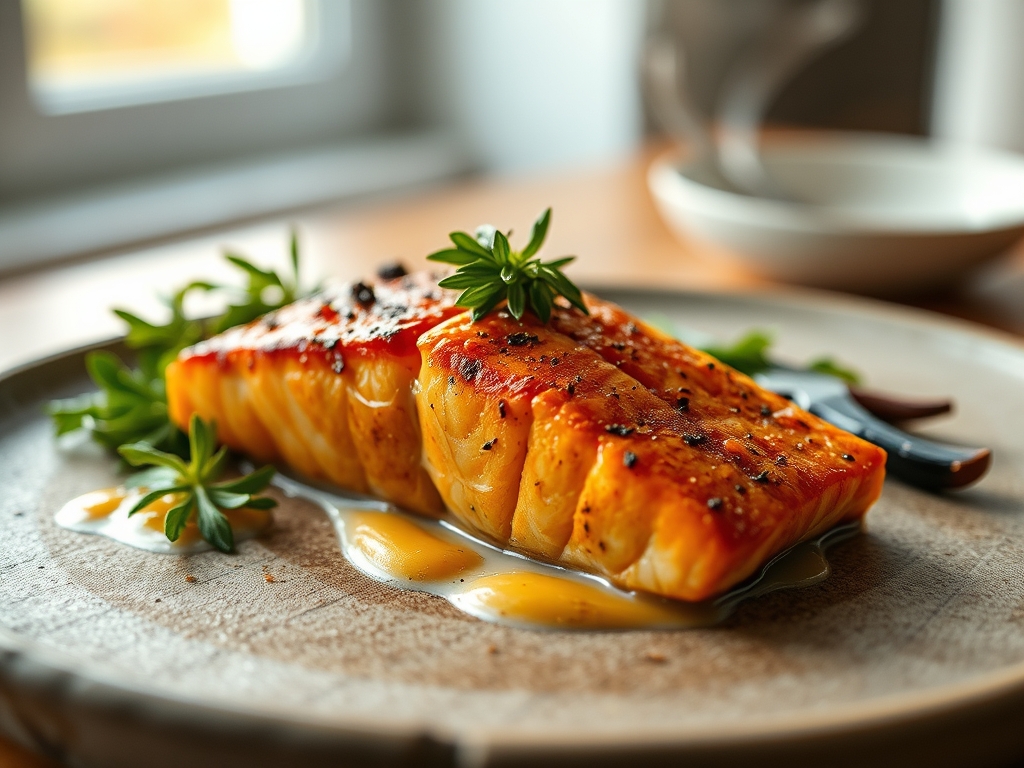
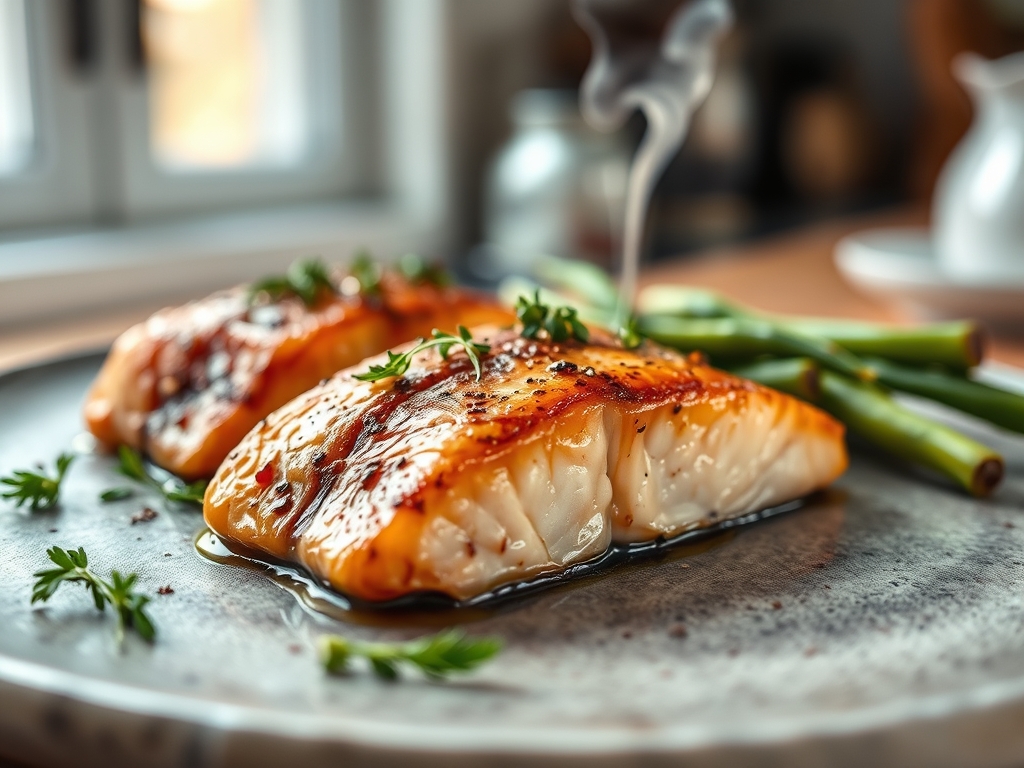
Imagine the scent of cedar smoke dancing through the crisp morning air while the sound of a rushing river provides the rhythm for your morning. There is something deeply primal and incredibly sophisticated about native american salmon recipes; they represent a perfect marriage of ancestral wisdom and the raw, unadulterated power of the Pacific Northwest. When you handle a side of wild-caught King or Sockeye, you are not just prepping dinner; you are engaging with a culinary lineage that spans millennia. We are moving beyond the basic pan-sear here. We are talking about the delicate art of wood-fire infusion, the precision of salt-curing, and the scientific beauty of rendering fat until the skin shatters like glass. As your kitchen-side bestie and resident science geek, I am going to show you how to respect the fish by understanding the molecular changes happening under the heat. We will explore how traditional methods actually optimize the bioavailability of Omega-3 fatty acids while creating a flavor profile that is earthy, piquant, and utterly unforgettable. Grab your apron; we are going to make magic.
The Gathers:
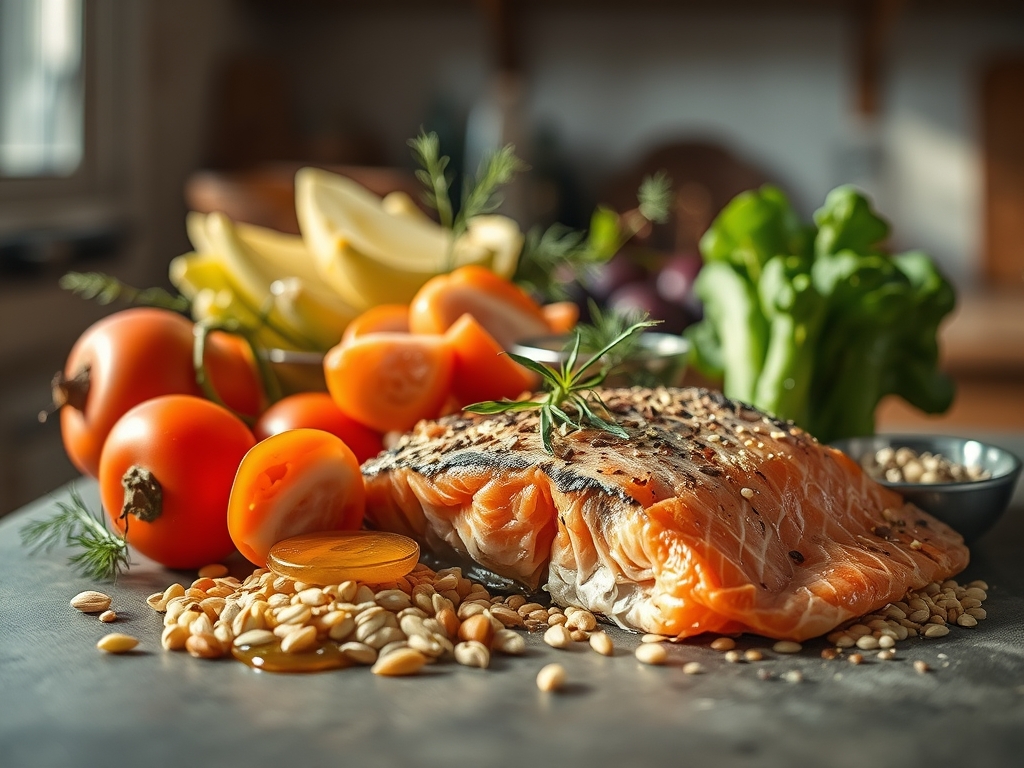
To execute these native american salmon recipes with precision, your mise-en-place must be impeccable. We start with the star: a three-pound side of wild-caught salmon, preferably skin-on to protect the delicate flesh. You will need high-quality sea salt; the coarse grains are essential for drawing out moisture through osmosis to firm up the protein structure. For the aromatic profile, gather fresh cedar planks or alder wood chips, which provide the volatile organic compounds necessary for that authentic smoky depth. You will also need maple syrup or birch syrup to act as a humectant, ensuring the glaze creates a tacky, viscous coating that traps moisture.
Smart Substitutions: If you cannot source birch syrup, a dark Grade A maple syrup works beautifully. For those without access to a traditional fire pit, a heavy-bottomed skillet or a cast-iron pan paired with liquid smoke (used sparingly) can mimic the effect. If wild salmon is out of season, look for "sustainably farmed" Steelhead trout; it has a similar fat content and reacts identically to the Maillard reaction when exposed to high heat. Always use a microplane for your aromatics like ginger or garlic to ensure they melt into the marinade rather than burning on the surface.
The Clock
Efficiency in the kitchen is all about the "Chef's Flow." Total preparation time for these techniques is roughly 30 minutes, but the "inactive" time is where the alchemy happens. You should allow 40 minutes for the wood planks to soak and 20 minutes for the salmon to come to room temperature. The actual cooking time varies between 12 to 18 minutes depending on the thickness of the fillet.
The flow is simple: soak your wood, prep your glaze, temper your fish, and then fire. By tempering the salmon (bringing it to room temp), you prevent thermal shock, which causes the muscle fibers to contract violently and squeeze out the white albumin protein. This keeps your fish succulent and aesthetically pleasing.
The Masterclass
1. The Salt Cure and Temper
Begin by patting the salmon bone-dry with paper towels. Use a digital scale to measure out 2 percent salt by weight and sprinkle it evenly over the flesh. Let it sit for 20 minutes.
Pro Tip: This process, known as denaturation, partially breaks down the protein strands. This allows the fish to retain more moisture during the cook and prevents the "white gunk" (albumin) from leaking out excessively.
2. The Cedar Infusion
If using planks, submerge them in salted water. Place the salmon skin-side down on the wood. This creates a barrier between the direct heat and the delicate fats.
Pro Tip: The water in the wood turns to steam, creating a localized high-humidity environment. This prevents the edges from dehydrating before the center reaches the target internal temperature.
3. Creating the Glaze
In a small saucier, combine your syrup, berries, and a splash of apple cider vinegar. Simmer until the liquid is viscous enough to coat the back of a spoon.
Pro Tip: This is a reduction process that concentrates sugars and acids. The acidity is crucial; it balances the heavy lipids in the salmon, providing a "bright" finish on the palate.
4. The Initial Fire
Place your salmon in the oven or on the grill at 375 degrees Fahrenheit. We are looking for a gentle rise in temperature to avoid rendering out all the healthy oils.
Pro Tip: Use an instant-read thermometer. You are aiming for a thermal carryover effect. If you pull the fish at 125 degrees, it will climb to a perfect 130 degrees while resting.
5. The Glaze Application
Brush the berry reduction onto the salmon during the last five minutes of cooking. Do not do this too early, or the sugars will undergo pyrolysis (burning) rather than caramelization.
Pro Tip: Applying the glaze late ensures the sugars reach the "soft ball" stage, creating a glossy, piquant veneer that clings to the flakes.
6. The Hard Sear (Optional)
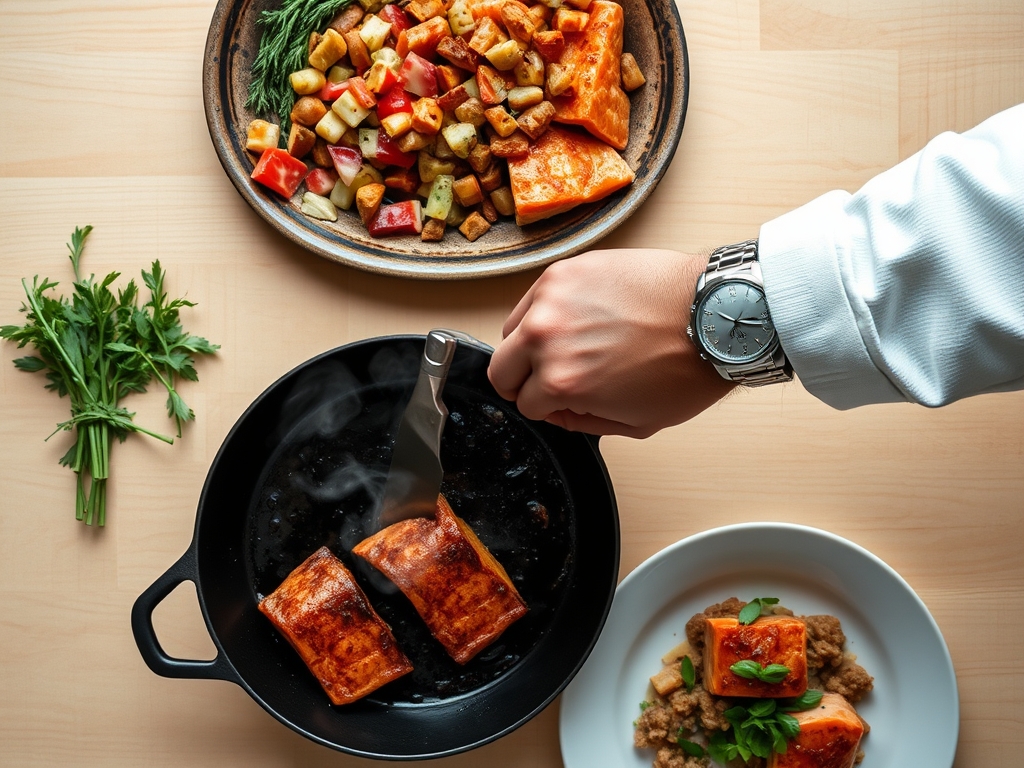
If you prefer a crispy skin, use a bench scraper to carefully lift the fish and finish it skin-side down in a hot heavy-bottomed skillet for 60 seconds.
Pro Tip: This triggers the Maillard reaction, creating hundreds of new flavor compounds that are not present in steamed or boiled preparations.
7. The Rest
Transfer the salmon to a warm platter. Cover it loosely with foil; do not crimp the edges or you will steam the crust you just worked so hard to create.
Pro Tip: Resting allows the internal juices to redistribute. If you cut into it immediately, the viscosity of the internal fats is too low, and the juices will run out, leaving the meat dry.
8. The Aerated Finish
Just before serving, use a microplane to zest fresh lemon over the top and add a pinch of flaky finishing salt.
Pro Tip: The citrus oils are volatile. Adding them at the very end ensures the aroma hits the diner's nose before the first bite, enhancing the overall sensory experience.
The Deep Dive
Macro Nutrition: Salmon is a powerhouse of nutrition. A 6-ounce serving provides roughly 34 grams of high-quality protein and 13 grams of healthy fats. It is one of the few natural sources of Vitamin D, which is essential for bone health and immune function.
Dietary Swaps: For a Vegan alternative, use large slabs of King Oyster mushrooms or "steaks" of cauliflower; use the same cedar-plank method to infuse that smoky flavor. For Keto followers, swap the maple syrup for a monk fruit sweetener or simply omit the glaze and use a compound herb butter. This recipe is naturally Gluten-Free.
The Fix-It:
- Fish is sticking: You likely didn't let the pan get hot enough or the skin wasn't dry. Next time, use a thin metal spatula and wait for the protein to naturally release.
- White stuff everywhere: This is albumin. It means the heat was too high too fast. Lower the temp and ensure you salt-cure beforehand.
- Smoky but bland: You need more acid. A squeeze of lemon or a splash of vinegar in the glaze is the "key" that unlocks the flavor.
Meal Prep: To reheat salmon without it turning into rubber, avoid the microwave. Use a low oven (275 degrees) with a splash of water in the pan, covered tightly. This creates a "steam oven" effect that gently re-hydrates the fats.
The Wrap-Up
Mastering native american salmon recipes is about more than just following a timer; it is about intuition and respect for the ingredient. By using professional tools like a saucier and a digital scale, and understanding the science of osmosis and thermal carryover, you have leveled up from a home cook to a culinary artist. These flavors are bold, earthy, and steeped in history. Now, go share this feast with your favorite people and tell them all about the chemistry of that perfect, glossy glaze.
The Kitchen Table
How do I prevent salmon from drying out?
Always pull the salmon off the heat when it hits 125 degrees Fahrenheit. The thermal carryover will bring it to the ideal 130 degrees while it rests, ensuring the internal fats remain liquid and the meat stays succulent.
Can I use frozen salmon for these recipes?
Yes, but thaw it slowly in the refrigerator for 24 hours. Once thawed, pat it extremely dry with paper towels to remove excess moisture, which prevents the skin from getting soggy during the cooking process.
What is the best wood for smoking salmon?
Alder wood is the traditional choice for native american salmon recipes because it has a light, slightly sweet smoke profile. Cedar is also excellent for planks, but ensure it is food-grade and untreated to avoid toxins.
Why should I leave the skin on?
The skin acts as a natural insulator, protecting the delicate flesh from direct heat. It also contains a high concentration of Omega-3 fatty acids which render during cooking, basting the fish from the bottom up for maximum flavor.