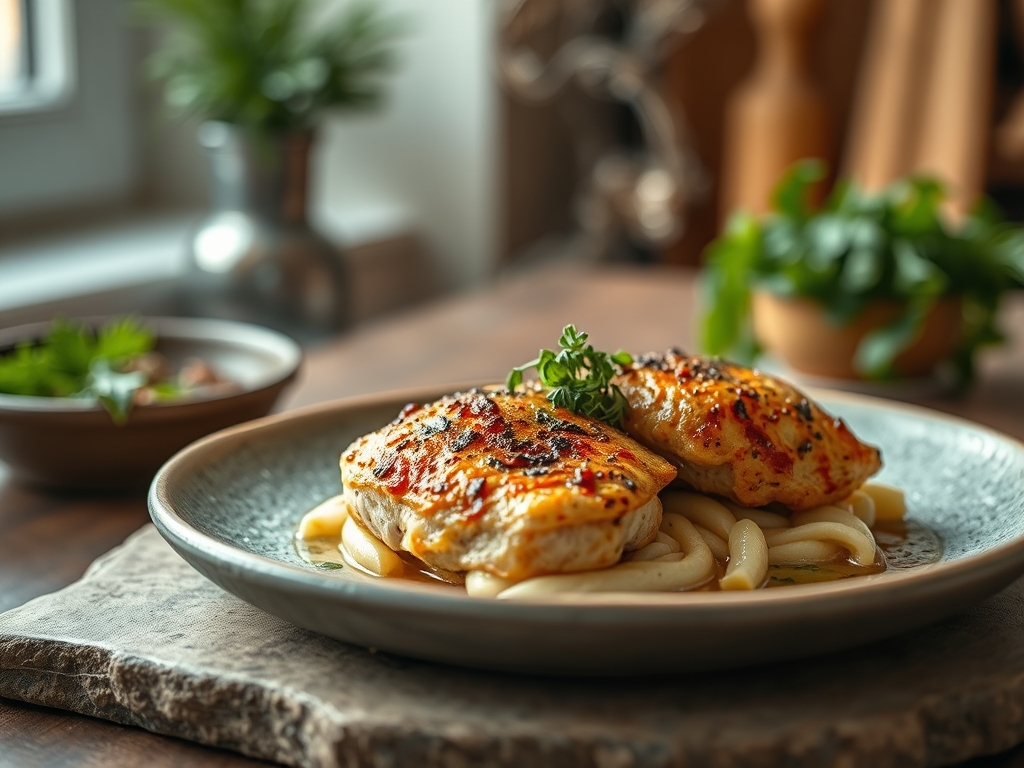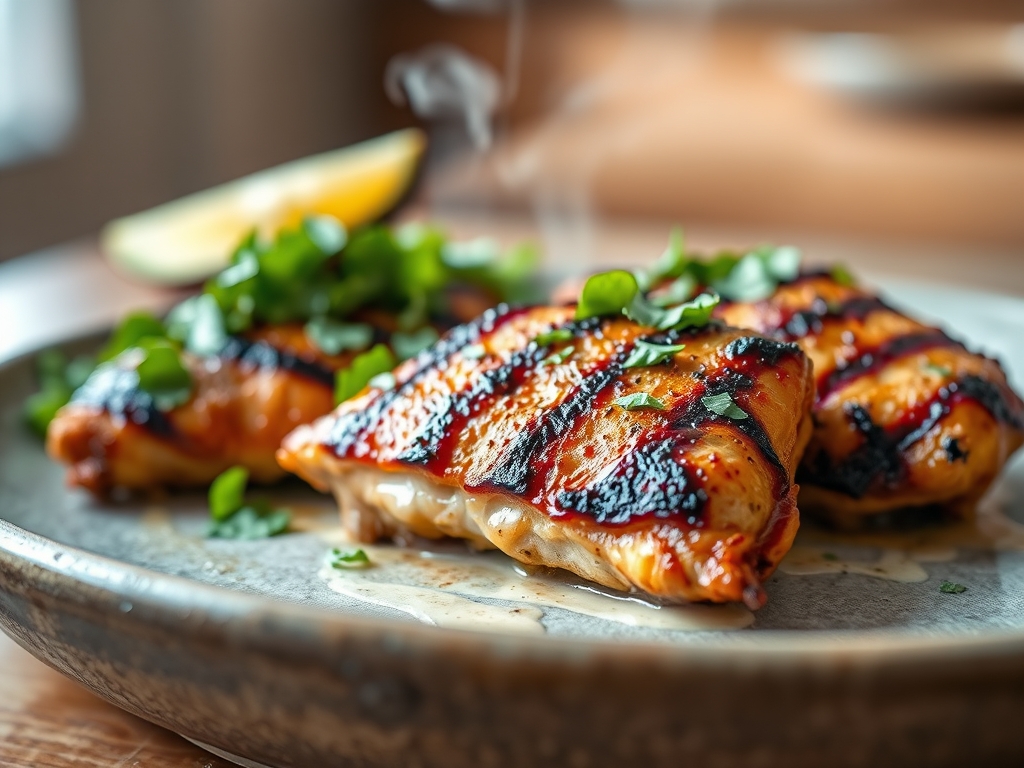
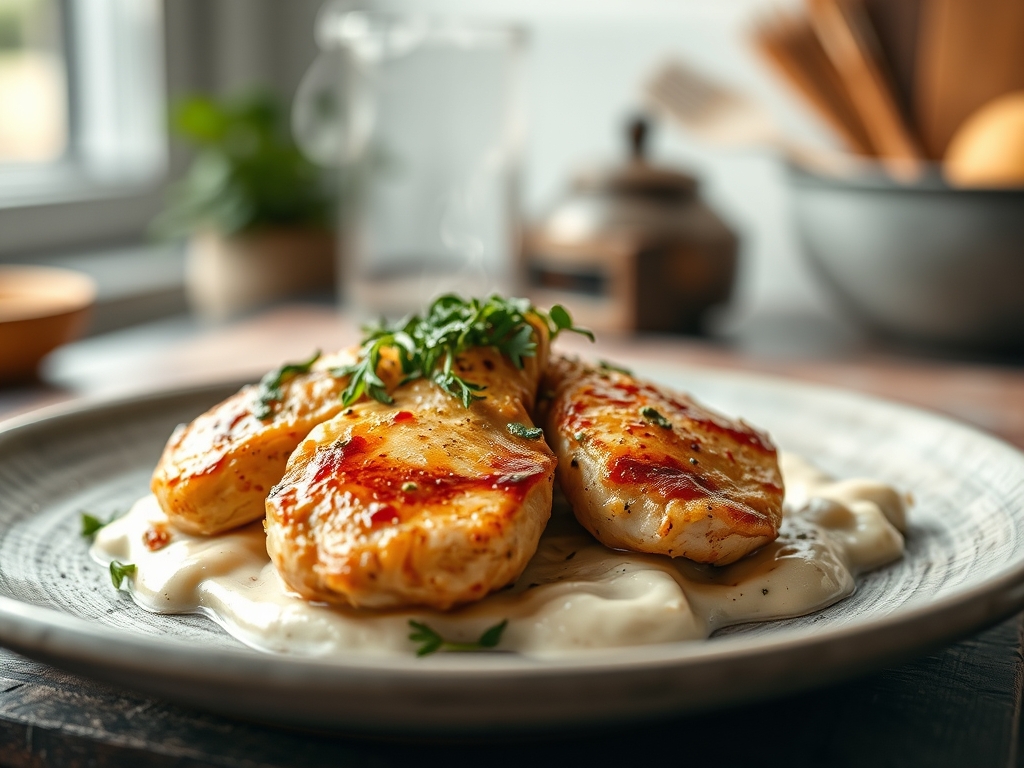
Picture the scene: a heavy-bottomed skillet rests on the burner, the surface shimmering with rendered fat as golden chicken thighs sizzle and pop. The aroma of searing protein fills the kitchen, but the real magic happens when you whisk in that cool, ivory dollop of cultured dairy. These sour cream chicken recipes are the ultimate comfort food hack; they transform humble poultry into a velvet-draped masterpiece that feels like a warm hug for your soul. We are talking about a sauce so viscous and piquant that it clings to every crevice of the meat, creating a flavor profile that balances rich lipids with a bright, lactic tang. Whether you are craving a classic paprika-heavy stroganoff or a zesty cilantro-lime fusion, the versatility of this ingredient is unmatched. It acts as both a tenderizer and a thickener, ensuring your chicken never suffers the dry, fibrous fate of overcooking. By the time we are done, you will have mastered the art of the perfect emulsion, turning a simple weeknight dinner into a restaurant-quality experience that your friends will beg you to recreate.
The Gathers:
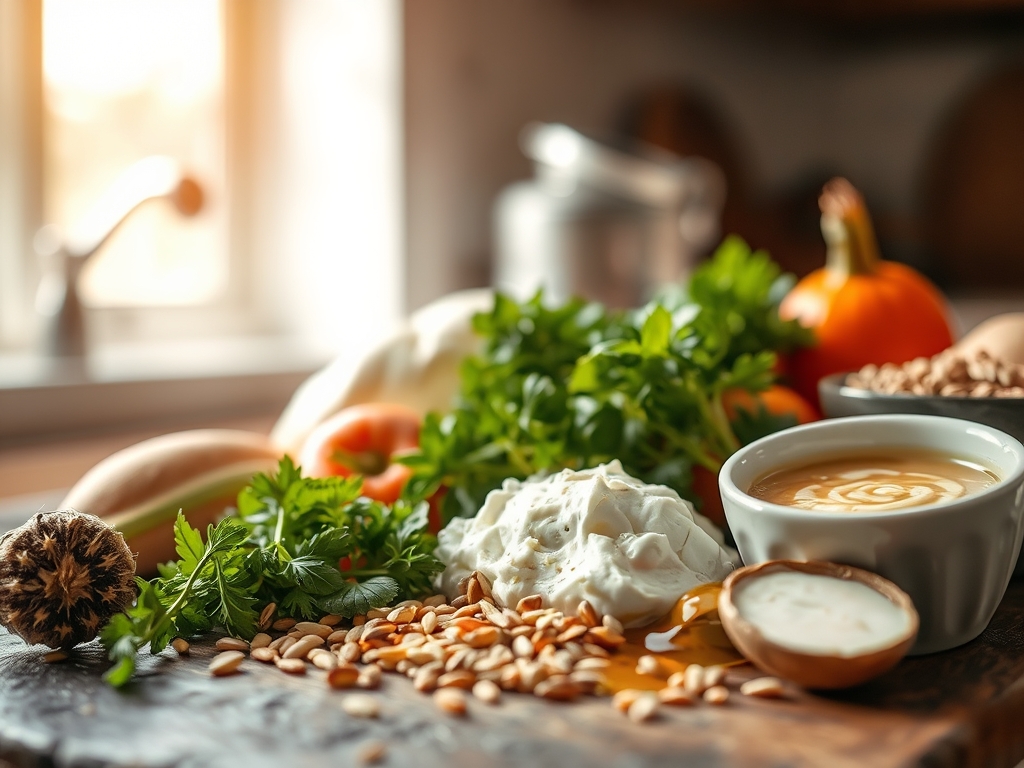
To execute these sour cream chicken recipes with precision, your mise-en-place must be flawless. Start with high-quality chicken; I prefer organic thighs for their higher fat content and succulent texture, though breasts work if you monitor the internal temperature with a digital scale. You will need a quart of full-fat sour cream. Look for brands with minimal stabilizers to ensure a smoother melt. Your aromatics are the backbone here; grab a head of garlic, a few shallots, and fresh herbs like thyme or dill.
For the dry goods, keep a bowl of all-purpose flour or cornstarch nearby to create a light dredge. Use a microplane to zest a lemon; this adds a citrusy lift that cuts through the heavy fats. If you need smart substitutions, Greek yogurt offers a higher protein punch with a similar acidity, though it is more prone to curdling at high heat. For a dairy-free alternative, cashew cream blended with a teaspoon of apple cider vinegar mimics the lactic tang perfectly. Always keep a bottle of dry white wine, such as a Sauvignon Blanc, ready to deglaze the pan and lift those caramelized bits of fond from the bottom of your skillet.
The Clock
Mastering the "Chef's Flow" is about timing your movements to maximize efficiency. Total prep time for most of these variations is roughly 15 minutes; this includes the time spent using a sharp chef's knife to cube the poultry and finely mince your aromatics. The cooking phase typically spans 20 to 25 minutes.
The flow begins with the sear. While the chicken develops its crust, you should be measuring your liquids and chopping your herbs. Never wait until the pan is hot to start dicing. The "active" time is front-loaded; once the sauce is simmering, your job is simply to monitor the viscosity. If you are serving this over pasta or rice, start your water boiling the moment the chicken hits the pan. This ensures the starch and the protein reach their peak state simultaneously, preventing the sauce from breaking while waiting for a slow-moving noodle.
The Masterclass
1. The Maillard Sear
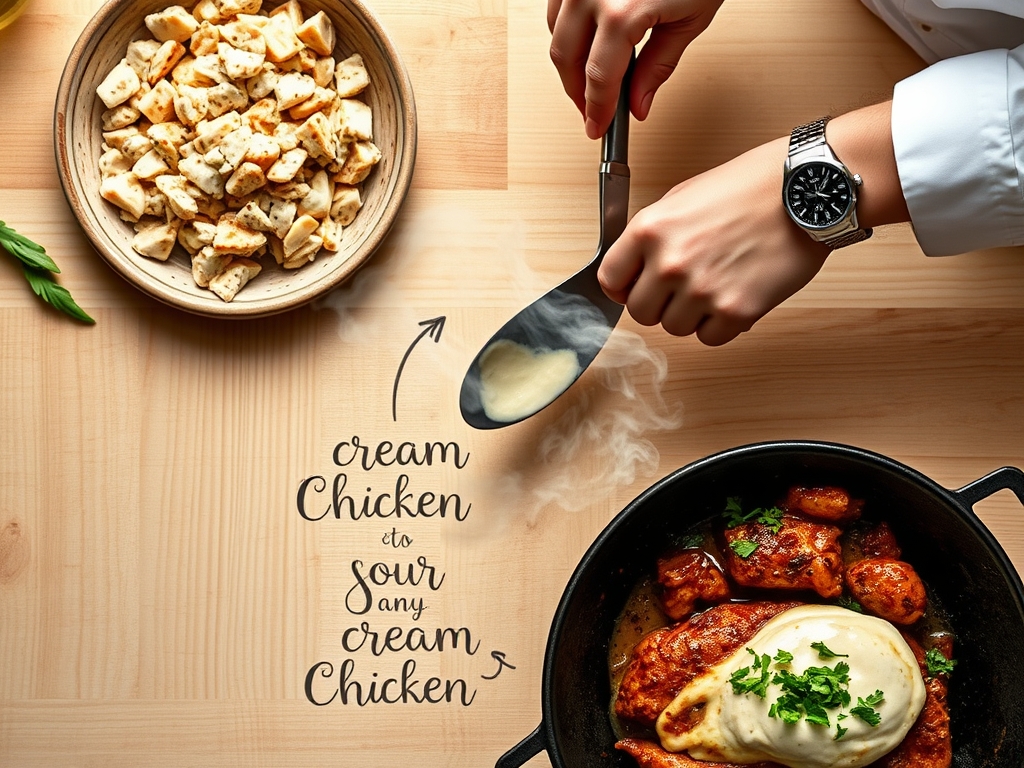
Place your chicken pieces into a preheated, heavy-bottomed skillet with a high-smoke-point oil. Do not crowd the pan; work in batches if necessary to ensure each piece has space to breathe. Use stainless steel tongs to flip the meat only once a deep, mahogany crust has formed.
Pro Tip: This is the Maillard Reaction at work. It is a chemical reaction between amino acids and reducing sugars that gives browned food its distinctive flavor. If the pan is too crowded, the moisture will steam the meat instead of searing it, resulting in a grey, rubbery texture.
2. Deglazing the Fond
Once the chicken is removed and resting, you will see brown bits stuck to the pan. Pour in your wine or chicken stock and use a wooden spoon or a bench scraper to loosen these particles.
Pro Tip: These bits are known as fond. They are concentrated essence of flavor. Deglazing allows these caramelized sugars to dissolve into the liquid, forming the complex base of your sauce through a process of infusion.
3. Sweating the Aromatics
Add your butter, shallots, and garlic to the deglazed liquid. Sauté until translucent but not browned. The goal here is to soften the cellular structure of the vegetables to release their essential oils.
Pro Tip: Sweating is a low-heat technique that draws out moisture without browning. This ensures the piquant flavor of the garlic permeates the fat without adding the bitterness associated with scorching.
4. Tempering the Sour Cream
Lower the heat significantly before adding the sour cream. Take a small ladle of the hot pan liquid and whisk it into a separate bowl containing the sour cream before adding the entire mixture back into the skillet.
Pro Tip: This prevents thermal shock. If cold sour cream hits a boiling liquid, the proteins denature and clump together, causing the sauce to "break" or curdle. Tempering gradually raises the temperature of the dairy for a silky emulsion.
5. The Final Simmer
Return the chicken to the pan, along with any accumulated juices. Let it simmer on low for three to five minutes until the sauce coats the back of a spoon.
Pro Tip: Watch for thermal carryover. Chicken continues to cook after being removed from heat. By finishing the meat in the sauce, you use the liquid as a heat conductor, ensuring the center reaches 165 degrees Fahrenheit without drying out the exterior.
6. The Herb Infusion
Turn off the heat and stir in your fresh herbs and lemon zest. Use a saucier to plate the dish, ensuring every piece of chicken is generously draped in the ivory sauce.
Pro Tip: Volatile oils in fresh herbs are highly sensitive to heat. Adding them at the very end preserves their bright, aromatic profile and prevents them from turning a dull, muddy green.
The Deep Dive
When we look at the macro nutrition of sour cream chicken recipes, we see a profile rich in protein and healthy fats. A standard serving contains roughly 35 grams of protein and 22 grams of fat. To make this Keto-friendly, simply omit the flour dredge and serve over cauliflower rice. For a gluten-free version, swap the thickener for arrowroot powder or a high-quality GF flour blend.
"The Fix-It" section is your safety net. If your sauce is too thin, whisk a teaspoon of cornstarch with cold water and stir it in; this creates a slurry that thickens upon boiling. If the sauce curdles, don't panic; whisk in a tablespoon of heavy cream or a splash of hot water to re-emulsify the fats. If the flavor is flat, it likely needs acid; a squeeze of lemon or a teaspoon of Dijon mustard will brighten the entire profile.
For meal prep, remember that dairy-based sauces can separate when frozen. To maintain "day-one" quality, reheat the dish slowly on the stovetop over low heat. Add a splash of milk or broth and whisk constantly to re-incorporate the fats. Avoid the microwave if possible, as it creates hot spots that can cause the sour cream to grain.
The Wrap-Up
You are now officially a pro at crafting the creamiest sour cream chicken recipes in the neighborhood. We have covered the molecular magic of the Maillard reaction, the delicate art of tempering dairy, and the technical precision required to build a balanced sauce. Cooking is part science and part soul; now that you have the technical foundation, don't be afraid to experiment with different spices or aromatics. Grab your favorite skillet, turn up the music, and get to searing. Your kitchen is about to smell like absolute heaven.
The Kitchen Table
Can I use low-fat sour cream for these recipes?
You can, but proceed with caution. Low-fat versions contain more water and stabilizers, making them significantly more prone to curdling. For the best results and a truly viscous sauce, full-fat sour cream is the superior choice for heat stability.
How do I prevent the chicken from getting tough?
Always use a digital thermometer to pull the chicken at 160 degrees Fahrenheit. The internal temperature will rise to the safe 165 degree mark during the resting and simmering phase, preventing the protein fibers from over-contracting and becoming rubbery.
What side dishes pair best with creamy chicken?
Choose starches that act as a vessel for the sauce. Egg noodles, jasmine rice, or garlic mashed potatoes are classic choices. For a lighter option, roasted asparagus or a crisp green salad provides a necessary structural contrast to the rich sauce.
Is it safe to freeze sour cream chicken?
While safe, the texture may change. Dairy often separates and becomes grainy upon thawing. If you must freeze it, reheat very slowly on the stove while whisking vigorously to encourage the fats and solids to re-bind into a smooth emulsion.