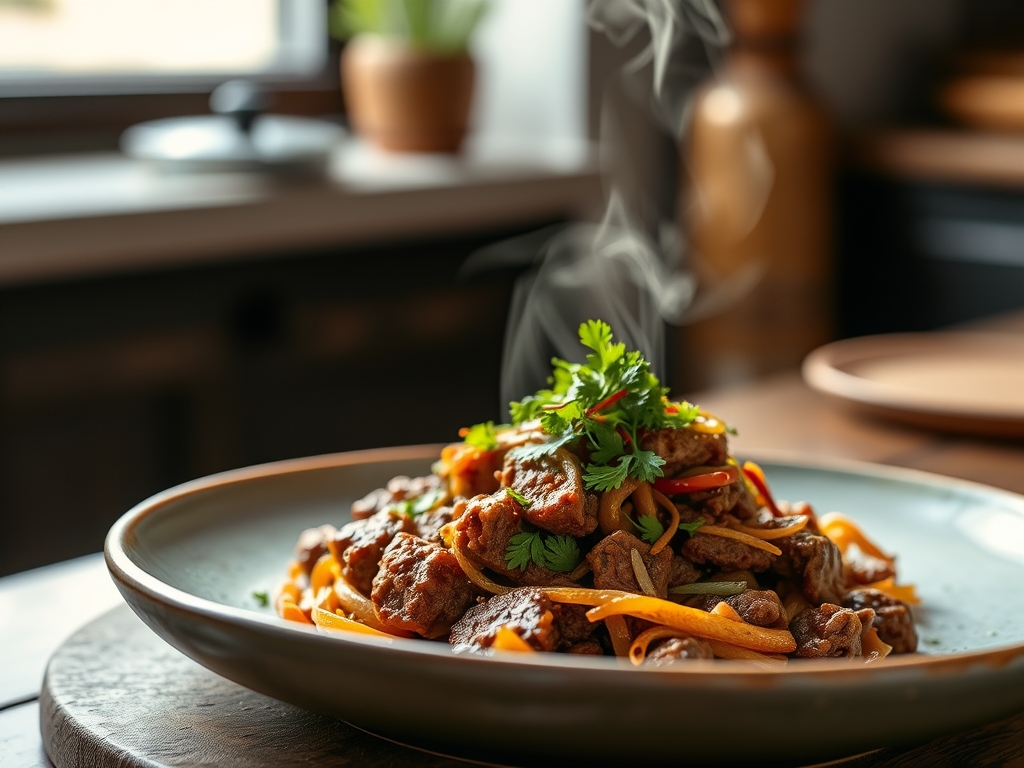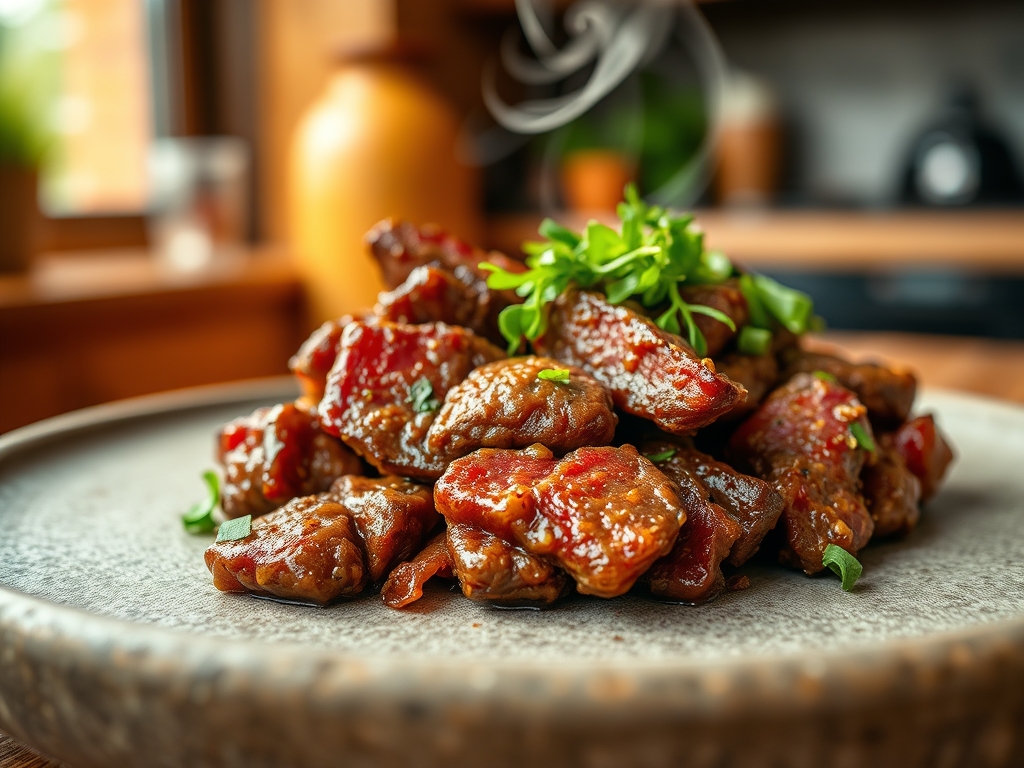
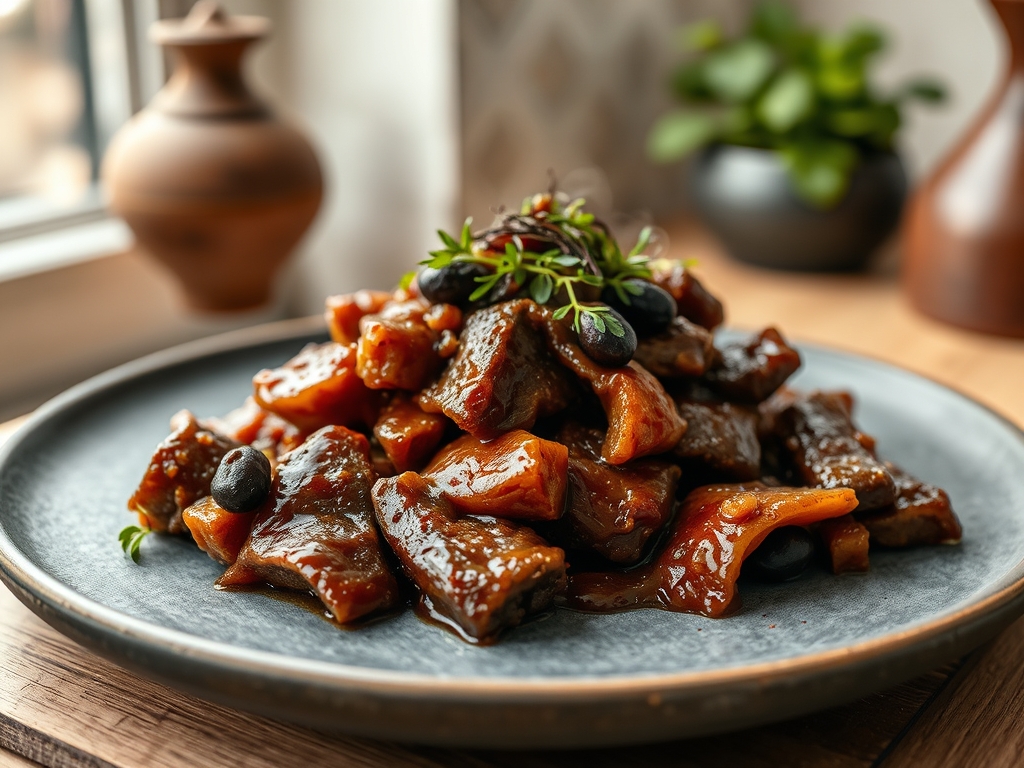
Imagine a fork sliding through a strip of flank steak that has been lacquered in a glaze so dark and glossy it reflects the kitchen lights. That is the magic of sticky beef recipes. It is the perfect marriage of salt, sugar, and protein. We are talking about that addictive, finger-licking coating that clings to the meat like a savory silk ribbon.
The secret to a world-class glaze is not just dumping honey into a pan. It is about managing the molecular transition from a thin liquid to a thick, viscous coating that coats the back of a spoon. When you nail that balance of heat and reduction, you transform a standard weeknight dinner into a restaurant-quality masterpiece. Whether you prefer the heat of sriracha or the earthy depth of ginger, these sticky beef recipes are your ticket to becoming the favorite person in your household.
We are going to dive deep into the chemistry of the sear and the physics of the reduction. Grab your favorite heavy-bottomed skillet and let us get to work. Your kitchen is about to smell like a high-end bistro, and your taste buds are not ready for the sheer intensity of the flavor profile we are about to build together.
The Gathers:
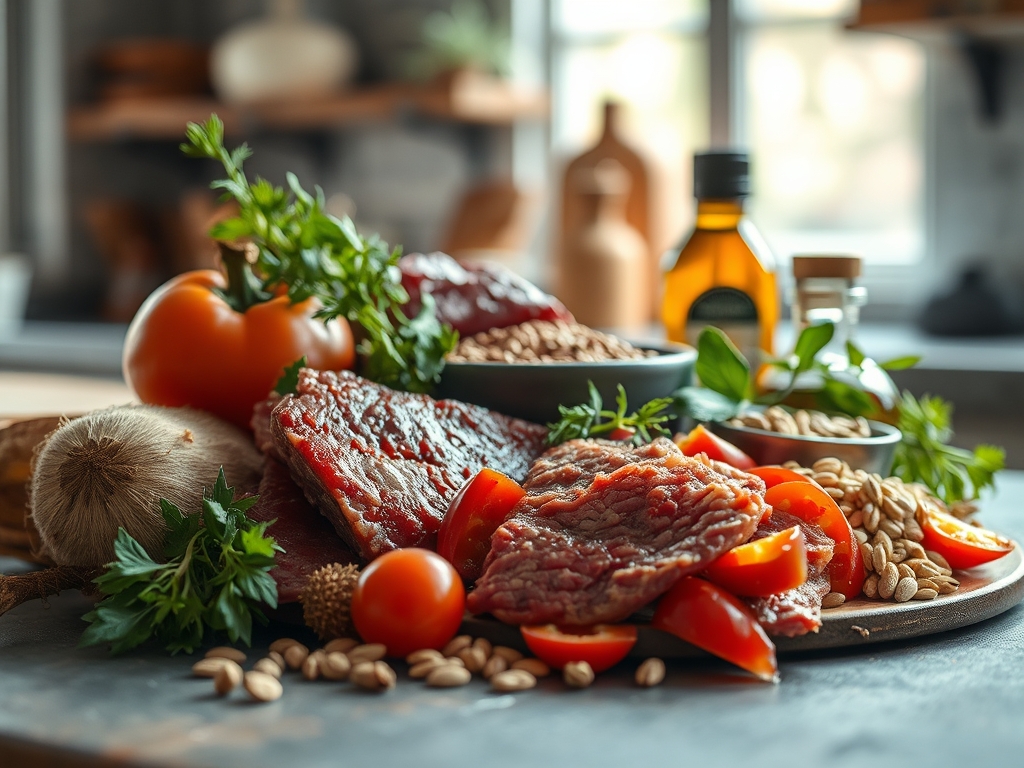
To execute these sticky beef recipes with precision, your mise-en-place must be flawless. Start with your protein. I recommend flank steak or skirt steak for their long muscle fibers, which provide the perfect surface area for the glaze to adhere to. If you are feeling fancy, a well-marbled ribeye sliced thin will offer a luxurious mouthfeel due to the rendered intramuscular fat.
Your aromatics are the backbone of the dish. You will need fresh ginger and garlic. Do not use the jarred stuff; the enzymes in fresh ginger help tenderize the meat while providing a sharp, piquant bite. For the "stick" factor, we rely on a combination of liquid sweeteners like honey or maple syrup and a high-quality soy sauce or tamari. Use a microplane to grate your aromatics into a fine paste. This ensures they melt into the sauce rather than burning in the pan.
Smart Substitutions:
If you are watching your refined sugar intake, coconut aminos are a fantastic swap for soy sauce. They provide a natural sweetness and a lower glycemic index. For those who need a kick, swap the chili flakes for gochujang. This fermented pepper paste adds a complex, funky depth that elevates the entire profile. If you find yourself out of cornstarch, a splash of potato starch or even a slow reduction of fruit preserves can act as your thickening agent.
The Clock
Efficiency in the kitchen is all about the "Chef's Flow." For most sticky beef recipes, you are looking at a 15-minute prep window and a lightning-fast 10-minute cook time. The goal is to spend your prep time chilling the beef. Placing your steak in the freezer for 20 minutes before slicing allows you to achieve paper-thin ribbons that cook evenly and absorb the marinade instantly.
The cooking phase is high-octane. You are not simmering; you are searing. By the time your heavy-bottomed skillet hits the smoke point, the actual "work" is nearly done. The flow looks like this: slice, whisk, sear, and glaze. If you have your ingredients measured out in small glass bowls, the entire process feels like a choreographed dance rather than a frantic scramble.
The Masterclass
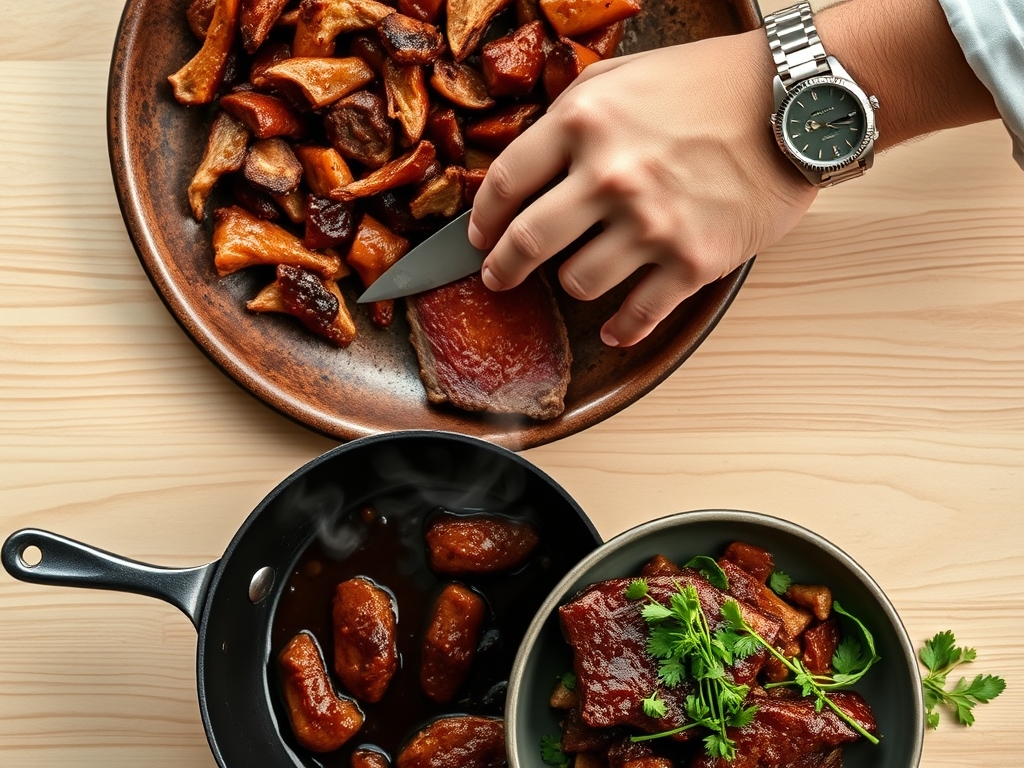
1. The Precision Slice
Using a sharp chef's knife or a specialized carving knife, slice your beef against the grain. This shortens the muscle fibers, ensuring every bite is tender rather than chewy. Aim for 1/8-inch thickness to maximize the surface area for the Maillard reaction.
Pro Tip: This is known as mechanical tenderization. By breaking the long connective tissues before they hit the heat, you prevent the meat from toughening up during the high-heat sear.
2. The High-Heat Sear
Heat your skillet until a drop of water dances and evaporates instantly. Add a high-smoke-point oil like avocado or grapeseed. Lay the beef in a single layer. Do not crowd the pan, or the meat will steam in its own juices rather than browning.
Pro Tip: This stage triggers the Maillard reaction, a chemical reaction between amino acids and reducing sugars that creates hundreds of different flavor compounds. If the pan isn't hot enough, you miss out on that savory "umami" crust.
3. Deglazing the Fond
Once the beef is browned, remove it and look at the bottom of the pan. Those brown bits are called "fond." Pour in your liquid aromatics and use a bench scraper or wooden spoon to scrape those bits into the sauce.
Pro Tip: Deglazing incorporates the caramelized proteins back into your glaze. This adds a layer of complexity that a simple bottled sauce can never replicate.
4. The Emulsion and Reduction
Add your sugars and starch slurry to the pan. Whisk constantly with a saucier whisk to prevent clumps. Watch as the liquid transitions from a watery consistency to a thick, translucent glaze.
Pro Tip: This is the process of starch gelatinization. The starch granules absorb liquid and swell, creating a network that traps water and thickens the sauce into a glossy coating.
5. The Final Toss
Return the beef to the pan along with any accumulated juices. Toss vigorously using tongs to ensure every millimeter of meat is coated. The sauce should cling to the beef, not pool at the bottom of the pan.
Pro Tip: Beware of thermal carryover. The meat will continue to cook for a few minutes after you remove it from the heat. Pull it off the stove just before it looks "done" to keep it juicy.
The Deep Dive
Macro Nutrition:
Sticky beef is a protein powerhouse. A standard serving provides roughly 30 grams of protein. While the sugar content in the glaze adds carbohydrates, you can balance the meal by serving it over cauliflower rice or a bed of steamed bok choy. The fats are primarily monounsaturated, especially if you use a lean cut like flank.
Dietary Swaps:
For a Vegan version, swap the beef for pressed extra-firm tofu or seitan. Use agave instead of honey. For Keto enthusiasts, use liquid monk fruit or erythritol as the sweetener and xanthan gum as the thickener. Gluten-Free diners should always reach for Tamari or Coconut Aminos to avoid the wheat found in traditional soy sauce.
The Fix-It:
- Sauce is too thin: Create a tiny "slurry" of one teaspoon cornstarch and one teaspoon cold water. Whisk it in and boil for 30 seconds.
- Sauce is too salty: Add a splash of rice vinegar or a squeeze of lime. The acid cuts through the sodium and brightens the dish.
- Beef is tough: You likely sliced with the grain. Next time, look for the lines in the meat and cut perpendicular to them.
Meal Prep Science:
To reheat sticky beef without it becoming rubbery, avoid the microwave if possible. Use a small skillet over medium-low heat with a tablespoon of water. The water creates steam that re-hydrates the glaze and gently warms the protein without overcooking the center.
The Wrap-Up
Mastering sticky beef recipes is a rite of passage for any home cook who craves big, bold flavors. It is a dish that proves you do not need a million ingredients to create something spectacular; you just need the right technique and a little bit of heat. Once you understand the science of the reduction and the importance of the sear, you can customize these recipes to fit any mood. So, go forth, get that skillet screaming hot, and prepare to impress yourself. You have got the skills, the tools, and the appetite to make this your new signature dish!
The Kitchen Table
What is the best cut of meat for sticky beef?
Flank steak or skirt steak are the gold standards. They have a robust beefy flavor and a coarse grain that holds onto the sticky glaze perfectly. For a budget-friendly option, use thinly sliced top sirloin.
How do I make my sauce extra glossy?
The secret is a "cold butter finish" or a tiny bit of cornstarch slurry. Whisking in a pat of cold butter at the very end creates an emulsion that gives the sauce a professional, mirror-like sheen.
Can I make sticky beef in a slow cooker?
Yes, but you must reduce the sauce on the stovetop afterward. Slow cookers retain moisture, which thins the sauce. For that true "sticky" texture, a final toss in a hot pan is essential.
Why is my sticky beef sauce grainy?
Graininess usually happens if you add garlic or ginger too early and they burn, or if your sugar didn't fully dissolve. Use a microplane for aromatics and whisk the sauce thoroughly before adding the beef.