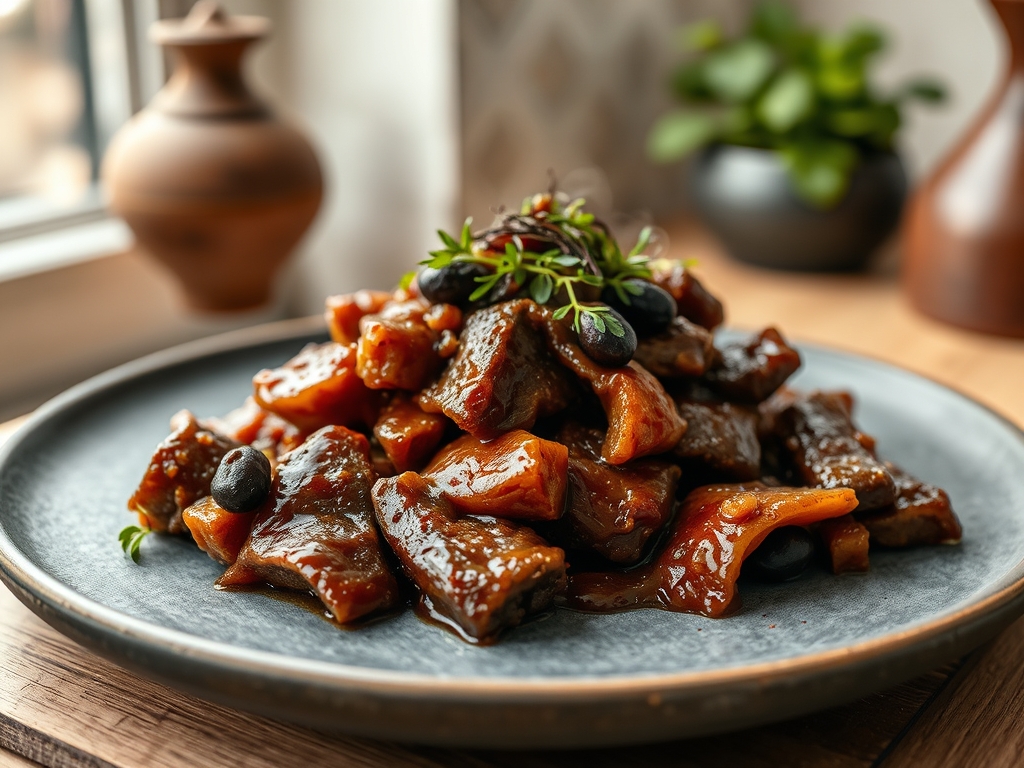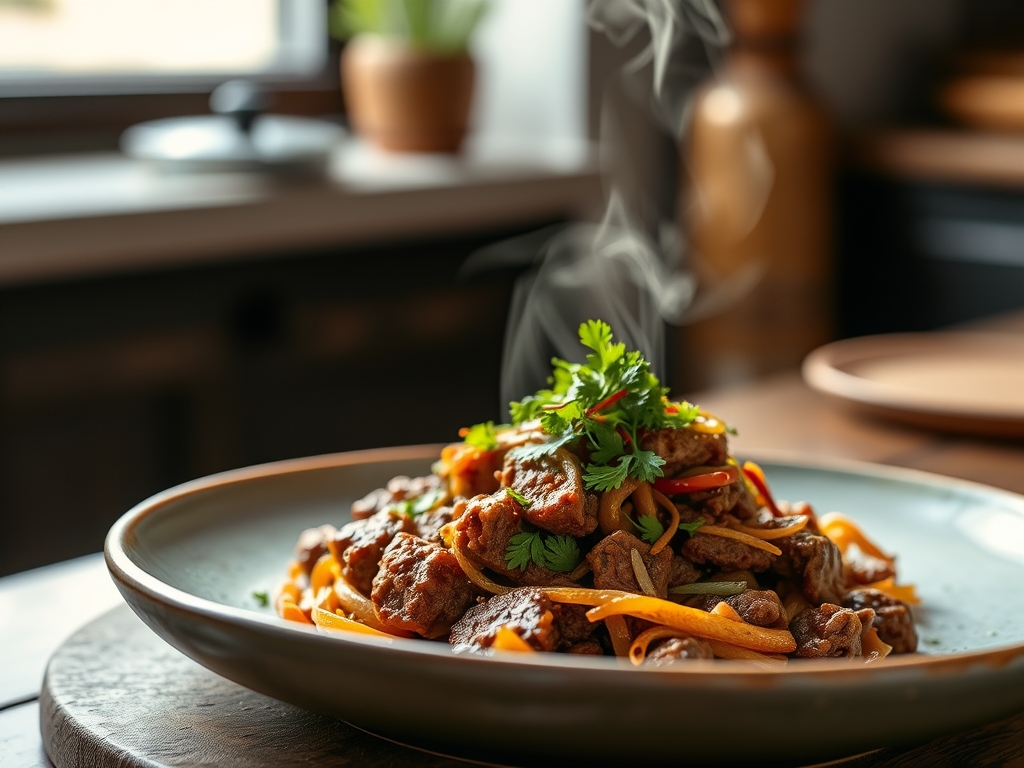
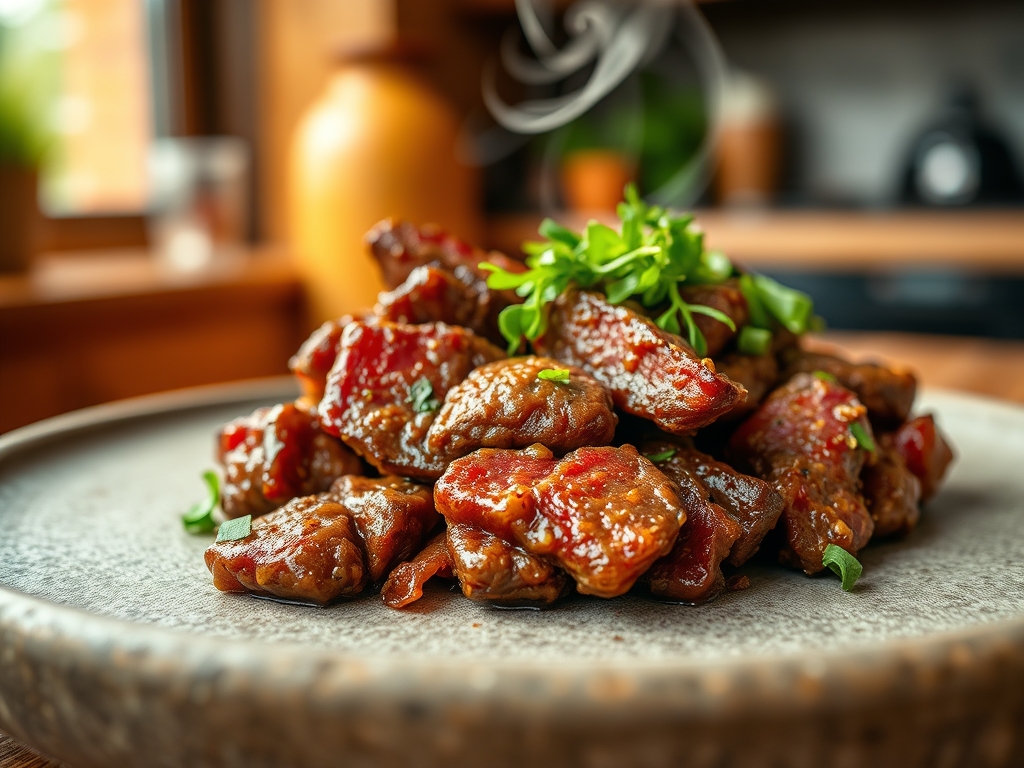
Imagine a kitchen filled with the scent of toasted butter and deep, woodsy umami. That is the magic of working with the world's most luxurious protein. When you explore kobe ground beef recipes, you are not just making dinner; you are managing a delicate dance of intramuscular fat and high-speed searing. The fat in Kobe beef melts at a significantly lower temperature than standard grain-fed cattle. This means the meat begins to render the moment it hits your palm. It is silky, rich, and demands a certain level of respect. We are going to transform this legendary ingredient into six distinct masterpieces that range from a classic smash burger to a piquant Asian-inspired ragu.
The secret to success lies in understanding the molecular structure of the fat. While standard ground chuck is sturdy, Kobe is fragile. If you overwork it, the fat smears and the texture becomes dense. We want to maintain those pockets of air and moisture. Think of this as your personal masterclass in high-end comfort food. We are going to use professional tools and scientific precision to ensure every bite is a revelation. Whether you are hosting a black-tie dinner or just treating yourself on a Tuesday, these methods will elevate your culinary game to the stratosphere.
The Gathers:
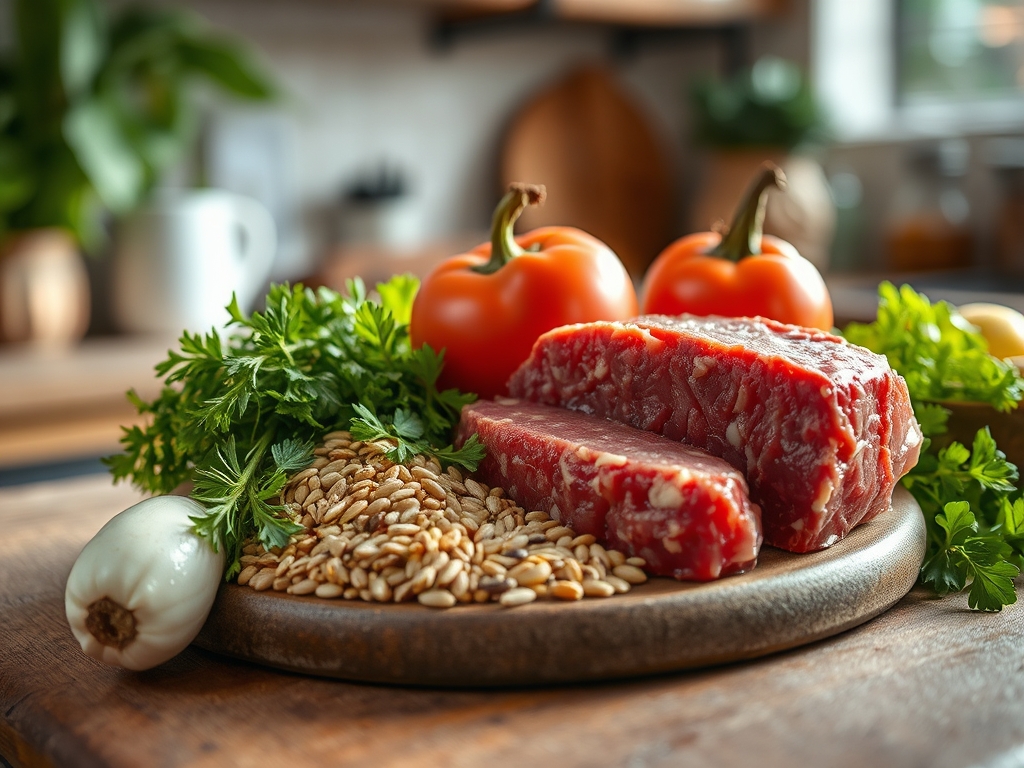
To begin our journey, clear your marble slab and pull out your digital scale. Precision is the hallmark of a great chef. For these kobe ground beef recipes, you will need the beef itself, ideally at a 75/25 or 80/20 fat ratio. The high fat content is what provides that signature viscous mouthfeel. You will also need Maldon sea salt for its flaky texture, freshly cracked Tellicherry peppercorns, and a high-smoke-point oil like avocado or grapeseed. Do not use extra virgin olive oil for the sear; its low smoke point will acridly burn before the meat develops a proper crust.
Your mise-en-place should also include aromatics like shallots, which offer a more delicate sweetness than yellow onions, and micro-planed garlic. For the "Smart Substitutions," if you cannot find authentic Japanese Wagyu or Kobe, look for American Wagyu. It provides a similar fat profile but with a slightly more robust, "beefy" flavor. If you are watching your sodium, replace traditional soy sauce with liquid aminos or a high-quality mushroom powder to maintain that essential umami depth without the salt spike. Have your bench scraper ready to move your portions cleanly without melting the fat with your hand warmth.
The Clock: Timing and Chef's Flow
Efficiency in the kitchen is about the "Chef's Flow." This is the psychological state where your movements are rhythmic and your timing is impeccable. For these recipes, prep time is approximately 20 minutes; this includes chilling your meat after portioning. The cooking time is surprisingly fast, usually under 10 minutes per dish. Because Kobe fat renders so quickly, a long cook time is your enemy.
The flow works like this: prep your garnishes first, then your sauces, and finally, the meat. The beef should be the last thing to touch the heat. This ensures that the thermal carryover does not overcook the center while you are busy chopping parsley. Always allow for a 5-minute rest period. This allows the muscle fibers to relax and reabsorb the juices, ensuring that the luxury you paid for stays in the meat rather than running off onto the cutting board.
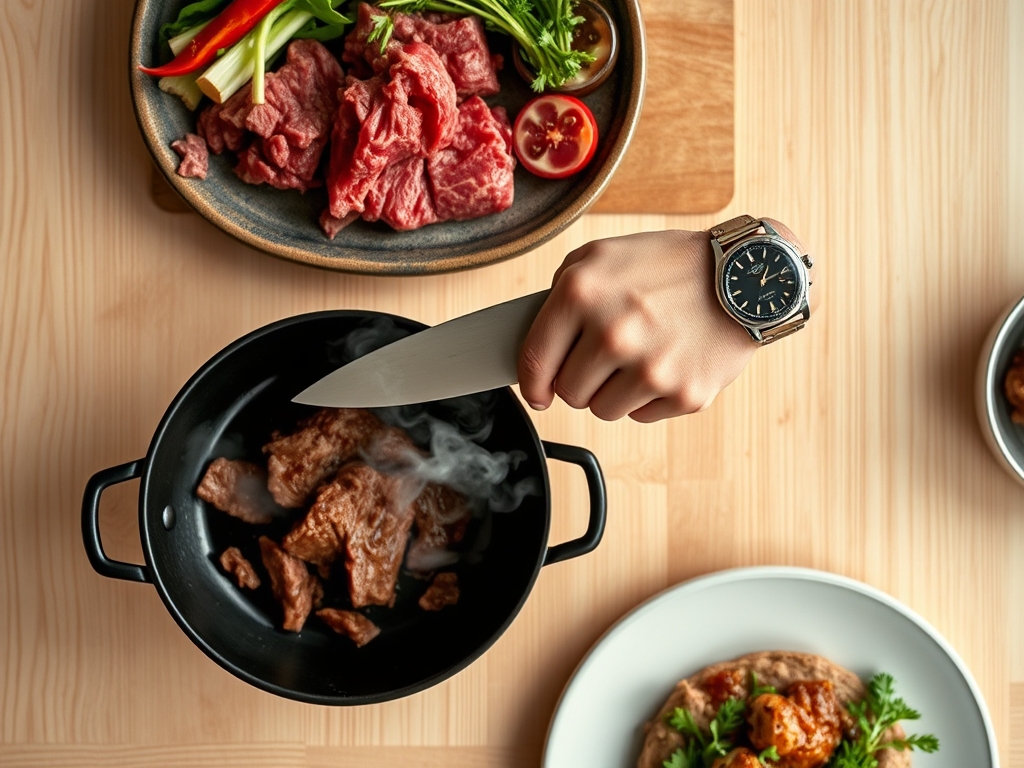
The Masterclass:
1. The Scientific Smash Burger
Portion your beef into 3.5-ounce balls using your digital scale. Do not pack them tightly. Place them into a ripping hot heavy-bottomed skillet. Use a heavy press to flatten them instantly. This maximizes the surface area for the Maillard reaction.
Pro Tip: The Maillard reaction is a chemical reaction between amino acids and reducing sugars that gives browned food its distinctive flavor. By smashing the meat, you create a complex crust that contrasts perfectly with the tender interior.
2. The Umami-Infused Ragu
In a saucier, sauté shallots until translucent. Add the Kobe beef and use a wooden spoon to break it into small crumbles. Deglaze the pan with a splash of dry red wine to lift the caramelized bits (the fond) from the bottom.
Pro Tip: Deglazing is not just for cleaning the pan; it incorporates the concentrated proteins back into the sauce, creating a deeper, more layered flavor profile.
3. Kobe Tartare (Sear-Chilled)
For those who love the raw texture but want safety, flash-sear the outside of a Kobe block before grinding it fresh. Mix with capers, Dijon, and a quail egg yolk. Use a microplane to zest a bit of lemon over the top to cut through the richness.
Pro Tip: Acid acts as a palate cleanser. The citric acid in the lemon zest breaks up the heavy fat molecules on your tongue, making the next bite taste just as vibrant as the first.
4. The Truffle Butter Meatball
Incorporate chilled truffle butter into the center of your Kobe meatballs. Bake at a high temperature to infuse the meat with the earthy fats from the inside out.
Pro Tip: This uses the principle of internal basting. As the butter melts, it creates a pressurized steam pocket that keeps the surrounding meat incredibly moist while adding intense aroma.
5. Ginger-Soy Kobe Lettuce Wraps
Quickly brown the beef with minced ginger and water chestnuts. The water chestnuts provide a structural contrast to the soft meat. Finish with a drizzle of toasted sesame oil off the heat to preserve the volatile aromatics.
Pro Tip: Sesame oil has a low flash point. Adding it at the end prevents the delicate flavor compounds from breaking down and becoming bitter.
6. The Herb-Crusted Kobe Kofta
Mix the beef with fresh mint, parsley, and cumin. Thread onto skewers and grill over high heat. The goal is a charred exterior and a medium-rare interior.
Pro Tip: Use the "finger test" or an instant-read thermometer. Because of the high fat content, Kobe beef will feel softer than regular beef at the same temperature. Target 130 degrees Fahrenheit for the perfect finish.
The Deep Dive:
From a macro perspective, Kobe beef is a powerhouse of monounsaturated fats, specifically oleic acid, which is the same heart-healthy fat found in olive oil. While it is calorie-dense, the quality of the lipid profile is superior to standard commercial beef. For those following a Keto or Paleo lifestyle, this is the ultimate fuel. If you are Gluten-Free, ensure your binders (if using any) are almond flour or crushed pork rinds rather than breadcrumbs.
Even the best chefs face pitfalls. If your meat is "bleeding" fat too quickly, your pan isn't hot enough; the goal is to sear the exterior instantly to trap the moisture. If the texture is "mushy," you likely overworked the meat while mixing; keep your hands cold and use a light touch. If the flavor feels "flat," you need more acid or salt to balance the high fat. To reheat leftovers, avoid the microwave at all costs. Use a low-temperature oven (250 degrees Fahrenheit) with a splash of beef bone broth to gently rehydrate the proteins without curdling the fats.
The Wrap-Up:
You are now equipped with the technical prowess to turn kobe ground beef recipes into a high-art form. Remember that luxury ingredients require a balance of heat, acid, and minimal interference. Use your tongs with confidence and let the quality of the beef speak for itself. You have mastered the science of the sear and the art of the rest. Now, pour a glass of something sparkling to cut through that richness and enjoy the fruits of your labor. Your kitchen is now a five-star bistro.
The Kitchen Table:
What makes Kobe ground beef different from regular beef?
Kobe beef comes from Tajima strain Wagyu cattle, featuring intense intramuscular marbling. This results in a lower melting point for the fat, creating a buttery texture and a rich, umami-forward flavor profile that standard ground beef cannot replicate.
Can I use Kobe ground beef for well-done burgers?
You can, but it is not recommended. Cooking Kobe beef to well-done renders out the precious fat that defines its quality. To preserve the signature mouthfeel and flavor, aim for a medium-rare to medium internal temperature.
Why does my Kobe beef fall apart in the pan?
The high fat-to-protein ratio makes the meat more delicate. To prevent crumbling, ensure the meat is chilled before cooking and avoid flipping it too early. Let a solid crust form to provide structural integrity before moving it.
Is Kobe ground beef healthy for a Keto diet?
Yes, it is an exceptional choice for Keto. It is high in healthy monounsaturated fats and contains zero carbohydrates. The high fat content provides sustained energy and satiety, making it a premier protein for ketogenic meal planning.